

 Pošalji
 Podeli
 Detalji o delu

 Преузми
 Slični predmeti
 Slajdovi
 Statistika
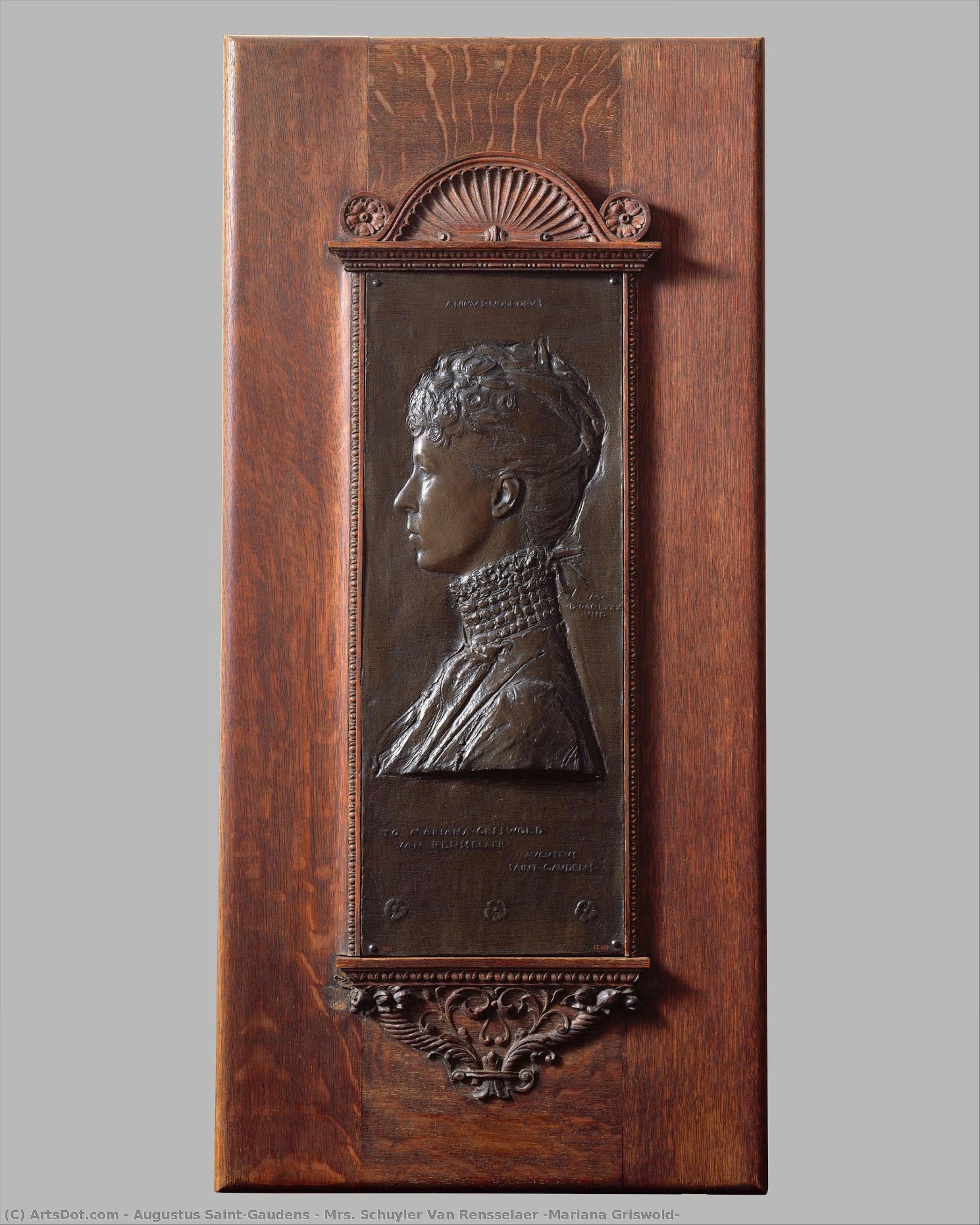
Mrs. Schuyler Van Rensselaer (Mariana Griswold)
 Bronze
- Sculpture
- Beaux-Arts
 1890
1890- 19th Century
 51.0 x 19.0 cm
 Metropolitan Museum of Art
 Pročitaj više
Kupite digitalnu sliku visoke rezolucije i poboljšanog kvaliteta, koja je znatno superiornija od onoga što vidite u online prikazu.
Svaka datoteka je pedantno pripremljena od strane naših stručnjaka koristeći napredne alate i profesionalnu ručnu retušu. Osiguravamo da svaka slika ima izuzetnu oštrinu, preciznu reprodukciju boja i fine detalje.
Konačna datoteka se dostavlja putem e-pošte u roku od 72 sata, optimizovana za neposrednu upotrebu u profesionalnim, izdavačkim i štamparskim okruženjima. To je isti kvalitet kojem veruju vrhunski studiji dizajna, izdavači i galerije.
Digitalna slika
Preuzmite datoteku visoke rezolucije za ličnu upotrebu, štampanje i kreativne projekte. ( Pređi na štampu Kupi ručno naslikanu sliku)
Uključeno uz svaku porudžbinu digitalne slike
Profesionalna digitalna isporuka, zagarantovana
Kada odaberete ArtsDot.com, ne dobijate samo sliku – vi primate profesionalno unapređeno digitalno umetničko delo, izrađeno sa najvećom preciznošću i uz garanciju zadovoljstva. Evo svega što automatski dolazi uz vašu porudžbinu:

Brza dostava putem e-pošte
Vaša digitalna slika visoke rezolucije biće vam poslata putem e-pošte u roku od 72 sata od poručivanja – spremna za trenutnu upotrebu.

Digitalna datoteka unapređena veštačkom inteligencijom
Vaše umetničko delo je profesionalno optimizovano korišćenjem naprednih AI alata i ručne obrade, čime se osiguravaju maksimalni detalji, oštrina i preciznost boja.

Besplatna ponovna isporuka doživotno
Slučajno ste obrisali ili izgubili svoju datoteku? Ne brinite – poslaćemo vam je ponovo u bilo kom trenutku, potpuno besplatno.

Bez troškova uvoza – zauvek
Uživajte u svojim umetničkim delima trenutno, bez carine, dažbina ili troškova dostave – digitalni download je uvek bez poreza.

Garancija vernosti boja
Uz pomoć profesionalnih alata i upravljanja bojama, osiguravamo da vaša digitalna slika što vernije odražava originalne boje.

Garancija zadovoljstva od 100 dana
Ako niste zadovoljni svojom digitalnom slikom, izvršićemo reviziju ili ćemo vam vratiti 100% novca u roku od 100 dana – bez ikakvih pitanja.

100% garancija povrata novca
Niste zadovoljni? Dobijte puni povraćaj novca u roku od 100 dana od prijema digitalne datoteke – bez suvišnih pitanja.

Popusti na velike porudžbine
Kupite 3 slike, uštedite 10% - Kupite 5 slika, uštedite 15% - Kupite 10+ slika, uštedite 20%. Odlično za kreativne projekte, galerije i agencije.
A Portrait in Bronze: The Dignity of Mrs. Schuyler Van Rensselaer
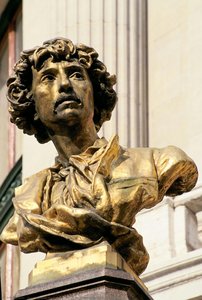
To gaze upon this bronze relief portrait bust of Mrs. Schuyler Van Rensselaer (Mariana Griswold) is to encounter a moment suspended in the amber glow of late nineteenth-century American refinement. Augustus Saint-Gaudens, master chronicler of American life and spirit, captured not merely a likeness, but an embodiment of enduring grace. The composition itself speaks volumes; the subject is presented in dignified profile, her elaborate hairstyle catching the light as if adorned with whispers of forgotten ceremony. This piece transcends simple portraiture; it is a carefully curated homage to a woman of stature, rendered with the profound skill that defined Saint-Gaudens’s career.
The Craftsmanship: Materiality and Technique
The marriage of materials here is nothing short of masterful. The central figure emerges from the rich, cool permanence of bronze, a medium that inherently lends weight and historical gravitas to any subject. This metalwork, executed with the precision of the lost-wax casting technique, allows for an astonishing delicacy in rendering texture—from the smooth planes of the cheek to the intricate folds of her high-necked garment. Complementing this metallic permanence is the surrounding wooden plaque. The wood itself, boasting a warm, deep walnut tone, acts as both a pedestal and a narrative frame. Observe the carving: flowing, curvilinear lines weave through floral motifs and stylized leaves, contrasting beautifully with the more rigid geometry of the overall rectangular mount. This juxtaposition—the organic flow of the wood against the solid form of the bronze—is key to the piece's visual harmony.
Historical Echoes and Beaux-Arts Grandeur
Dating from 1890, this bust sits squarely within the opulent aesthetic currents of the American Beaux-Arts period. This era celebrated classical ideals while simultaneously embracing burgeoning national identity, resulting in art that was both deeply academic and richly decorative. Saint-Gaudens, whose own life bridged European training with an undeniable American voice, perfectly channeled this spirit. The portrait suggests a time when social standing was visibly communicated through artistry and adornment. It speaks to the patronage of an age that valued visible lineage and enduring cultural memory, making it a poignant artifact for any collector interested in Gilded Age Americana.
Symbolism and Emotional Resonance
What lingers most with the viewer is the palpable sense of dignity. The subject’s bearing suggests quiet authority; she does not demand attention, yet her presence commands it. The ornate framing elements—the fan-like carvings and detailed corner motifs—function symbolically as an aura, elevating the sitter beyond the everyday into a realm of historical importance. For the modern interior designer or collector, this piece offers more than decoration; it offers narrative depth. It is a conversation starter, whispering tales of transatlantic journeys, societal expectations, and the enduring power of feminine grace captured forever in metal and wood.
Srodna umetnička dela


Biografija umetnika
A Legacy Forged in Bronze: The Life and Art of Augustus Saint-Gaudens
Born in Dublin, Ireland, in 1848, Augustus Saint-Gaudens’s journey to becoming one of America's most celebrated sculptors began with humble origins. His early life was marked by a transatlantic shift; at just six months old, his family immigrated to New York City, where his father practiced the trade of shoemaking. This blend of Irish and French heritage would subtly inform Saint-Gaudens’s artistic sensibility—a unique fusion of classical ideals and an emerging American identity. From a young age, he displayed a remarkable aptitude for visual arts, initially honing his skills as an apprentice cameo cutter before formally studying at the Cooper Union and the National Academy of Design. These formative years laid the groundwork for a career that would redefine sculpture in the United States, moving beyond mere imitation to embrace a distinctly American voice.European Influences and Artistic Development
The pursuit of artistic mastery led Saint-Gaudens across the Atlantic to Europe in 1867. He first immersed himself in the vibrant art scene of Paris, studying at the École des Beaux-Arts under François Jouffroy. This period was crucial, exposing him to the prevailing academic style and the rich sculptural traditions of France. However, it was his subsequent sojourn to Rome that truly solidified his artistic foundation. Surrounded by the remnants of classical antiquity, Saint-Gaudens absorbed the principles of form, composition, and naturalism that would become hallmarks of his work. He wasn’t simply replicating ancient models; he was internalizing a philosophy of art—a belief in the power of sculpture to convey emotion, narrative, and enduring human values. His early works, like *Hiawatha*, reveal this nascent synthesis of classical technique with contemporary subject matter, hinting at the innovative path he would forge. He returned to New York in 1875, equipped not just with technical skill but a refined artistic vision.Monuments to Memory: Major Achievements and Artistic Style
Saint-Gaudens’s career blossomed in the late 19th and early 20th centuries, marked by a series of monumental commissions that cemented his reputation as America's premier sculptor. The *Admiral David Farragut Monument* (1881) in New York City was an early triumph, showcasing his ability to capture both grandeur and psychological depth. However, it was the *Robert Gould Shaw Memorial* (1884-1897), dedicated on Boston Common, that truly established him as a master storyteller in bronze. This poignant depiction of the 54th Massachusetts Volunteer Infantry Regiment—one of the first African American units to fight in the Civil War—was revolutionary for its time. Saint-Gaudens eschewed traditional heroic poses, instead portraying the soldiers in a dynamic march, conveying both their courage and vulnerability with remarkable realism. Standing Lincoln (1884-1887) in Chicago, replicated in other locations, stands as another testament to his skill in portraiture, capturing the solemnity and wisdom of the 16th President. His later works, such as the *William Tecumseh Sherman Monument* (1892-1903) and the equestrian statue of *General John Logan* (1894-1897), continued to demonstrate his mastery of scale and composition. Beyond monumental public art, Saint-Gaudens also left an indelible mark on American coinage, designing the iconic $20 “Double Eagle” and $10 “Indian Head” gold coins—widely regarded as some of the most beautiful coins ever minted.The Cornish Colony and a Lasting Influence
Saint-Gaudens’s influence extended beyond his own artistic output. In 1885, he established the "Cornish Colony" in New Hampshire, transforming a rural farm into a thriving artistic community. This haven attracted painters, sculptors, writers, and architects—a gathering of creative minds that fostered innovation and collaboration. The Cornish Colony became a symbol of the American Renaissance, embodying a spirit of artistic experimentation and national pride. Saint-Gaudens was not only a prolific artist but also a dedicated teacher, mentoring a generation of sculptors who carried on his legacy. His emphasis on naturalism, technical skill, and emotional depth profoundly shaped the course of American sculpture. He championed the Beaux-Arts ideal—a commitment to classical forms and rigorous training—while simultaneously forging a uniquely American aesthetic that celebrated the nation’s history, heroes, and ideals. His work continues to inspire awe and admiration, reminding us of the power of art to commemorate, to provoke thought, and to elevate the human spirit.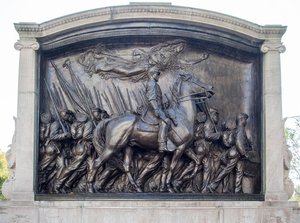
Augustus Saint-Gaudens
1848 - 1907