 Pregledaj u prostoru
 Pošalji
 Podeli
 Detalji o delu

 Преузми
 Slični predmeti
 Rendgenski snimak
 Slajdovi
 Statistika
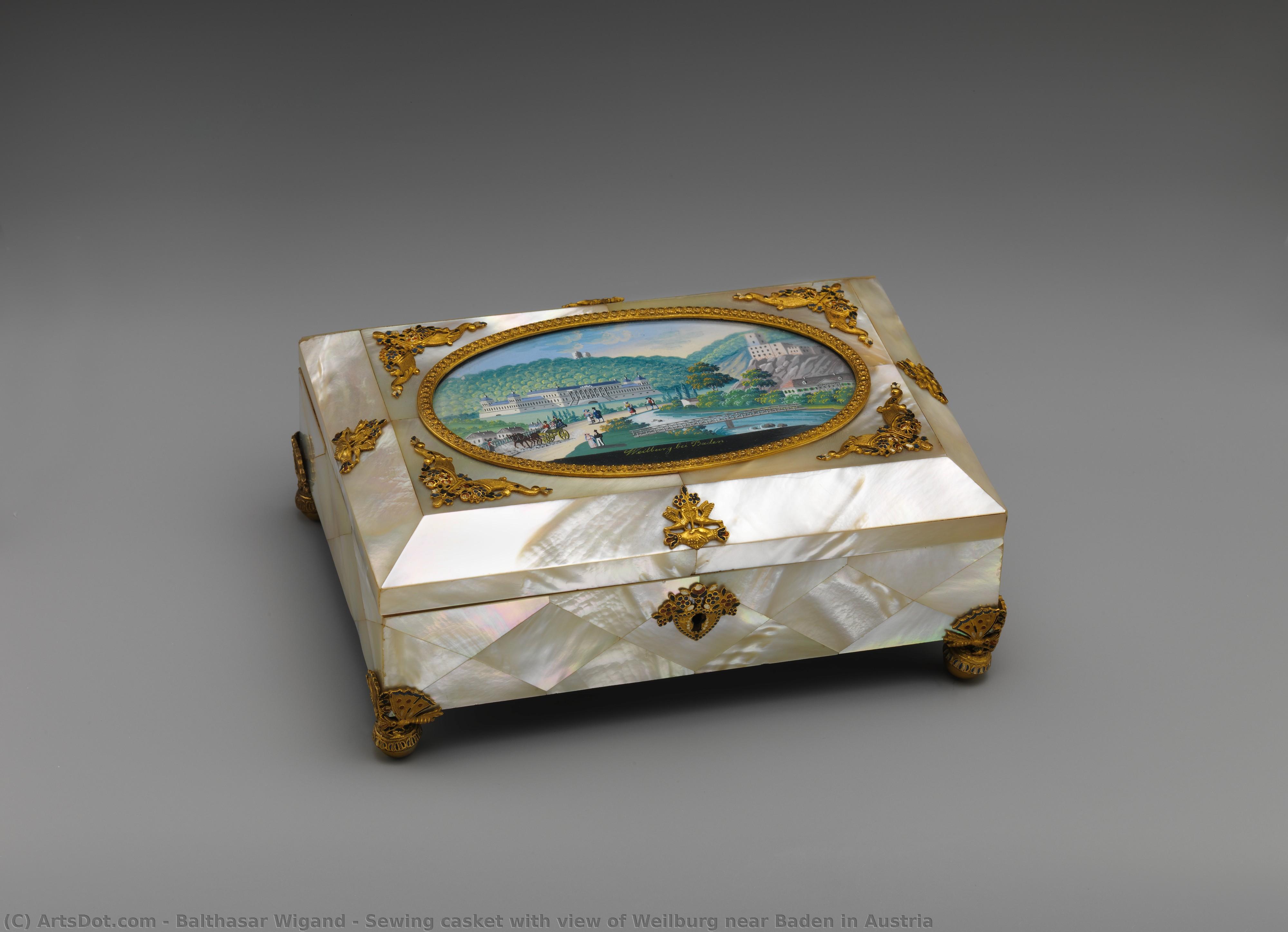
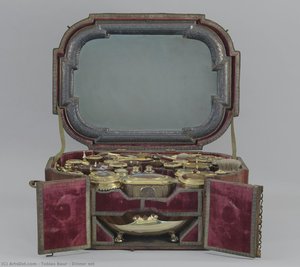
Sewing casket with view of Weilburg near Baden in Austria


 Pročitaj više
Ručno rađena uljana reprodukcija
Ručno oslikano uljanim bojama na platnu u dimenzijama i okviru po vašem izboru, izrađeno po porudžbini od strane naših umetnika. ( Pređi na štampu Pređi na digitalnu sliku)




P118B $10

P118H $10

P118W $10

P438Z $10

P508JH $12

P508YH $12

P805H $10

P805Z $10

P919BZ $10

P919G $10

P919XJ $10

P959ZH $10

P968JZ $12

W106C $8

W218G $10

W218JH $8

W218Y $10

W307PJ $10

W316G $10

W316PJ $8

W316Y $10

W398PJ $8

W4111J $10

W500HY $15

W500JH $15

W692G $12

W849H $8

W940BG $15

W953PJ $8




Izaberite jednu od naših unapred definisanih veličina koje odgovaraju originalnim proporcijama umetničkog dela.

Можете унети сопствене димензије како бисте прилагодили дело одређеном оквиру или простору. Ако одабрана величина не одговара пропорцијама оригинала, слика ће бити исечена или проширена додатним елементима који се ручно насликавају. Дигитални prikaz ће вам бити послат на одобрење пре почетка производње.
Имајте на уму да преглед на екрану не одражава стварно исецање или проширење. Само приказ (mockup) ће тачно приказати коначну композицију.
Иако су доступне прилагођене величине, препоручујемо да одаберете димензију из дефинисане листе како бисте сачували оригиналне пропорције.
Nakon narudžbine, tim ArtsDot.com će klijentu putem e-pošte poslati uputstva i dostaviti prikaz predloženog rešenja
Isporuka širom sveta () za 3/4 nedelje umesto uobičajenih 5 nedelja. (8 септембар). Bez kompromisa po pitanju kvaliteta.

Besplatna ekspresna dostava širom sveta

Visokokvalitetno laneno platno

Kompletno osiguranje transporta

Garancija povraćaja carine i uvoznih dažbina

Garancija vernosti boja

Politika povraćaja u roku od 100 dana (isključivo u slučaju nedostataka)

Garancija povrata novca od 100%

Popust pri grupnoj kupovini
 Opcija sa staklom dostupna je samo za dimenzije manje od 110 cm

Sewing casket with view of Weilburg near Baden in Austria
Tehnika reprodukcije
Dimenzije reprodukcije
-


Konačna cena
$ 263
Srodna umetnička dela
Biografija umetnika
John Henning: The Sculptor of Miniature Wonders
John Henning (1771–1851) wasn’t a name etched in the annals of grand historical sculpture, yet his legacy resides in an astonishing feat of artistic dedication and meticulous detail. Born in Paisley, Scotland, into a family rooted in carpentry, Henning’s journey from craftsman to miniature master is a testament to his singular vision and unwavering commitment. He didn't seek fame through monumental works; instead, he dedicated twelve years to painstakingly recreating the iconic Parthenon and Bassae friezes – colossal marble panels depicting scenes of ancient Greek life – on a scale that defied belief: tiny replicas just two inches high yet stretching over twenty-four feet in length. This remarkable achievement offers a unique window into the artistic sensibilities of early 19th-century Britain, revealing a fascination with classical antiquity and a burgeoning interest in accurate reproduction.
Henning’s early life provided a solid foundation for his future endeavors. Trained by his father, he initially honed his skills as a carpenter, developing an appreciation for the properties of wood and its potential for intricate detail. It was through portraiture that he truly discovered his artistic voice, creating cameos of friends and family that showcased his burgeoning talent for capturing likenesses with remarkable precision. This early success paved the way for him to pursue more ambitious projects, ultimately leading him to the monumental task of replicating the ancient friezes.
The Inspiration: Elgin’s Marbles and a Royal Patron
The catalyst for Henning's extraordinary undertaking was his encounter with the newly arrived Parthenon marbles in Burlington House. Witnessing these fragments of classical history, he became captivated by their beauty and complexity. Crucially, he secured permission from Lord Elgin to study and draw them, an opportunity that proved invaluable. It was during this period that Henning conceived the idea of using his drawings as a basis for creating slate molds – miniature versions capable of producing remarkably detailed replicas. This innovative approach, combined with the patronage of Princess Charlotte, provided him with the resources and encouragement he needed to embark on his ambitious project.
The Princess’s interest in Henning's work stemmed from her own fascination with classical art and literature. She commissioned a medallion portrait of the sculptor himself, an event that not only boosted his confidence but also exposed him to a wider circle of influential figures. This royal connection undoubtedly played a significant role in securing funding and recognition for his extraordinary endeavor.
The Process: A Labor of Love
Henning’s process was nothing short of obsessive. He meticulously studied the original friezes, painstakingly recreating every detail – from the folds of drapery to the expressions on the faces of the figures. He utilized a complex system of slate molds, each requiring countless iterations and adjustments to achieve the desired level of accuracy. The sheer scale of the project demanded immense patience and unwavering dedication; it was a labor of love that consumed his life for twelve years. His work wasn’t simply copying; he aimed to recreate the essence of the originals, capturing their spirit and grandeur in miniature.
Interestingly, Henning didn't attempt to copyright his creations, recognizing the impossibility of protecting the work of long-dead artists. This reflects a broader attitude towards artistic ownership during that era, where inspiration and imitation were often seen as integral parts of the creative process. The Bassae frieze, added later to the project, further extended this period of intense dedication.
Legacy and Significance
John Henning’s miniature replicas of the Parthenon and Bassae friezes represent a remarkable achievement in the history of art reproduction. They demonstrate not only his exceptional technical skill but also his deep appreciation for classical antiquity. His work influenced subsequent generations of artists and craftsmen, contributing to the development of techniques for accurate reproduction and inspiring a renewed interest in ancient Greek culture. While he may not be as widely celebrated as some of his contemporaries, Henning’s legacy endures through these exquisite miniature masterpieces – tangible testaments to his dedication, ingenuity, and profound respect for the past.
Today, fragments of these remarkable creations can be viewed at the Musée du Louvre in Paris. They stand as a poignant reminder of a solitary artist who dedicated his life to capturing the beauty and grandeur of ancient Greece on a scale that defied imagination.
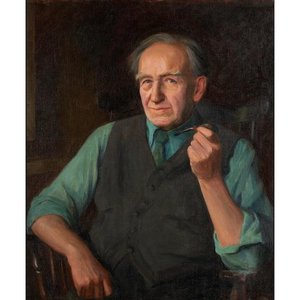
balthasar wigand
1771 - 1846 , Austria
Osnovne informacije
- Artistic Movement Or Style: Sculpture, Miniatures
- Artists Who Influenced This Artist: ['None],\n "Artists or movements influenced by this artist": [None']
- Date Of Birth: 1771
- Date Of Death: 1851
- Full Name: John Henning
- Nationality: Scottish
- Notable Artworks:
- Parthenon frieze
- Bassae frieze
- Place Of Birth: Paisley, Scotland
Povezani članci
Carl Eduard Schuch: Bridging Realism & Symbolism in Late 19th-Century Austrian Painting
Explore the captivating landscapes & still lifes of Carl Eduard Schuch (1846-1903), a pivotal Austrian painter bridging realism and modernism. Discover his influences, unique style, and lasting legacy with ArtsDot.
The Vienna Secession: A Rebellion of Form & Spirit in Fin-de-Siècle Art
Discover the revolutionary Vienna Secession art movement! Explore Klimt, Olbrich & more. Learn about its history, characteristics & lasting influence on modern art. High-quality reproductions available.

Victor Vasarely: Pioneering Op Art & Democratizing Visual Experience
Explore the revolutionary world of Victor Vasarely, father of Op Art. Discover his geometric masterpieces, artistic system, & lasting impact on modern design. A guide for discerning art collectors.
Koloman Moser: A Synthesis of Art Nouveau, Secessionism & the Gesamtkunstwerk Ideal
Explore the life & work of Koloman Moser, a pivotal figure in the Vienna Secession & Wiener Werkstätte. Discover his stunning graphic design, architecture, and applied arts – a true pioneer of Viennese Art Nouveau. Learn more at ArtsDot.
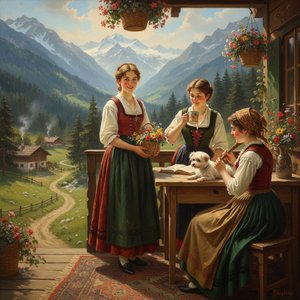
Eugen von Blaas: Capturing Alpine Life & Sentiment in 19th-Century Austrian Painting
Discover the captivating world of Eugen von Blaas! Explore his exquisite 19th-century paintings capturing Venetian life & Alpine beauty. Learn about his Academic Classicism style and find museum-quality reproductions at ArtsDot.