

 Pregledaj u prostoru
 Pošalji
 Podeli
 Detalji o delu

 Преузми
 Slični predmeti
 Rendgenski snimak
 Slajdovi
 Statistika
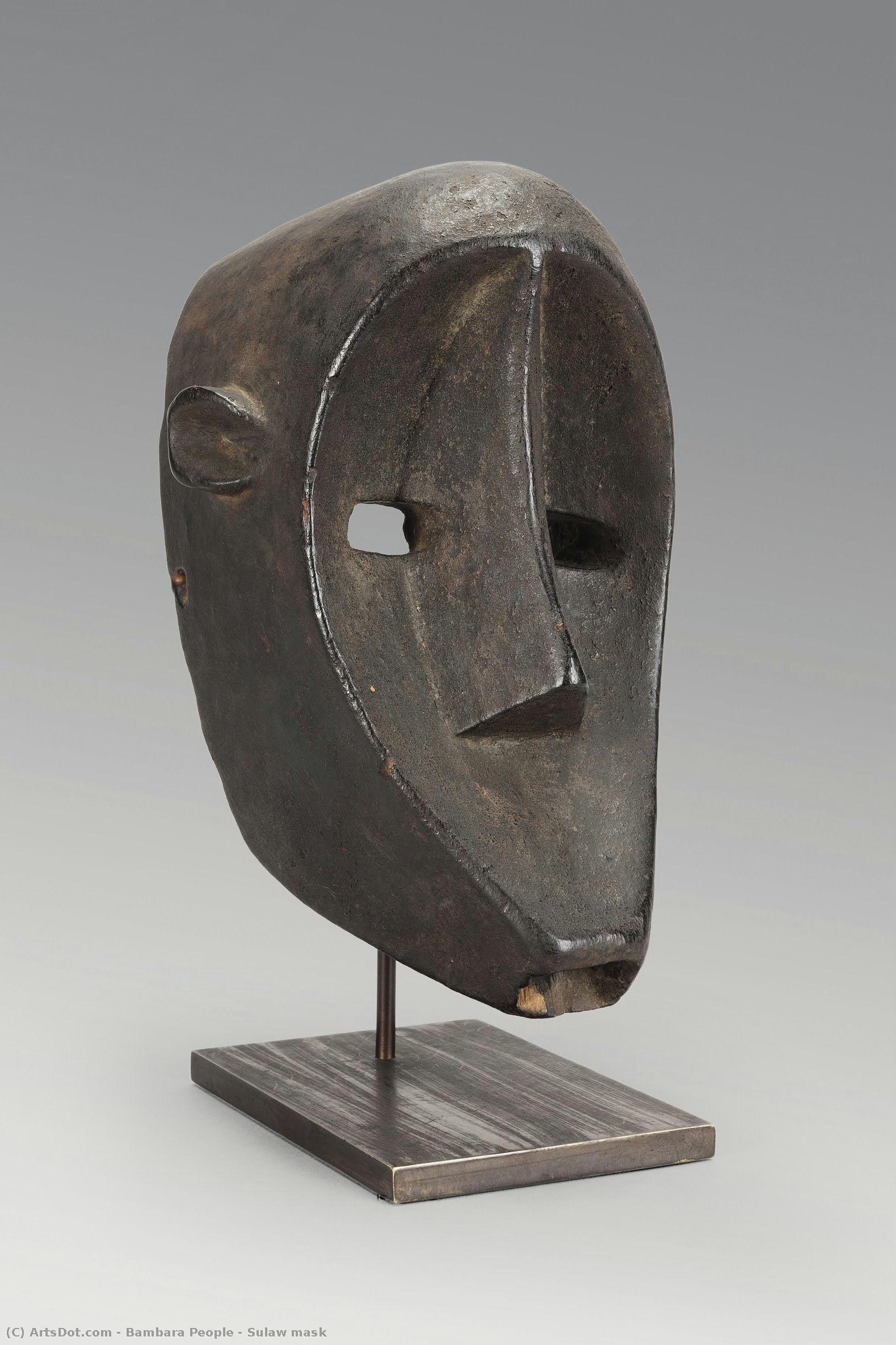
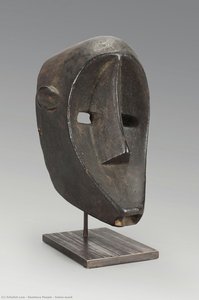
Sulaw mask


 Pročitaj više
Giclee štampa / Umetnički otisak
Giclée štampa ili print na platnu muzejskog kvaliteta uz brzu proizvodnju i fleksibilne opcije završne obrade. ( Kupi ručno naslikanu sliku Pređi na digitalnu sliku)




































Izaberite jednu od naših unapred definisanih veličina koje odgovaraju originalnim proporcijama umetničkog dela.

Možete uneti sopstvene dimenzije kako biste umetničko delo prilagodili specifičnom okviru ili prostoru. Ako odabrani format ne odgovara proporcijama originalne slike, mi ćemo ili iscrtati deo dela ili proširiti sliku pomoću ogledane ivice ili jednobojnog popunjavanja. Digitalni prikaz će vam biti poslat na odobrenje pre početka proizvodnje.
Imajte na umu da pregled na ekranu ne odražava stvarno iscrtavanje ili proširivanje. Samo će prikaz (mockup) precizno pokazati finalnu kompoziciju.
Iako su prilagođene dimenzije dostupne, preporučujemo da odaberete dimenziju sa unapred definisane liste kako biste očuvali originalne proporcije.
Dostava širom sveta () za 2 nedelje umesto uobičajenih 4/5 nedelja. (11 септембар)

Besplatna ekspresna dostava širom sveta

Visokokvalitetno laneno platno

Kompletno osiguranje transporta

Garancija povraćaja carine i uvoznih dažbina

Garancija vernosti boja

Politika povraćaja u roku od 100 dana (isključivo u slučaju nedostataka)

Garancija povrata novca od 100%

Popust pri grupnoj kupovini
 Opcija sa staklom dostupna je samo za dimenzije manje od 110 cm

Sulaw mask
Giclee štampa / Umetnički otisak
Dimenzije reprodukcije
-


Konačna cena
$ 62
Srodna umetnička dela






Biografija umetnika
The Soul of the Niger: The Artistic Legacy of the Bambara People
In the heart of West Africa, where the rhythmic pulse of the Niger River valley meets the vast expanse of the Sahel, lies the profound cultural landscape of the Bambara people. Known locally as the Bamana, this resilient ethnic group has long served as the guardians of a spiritual and artistic tradition that transcends mere decoration. Their history is one of movement and identity; while they trace their ancestral roots to the great Mandinka migrations and the era of the Ghana Empire, the Bambara carved out a distinct existence following the 13th-century shifts in power along the riverbanks. This sense of a unique, self-contained identity is etched into every curve of their woodcarvings and every pigment applied to their ceremonial masks, reflecting a worldview where the boundary between the physical and the spirit realms is perpetually thin.
The artistry of the Bambara is not merely an aesthetic pursuit but a vital component of their social and religious fabric. Their cosmology, centered on the supreme creator Faro or Ngala, finds expression through a complex system of rituals designed to maintain harmony between humanity, nature, and the ancestors. Within this framework, art serves as a bridge. The clan system, organized into age-based groups known as tons, ensures that the technical mastery required for their intricate carvings is passed down through generations, preserving a lineage of craftsmanship that remains unbroken by the tides of modernization. To witness Bambara art is to witness a living prayer, a continuous dialogue with the forces that govern fertility, rain, and the harvest.
Masters of Form: The Symbolism of the Ciwara
Perhaps the most globally recognized achievement of the Bambara artisans is the creation of the Ciwara crest mask. These breathtaking sculptures are far more than static objects; they are the embodiments of an entire agricultural philosophy. Representing the mythical antelope spirit, these masks are meticulously carved from dense hardwoods and often adorned with vibrant, earthy pigments that evoke the very soil they celebrate. The design typically features a stylized, elongated neck and sweeping horns, capturing the grace of the animal while symbolizing the vital connection between the sun's energy and the earth's fertility.
The performance of these masks is a choreographed spectacle of communal importance:
- Ritualized Agriculture: The Ciwara masks preside over ceremonies that encourage farmers in their labor, turning the grueling work of the fields into a sacred dance.
- Gendered Synergy: While the Ciwara society is traditionally male-dominated, the ritual dances often feature pairs of male and female antelope masks, symbolizing the essential union of masculine and feminine energies required for life to flourish.
- Social Competition: The use of these masks fuels a healthy competition among farmers, driving the community toward greater productivity and shared prosperity.
A Timeless Influence on Global Art
The historical significance of Bambara art extends far beyond the borders of Mali. The profound abstraction and rhythmic geometry found in their sculptures have long captivated the international art community, offering a masterclass in how form can communicate complex metaphysical truths. From the Sulaw masks to the iconic crests, each piece is a testament to a culture that has successfully navigated the challenges of the modern era without sacrificing its ancestral essence. The Bambara people continue to stand as masters of their craft, ensuring that their artistic language—a language of earth, spirit, and survival—continues to inspire awe and reverence in the hearts of viewers worldwide.
bambara people
Mali
Osnovne informacije
- Artistic Movement Or Style: Traditional Mande art
- Full Name: Bambara people
- Nationality: African
- Notable Artworks: ['Ciwwara crest mask']
- Place Of Birth: Mali