

 Pregledaj u prostoru
 Pošalji
 Podeli
 Detalji o delu

 Преузми
 Slični predmeti
 Rendgenski snimak
 Slajdovi
Deutsch Erste Skizze für die Kuppel des Pantheons
 Acrylic On Canvas
- WallArt
- Romantic Battlefield
 1811
1811 73.0 x 73.0 cm
 Muzej Carnavalet
 Pročitaj više
Ručno rađena uljana reprodukcija
Ručno oslikano uljanim bojama na platnu u dimenzijama i okviru po vašem izboru, izrađeno po porudžbini od strane naših umetnika. ( Kupi print Kupi digitalnu sliku)




P118B $10

P118H $10

P118W $10

P438Z $10

P508JH $12

P508YH $12

P805H $10

P805Z $10

P919BZ $10

P919G $10

P919XJ $10

P959ZH $10

P968JZ $12

W106C $8

W218G $10

W218JH $8

W218Y $10

W307PJ $10

W316G $10

W316PJ $8

W316Y $10

W398PJ $8

W4111J $10

W500HY $15

W500JH $15

W692G $12

W849H $8

W940BG $15

W953PJ $8




Izaberite jednu od naših unapred definisanih veličina koje odgovaraju originalnim proporcijama umetničkog dela.

Можете унети сопствене димензије како бисте прилагодили дело одређеном оквиру или простору. Ако одабрана величина не одговара пропорцијама оригинала, слика ће бити исечена или проширена додатним елементима који се ручно насликавају. Дигитални prikaz ће вам бити послат на одобрење пре почетка производње.
Имајте на уму да преглед на екрану не одражава стварно исецање или проширење. Само приказ (mockup) ће тачно приказати коначну композицију.
Иако су доступне прилагођене величине, препоручујемо да одаберете димензију из дефинисане листе како бисте сачували оригиналне пропорције.
Nakon narudžbine, tim ArtsDot.com će klijentu putem e-pošte poslati uputstva i dostaviti prikaz predloženog rešenja
Isporuka širom sveta () za 3/4 nedelje umesto uobičajenih 5 nedelja. (5 септембар). Bez kompromisa po pitanju kvaliteta.

Besplatna ekspresna dostava širom sveta

Visokokvalitetno laneno platno

Kompletno osiguranje transporta

Garancija povraćaja carine i uvoznih dažbina

Garancija vernosti boja

Politika povrata u roku od 60 dana (samo u slučaju nedostataka)

Garancija povrata novca od 100%

Popust pri grupnoj kupovini
 Opcija sa staklom dostupna je samo za dimenzije manje od 110 cm

Deutsch Erste Skizze für die Kuppel des Pantheons
Tehnika reprodukcije
Dimenzije reprodukcije
-


Konačna cena
$ 263
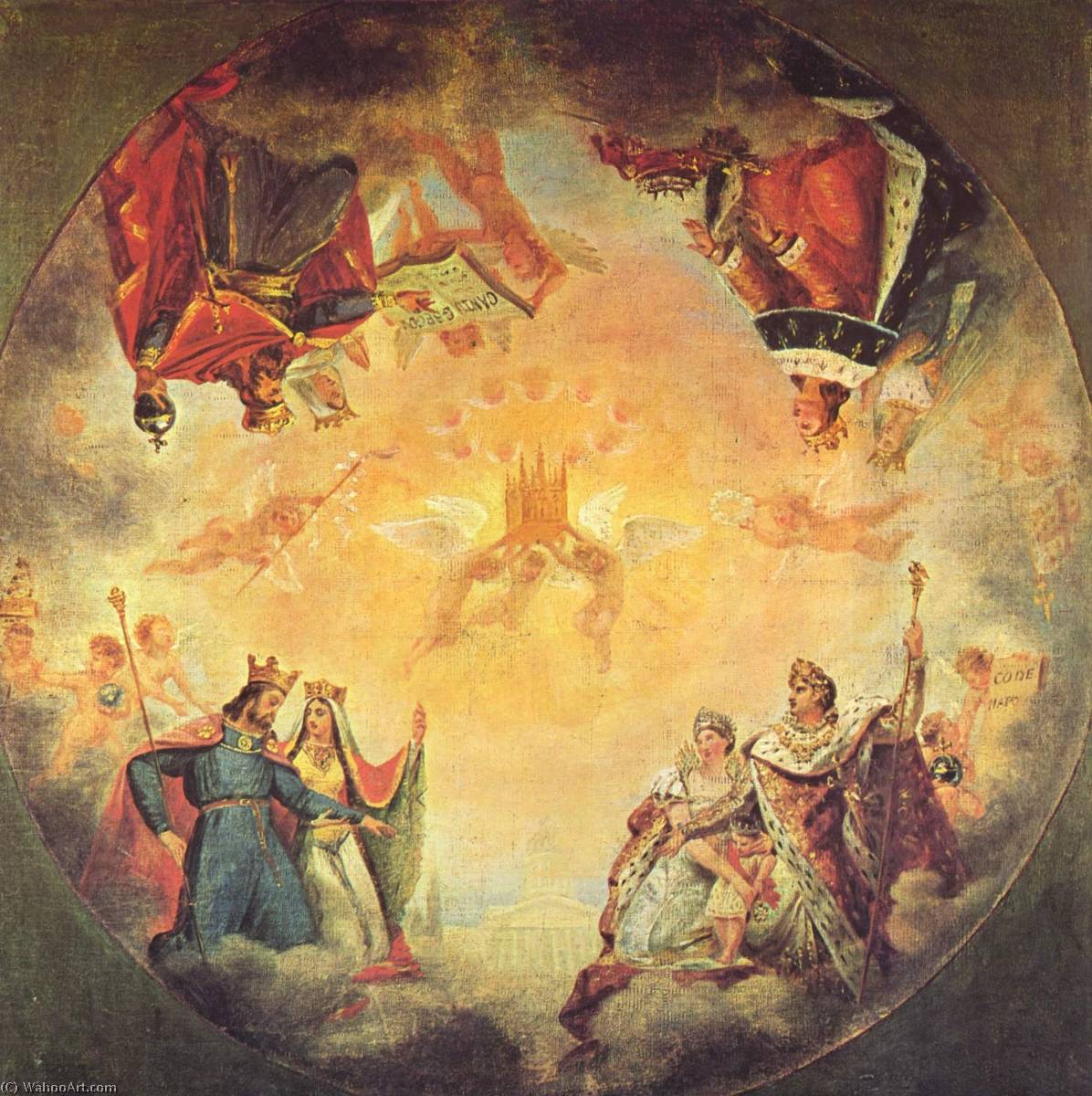
Deutsch Erste Skizze für die Kuppel des Pantheons – A Vision of Grandeur and Human Connection
Antoine-Jean Gros’s “Deutsch Erste Skizze für die Kuppel des Pantheons,” completed in 1811, stands as a pivotal moment in the artistic landscape of Romanticism. More than just a depiction of architectural ambition—the envisioned Pantheon’s dome—it embodies Gros’s profound engagement with the spirit of his time and offers a glimpse into the burgeoning fascination for portraying human emotion amidst monumental grandeur.
- Subject Matter: The painting captures a dynamic tableau of figures engaged in conversation and interaction, centered around a group seated together. Scattered throughout are objects like a book and a cup, adding layers of narrative detail to the scene. Notably, swords symbolize power and conflict, strategically positioned within the composition.
- Style & Technique: Gros deftly abandons the rigid conventions of Neoclassicism championed by David, embracing instead the expressive dynamism characteristic of Romanticism. His brushstrokes are loose and energetic, conveying movement and capturing the palpable atmosphere of social engagement. The monumental scale of the mural reflects the Romantic preoccupation with portraying dramatic events and conveying powerful emotions.
- Historical Context: Created during Napoleon’s reign, “Deutsch Erste Skizze für die Kuppel des Pantheons” speaks to the era's fascination with commemorating heroic achievements and celebrating civic virtue. Gros’s depiction aligns perfectly with Napoleon’s desire to elevate his image as a benevolent ruler—a figure embodying both strength and compassion.
- Symbolism: The inclusion of objects like the book symbolizes knowledge and contemplation, juxtaposed against the active dialogue between the figures. The swords represent military prowess but also hint at underlying tensions and conflicts. Overall, Gros utilizes visual elements to convey a complex interplay of ideas about leadership, human connection, and the pursuit of noble aspirations.
- Emotional Impact: Gros’s masterful rendering evokes a sense of warmth and camaraderie amidst the grandeur of architectural design. The painting invites viewers to contemplate the importance of human interaction and celebrates the spirit of collective endeavor—themes that resonated deeply with Romantic sensibilities and continue to inspire admiration today.
This monumental sketch serves as an exceptional example of Gros’s artistic prowess, demonstrating his ability to synthesize classical influences with Romantic fervor. Its enduring appeal lies in its capacity to transport us back to a time of transformative change—a moment when art sought to capture not merely beauty but also the very essence of human experience.
Srodna umetnička dela
Biografija umetnika
Antoine-Jean Gros (1771–1835): The Romantic Battlefield
Antoine-Jean Gros, later Baron Gros, stands as a singular figure in French art history—a painter who deftly transitioned from the rigid formalism of Neoclassicism to the passionate expressive fervor of Romanticism. Born in Paris in 1771, Gros’s artistic journey began amidst the stylistic debates that characterized the era, yet he ultimately forged his own distinctive path, securing a place among the most influential artists of his time and profoundly impacting subsequent generations of painters like Eugène Delacroix and Théodore Géricault. His early training focused on mastering the techniques of Jacques-Louis David, the dominant voice of Neoclassicism, ensuring a grounding in classical ideals of beauty and proportion. However, Gros quickly recognized the limitations of this style when confronted with the turbulent realities of the French Revolution. Witnessing firsthand the fervor and violence of Parisian upheaval instilled within him a desire to depict emotion and drama—a yearning that would propel him toward Romanticism’s embrace of subjective experience.- Early Life & Training: Gros received his initial artistic education from Jacques-Louis David, absorbing the principles of classical art and mastering meticulous draftsmanship.
- Revolutionary Influence: The French Revolution ignited Gros's imagination, prompting him to abandon Neoclassical conventions in favor of emotionally charged depictions of historical events.
The Napoleonic Canvas: Dramatic Battles & Imperial Glory
Gros’s artistic reputation solidified during Napoleon Bonaparte’s reign, becoming synonymous with the monumental canvases that captured the grandeur and terror of military campaigns. He achieved unparalleled fame for his portrayal of pivotal battles—Arcola (1796), Austerlitz (1805), Borodino (1812)—each infused with a visceral sense of immediacy and psychological depth. Unlike David’s idealized representations, Gros eschewed polished surfaces and meticulous detail, prioritizing emotional impact over technical precision. He employed bold brushstrokes, dramatic lighting, and vibrant color palettes to convey the chaos and heroism of warfare, establishing himself as the foremost exponent of “history painting” during Napoleon's ascendancy.
Notable works include:
- Bonaparte at the Pont d’Arcole (1796): This iconic depiction captures Napoleon’s triumphant arrival at Arcole, embodying the spirit of Napoleonic ambition and military prowess.
- The Battle of Austerlitz (1805): Gros's masterful rendering of the decisive Austrian defeat cemented his reputation as a painter of monumental scale and dramatic intensity.
- The Battle of Borodino (1812): Considered by many to be Gros’s masterpiece, this harrowing portrayal of the Russian siege powerfully conveys the suffering and courage of soldiers amidst the horrors of war.
Beyond Battles: Portraits & Genre Scenes While Gros is primarily celebrated for his battlefield panoramas, he also produced a significant body of portraiture and genre paintings—works that reveal a more nuanced understanding of human psychology and social life. His portraits of Napoleon Bonaparte and Josephine Beauharnais exemplify his ability to capture regal dignity and charisma, demonstrating meticulous attention to detail and psychological insight. Furthermore, Gros’s depictions of everyday scenes—such as “Sappho at Leucate” and “Les Pestiférés de Jaffa”—offer glimpses into the human condition, imbued with compassion and empathy.
Legacy & Influence Antoine-Jean Gros's artistic innovations profoundly impacted subsequent Romantic painters, particularly Eugène Delacroix and Théodore Géricault. He championed a style characterized by emotional intensity, dramatic lighting, and expressive brushwork—elements that would become hallmarks of the Romantic movement. Gros’s unwavering commitment to portraying historical events with visceral realism paved the way for a new aesthetic sensibility, shaping the visual language of 19th-century art and securing his enduring legacy as one of France's most important artistic figures. His influence extended beyond painting, inspiring artists in other mediums—sculpture, theater—demonstrating the breadth of his artistic impact.
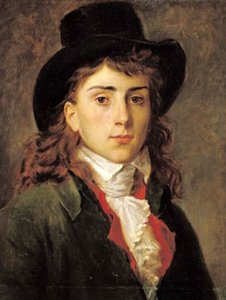
baron gros antoine jean
1771 - 1835
Osnovne informacije
- Artistic Movement Or Style: Romanticism
- Artists Or Movements Influenced By This Artist:
- Eugène Delacroix
- Romanticism
- Artists Who Influenced This Artist:
- Jacques-Louis David
- Jean Auguste Ingres
- Date Of Birth: 1771
- Date Of Death: 1835
- Full Name: Antoine-Jean Gros, Baron Gros
- Nationality: French
- Notable Artworks:
- The Chief of the Mamelukes on Horseback
- Sappho at Leucate
- Les Pestiférés de Jaffa
- Bonaparte at the Pont d'Arcole
- Place Of Birth: France
Povezani članci
The Eloquent Line: Exploring the Artistic Significance of Sketches Across Movements and Media
Explore the profound artistic significance of sketches throughout history. From Renaissance masters to modern innovators like Van Gogh & Guston, discover how these foundational works reveal technique, emotion, and vision. Learn more at ArtsDot.
Romantic Realism's Finest: 10 Masterpieces for Your Home | ArtsDot
Explore 10 defining masterpieces of Romantic Realism! Discover Courbet, Millet & Daumier's powerful paintings—capturing emotion and social realities. Find museum-quality reproductions for your home at ArtsDot.com.
Paul Huet: Capturing the Essence of French Romanticism Through Light and Landscape
Explore the captivating world of Paul Huet (1803-1869), a master of French Romantic landscape painting. Discover his influence on Barbizon & Impressionism, and browse high-quality reproductions at ArtsDot.
Émile Jean Horace Vernet: Romantic Realism & Depicting 19th-Century Life
Explore the life & art of Émile Jean Horace Vernet, a master of Romantic Realism. Discover his captivating battle scenes, portraits, and Orientalist works – a window into 19th-century France. Learn about his techniques & enduring legacy.
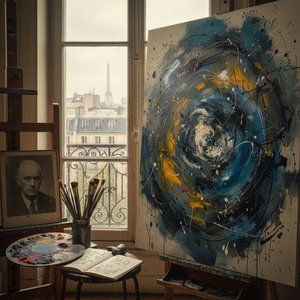
Antoine Blanchard (Marcel Masson): Parisian Abstraction & the Legacy of Automatism
Explore the captivating world of Antoine Blanchard (Marcel Masson) and his nostalgic Parisian scenes. Discover his artistic influences, unique style, and the challenges of authentication. Expert insights & art appraisal information.

