

 Pregledaj u prostoru
 Pošalji
 Podeli
 Detalji o delu

 Преузми
 Slični predmeti
 Rendgenski snimak
 Slajdovi
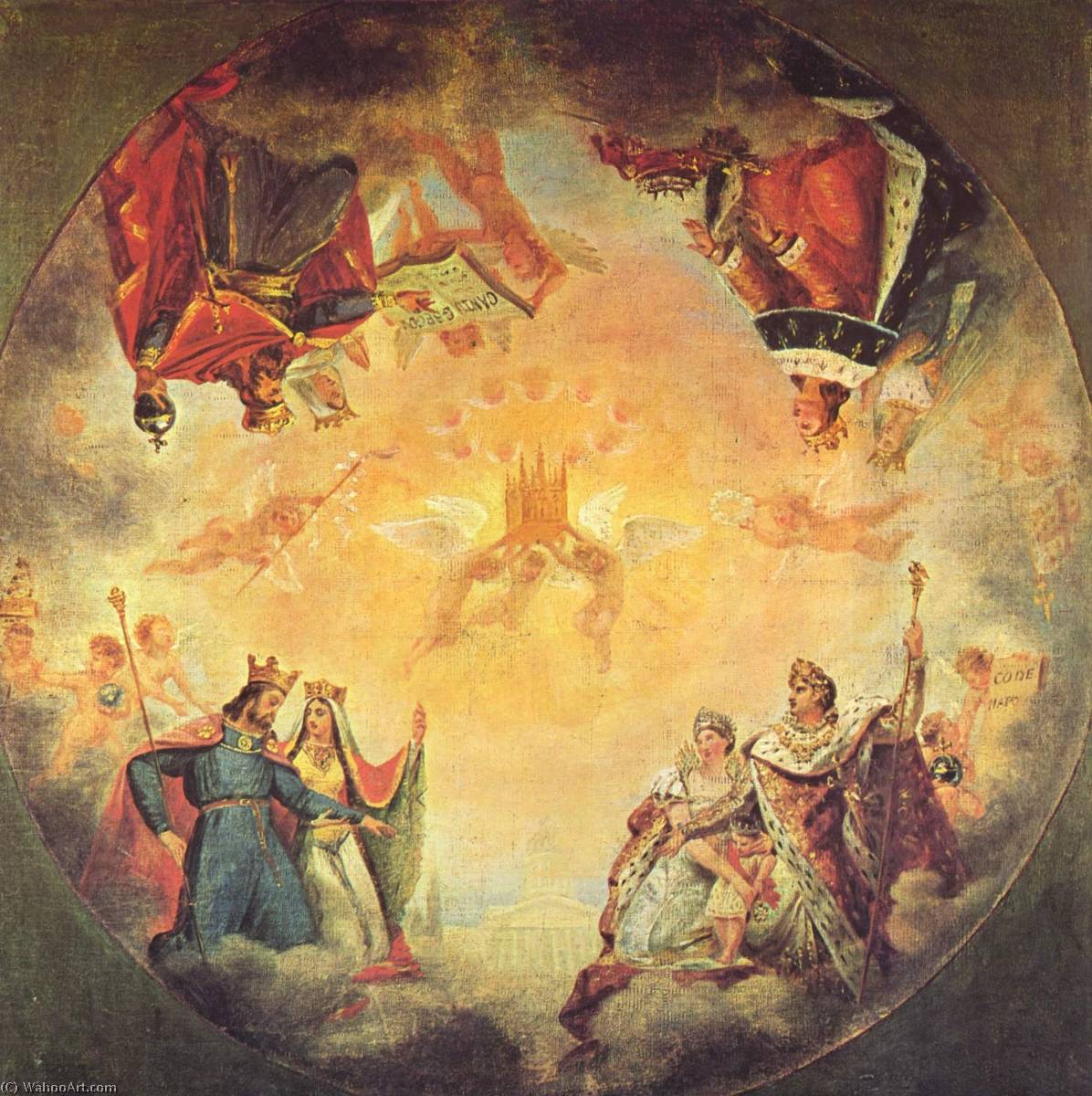
Deutsch Erste Skizze für die Kuppel des Pantheons
 Acrylic On Canvas
- WallArt
- Romantic Battlefield
 1811
1811 73.0 x 73.0 cm
 Muzej Carnavalet
 Pročitaj više
Kupite digitalnu sliku visoke rezolucije i poboljšanog kvaliteta, koja je znatno superiornija od onoga što vidite u online prikazu.
Svaka datoteka je pedantno pripremljena od strane naših stručnjaka koristeći napredne alate i profesionalnu ručnu retušu. Osiguravamo da svaka slika ima izuzetnu oštrinu, preciznu reprodukciju boja i fine detalje.
Konačna datoteka se dostavlja putem e-pošte u roku od 72 sata, optimizovana za neposrednu upotrebu u profesionalnim, izdavačkim i štamparskim okruženjima. To je isti kvalitet kojem veruju vrhunski studiji dizajna, izdavači i galerije.
Digitalna slika
Preuzmite datoteku visoke rezolucije za ličnu upotrebu, štampanje i kreativne projekte. ( Kupi print Kupi ručno naslikanu sliku)
Uključeno uz svaku porudžbinu digitalne slike
Profesionalna digitalna isporuka, zagarantovana
Kada odaberete ArtsDot.com, ne dobijate samo sliku – vi primate profesionalno unapređeno digitalno umetničko delo, izrađeno sa najvećom preciznošću i uz garanciju zadovoljstva. Evo svega što automatski dolazi uz vašu porudžbinu:

Brza dostava putem e-pošte
Vaša digitalna slika visoke rezolucije biće vam poslata putem e-pošte u roku od 72 sata od poručivanja – spremna za trenutnu upotrebu.

Digitalna datoteka unapređena veštačkom inteligencijom
Vaše umetničko delo je profesionalno optimizovano korišćenjem naprednih AI alata i ručne obrade, čime se osiguravaju maksimalni detalji, oštrina i preciznost boja.

Besplatna ponovna isporuka doživotno
Slučajno ste obrisali ili izgubili svoju datoteku? Ne brinite – poslaćemo vam je ponovo u bilo kom trenutku, potpuno besplatno.

Bez troškova uvoza – zauvek
Uživajte u svojim umetničkim delima trenutno, bez carine, dažbina ili troškova dostave – digitalni download je uvek bez poreza.

Garancija vernosti boja
Uz pomoć profesionalnih alata i upravljanja bojama, osiguravamo da vaša digitalna slika što vernije odražava originalne boje.

Garancija zadovoljstva u roku od 60 dana
Ako niste zadovoljni svojom digitalnom slikom, revidirat ćemo je ili vratiti 100% novca u roku od 60 dana – bez ikakvih pitanja.

100% garancija povrata novca
Niste zadovoljni? Obezbedite pun povrat novca u roku od 60 dana od trenutka kada ste primili svoju digitalnu datoteku – bez suvišnih pitanja.

Popusti na velike porudžbine
Kupite 3 slike, uštedite 10% - Kupite 5 slika, uštedite 15% - Kupite 10+ slika, uštedite 20%. Odlično za kreativne projekte, galerije i agencije.
Deutsch Erste Skizze für die Kuppel des Pantheons – A Vision of Grandeur and Human Connection
Antoine-Jean Gros’s “Deutsch Erste Skizze für die Kuppel des Pantheons,” completed in 1811, stands as a pivotal moment in the artistic landscape of Romanticism. More than just a depiction of architectural ambition—the envisioned Pantheon’s dome—it embodies Gros’s profound engagement with the spirit of his time and offers a glimpse into the burgeoning fascination for portraying human emotion amidst monumental grandeur.
- Subject Matter: The painting captures a dynamic tableau of figures engaged in conversation and interaction, centered around a group seated together. Scattered throughout are objects like a book and a cup, adding layers of narrative detail to the scene. Notably, swords symbolize power and conflict, strategically positioned within the composition.
- Style & Technique: Gros deftly abandons the rigid conventions of Neoclassicism championed by David, embracing instead the expressive dynamism characteristic of Romanticism. His brushstrokes are loose and energetic, conveying movement and capturing the palpable atmosphere of social engagement. The monumental scale of the mural reflects the Romantic preoccupation with portraying dramatic events and conveying powerful emotions.
- Historical Context: Created during Napoleon’s reign, “Deutsch Erste Skizze für die Kuppel des Pantheons” speaks to the era's fascination with commemorating heroic achievements and celebrating civic virtue. Gros’s depiction aligns perfectly with Napoleon’s desire to elevate his image as a benevolent ruler—a figure embodying both strength and compassion.
- Symbolism: The inclusion of objects like the book symbolizes knowledge and contemplation, juxtaposed against the active dialogue between the figures. The swords represent military prowess but also hint at underlying tensions and conflicts. Overall, Gros utilizes visual elements to convey a complex interplay of ideas about leadership, human connection, and the pursuit of noble aspirations.
- Emotional Impact: Gros’s masterful rendering evokes a sense of warmth and camaraderie amidst the grandeur of architectural design. The painting invites viewers to contemplate the importance of human interaction and celebrates the spirit of collective endeavor—themes that resonated deeply with Romantic sensibilities and continue to inspire admiration today.
This monumental sketch serves as an exceptional example of Gros’s artistic prowess, demonstrating his ability to synthesize classical influences with Romantic fervor. Its enduring appeal lies in its capacity to transport us back to a time of transformative change—a moment when art sought to capture not merely beauty but also the very essence of human experience.
Srodna umetnička dela
Biografija umetnika
Antoine-Jean Gros (1771–1835): The Romantic Battlefield
Antoine-Jean Gros, later Baron Gros, stands as a singular figure in French art history—a painter who deftly transitioned from the rigid formalism of Neoclassicism to the passionate expressive fervor of Romanticism. Born in Paris in 1771, Gros’s artistic journey began amidst the stylistic debates that characterized the era, yet he ultimately forged his own distinctive path, securing a place among the most influential artists of his time and profoundly impacting subsequent generations of painters like Eugène Delacroix and Théodore Géricault. His early training focused on mastering the techniques of Jacques-Louis David, the dominant voice of Neoclassicism, ensuring a grounding in classical ideals of beauty and proportion. However, Gros quickly recognized the limitations of this style when confronted with the turbulent realities of the French Revolution. Witnessing firsthand the fervor and violence of Parisian upheaval instilled within him a desire to depict emotion and drama—a yearning that would propel him toward Romanticism’s embrace of subjective experience.- Early Life & Training: Gros received his initial artistic education from Jacques-Louis David, absorbing the principles of classical art and mastering meticulous draftsmanship.
- Revolutionary Influence: The French Revolution ignited Gros's imagination, prompting him to abandon Neoclassical conventions in favor of emotionally charged depictions of historical events.
The Napoleonic Canvas: Dramatic Battles & Imperial Glory
Gros’s artistic reputation solidified during Napoleon Bonaparte’s reign, becoming synonymous with the monumental canvases that captured the grandeur and terror of military campaigns. He achieved unparalleled fame for his portrayal of pivotal battles—Arcola (1796), Austerlitz (1805), Borodino (1812)—each infused with a visceral sense of immediacy and psychological depth. Unlike David’s idealized representations, Gros eschewed polished surfaces and meticulous detail, prioritizing emotional impact over technical precision. He employed bold brushstrokes, dramatic lighting, and vibrant color palettes to convey the chaos and heroism of warfare, establishing himself as the foremost exponent of “history painting” during Napoleon's ascendancy.
Notable works include:
- Bonaparte at the Pont d’Arcole (1796): This iconic depiction captures Napoleon’s triumphant arrival at Arcole, embodying the spirit of Napoleonic ambition and military prowess.
- The Battle of Austerlitz (1805): Gros's masterful rendering of the decisive Austrian defeat cemented his reputation as a painter of monumental scale and dramatic intensity.
- The Battle of Borodino (1812): Considered by many to be Gros’s masterpiece, this harrowing portrayal of the Russian siege powerfully conveys the suffering and courage of soldiers amidst the horrors of war.
Beyond Battles: Portraits & Genre Scenes While Gros is primarily celebrated for his battlefield panoramas, he also produced a significant body of portraiture and genre paintings—works that reveal a more nuanced understanding of human psychology and social life. His portraits of Napoleon Bonaparte and Josephine Beauharnais exemplify his ability to capture regal dignity and charisma, demonstrating meticulous attention to detail and psychological insight. Furthermore, Gros’s depictions of everyday scenes—such as “Sappho at Leucate” and “Les Pestiférés de Jaffa”—offer glimpses into the human condition, imbued with compassion and empathy.
Legacy & Influence Antoine-Jean Gros's artistic innovations profoundly impacted subsequent Romantic painters, particularly Eugène Delacroix and Théodore Géricault. He championed a style characterized by emotional intensity, dramatic lighting, and expressive brushwork—elements that would become hallmarks of the Romantic movement. Gros’s unwavering commitment to portraying historical events with visceral realism paved the way for a new aesthetic sensibility, shaping the visual language of 19th-century art and securing his enduring legacy as one of France's most important artistic figures. His influence extended beyond painting, inspiring artists in other mediums—sculpture, theater—demonstrating the breadth of his artistic impact.
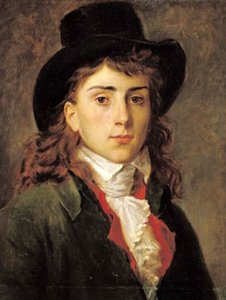
baron gros antoine jean
1771 - 1835
Kratke činjenice
- Artistic Movement Or Style: Romanticism
- Artists Or Movements Influenced By This Artist:
- Eugène Delacroix
- Romanticism
- Artists Who Influenced This Artist:
- Jacques-Louis David
- Jean Auguste Ingres
- Date Of Birth: 1771
- Date Of Death: 1835
- Full Name: Antoine-Jean Gros, Baron Gros
- Nationality: French
- Notable Artworks:
- The Chief of the Mamelukes on Horseback
- Sappho at Leucate
- Les Pestiférés de Jaffa
- Bonaparte at the Pont d'Arcole
- Place Of Birth: France

