

 Pregledaj u prostoru
 Pošalji
 Podeli
 Detalji o delu

 Преузми
 Slični predmeti
 Rendgenski snimak
 Slajdovi
 Statistika
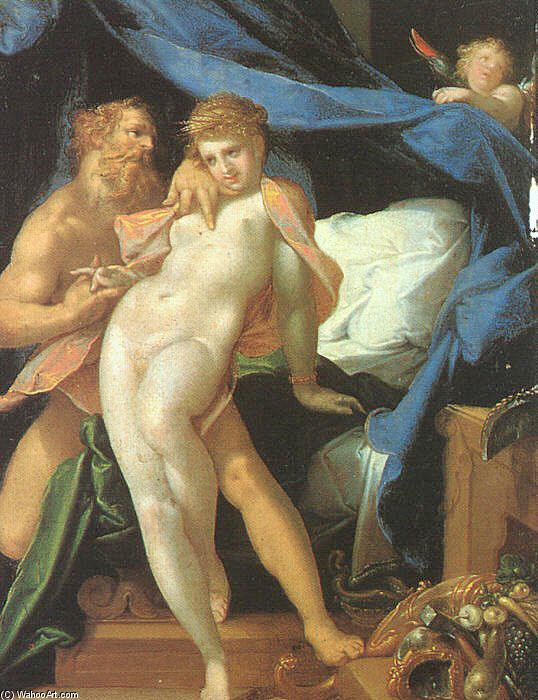
Vulcan and Maia
 1575
1575 23.0 x 18.0 cm
 Kunsthistorisches Museum
 Pročitaj više
Kupite digitalnu sliku visoke rezolucije i poboljšanog kvaliteta, koja je znatno superiornija od onoga što vidite u online prikazu.
Svaka datoteka je pedantno pripremljena od strane naših stručnjaka koristeći napredne alate i profesionalnu ručnu retušu. Osiguravamo da svaka slika ima izuzetnu oštrinu, preciznu reprodukciju boja i fine detalje.
Konačna datoteka se dostavlja putem e-pošte u roku od 72 sata, optimizovana za neposrednu upotrebu u profesionalnim, izdavačkim i štamparskim okruženjima. To je isti kvalitet kojem veruju vrhunski studiji dizajna, izdavači i galerije.
Digitalna slika
Preuzmite datoteku visoke rezolucije za ličnu upotrebu, štampanje i kreativne projekte. ( Pređi na štampu Kupi ručno naslikanu sliku)
Uključeno uz svaku porudžbinu digitalne slike
Profesionalna digitalna isporuka, zagarantovana
Kada odaberete ArtsDot.com, ne dobijate samo sliku – vi primate profesionalno unapređeno digitalno umetničko delo, izrađeno sa najvećom preciznošću i uz garanciju zadovoljstva. Evo svega što automatski dolazi uz vašu porudžbinu:

Brza dostava putem e-pošte
Vaša digitalna slika visoke rezolucije biće vam poslata putem e-pošte u roku od 72 sata od poručivanja – spremna za trenutnu upotrebu.

Digitalna datoteka unapređena veštačkom inteligencijom
Vaše umetničko delo je profesionalno optimizovano korišćenjem naprednih AI alata i ručne obrade, čime se osiguravaju maksimalni detalji, oštrina i preciznost boja.

Besplatna ponovna isporuka doživotno
Slučajno ste obrisali ili izgubili svoju datoteku? Ne brinite – poslaćemo vam je ponovo u bilo kom trenutku, potpuno besplatno.

Bez troškova uvoza – zauvek
Uživajte u svojim umetničkim delima trenutno, bez carine, dažbina ili troškova dostave – digitalni download je uvek bez poreza.

Garancija vernosti boja
Uz pomoć profesionalnih alata i upravljanja bojama, osiguravamo da vaša digitalna slika što vernije odražava originalne boje.

Garancija zadovoljstva od 100 dana
Ako niste zadovoljni svojom digitalnom slikom, izvršićemo reviziju ili ćemo vam vratiti 100% novca u roku od 100 dana – bez ikakvih pitanja.

100% garancija povrata novca
Niste zadovoljni? Dobijte puni povraćaj novca u roku od 100 dana od prijema digitalne datoteke – bez suvišnih pitanja.

Popusti na velike porudžbine
Kupite 3 slike, uštedite 10% - Kupite 5 slika, uštedite 15% - Kupite 10+ slika, uštedite 20%. Odlično za kreativne projekte, galerije i agencije.
The Story Behind the Painting
The painting depicts Vulcan, the god of fire and metalworking, and Maia, an ancient Italian goddess of spring. The scene is set against a dark blue curtain, which adds depth to the composition. Vulcan is shown holding a hammer, while Maia lies on her stomach, adorned with drapery that falls over one shoulder. Symbolism and Narrative are key elements in this painting, as they are in many of Spranger's works. The use of earth tones and the contrast between light and dark create a sense of tension, drawing the viewer's eye to the central figures. The painting is executed in a realistic style, with attention to detail and shading that was characteristic of the Renaissance period.Artistic Style and Technique
Spranger's use of oil on copper technique allows for a level of detail and precision that would be difficult to achieve with other mediums. The painting's small size, measuring only 23 x 18 cm, belies its complexity and beauty. As seen in other works by Spranger, such as those found at the Kunsthistorisches Museum in Vienna, this technique was a hallmark of his style.- View more of Bartholomaeus Spranger's works on ArtsDot.com
- Learn more about the Kunsthistorisches Museum and its collection on Wikipedia
Srodna umetnička dela








Biografija umetnika
Bartholomaeus Spranger: A Master of Sensuality and Northern Mannerism
Bartholomäus Spranger (1546-1611), a name often whispered in the halls of art history, remains a figure of captivating complexity. Born into a trading family in Antwerp, he wasn’t destined for a life of artistic renown initially, yet his innate talent and relentless pursuit of aesthetic excellence propelled him to become one of the most influential artists of the late 16th and early 17th centuries – a master of Northern Mannerism, renowned particularly for his exquisitely rendered nudes and allegorical scenes. Spranger’s legacy isn't simply that of a painter; he was a sculptor, designer, and printmaker, leaving an indelible mark on the artistic landscape of Europe, primarily through the dissemination of his work via meticulously crafted engravings.
His early life offered little indication of the artistic path he would ultimately forge. Initially apprenticed to Jan Mandijn, followed by brief studies with Frans Mostaert and Cornelis van Dalem – masters largely focused on landscape painting – Spranger’s trajectory shifted dramatically when he traveled to Paris in 1565. This period exposed him to the burgeoning influence of Italian Mannerism, particularly the work of Francesco Primaticcio and Niccolò dell'Abate, shaping his understanding of composition, dynamism, and the expressive potential of line. Crucially, it was during this time that he began to develop a distinctive style – one characterized by elongated figures, subtly unsettling smiles, and a remarkable attention to texture and surface detail.
The Imperial Court of Rudolf II
Spranger’s artistic fortunes dramatically altered when he arrived in Prague in 1581, summoned by the Holy Roman Emperor Rudolf II. This appointment proved to be transformative, establishing Spranger as the court painter and a close confidante of the eccentric and intensely discerning ruler. Rudolf II, a passionate collector of art, science, and esoteric knowledge, fostered an environment where artistic experimentation flourished – and where Spranger’s unique brand of Mannerism found its most receptive audience. The emperor's patronage wasn’t merely financial; it was deeply personal, with the two men engaging in lengthy conversations about philosophy, alchemy, and the nature of beauty.
Spranger responded to Rudolf II’s aesthetic preferences by creating a vast body of work that reflected both the emperor’s interests and his own artistic vision. These paintings predominantly featured mythological nudes – often depicted from behind, lending them an air of enigmatic allure – arranged in complex, elegant poses. Alongside these sensual depictions were allegorical scenes, frequently incorporating elements of propaganda designed to glorify Rudolf II's reign. A prime example is *Allegory of the Virtues of Rudolf II*, a monumental work that seamlessly blends eroticism with political messaging, showcasing Bellona (the Roman goddess of war) surrounded by Venus, Amor, Athene and Baccus – emblems representing Hungary and the Croatian river Sava – all reinforcing the message of Rudolf’s secure rule. The emperor's influence extended beyond mere subject matter; he bestowed upon Spranger titles and privileges, solidifying his position as a leading artist in Europe.
A Synthesis of Styles
Spranger’s artistic style was remarkably complex, representing a synthesis of influences from the Netherlands, Italy, and France. He drew heavily on the Roman Mannerists – particularly Parmigianino – adopting their elongated figures, subtle distortions, and emphasis on elegant poses. However, he tempered this Italian influence with the dynamism and expressive quality characteristic of Netherlandish painting. His use of color was often restrained, favoring muted tones and a shimmering, brittle texture that contributed to the otherworldly atmosphere of his works. Furthermore, Spranger’s meticulous attention to detail – particularly in rendering fabrics and skin – set him apart from many of his contemporaries.
His work wasn't confined solely to large-scale paintings; he was also a prolific printmaker, producing hundreds of engravings that disseminated his images throughout Europe. Hendrik Goltzius, one of the most prominent engravers of the era, played a crucial role in popularizing Spranger’s style through his faithful reproductions. This ensured that his art reached a wider audience than would have been possible through direct commissions alone.
Legacy and Influence
Despite his considerable success during his lifetime, Bartholomaeus Spranger's artistic legacy remained somewhat obscured for centuries. However, in recent decades, scholars have increasingly recognized the significance of his work, acknowledging its innovative approach to depicting the human form and its profound influence on subsequent generations of artists. His emphasis on sensuality, combined with a masterful command of technique and composition, continues to resonate today. Spranger’s impact can be seen in the works of Dutch masters such as Rembrandt and Frans Hals, who were undoubtedly influenced by his elegant figures and dramatic lighting. He remains a testament to the power of patronage, artistic experimentation, and the enduring allure of beauty – a true master of Northern Mannerism whose legacy continues to captivate and inspire.
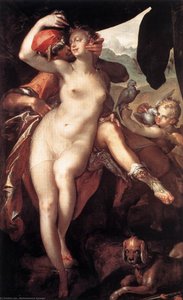
bartholomaeus spranger
1546 - 1611 , Belgium
Kratke činjenice
- Artistic Movement Or Style: Northern Mannerism
- Artists Or Movements Influenced By This Artist: ['Dutch Republic']
- Artists Who Influenced This Artist:
- Parmigianino
- Correggio
- Date Of Birth: March 21, 1546
- Date Of Death: June 27, 1611
- Full Name: Bartholomeus Spranger
- Nationality: Flemish
- Notable Artworks:
- Hermes and Athena
- Allegorie de la Justice
- Place Of Birth: Antwerp, Belgium