

 Pregledaj u prostoru
 Pošalji
 Podeli
 Detalji o delu

 Преузми
 Slični predmeti
 Rendgenski snimak
 Slajdovi
 Statistika
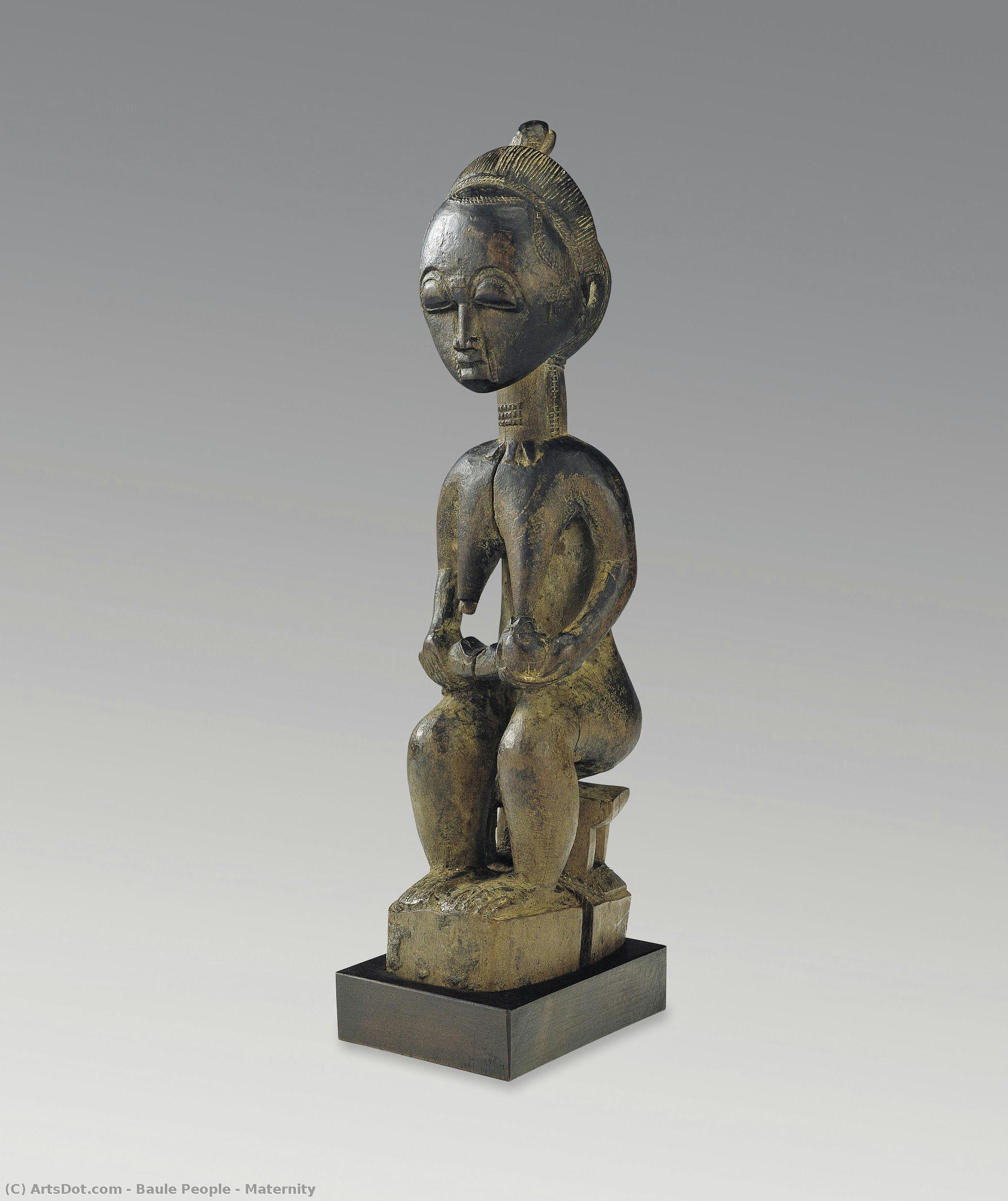
Maternity


 Pročitaj više
Ručno rađena uljana reprodukcija
Ručno oslikano uljanim bojama na platnu u dimenzijama i okviru po vašem izboru, izrađeno po porudžbini od strane naših umetnika. ( Pređi na štampu Pređi na digitalnu sliku)




































Izaberite jednu od naših unapred definisanih veličina koje odgovaraju originalnim proporcijama umetničkog dela.

Можете унети сопствене димензије како бисте прилагодили дело одређеном оквиру или простору. Ако одабрана величина не одговара пропорцијама оригинала, слика ће бити исечена или проширена додатним елементима који се ручно насликавају. Дигитални prikaz ће вам бити послат на одобрење пре почетка производње.
Имајте на уму да преглед на екрану не одражава стварно исецање или проширење. Само приказ (mockup) ће тачно приказати коначну композицију.
Иако су доступне прилагођене величине, препоручујемо да одаберете димензију из дефинисане листе како бисте сачували оригиналне пропорције.
Nakon narudžbine, tim ArtsDot.com će klijentu putem e-pošte poslati uputstva i dostaviti prikaz predloženog rešenja
Isporuka širom sveta () za 3/4 nedelje umesto uobičajenih 5 nedelja. (9 септембар). Bez kompromisa po pitanju kvaliteta.

Besplatna ekspresna dostava širom sveta

Visokokvalitetno laneno platno

Kompletno osiguranje transporta

Garancija povraćaja carine i uvoznih dažbina

Garancija vernosti boja

Politika povraćaja u roku od 100 dana (isključivo u slučaju nedostataka)

Garancija povrata novca od 100%

Popust pri grupnoj kupovini
 Opcija sa staklom dostupna je samo za dimenzije manje od 110 cm

Maternity
Tehnika reprodukcije
Dimenzije reprodukcije
-


Konačna cena
$ 263
Srodna umetnička dela


Biografija umetnika
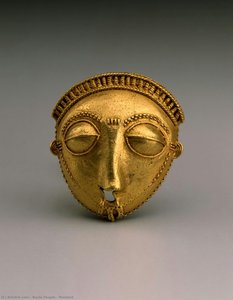
A Legacy of Masks and Spiritual Symbolism
The Baule people, hailing from the heart of central Ivory Coast in West Africa, possess one of the most prolific and sophisticated sculptural traditions on the continent. Their artistic heritage is not merely a collection of objects but a profound visual language deeply intertwined with religious beliefs, primarily centered around ancestor worship and a complex cosmology that governs every facet of daily life. This creative lineage stretches back centuries, shaped by the historic migrations from Ghana and enduring interactions with various external powers. The resulting art reflects a resilient culture that has successfully preserved its distinct identity through periods of significant social change.
< p>According to oral tradition, the Baule people originated in Ghana before embarking on a monumental westward migration around 1730. Led by the legendary Queen Abla Pokou, this journey was driven by necessity as they sought to cross the Komoe River, a perilous trek that ultimately cemented their identity as a unified and determined people. This movement profoundly influenced Baule social organization, fostering a decentralized governance system that prioritizes communal harmony. As they settled in the fertile region between the Bandama and N'Zi rivers—a territory often described as the Baoule “V”—their unique cultural practices and artistic styles began to flourish, creating a distinct aesthetic footprint in West Africa.The Soul in the Wood: Forms and Symbolism
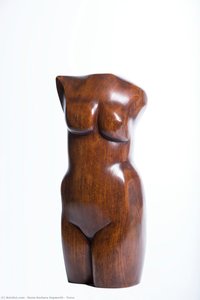
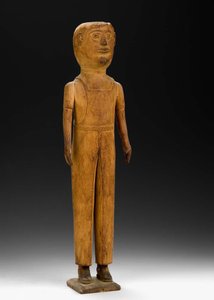
Baule sculpture is celebrated for its remarkable diversity and technical mastery, ranging from monumental statues that honor ancestors to exquisitely detailed masks used in sacred ceremonial rituals. Most of these works are meticulously carved from hardwood, often adorned with intricate geometric patterns and stylized representations of both human and animal forms. Every motif carries a profound symbolic weight, acting as a bridge between the physical world and the spirit realm. The artistry is characterized by a delicate balance of realism and abstraction, where the beauty of the carving serves to honor the spiritual essence within.
A fascinating aspect of Baule sculpture lies in its representation of the unseen. Statuettes often depict asie usu, or spirits of the forest, alongside blolo bian and blolo bla, known as the “spouses of the afterlife.” While these forest spirits are sometimes described as fearsome, artists frequently render them with beautiful, serene features in an attempt to appease their potential wrath. Similarly, the figures representing spirit spouses are sculpted with great care; because the Baule believe that individuals abandon their otherworldly partners at birth, these figurines are crafted exactly as the spouse wishes to be seen. This practice is intended to prevent spiritual grievances that might manifest as illness or misfortune, making the art a vital tool for maintaining cosmic balance.
Ritual Performance and Cultural Significance
The true vitality of Baule art is perhaps most visible during the Goli festival, a centerpiece of ritual performance and communal expression. During these celebrations, masks become living entities, embodying spiritual power and conveying ancestral narratives through dance and movement. The Kple Kple zoomorphic masks and other iconic facial carvings are not merely static museum pieces but active participants in the social fabric, used to communicate with the divine and reinforce the lineage of the community. Through these performances, the Bauet people ensure that their history and spiritual values remain vibrant and accessible to each new generation.
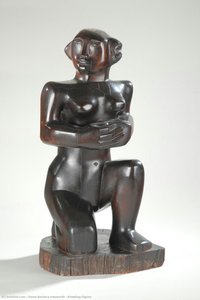
The historical significance of Baule art extends far beyond its original ritual context. The meticulous attention to detail, such as the elongated breasts in maternity figures symbolizing the importance of breastfeeding, and the use of stools to denote high social status, provides a window into the values of a society that prizes fertility, lineage, and hierarchy. Today, this enduring legacy continues to inspire scholars and contemporary artists worldwide, standing as a testament to the power of art to preserve the soul of a people.
baule people
Ivory Coast
Osnovne informacije
- Artistic Movement Or Style: Traditional African Art
- Full Name: Baule People
- Nationality: African
- Notable Artworks:
- Masks
- Sculptures
- Place Of Birth: Ivory Coast
Povezani članci

The Enduring Form: Sculpture Across History, Technique & Emotional Resonance
Explore the rich history of sculpture with ArtsDot. Discover key techniques, influential artists & investment potential for discerning collectors. Expert insights into valuing and collecting timeless masterpieces.

The Enduring Form: Exploring Themes & Techniques in Sculpture Across Historical Periods
Explore the rich history of sculpture from ancient masterpieces to contemporary innovations. Discover key techniques, influential artists & investment potential for discerning art collectors.

Bronze Sculptures That Defined Art History | ArtsDot
Journey through art history with our Top 10 bronze sculptures! Explore masterpieces by Rodin, Michelangelo & more. Discover stories behind iconic statues and find museum-quality reproductions for your home decor at ArtsDot.com.
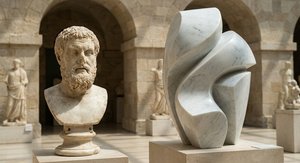
The Enduring Allure of Marble in Art History: From Classical Sculpture to Modern Abstraction
Explore the captivating history of marble sculpture from ancient Greece to modern art. Discover renowned artists like Canova & Michelangelo, carving techniques, and investment insights at ArtsDot.

Bronze Age to Modern Masters: 10 Sculptures That Redefined Art | ArtsDot
Journey through art history with 10 legendary bronze sculptures – from Michelangelo's David to Rodin’s Thinker. Explore the stories, techniques & timeless beauty of these masterpieces. Find museum-quality reproductions & elevate your home decor on ArtsDot.com.