

 Pregledaj u prostoru
 Pošalji
 Podeli
 Detalji o delu

 Преузми
 Slični predmeti
 Rendgenski snimak
 Slajdovi
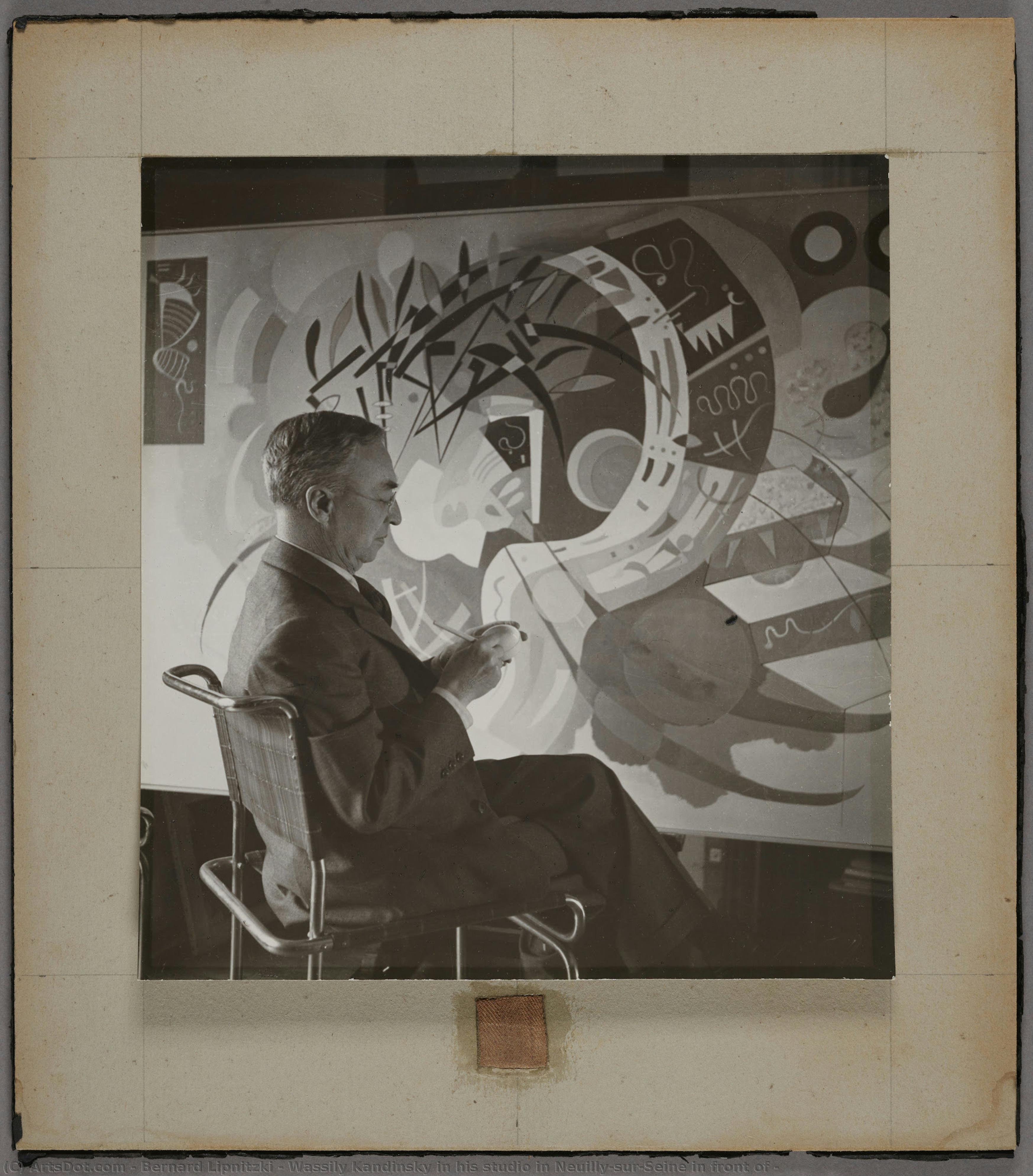
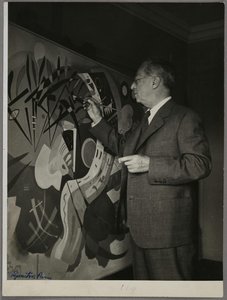
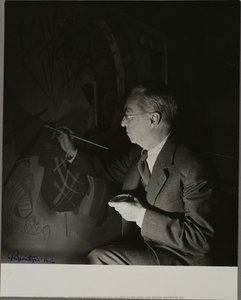
Wassily Kandinsky in his studio in Neuilly-sur-Seine in front of


 Pročitaj više
Ručno rađena uljana reprodukcija
Ručno oslikano uljanim bojama na platnu u dimenzijama i okviru po vašem izboru, izrađeno po porudžbini od strane naših umetnika. ( Kupi print Kupi digitalnu sliku)




































Izaberite jednu od naših unapred definisanih veličina koje odgovaraju originalnim proporcijama umetničkog dela.

Можете унети сопствене димензије како бисте прилагодили дело одређеном оквиру или простору. Ако одабрана величина не одговара пропорцијама оригинала, слика ће бити исечена или проширена додатним елементима који се ручно насликавају. Дигитални prikaz ће вам бити послат на одобрење пре почетка производње.
Имајте на уму да преглед на екрану не одражава стварно исецање или проширење. Само приказ (mockup) ће тачно приказати коначну композицију.
Иако су доступне прилагођене величине, препоручујемо да одаберете димензију из дефинисане листе како бисте сачували оригиналне пропорције.
Nakon narudžbine, tim ArtsDot.com će klijentu putem e-pošte poslati uputstva i dostaviti prikaz predloženog rešenja
Isporuka širom sveta () za 3/4 nedelje umesto uobičajenih 5 nedelja. (7 септембар). Bez kompromisa po pitanju kvaliteta.

Besplatna ekspresna dostava širom sveta

Visokokvalitetno laneno platno

Kompletno osiguranje transporta

Garancija povraćaja carine i uvoznih dažbina

Garancija vernosti boja

Politika povrata u roku od 100 dana (samo u slučaju nedostataka)

Garancija povrata novca od 100%

Popust pri grupnoj kupovini
 Opcija sa staklom dostupna je samo za dimenzije manje od 110 cm

Wassily Kandinsky in his studio in Neuilly-sur-Seine in front of
Tehnika reprodukcije
Dimenzije reprodukcije
-


Konačna cena
$ 263
Srodna umetnička dela





Biografija umetnika
A Life Through the Lens: Bernard Lipnitzki and the Portraits of an Era
Bernard Lipnitzki, born in Paris in 1930, occupies a unique position in the history of twentieth-century photography—not as a creator of a singular, highly stylized aesthetic, but as a remarkably perceptive documentarian of artistic life. His career unfolded not in isolation within a studio, but amidst the vibrant currents of post-war Europe and America, capturing intimate moments with some of the most influential figures of the age. Initially drawn to cinema, Lipnitzki’s early ambition led him to the prestigious French film school IDHEC in 1949; however, fate intervened when he joined his father, Boris Lipnitzki, a renowned photographer celebrated for his portraits of artists and intellectuals, in Venezuela. This relocation proved pivotal, laying the foundation for Bernard's own photographic journey.Inherited Vision, Independent Voice
Boris Lipnitzki’s legacy loomed large, but young Bernard quickly forged his own path. His father’s studio provided invaluable technical training—mastering the intricacies of shooting, developing, and printing—but it was a desire to move beyond the established conventions of theatre portraiture that propelled him forward. He served as a regiment photographer during his military service in Germany, honing his skills further before returning to Paris and immersing himself in the world of photojournalism. His early work for publications like “France Dimanche” saw him photographing figures such as Céline, Sagan, Dalí, and Audrey Hepburn—a diverse array of personalities that hinted at a burgeoning talent for capturing not just likenesses, but the essence of his subjects. This period was characterized by an immediacy and directness, a willingness to engage with the complexities of post-war French society.Chronicler of Artistic Movements
Lipnitzki’s career truly blossomed in the 1950s and 60s as he became a sought-after photographer for magazines like “Jours de France” and later, through freelance work in the United States. He documented pivotal moments—the unrest of May 13, 1958 in Paris, De Gaulle’s visit to Algeria—but it was his portraits that distinguished him. He possessed an uncanny ability to create a sense of intimacy with his subjects, revealing their vulnerabilities and intellectual energy. His iconic photograph of Wassily Kandinsky in his studio, for example, is not merely a depiction of the artist; it’s a glimpse into his creative process, a visual meditation on abstraction itself. Similarly, his portrait of Salvador Dalí, captured in Paris in 1956, embodies the surrealist master's flamboyant personality and enigmatic aura. These images weren’t simply assignments; they were encounters with artistic minds, translated into compelling photographic narratives.A Legacy Preserved: Roger-Viollet and Beyond
While Lipnitzki enjoyed a successful career as both an advertising and reportage photographer until 1995, it is his earlier work—the portraits of artists and intellectuals—that has secured his place in photographic history. The acquisition of a significant portion of his archive by Roger-Viollet in the late 1980s ensured the preservation and wider dissemination of his images. Roger-Viollet’s exclusive distribution of these works allows contemporary audiences to appreciate Lipnitzki's unique contribution to visual culture. His photographs offer a rare window into the artistic landscape of the mid-20th century, providing invaluable insights into the lives and creative worlds of some of its most important figures. He wasn’t simply taking pictures; he was building a visual record of an era—a testament to the power of photography to capture not just what is seen, but what is felt, understood, and remembered.
bernard lipnitzki
1930 - , France
Osnovne informacije
- Artistic Movement Or Style: Portrait Photography
- Date Of Birth: 1930
- Full Name: Bernard Lipnitzki
- Nationality: French
- Notable Artworks:
- Wassily Kandinsky in his studio
- Salvador Dalí portrait
- Place Of Birth: Paris, France