

 Pošalji
 Podeli
 Detalji o delu

 Преузми
 Slični predmeti
 Slajdovi
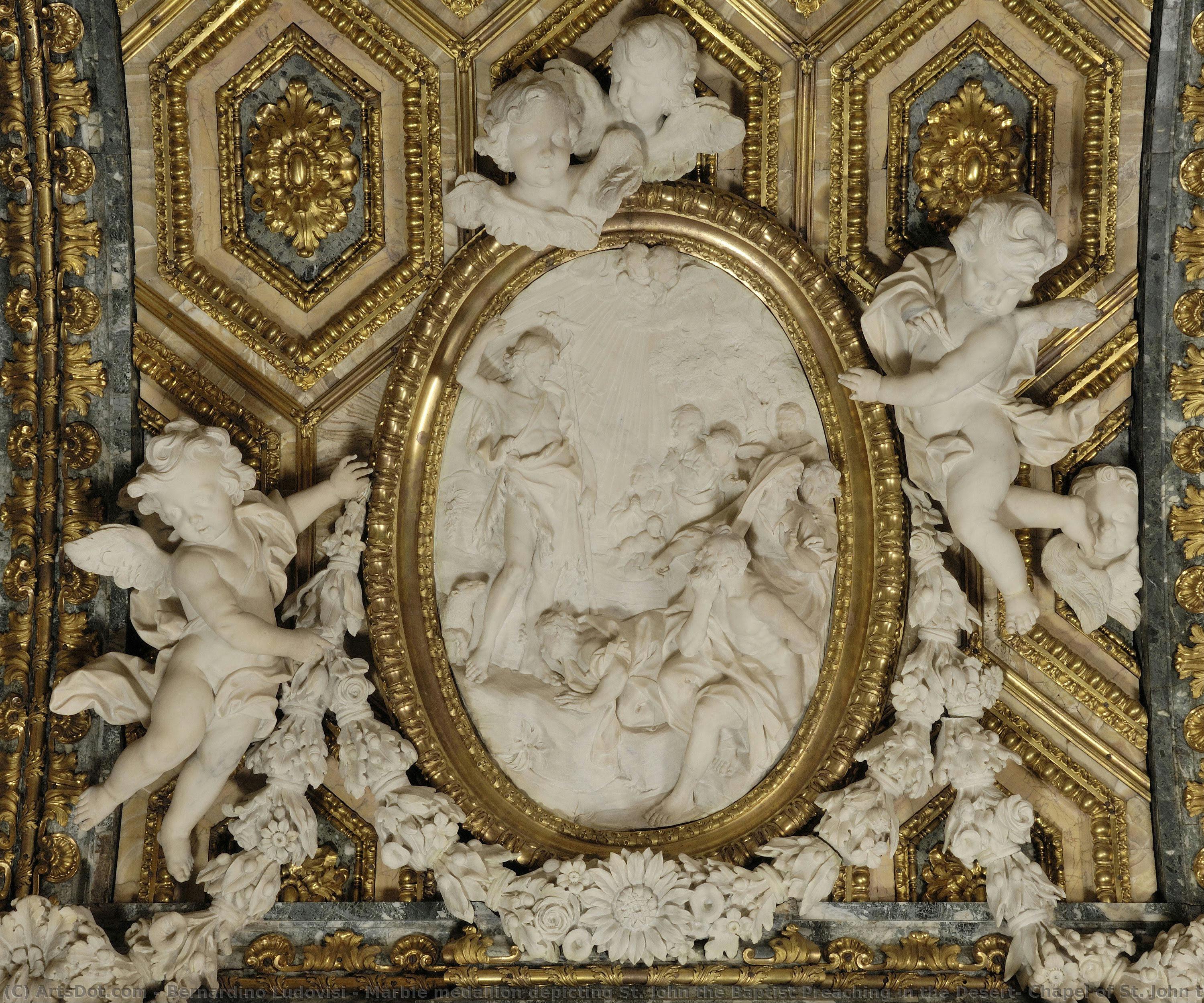
Marble medallion depicting St. John the Baptist Preaching in the Desert, Chapel of St. John the Baptist


 Pročitaj više
Ručno rađena uljana reprodukcija
Ručno oslikano uljanim bojama na platnu u dimenzijama i okviru po vašem izboru, izrađeno po porudžbini od strane naših umetnika. ( Kupi print Kupi digitalnu sliku)




































Izaberite jednu od naših unapred definisanih veličina koje odgovaraju originalnim proporcijama umetničkog dela.

Можете унети сопствене димензије како бисте прилагодили дело одређеном оквиру или простору. Ако одабрана величина не одговара пропорцијама оригинала, слика ће бити исечена или проширена додатним елементима који се ручно насликавају. Дигитални prikaz ће вам бити послат на одобрење пре почетка производње.
Имајте на уму да преглед на екрану не одражава стварно исецање или проширење. Само приказ (mockup) ће тачно приказати коначну композицију.
Иако су доступне прилагођене величине, препоручујемо да одаберете димензију из дефинисане листе како бисте сачували оригиналне пропорције.
Nakon narudžbine, tim ArtsDot.com će klijentu putem e-pošte poslati uputstva i dostaviti prikaz predloženog rešenja
Isporuka širom sveta () za 3/4 nedelje umesto uobičajenih 5 nedelja. (23 август). Bez kompromisa po pitanju kvaliteta.

Besplatna ekspresna dostava širom sveta

Visokokvalitetno laneno platno

Kompletno osiguranje transporta

Garancija povraćaja carine i uvoznih dažbina

Garancija vernosti boja

Politika povrata u roku od 60 dana (samo u slučaju nedostataka)

Garancija povrata novca od 100%

Popust pri grupnoj kupovini
 Opcija sa staklom dostupna je samo za dimenzije manje od 110 cm

Marble medallion depicting St. John the Baptist Preaching in the Desert, Chapel of St. John the Baptist
Tehnika reprodukcije
Dimenzije reprodukcije
-


Konačna cena
$ 263
Opis umetničkog dela
A Celestial Vision in Marble and Gold
In the hallowed quietude of the Chapel of St. John the Baptist, there exists a fragment of divine revelation captured in stone and light. The Marble medallion depicting St. John the Baptist Preaching in the Desert is not merely a decorative element, but a profound window into the spiritual fervor of the mid-eighteenth century. Created around 1750 by the Roman master Bernardino Ludovisi, this exquisite piece presents a central scene of prophetic intensity, framed within a luminous gold background that seems to radiate an eternal, heavenly glow. The composition draws the eye inward toward the marble medallion, where the rugged reality of the desert meets the ethereal grace of the celestial realm.
The artistry of Ludovisi shines through in the delicate interplay between the permanence of marble and the fluid movement of the surrounding figures. As one gazes upon the work, a host of angels descends from the heavens, their forms positioned with a rhythmic elegance that guides the viewer's soul toward the central figure of the Baptist. The presence of tender cherubs, peering from the periphery, adds a layer of innocent sweetness to the otherwise solemn scene, creating a balanced emotional landscape that oscillates between awe and intimacy. This mastery of composition ensures that the piece serves as a captivating focal point for any space, offering a sense of profound peace and historical depth.
The Mastery of Ludovisi: A Fusion of Naturalism and Mannerism
To understand the technical brilliance of this medallion, one must look to the unique stylistic lineage of Bernardino Ludovisi. An artist deeply rooted in the Roman tradition, Ludovisi possessed the rare ability to synthesize the restrained naturalism of Leonardo da Vinci and Raphael with the dramatic, almost artificial elegance characteristic of Mannerism. In this work, we see the fruits of that synthesis: the anatomical precision of the figures reflects a deep respect for nature, yet their arrangement possesses a sophisticated, stylized grace reminiscent of Michelangelo or El Greco.
The technique employed in the marble carving demonstrates an extraordinary command over texture and light. The sculptor has managed to imbue the cold stone with a sense of breath and vitality, making the desert scene feel palpable. For the discerning collector or interior designer, this piece represents more than just a reproduction of a historical relic; it is an invitation to bring the intellectual sophistication of the Italian Baroque into a contemporary setting. Whether placed in a grand library or a curated gallery space, the medallion acts as a conversation piece that bridges the gap between the classical past and modern aesthetic sensibilities.
Symbolism and the Eternal Call
Beyond its physical beauty, the medallion carries a heavy weight of symbolic meaning. St. John the Baptist, the precursor to Christ, stands as a symbol of preparation, repentance, and the voice crying out in the wilderness. The desert setting serves as a metaphor for spiritual solitude and the stripping away of worldly distractions to find truth. By surrounding this rugged scene with gold and angelic beings, Ludovisi elevates the earthly struggle of the saint into a cosmic event, suggesting that even in the most desolate landscapes, the divine is ever-present.
For those seeking to decorate a space with art that inspires contemplation, this piece offers an unparalleled emotional impact. It evokes a sense of timelessness and reverence, making it an ideal choice for environments designed for reflection, such as study halls, private chapels, or luxury residential suites. Owning a high-quality reproduction of such a masterpiece allows one to inhabit a world of beauty and devotion, surrounding oneself with the enduring legacy of Roman sculptural excellence.
Srodna umetnička dela
![Life Of St John The Evangelist - [01] - St John On Patmos — Đijoto Di Bondone, Early Renaissance](/media/artworks/images-thumb/6e/49/6e49d55b6f8149eba22f9e0a7e269655.jpg)
Biografija umetnika
early life and career
bernardino ludovisi, also known as bernardo, was an italian sculptor born in rome in 1693. he spent most, if not all, of his career in rome, exemplifying a working sculptor of the mid-eighteenth century.notable works and style
ludovisi is best known for his statue of st. john the baptist preaching in the desert, created in 1750 for the chapel of st. john the baptist. this masterpiece showcases his skill in capturing the essence of religious figures, reflecting the intellectual sophistication characteristic of mannerism.artistic influences and contributions
- ludovisi's work was influenced by the restrained naturalism of leonardo da vinci and raphael, yet he also embodied the more artificial qualities of mannerism, as seen in the works of michelangelo and el greco.
- his contributions to the development of italian sculpture are evident in his marble sculptures, which blend simplicity and sophistication, paving the way for numerous modernist sculptors.
legacy and remembrance
despite passing away in 1749, ludovisi's legacy lives on through his notable works, including st. john the baptist preaching in the desert. this piece is a testament to his skill as a sculptor and his significant contribution to italian art.explore more of bernardino ludovisi's work
- visit ArtsDot's bernardino ludovisi page for more information on his life and works.
- discover other italian artists, such as luigi broggini, known for his marble sculptures that blend simplicity and sophistication.
- learn more about the mannerism art movement and its influence on italian sculpture.
related artworks and artists
- michelangelo buonarroti: risen christ (santa maria sopra minerva, rome, italy, marble)
- gregorio di lorenzo di giovanni: blessing pilgrim christ (biennale internazionale dell'antiquariato di firenze, florence, italy, sculpture)
- gregorio di lorenzo di giovanni: blessing pilgrim christ
- luigi broggini: a renowned italian sculptor known for his marble sculptures.
bernardino ludovisi
1693 - 1749 , Italy
Osnovne informacije
- Artistic Movement Or Style: Genre, Portraiture
- Artists Or Movements Influenced By This Artist: ['Anthony van Dyck']
- Artists Who Influenced This Artist: ['Rembrandt']
- Date Of Birth: January 1634
- Date Of Death: December 1693
- Full Name: Nicolaes Maes
- Nationality: Dutch
- Notable Artworks:
- Still life with nautilus beaker
- Pronkstilleven
- Place Of Birth: Dordrecht, Netherlands
Povezani članci

25 Remek-dela Džona Konstebla: Lepota Engleske na Platnu | ArtsDot
Uronite u svet Džona Konstebla! Otkrijte 25 remek-dela engleskog pejzaža, romantizma i seoske idile. Kupite reprodukcije slika vrhunskog kvaliteta za dekoraciju enterijera na ArtsDot.com.

25 Remek-dela Džona Singera Sargenta: Portreti Elegancije i Svetlosti | ArtsDot
Uronite u svet Džona Singera Sargenta! Otkrijte 25 remek-dela impresionizma i realizma, od portreta Madame X do fascinantnih akvarela. Inspiracija za dekoraciju enterijera & luksuzne reprodukcije slika na ArtsDot.com.
Golden Glow: How to Use Metallic Gold Artworks to Elevate Your Home Decor with Timeless Luxury
Discover how to elevate your home with the timeless elegance of metallic gold artworks. From sculptural metal pieces to gilded oil paintings, learn expert interior design tips for integrating luxurious gold accents into your space with sophistication and grace.
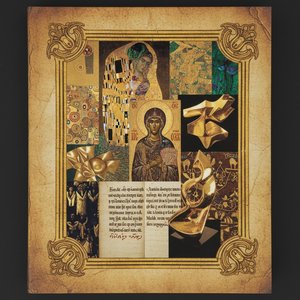
The Allure of Gold in Art History: Symbolism, Technique & Cultural Significance
Explore the rich history of gold in art! Discover symbolism, techniques & cultural significance from ancient civilizations to Klimt's masterpieces. Expert insights for collectors at ArtsDot.

El Greco: 25 Remek-dela koji definišu Viziju i Duh (Reprodukcije za vaš Dom)
Istražite 25 remek-dela El Greka! Otkrijte priče iza njegovih ikoničnih slika, baroknog stila i duboke spiritualnosti. Reprodukcije vrhunskog kvaliteta za vaš dom na ArtsDot.com.

