

 Pregledaj u prostoru
 Pošalji
 Podeli
 Detalji o delu

 Преузми
 Slični predmeti
 Rendgenski snimak
 Slajdovi
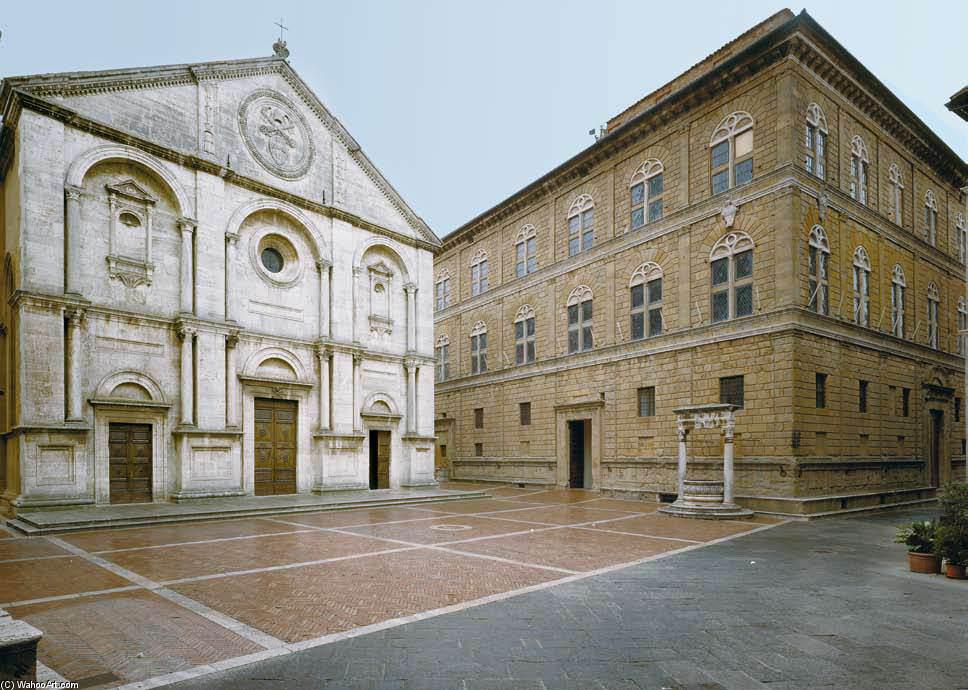
Cathedral and Palazzo Piccolomini


 Pročitaj više
Ručno rađena uljana reprodukcija
Ručno oslikano uljanim bojama na platnu u dimenzijama i okviru po vašem izboru, izrađeno po porudžbini od strane naših umetnika. ( Kupi print Kupi digitalnu sliku)




P118B $10

P118H $10

P118W $10

P438Z $10

P508JH $12

P508YH $12

P805H $10

P805Z $10

P919BZ $10

P919G $10

P919XJ $10

P959ZH $10

P968JZ $12

W106C $8

W218G $10

W218JH $8

W218Y $10

W307PJ $10

W316G $10

W316PJ $8

W316Y $10

W398PJ $8

W4111J $10

W500HY $15

W500JH $15

W692G $12

W849H $8

W940BG $15

W953PJ $8




Izaberite jednu od naših unapred definisanih veličina koje odgovaraju originalnim proporcijama umetničkog dela.

Можете унети сопствене димензије како бисте прилагодили дело одређеном оквиру или простору. Ако одабрана величина не одговара пропорцијама оригинала, слика ће бити исечена или проширена додатним елементима који се ручно насликавају. Дигитални prikaz ће вам бити послат на одобрење пре почетка производње.
Имајте на уму да преглед на екрану не одражава стварно исецање или проширење. Само приказ (mockup) ће тачно приказати коначну композицију.
Иако су доступне прилагођене величине, препоручујемо да одаберете димензију из дефинисане листе како бисте сачували оригиналне пропорције.
Nakon narudžbine, tim ArtsDot.com će klijentu putem e-pošte poslati uputstva i dostaviti prikaz predloženog rešenja
Isporuka širom sveta () za 3/4 nedelje umesto uobičajenih 5 nedelja. (6 септембар). Bez kompromisa po pitanju kvaliteta.

Besplatna ekspresna dostava širom sveta

Visokokvalitetno laneno platno

Kompletno osiguranje transporta

Garancija povraćaja carine i uvoznih dažbina

Garancija vernosti boja

Politika povrata u roku od 100 dana (samo u slučaju nedostataka)

Garancija povrata novca od 100%

Popust pri grupnoj kupovini
 Opcija sa staklom dostupna je samo za dimenzije manje od 110 cm

Cathedral and Palazzo Piccolomini
Tehnika reprodukcije
Dimenzije reprodukcije
-


Konačna cena
$ 263
Bernardo Rossellino: Cathedral and Palazzo Piccolomini – A Renaissance Vision
The Piazza Pio II in Pienza stands as a testament to papal ambition and artistic innovation, dominated by the magnificent Duomo Cathedral and its adjacent Palazzo Piccolomini—a project spearheaded by Bernardo Rossellino, arguably Florence’s most influential architect of the second half of the fifteenth century. More than just buildings; they embody the humanist ideals that swept across Europe during the Renaissance, reflecting a profound desire to recapture the grandeur and harmony of classical antiquity while simultaneously elevating Christian faith. Rossellino's vision for Pienza wasn’t merely about constructing structures; it was about crafting an urban space designed to inspire contemplation and reinforce papal authority. Commissioned by Pope Pius II—originally Enea Silvio Piccolomini—the palazzo served as a focal point for civic life, mirroring the architectural principles championed by Leon Battista Alberti and embodying the spirit of Florentine Renaissance design. Its façade, conceived with meticulous attention to proportion and symmetry, utilizes Tuscan marble – a deliberate choice signifying stability and prestige – echoing monumental Roman temples. The intricate detailing, including sculpted reliefs depicting biblical scenes and papal emblems, speaks directly to the spiritual aspirations of the era.Architectural Style & Technique: Classical Revival Meets Florentine Tradition
Rossellino’s approach was firmly rooted in classical ideals yet tempered by the stylistic conventions established in Florence during Alberti's time. He skillfully blended elements of Roman triumphal arches with Florentine Gothic refinements, creating a harmonious fusion that distinguishes itself from other contemporary buildings. The palazzo’s walls are constructed using ashlar masonry—carefully dressed blocks of stone—a technique favored for its durability and aesthetic appeal. Columns adorned with Corinthian capitals – characteristic of classical architecture – dominate the façade, providing structural support while elevating the visual impact. Furthermore, Rossellino employed innovative building techniques to achieve a remarkable level of precision and elegance, demonstrating mastery over materials and craftsmanship.Symbolism & Context: Pius II’s Ideal City
The Palazzo Piccolomini is inextricably linked to the broader project undertaken by Pius II to transform Corsignano into Pienza—a deliberate effort to establish a papal seat worthy of his stature and to embody the humanist vision of an ideal city. The palazzo's design reflects this aspiration, prioritizing clarity, order, and harmony – qualities considered paramount in classical thought. The incorporation of papal emblems and heraldry underscores Pius II’s desire to assert papal dominance and proclaim his piety. Moreover, the piazza itself—laid out with red brick—serves as a symbolic representation of Roman urban planning, reinforcing the palazzo's role as a centerpiece of civic pride and spiritual contemplation.Emotional Impact & Legacy: A Monument to Human Potential
Standing today amidst the Tuscan hills, Palazzo Piccolomini continues to inspire awe and admiration for its beauty and sophistication. Its soaring façade, bathed in sunlight, evokes a sense of grandeur and timelessness—a palpable reminder of the Renaissance’s belief in human potential and its commitment to reviving classical artistic traditions. Bernardo Rossellino's masterpiece stands as an enduring symbol of Florentine ingenuity and papal patronage, securing his place among the greatest architects of his time and cementing Pienza’s reputation as a beacon of humanist culture. Its influence can be seen in subsequent architectural projects throughout Italy and beyond—a testament to Rossellino’s profound contribution to the artistic landscape of Europe.Srodna umetnička dela
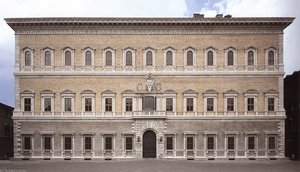
Biografija umetnika
Bernardo Rossellino: The Florentine Renaissance Architect
Bernardo di Matteo del Borra Gamberelli, affectionately known as Bernardo Rossellino (1409–1464), stands as a cornerstone of Early Renaissance art and architecture in Florence. His legacy extends far beyond his prolific output; he embodies the spirit of innovation and humanist ideals that defined the era, shaping artistic sensibilities for generations to come. Born into a family rooted in Florentine stonemasonry—his uncle Jacopo di Domenico di Luca del Borra Gamberelli imparted foundational skills—Rossellino’s trajectory mirrored the burgeoning dynamism of his time.- Early Life and Training: Little is known about Rossellino's formative years beyond his familial connection to stonemasonry. However, evidence suggests he honed his craft under Nanni di Bartolo, “il Rosso,” a pivotal figure in Florentine sculpture who championed classical ideals.
- The Influence of Brunelleschi and Masaccio: Like many artists of his generation, Rossellino absorbed the revolutionary aesthetic pioneered by Filippo Brunelleschi and Masaccio. Their embrace of linear perspective and idealized human form profoundly impacted Rossellino’s artistic vision—a conviction that would permeate his subsequent endeavors.
Arezzo and the Misericordia Facade: A Bold Experiment in Synthesis
Rossellino's career gained prominence in 1433 when he accepted a commission from the Fraternita di Santa Maria della Misericordia to revitalize the façade of their headquarters in Arezzo. This project presented an extraordinary challenge—the existing Gothic structure demanded a radically different approach. Demonstrrating remarkable ingenuity, Rossellino fused Gothic elements with classical principles, mirroring Alberti’s pioneering efforts at Santa Maria Novella. The resulting design incorporated paired pilasters and aediculae derived from Roman architectural models, establishing Rossellino as a champion of stylistic eclecticism—a hallmark of the Florentine Mannerist style.The Leonardo Bruni Tomb: Defining the Humanist Monument
Perhaps Rossellino’s most celebrated achievement was the tomb he conceived for Leonardo Bruni, Florence's humanist historian and chancellor. Despite the lack of surviving documentation regarding its precise design—two sixteenth-century sources attribute authorship to Rossellino—scholars concur that it exemplifies the zenith of Renaissance sculptural artistry. The tomb’s harmonious composition—characterized by a shallow wall niche framed by pilasters and topped with an arched vault—reflected Bruni's intellectual pursuits and embodied the humanist ideal of unity—a concept championed by Alberti.Rome and Papal Patronage: Mastering Classical Revival
Rossellino’s artistic reputation soared during his tenure in Rome under Pope Nicholas V. He undertook monumental projects, including the restoration of St. Peter's Basilica and the expansion of its choir—tasks that cemented his position as a leading architect of the era. Furthermore, he collaborated with Michelangelo on the rebuilding of St. Peter's, demonstrating an unparalleled understanding of classical architectural techniques.Legacy and Influence
Bernardo Rossellino’s workshop dominated Florentine stonemasonry throughout the 1450s and 1460s, fostering a vibrant artistic environment. His influence extended beyond his own creations—he mentored younger sculptors like Desiderio da Settignano and Michelangelo—propagating his distinctive Mannerist style across Florence. Most notably, Rossellino’s tomb for Bruni served as a template for subsequent funerary monuments, establishing him as the progenitor of the humanist tomb tradition—a testament to his enduring contribution to Renaissance art history.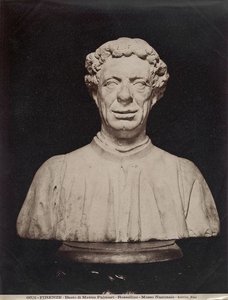
Bernardo Rossellino
1409 - 1464 , Italy
Osnovne informacije
- Artistic Movement Or Style: Early Renaissance
- Artists Or Movements Influenced By This Artist: ['Alberti']
- Artists Who Influenced This Artist:
- Brunelleschi
- Donatello
- Ghiberti
- Masaccio
- Date Of Birth: Florence, Italy (1409)
- Date Of Death: 1464
- Full Name: Bernardo di Matteo del Borra Gamberelli
- Nationality: Italian
- Notable Artworks:
- Leonardo Bruni Tomb
- Madonna of Mercy Relief
- Cardinal Portugal Tomb
- Place Of Birth: Florence
Povezani članci
Giulio Romano: A Master of Mannerism & the Palazzo Te Legacy
Explore the revolutionary art of Giulio Romano, master of Mannerism & architect of Palazzo Te. Discover his influence, investment potential, and stunning frescoes – a guide for discerning collectors.

John Francis Sartorius II: Equestrian Elegance & the Rise of British Portraiture
Explore the captivating world of Francis Sartorius II (1734-1804), a leading British painter renowned for his exquisite equestrian portraits and hunting scenes. Discover his life, techniques & enduring legacy.
Bernardo Bellotto: Canaletto's Nephew & Master of Veduta Painting – A Comprehensive Exploration
Explore the life & art of Bernardo Bellotto, Canaletto’s nephew and a master of veduta painting. Discover his stunning cityscapes of Dresden & Warsaw, artistic techniques, and lasting legacy. Expert insights for collectors.

Titian Ramsay Peale II: A Legacy of Botanical Precision & Artistic Innovation
Explore the life & art of Titian Ramsay Peale II, a master of botanical precision and wildlife painting. Discover his legacy bridging art & natural history at ArtsDot.
David Teniers II: Master of Flemish Genre & Social Commentary
Explore the captivating world of David Teniers II, a leading Flemish Baroque painter renowned for his lively genre scenes & insightful social commentary. Discover his masterpieces and legacy with ArtsDot.