

 Pregledaj u prostoru
 Pošalji
 Podeli
 Detalji o delu

 Преузми
 Slični predmeti
 Rendgenski snimak
 Slajdovi
 Statistika
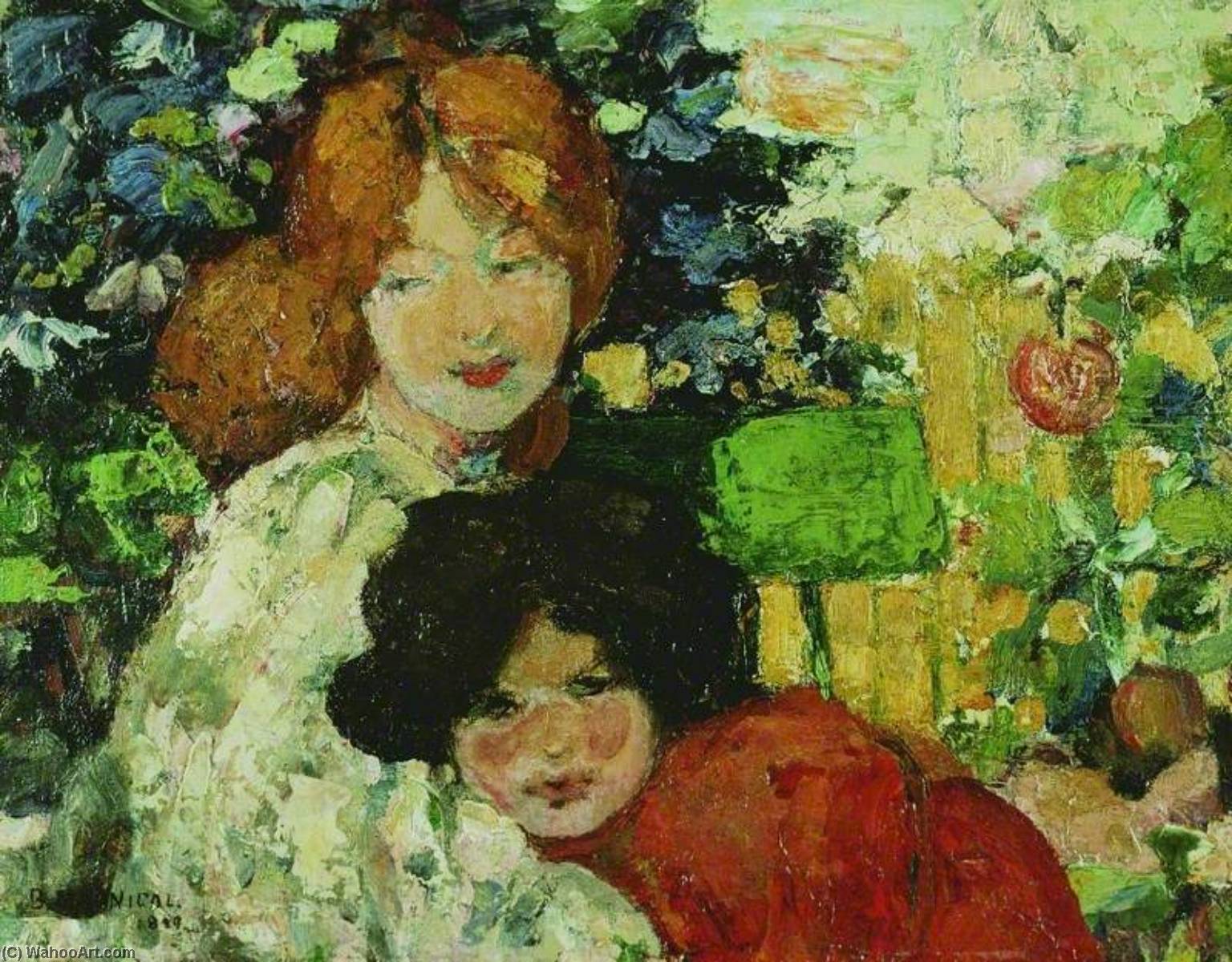
Two Sisters (Mother and Daughter)
 Oil
Oil- WallArt
- Impressionism
 1899
1899- 19th Century
 28.0 x 37.0 cm
 Ferens Art Gallery
 Pročitaj više
Giclee štampa / Umetnički otisak
Giclée štampa ili print na platnu muzejskog kvaliteta uz brzu proizvodnju i fleksibilne opcije završne obrade. ( Kupi ručno naslikanu sliku Pređi na digitalnu sliku)




P118B $10

P118H $10

P118W $10

P438Z $10

P508JH $12

P508YH $12

P805H $10

P805Z $10

P919BZ $10

P919G $10

P919XJ $10

P959ZH $10

P968JZ $12

W106C $8

W218G $10

W218JH $8

W218Y $10

W307PJ $10

W316G $10

W316PJ $8

W316Y $10

W398PJ $8

W4111J $10

W500HY $15

W500JH $15

W692G $12

W849H $8

W940BG $15

W953PJ $8




Izaberite jednu od naših unapred definisanih veličina koje odgovaraju originalnim proporcijama umetničkog dela.

Možete uneti sopstvene dimenzije kako biste umetničko delo prilagodili specifičnom okviru ili prostoru. Ako odabrani format ne odgovara proporcijama originalne slike, mi ćemo ili iscrtati deo dela ili proširiti sliku pomoću ogledane ivice ili jednobojnog popunjavanja. Digitalni prikaz će vam biti poslat na odobrenje pre početka proizvodnje.
Imajte na umu da pregled na ekranu ne odražava stvarno iscrtavanje ili proširivanje. Samo će prikaz (mockup) precizno pokazati finalnu kompoziciju.
Iako su prilagođene dimenzije dostupne, preporučujemo da odaberete dimenziju sa unapred definisane liste kako biste očuvali originalne proporcije.
Dostava širom sveta () za 2 nedelje umesto uobičajenih 4/5 nedelja. (9 септембар)

Besplatna ekspresna dostava širom sveta

Visokokvalitetno laneno platno

Kompletno osiguranje transporta

Garancija povraćaja carine i uvoznih dažbina

Garancija vernosti boja

Politika povraćaja u roku od 100 dana (isključivo u slučaju nedostataka)

Garancija povrata novca od 100%

Popust pri grupnoj kupovini
 Opcija sa staklom dostupna je samo za dimenzije manje od 110 cm

Two Sisters (Mother and Daughter)
Giclee štampa / Umetnički otisak
Dimenzije reprodukcije
-


Konačna cena
$ 62
A Tender Encounter in Color
In the delicate brushstrokes of Bessie MacNicol’s 1899 masterpiece, Two Sisters (Mother and Daughter), we are invited into a private, quiet moment of familial devotion. The painting captures a profound connection between two figures—a mother and her child—standing in intimate proximity against a backdrop of nature's bounty. There is an undeniable warmth that radiates from the canvas, as the woman on the left draws the young girl close, creating a sense of protection and enduring love. This is not merely a portrait of two individuals, but a study of the invisible threads of affection that bind generations together. The composition is anchored by the presence of a fruiting tree, where scattered apples serve as vibrant punctuation marks across the scene, suggesting themes of fertility, growth, and the sweetness of life.
The technique employed by MacNicol reflects her deep connection to the Impressionist spirit and the influence of the Barbizon school. Rather than focusing on rigid, photographic realism, she utilizes a soft, atmospheric approach that allows light to dance across the subjects' forms. The way the light filters through the foliage and illuminates the skin tones creates a luminous quality, making the scene feel as though it were captured in a fleeting, golden moment of a summer afternoon. For the discerning collector or interior designer, this piece offers a sophisticated balance of texture and light, making it an ideal centerpiece for spaces that require a sense of tranquility and organic elegance.
The Legacy of the Glasgow Girls
To understand the emotional depth of this work, one must look toward the historical context of the artist herself. Bessie MacNicol was a prominent figure among the Glasgow Girls, a group of female artists at the turn of the 20th century who challenged the era's gender norms through their progressive and highly skilled approach to plein air painting and portraiture. Her life, though tragically short, was marked by an intense sensitivity to her surroundings—a trait that is palpable in the way she renders the natural world. The subtle interplay between the figures and the surrounding orchard speaks to a larger dialogue about the harmony between humanity and nature.
For those looking to adorn a home with art that tells a story, this reproduction offers more than just visual beauty; it provides a window into a lost era of Scottish Impressionism. The symbolism of the apples—often representing both temptation and the abundance of the earth—adds a layer of intellectual richness to the painting's sentimental core. Whether placed in a sunlit nursery or a refined study, Two Sisters (Mother and Daughter) serves as a timeless reminder of the beauty found in life's most quiet, nurturing connections.
Srodna umetnička dela
Biografija umetnika
A Fleeting Glimpse: The Life and Art of Bessie MacNicol
The name Bessie MacNicol resonates softly within the annals of late 19th-century Scottish painting, a whisper of talent tragically cut short. Born Elizabeth MacNicol in Glasgow on July 5, 1869, her life spanned just thirty-four years, yet within that brief period she carved out a significant place for herself amongst the progressive artists known as the Glasgow Girls. Her story is one of artistic promise nurtured by a supportive environment, tempered by personal struggles, and ultimately overshadowed by untimely loss – a narrative that adds poignancy to her delicate and evocative canvases. Growing up in a household marked by both intellectual stimulation—her father was a teacher and school principal—and sorrow, as several siblings succumbed to illness in infancy, Bessie developed a sensitivity that would profoundly inform her artistic vision. A predisposition to allergies meant summers were often spent indoors, perhaps fostering an introspective nature that found expression through the careful observation of light and form.From Glasgow School to Parisian Studios
MacNicol’s formal artistic journey began at the Glasgow School of Art in 1887, a pivotal institution then brimming with creative energy under the guidance of Francis Henry Newbery. It was Newbery who championed her talent and encouraged her to broaden her horizons by studying in Paris at the Académie Colarossi in 1892-1893. This opportunity was particularly noteworthy for a woman artist of the time, as it allowed access to training alongside male peers – a relatively new prospect. However, MacNicol found the Parisian experience less than inspiring, feeling stifled rather than encouraged by the prevailing atmosphere. Despite this disappointment, her time abroad undoubtedly exposed her to new artistic currents and solidified her commitment to pursuing painting professionally. Upon returning to Scotland, she established a studio in Glasgow, ready to forge her own path within the vibrant art scene of the city.Impressionistic Sensibilities and Scottish Light
MacNicol’s artistic style was a compelling synthesis of various influences. She embraced the *plein air* tradition championed by the Barbizon School, prioritizing direct observation of nature and capturing its fleeting effects. This approach is evident in her landscapes, which are imbued with a sense of immediacy and atmospheric realism. Simultaneously, she drew inspiration from the tonal harmonies and subtle color palettes of James McNeill Whistler, as well as the innovative spirit of her contemporaries within the Glasgow Boys movement, notably Edward Atkinson Hornel, whom she would later portray in a striking portrait during a sojourn in Kirkcudbright. Her paintings are characterized by a masterful command of color, light, and texture, creating canvases that shimmer with life. MacNicol’s portraits, in particular, stand out for their solid composition and psychological depth, revealing her ability to capture not just likeness but also the inner lives of her subjects. Critics praised her “dextrous touch and expressive colour,” drawing comparisons to Berthe Morisot – a testament to her skill and sensitivity. She frequently depicted young women posed outdoors, bathed in dappled sunlight filtering through leaves, creating distinctive patterns of light and shadow that define much of her oeuvre.A Legacy Interrupted
MacNicol’s career reached its peak with exhibitions at the Royal Scottish Academy, the Royal Glasgow Institute, and even international venues like the Munich Secession. Her marriage to Alexander Frew, a physician and artist, in 1899 brought personal happiness, but her artistic output was tragically curtailed by her death on June 4, 1904, during late-stage pregnancy due to complications. The loss of both mother and child was devastating. Further tragedy struck when Frew himself took his own life in 1908, after remarrying; his second wife subsequently sold MacNicol’s paintings and papers, contributing to their relative scarcity today. Despite this dispersal, her work has gradually been reassessed and celebrated as a vital contribution to the Glasgow Girls movement – a collective of female artists who challenged conventional norms and made a lasting impact on Scottish art. Today, examples of her work can be found in the Kelvingrove Museum and the Hunterian Museum and Art Gallery in Glasgow, offering glimpses into the talent of an artist whose potential remained tantalizingly unrealized. The recent acquisition by the National Galleries of Scotland of “The Lilac Sunbonnet” (2024) is a testament to her growing recognition and enduring appeal. Bessie MacNicol’s story serves as a poignant reminder of the many artistic voices lost to time, yet whose legacy continues to inspire and captivate.
Bessie MacNicol
1869 - 1904 , United Kingdom
Osnovne informacije
- Artistic Movement Or Style: Impressionism
- Artists Or Movements Influenced By This Artist: ['Glasgow Girls']
- Artists Who Influenced This Artist:
- Whistler
- Barbizon School
- Glasgow Boys
- Date Of Birth: July 5, 1869
- Date Of Death: June 4, 1904
- Full Name: Elizabeth MacNicol
- Nationality: Scottish
- Notable Artworks:
- Self Portrait
- Deborah
- Portrait of a Lady Phyllis
- Place Of Birth: Glasgow, UK
Povezani članci
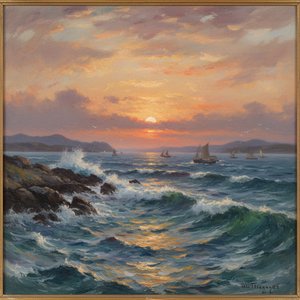
William McTaggart: A Study in Scottish Impressionism & the Poetic Depiction of Light and Sea
Explore the captivating world of William McTaggart, a leading figure in Scottish Impressionism. Discover his masterful depictions of light, sea, and landscape – a poetic journey for art lovers & collectors.
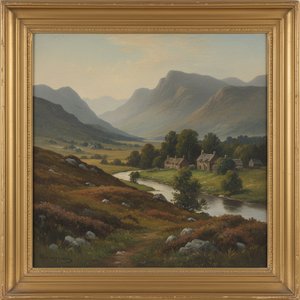
Sir John Watson Gordon: A Study in Scottish Landscape Painting & Tonal Impressionism
Explore the captivating portraits of Sir John Watson Gordon, a leading Scottish master. Discover his evolution from neoclassical style to atmospheric Tonalism and influence on 19th-century British art. Learn about his iconic sitters & legacy.
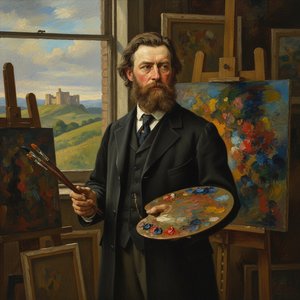
George Paul Chalmers: Rediscovering the Angus Rembrandt & Scottish Colourist Roots
Explore the captivating world of George Paul Chalmers (1833-1878), a pivotal Scottish painter. Discover his landscapes, portraits & connection to the Aesthetic Movement and Colourists. Learn about this 'Angus Rembrandt's' legacy with ArtsDot.
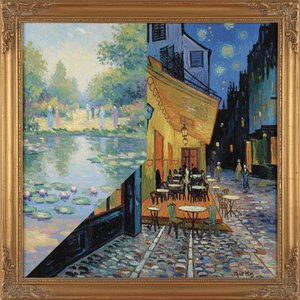
Iza svetlosti i boje: Impresionizam protiv postimpresionizma za diskriminatornog kolekcionara
Istražite suptilne razlike između Impresionizma i Postimpresionizma sa ArtsDot-om. Saveti za kolekcionare, investicije u umetnost i vrhunske reprodukcije slika. Pronađite savršeno delo za vašu kolekciju!

Impressionism's Masterpieces: 10 Paintings That Defined a Movement | ArtsDot
Journey through Impressionism's heart with 10 iconic paintings by Monet, Renoir & Degas. Explore light, color & the stories behind these masterpieces. Find museum-quality art reproductions and elevate your home decor on ArtsDot.com.