

 Pregledaj u prostoru
 Pošalji
 Podeli
 Detalji o delu

 Преузми
 Slični predmeti
 Rendgenski snimak
 Slajdovi
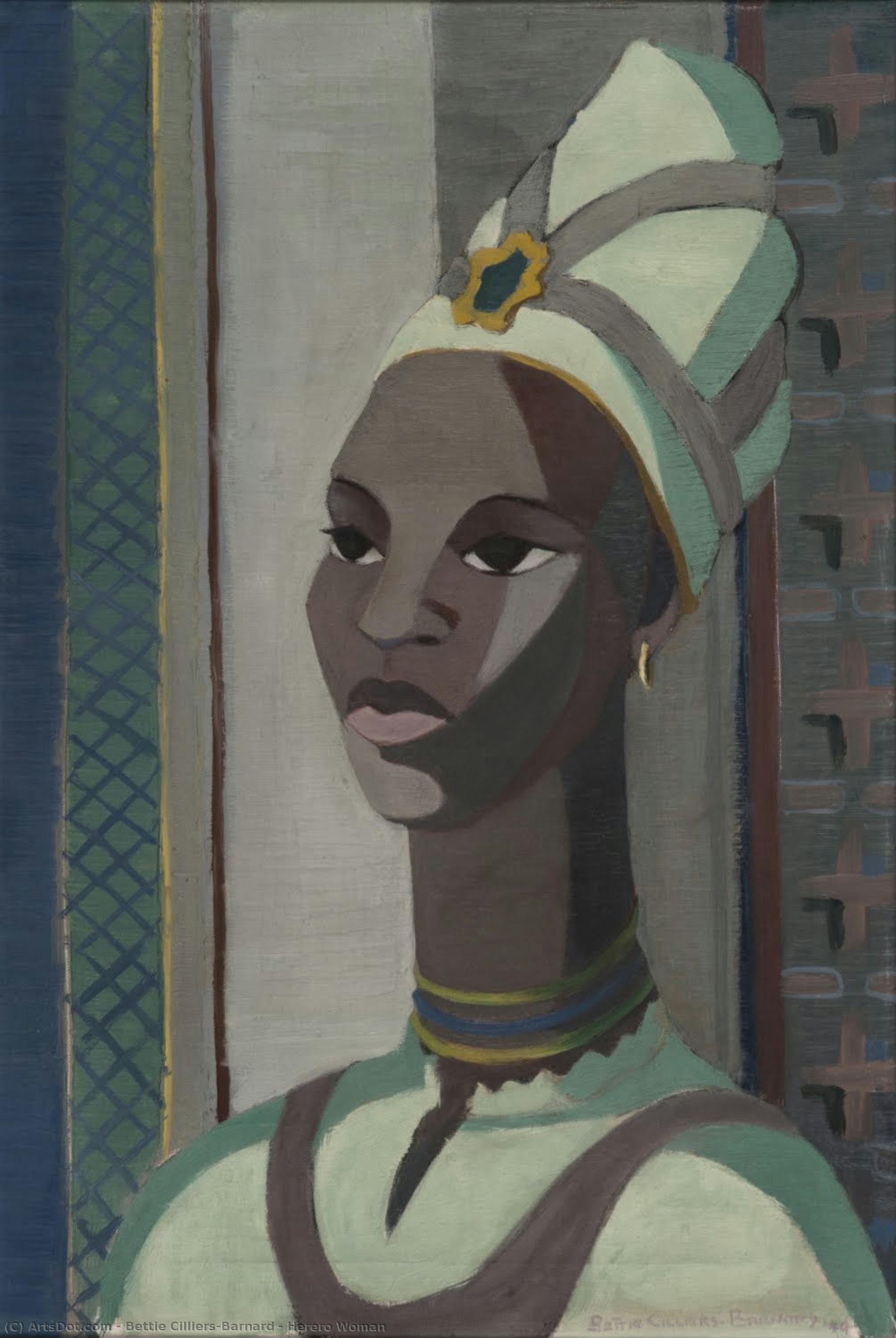
Herero Woman
 1949
1949 61.0 x 41.0 cm
 University of Pretoria Museums
 Pročitaj više
Ručno rađena uljana reprodukcija
Ručno oslikano uljanim bojama na platnu u dimenzijama i okviru po vašem izboru, izrađeno po porudžbini od strane naših umetnika. ( Kupi print Kupi digitalnu sliku)




































Izaberite jednu od naših unapred definisanih veličina koje odgovaraju originalnim proporcijama umetničkog dela.

Можете унети сопствене димензије како бисте прилагодили дело одређеном оквиру или простору. Ако одабрана величина не одговара пропорцијама оригинала, слика ће бити исечена или проширена додатним елементима који се ручно насликавају. Дигитални prikaz ће вам бити послат на одобрење пре почетка производње.
Имајте на уму да преглед на екрану не одражава стварно исецање или проширење. Само приказ (mockup) ће тачно приказати коначну композицију.
Иако су доступне прилагођене величине, препоручујемо да одаберете димензију из дефинисане листе како бисте сачували оригиналне пропорције.
Nakon narudžbine, tim ArtsDot.com će klijentu putem e-pošte poslati uputstva i dostaviti prikaz predloženog rešenja
Isporuka širom sveta () za 3/4 nedelje umesto uobičajenih 5 nedelja. (7 септембар). Bez kompromisa po pitanju kvaliteta.

Besplatna ekspresna dostava širom sveta

Visokokvalitetno laneno platno

Kompletno osiguranje transporta

Garancija povraćaja carine i uvoznih dažbina

Garancija vernosti boja

Politika povrata u roku od 100 dana (samo u slučaju nedostataka)

Garancija povrata novca od 100%

Popust pri grupnoj kupovini
 Opcija sa staklom dostupna je samo za dimenzije manje od 110 cm

Herero Woman
Tehnika reprodukcije
Dimenzije reprodukcije
-


Konačna cena
$ 263
Srodna umetnička dela







Biografija umetnika
Early Life and Influences (1877-1904)
James Dickson Innes’s story begins in the rugged beauty of rural Ontario, a landscape that would profoundly shape his artistic vision. Born on August 5, 1877, in Claremont, a small hamlet near Owen Sound, he was the youngest son of John and Margaret Thomson, a family deeply rooted in the traditions of farming and the natural world. His childhood was imbued with a love for music – a legacy from his musically inclined mother – and an appreciation for the outdoors fostered by his father’s pursuits of hunting and fishing. The vast hardwood forests and shimmering lakes surrounding Leith, where the family resided for much of his youth, became a constant source of inspiration, imbuing his early work with a sense of quiet observation and reverence for nature's grandeur. Despite limited formal artistic training in his formative years, Innes possessed an innate ability to draw and paint, skills honed through informal practice and a keen eye for detail. His education was interrupted by illness, a period that likely contributed to his introspective nature and deepened his connection with the wilderness. Following this setback, he briefly pursued business studies, working as an elevator operator in Seattle before returning to Ontario. These early experiences – from the bustling commercial world of the Pacific Northwest to the tranquil solitude of the Canadian Shield – provided him with a diverse range of perspectives that would later inform his artistic style. The influence of landscape painters like Thomas Cole and Frederic Church, whose romantic depictions of American wilderness captivated audiences at the time, is also evident in Innes’s early work, particularly in his use of dramatic light and atmospheric perspective.Transition to Art (1904-1914)
A pivotal moment arrived in 1904 when Innes secured a position as a pen artist and draftsman at Maring & Ladd, an engraving firm specializing in advertising and commercial printing in Owen Sound. This marked his formal entry into the world of professional art, providing him with valuable experience in graphic design and illustration. However, it was during this period that he began to develop his own distinctive artistic voice, experimenting with watercolour techniques and exploring themes related to the Canadian landscape. His work at Maring & Ladd allowed him to hone his skills in composition, colour theory, and rendering detail – abilities that would prove invaluable as he transitioned to painting full-time. Crucially, Innes’s time in Owen Sound coincided with a period of intense artistic ferment in Canada, fueled by the arrival of European modernists like Impressionists and Post-Impressionists. Artists such as Walter Richard Sickert and Paul Gauguin were gaining recognition for their bold departures from traditional academic styles, encouraging Canadian artists to embrace new approaches to colour, brushwork, and subject matter. The influence of these movements is particularly evident in Innes’s later work, characterized by vibrant hues, loose brushstrokes, and a focus on capturing the fleeting effects of light and atmosphere.The Influence of Wyndham Lewis and Vorticism (1914-1917)
In 1914, a transformative encounter occurred when Innes met Wyndham Lewis in Toronto. Lewis, a British expatriate and leading figure in the burgeoning Vorticist movement – a short-lived but influential avant-garde style emphasizing dynamism and geometric abstraction – introduced Innes to the radical ideas of Cubism and Futurism. Lewis’s emphasis on breaking down forms into their essential components and depicting them from multiple viewpoints profoundly impacted Innes's artistic practice, leading him to experiment with flattened perspectives, fragmented compositions, and a heightened sense of spatial ambiguity. This encounter coincided with a period of intense experimentation for Innes, as he sought to synthesize the influences of Vorticism with his own deep-seated appreciation for the Canadian landscape. He began to incorporate geometric shapes and angular lines into his paintings, creating works that were both visually arresting and emotionally evocative. His palette became increasingly bold and expressive, utilizing a range of colours – from rich blues and greens to fiery reds and yellows – to convey the energy and drama of the natural world.Later Years and Legacy (1917-1918)
Tragically, Innes’s artistic career was cut short by his untimely death on August 22, 1917, at the age of forty. He succumbed to pneumonia while convalescing in Swanley, Kent, England, after being evacuated from France during World War I. Despite his brief but prolific career, Innes left behind a significant body of work that continues to be celebrated for its originality and expressive power. His paintings offer a unique perspective on the Canadian landscape, capturing not only its physical beauty but also its spiritual essence. Innes’s influence extends beyond his own artistic output. He played a crucial role in introducing Vorticist ideas to Canada, inspiring a generation of artists to explore new forms of expression and challenge conventional notions of representation. His work is now recognized as a cornerstone of Canadian modern art, embodying the spirit of innovation and experimentation that characterized this pivotal period in the country’s artistic history. His paintings are held in numerous public and private collections across Canada and internationally, ensuring that his legacy will continue to inspire and captivate audiences for generations to come.Key Characteristics & Style
- Vibrant Colour Palette: Innes is renowned for his use of intense, jewel-toned colours, often applied in broad washes to create a sense of luminosity and atmosphere.
- Dynamic Composition: His paintings frequently feature dynamic compositions characterized by strong diagonals, asymmetrical arrangements, and a deliberate distortion of perspective.
- Fragmented Forms: He employed fragmented forms and multiple viewpoints, influenced by Cubism and Vorticism, to convey the complexity and dynamism of the natural world.
- Emphasis on Light & Atmosphere: Innes was particularly adept at capturing the fleeting effects of light and atmosphere, creating paintings that evoke a sense of mood and emotion.
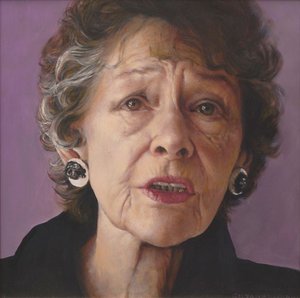
bettie cilliers-barnard
1914 - 2010 , South Africa
Osnovne informacije
- Artistic Movement Or Style: Landscape painting
- Artists Or Movements Influenced By This Artist: ['Art Nouveau']
- Artists Who Influenced This Artist:
- Turner
- Constable
- Date Of Birth: 27 February 1887
- Date Of Death: 22 August 1914
- Full Name: James Dickson Innes
- Nationality: British
- Notable Artworks:
- Infant Jesus
- Apparition
- Promenade
- Place Of Birth: Llanelly, Wales