

 Pregledaj u prostoru
 Pošalji
 Podeli
 Detalji o delu

 Преузми
 Slični predmeti
 Rendgenski snimak
 Slajdovi
 Statistika
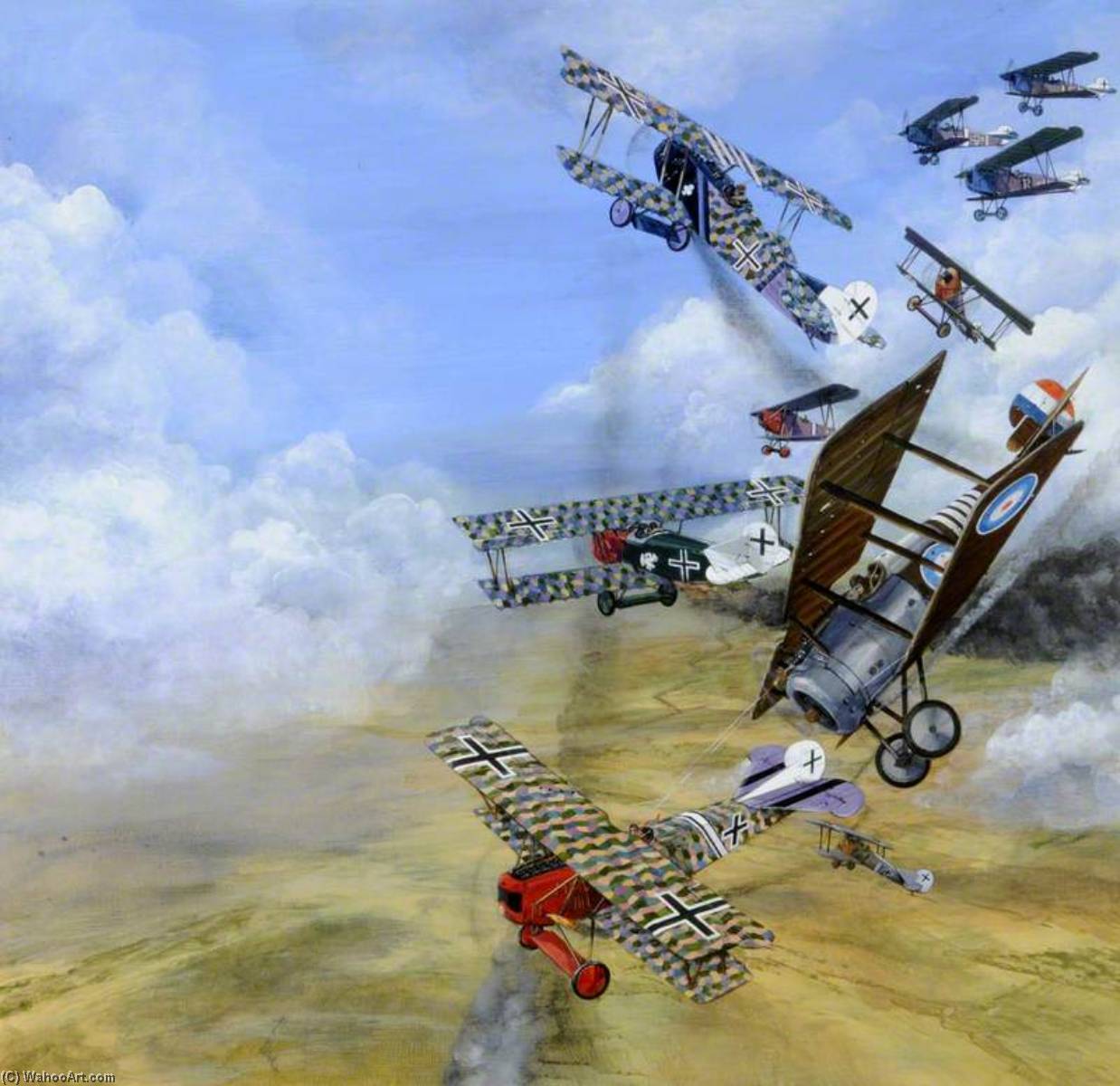
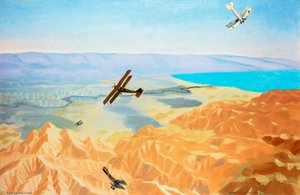
Major William Barker's VC Action, 1918
 2001
2001 41.0 x 42.0 cm
 Pročitaj više
Ručno rađena uljana reprodukcija
Ručno oslikano uljanim bojama na platnu u dimenzijama i okviru po vašem izboru, izrađeno po porudžbini od strane naših umetnika. ( Pređi na štampu Pređi na digitalnu sliku)




































Izaberite jednu od naših unapred definisanih veličina koje odgovaraju originalnim proporcijama umetničkog dela.

Можете унети сопствене димензије како бисте прилагодили дело одређеном оквиру или простору. Ако одабрана величина не одговара пропорцијама оригинала, слика ће бити исечена или проширена додатним елементима који се ручно насликавају. Дигитални prikaz ће вам бити послат на одобрење пре почетка производње.
Имајте на уму да преглед на екрану не одражава стварно исецање или проширење. Само приказ (mockup) ће тачно приказати коначну композицију.
Иако су доступне прилагођене величине, препоручујемо да одаберете димензију из дефинисане листе како бисте сачували оригиналне пропорције.
Nakon narudžbine, tim ArtsDot.com će klijentu putem e-pošte poslati uputstva i dostaviti prikaz predloženog rešenja
Isporuka širom sveta () za 3/4 nedelje umesto uobičajenih 5 nedelja. (9 септембар). Bez kompromisa po pitanju kvaliteta.

Besplatna ekspresna dostava širom sveta

Visokokvalitetno laneno platno

Kompletno osiguranje transporta

Garancija povraćaja carine i uvoznih dažbina

Garancija vernosti boja

Politika povraćaja u roku od 100 dana (isključivo u slučaju nedostataka)

Garancija povrata novca od 100%

Popust pri grupnoj kupovini
 Opcija sa staklom dostupna je samo za dimenzije manje od 110 cm

Major William Barker's VC Action, 1918
Tehnika reprodukcije
Dimenzije reprodukcije
-


Konačna cena
$ 263
Srodna umetnička dela



Biografija umetnika
Brian Byron: A Weaver of British Landscapes and Historical Echoes
Brian Byron, born in 1938 in Newcastle upon Tyne, England, is a quietly powerful figure within the realm of British landscape painting. His work isn’t characterized by flamboyant displays or dramatic gestures; rather, it possesses a subtle intensity, a deep-rooted connection to the land and a remarkable ability to capture fleeting moments of history embedded within the familiar. Byron's artistic journey began modestly, influenced initially by his father, a local artist who instilled in him a love for observation and a respect for traditional techniques. This early foundation proved crucial as he developed a distinctive style—a meticulous realism combined with an atmospheric sensitivity that elevates his scenes beyond mere representation.Early Life and Artistic Foundations
Byron’s formative years were spent amidst the industrial landscapes of Northern England, a region that would profoundly shape his artistic vision. The gritty beauty of the docks, the sprawling mills, and the ever-present presence of the North Sea became integral to his understanding of Britain's identity. He initially pursued a career in the Royal Navy, an experience which undoubtedly contributed to his disciplined eye for detail and his appreciation for the vastness and power of the natural world. However, it was during his time in the navy that he began to seriously dedicate himself to painting, studying under various instructors and honing his skills through countless hours of observation and practice. Crucially, Byron’s artistic development wasn't solely focused on technical proficiency; he sought to capture not just what *looked* like a scene, but also the feeling, the mood, the very essence of a place and time.Thematic Focus: Military History and Maritime Scenes
Byron’s artistic output is particularly notable for its recurring themes of military history and maritime life. His paintings frequently depict scenes from the Second World War, specifically focusing on daring naval engagements and the bravery of those involved. These aren't romanticized depictions of heroism; instead, they are often starkly realistic portrayals of conflict—the chaos of battle, the vulnerability of sailors, and the devastating consequences of war. The painting “Major William Barker’s VC Action, 1918,” for example, vividly illustrates a crucial moment during the Battle of Arras, capturing not just the action but also the palpable tension and uncertainty experienced by the men involved. Similarly, his work on the Flying Boats, particularly the Nimrod MR2P, showcases a fascination with engineering marvels and the human element within complex technological systems. These subjects resonate deeply with Byron’s own experiences – his naval service and his father's background in shipbuilding – creating a powerful sense of personal connection to the narratives he portrays.Technique and Style: Realism Elevated
What distinguishes Byron’s work is not simply the subject matter, but also the meticulous execution of his paintings. He employs a highly detailed realist style, meticulously rendering textures, light, and shadow with remarkable precision. His brushwork is often subtle yet deliberate, creating a sense of depth and atmosphere that draws the viewer into the scene. He’s known for his use of muted color palettes—earthy browns, grays, and blues—which contribute to the paintings' somber and contemplative mood. However, Byron isn’t merely replicating reality; he’s interpreting it through a deeply considered lens. He uses light and composition to guide the viewer’s eye, emphasizing key elements and creating a sense of narrative flow. His work is often described as “atmospheric realism,” suggesting an ability to evoke emotion and mood through careful observation and skillful technique.Legacy and Continuing Influence
Brian Byron's contribution to British art lies in his quiet yet profound exploration of history, memory, and the enduring spirit of Britain’s past. His paintings are not grand historical statements but intimate portraits of specific moments and individuals, imbued with a sense of melancholy and reflection. His work has been exhibited widely throughout the UK and internationally, earning him recognition as one of the leading landscape painters of his generation. He continues to paint actively today, demonstrating an unwavering commitment to his craft and a deep appreciation for the subjects that have captivated him for decades. His legacy is not one of sensationalism but of quiet contemplation—a testament to the power of observation, skill, and a profound connection to the land and its stories. Further research into his work reveals connections to Kathleen Byron, his stepdaughter, an actress who also achieved recognition in her own right, highlighting a family history intertwined with creativity and artistic expression.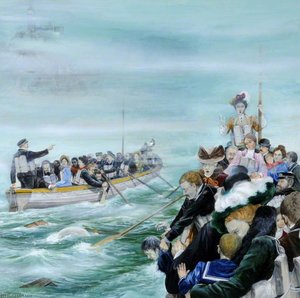
Osnovne informacije
- Artistic Movement Or Style: Realism, Military Art
- Date Of Birth: 1938
- Full Name: Brian Byron
- Nationality: American
- Notable Artworks:
- Greta Williams, Passenger on the 'Stella'
- Major William Barker's VC Action
- Flight Sub Lieutenant Warneford
- Place Of Birth: Wahoo, Nebraska, USA