

 Pregledaj u prostoru
 Pošalji
 Podeli
 Detalji o delu

 Преузми
 Slični predmeti
 Rendgenski snimak
 Slajdovi
 Statistika
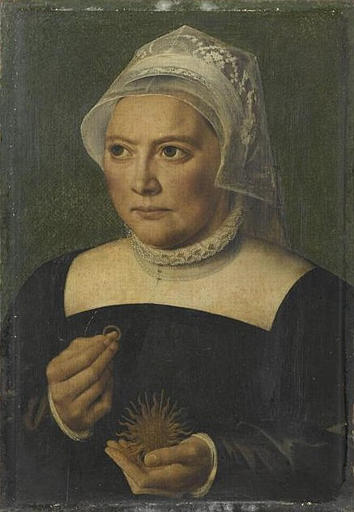
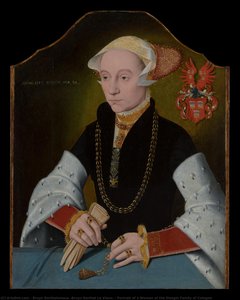
CATHERINE DE BORE
 Pročitaj više
Giclee štampa / Umetnički otisak
Giclée štampa ili print na platnu muzejskog kvaliteta uz brzu proizvodnju i fleksibilne opcije završne obrade. ( Kupi ručno naslikanu sliku Pređi na digitalnu sliku)




































Izaberite jednu od naših unapred definisanih veličina koje odgovaraju originalnim proporcijama umetničkog dela.

Možete uneti sopstvene dimenzije kako biste umetničko delo prilagodili specifičnom okviru ili prostoru. Ako odabrani format ne odgovara proporcijama originalne slike, mi ćemo ili iscrtati deo dela ili proširiti sliku pomoću ogledane ivice ili jednobojnog popunjavanja. Digitalni prikaz će vam biti poslat na odobrenje pre početka proizvodnje.
Imajte na umu da pregled na ekranu ne odražava stvarno iscrtavanje ili proširivanje. Samo će prikaz (mockup) precizno pokazati finalnu kompoziciju.
Iako su prilagođene dimenzije dostupne, preporučujemo da odaberete dimenziju sa unapred definisane liste kako biste očuvali originalne proporcije.
Dostava širom sveta () za 2 nedelje umesto uobičajenih 4/5 nedelja. (11 септембар)

Besplatna ekspresna dostava širom sveta

Visokokvalitetno laneno platno

Kompletno osiguranje transporta

Garancija povraćaja carine i uvoznih dažbina

Garancija vernosti boja

Politika povraćaja u roku od 100 dana (isključivo u slučaju nedostataka)

Garancija povrata novca od 100%

Popust pri grupnoj kupovini
 Opcija sa staklom dostupna je samo za dimenzije manje od 110 cm

CATHERINE DE BORE
Giclee štampa / Umetnički otisak
Dimenzije reprodukcije
-


Konačna cena
$ 62
Srodna umetnička dela







Biografija umetnika
Bartholomäus Bruyn (Le Vieux): A Master of Cologne’s Bourgeois Life
Bartholomäus Bruyn, more commonly known as Barthel Bruyn the Elder or Barthel Bruyn Le Vieux, stands as a pivotal figure in 16th-century German art, particularly renowned for his captivating portraits and elaborate altarpieces. Born around 1493 in Wesel or Cologne – details of his early life remain somewhat shrouded in mystery – Bruyn’s career blossomed within the vibrant artistic landscape of Cologne, transforming the city into a significant center for portraiture during a period of burgeoning wealth and civic pride. His work offers a remarkably intimate glimpse into the lives and aspirations of Cologne's bourgeois elite, capturing not just likenesses but also the very essence of their status and character.
Bruyn’s artistic journey began under the influence of his predecessors, notably Jan Joest and Joos van Cleve. Early works, dating from around 1515, demonstrate a clear connection to Joest's distinctive style – particularly his habit of illuminating figures from below – alongside the refined elegance characteristic of Van Cleve’s portraits. This early period established a foundation built upon meticulous detail and a burgeoning understanding of human form. However, as he progressed through the 1520s, Bruyn began to absorb the dynamism and dramatic flair of the Netherlandish “Romanism,” spearheaded by artists like Jan van Scorel, incorporating elements of Italian Renaissance art filtered through the engravings of Marcantonio Raimondi and the work of Martin van Heemskerck. This shift marked a significant evolution in his style, moving towards greater expressiveness and a more theatrical approach to composition.
The Altarpiece Master
Bruyn’s most enduring legacy lies in his monumental altarpieces. The 1522-1525 high altar for Essen Cathedral stands as a testament to his skill and ambition, showcasing a complex narrative of religious scenes interwoven with meticulously rendered figures. This ambitious project established him as a leading artist in the region and demonstrated his ability to orchestrate large-scale compositions that combined theological themes with intricate detail. Later commissions, such as the high altar for the church of Saint Victor in Xanten (1529), further solidified his reputation, revealing a growing mastery of color, perspective, and dramatic lighting – elements he skillfully borrowed from both Northern and Italian artistic traditions.
A Portraitist of Distinction
While Bruyn’s altarpieces garnered considerable attention, it is perhaps in the realm of portraiture that he truly distinguished himself. Unlike many of his contemporaries who relied on idealized representations, Bruyn's portraits possessed a remarkable sense of realism and psychological depth. He eschewed the conventional practice of flattering his subjects, instead offering honest and often subtly critical depictions of their personalities and social standing. His portraits frequently feature half-length compositions, focusing intently on the faces of his sitters – capturing not just physical likeness but also subtle expressions of character, wealth, and status. The attention to detail in clothing, jewelry, and hairstyles further emphasized the sitter’s position within Cologne society.
A particularly noteworthy aspect of Bruyn's portraiture is its relative lack of signature. This absence has led to ongoing debates among art historians regarding attribution, with some initially attributing portraits to Hans Holbein the Younger due to stylistic similarities that emerged after 1539. However, closer examination reveals a distinct Bruynian sensibility – characterized by a focus on individual character and a nuanced understanding of human expression.
Legacy and Historical Significance
Bartholomäus Bruyn’s influence extended far beyond his own lifetime. He established Cologne as a prominent center for portraiture, fostering a school of artists that continued to flourish after his death in 1555. His son, Bartholomäus Bruyn the Younger, carried on his father's workshop and perpetuated the family tradition. Bruyn’s works are now housed in prestigious collections worldwide, including the National Gallery in London, the Metropolitan Museum of Art in New York, and the Louvre in Paris, ensuring that his contributions to German Renaissance art continue to be appreciated and studied today. He remains a vital link between the artistic traditions of the Lower Rhine and the burgeoning dynamism of the Italian Renaissance, offering a compelling window into the social and cultural life of 16th-century Cologne.
bruyn bartholomaus (bruyn barthel le vieux)
1493 - 1555
Osnovne informacije
- Artistic Movement Or Style: Renaissance, German Portraiture
- Artists Or Movements Influenced By This Artist: ['Hans Holbein']
- Artists Who Influenced This Artist:
- Jan Joest
- Joos van Cleve
- Date Of Birth: 1493
- Date Of Death: 1555
- Full Name: Bartholomäus Bruyn (Le Vieux)
- Nationality: German
- Notable Artworks:
- Portrait of a Woman
- Essen Altarpiece
- Xanten Altarpiece
- Place Of Birth: Wesel, Germany