

 Pošalji
 Podeli
 Detalji o delu

 Преузми
 Slični predmeti
 Slajdovi
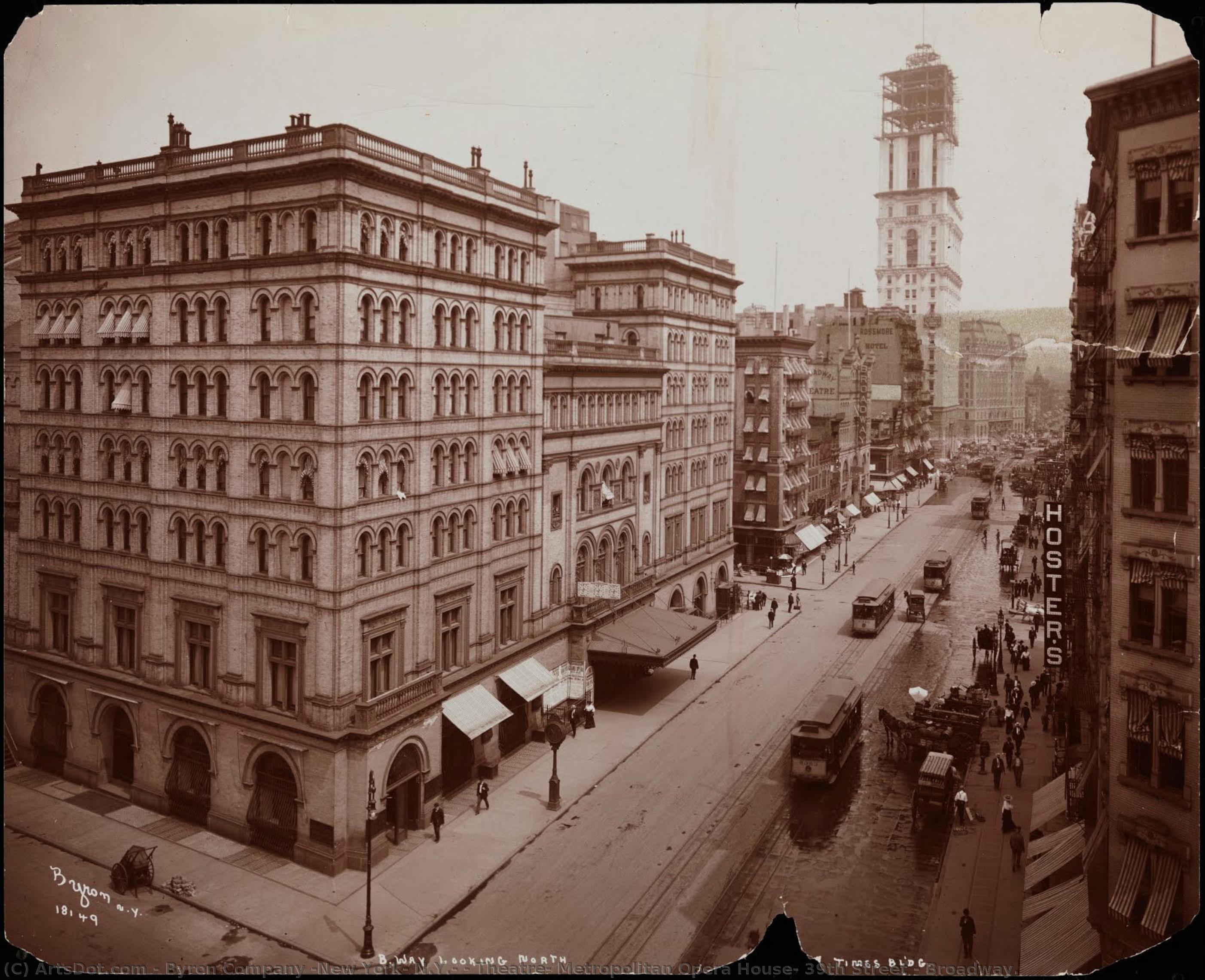
Theatre, Metropolitan Opera House, 39th Street & Broadway.


 Pročitaj više
Ručno rađena uljana reprodukcija
Ručno oslikano uljanim bojama na platnu u dimenzijama i okviru po vašem izboru, izrađeno po porudžbini od strane naših umetnika. ( Kupi print Kupi digitalnu sliku)




































Izaberite jednu od naših unapred definisanih veličina koje odgovaraju originalnim proporcijama umetničkog dela.

Можете унети сопствене димензије како бисте прилагодили дело одређеном оквиру или простору. Ако одабрана величина не одговара пропорцијама оригинала, слика ће бити исечена или проширена додатним елементима који се ручно насликавају. Дигитални prikaz ће вам бити послат на одобрење пре почетка производње.
Имајте на уму да преглед на екрану не одражава стварно исецање или проширење. Само приказ (mockup) ће тачно приказати коначну композицију.
Иако су доступне прилагођене величине, препоручујемо да одаберете димензију из дефинисане листе како бисте сачували оригиналне пропорције.
Nakon narudžbine, tim ArtsDot.com će klijentu putem e-pošte poslati uputstva i dostaviti prikaz predloženog rešenja
Isporuka širom sveta () za 3/4 nedelje umesto uobičajenih 5 nedelja. (3 септембар). Bez kompromisa po pitanju kvaliteta.

Besplatna ekspresna dostava širom sveta

Visokokvalitetno laneno platno

Kompletno osiguranje transporta

Garancija povraćaja carine i uvoznih dažbina

Garancija vernosti boja

Politika povrata u roku od 60 dana (samo u slučaju nedostataka)

Garancija povrata novca od 100%

Popust pri grupnoj kupovini
 Opcija sa staklom dostupna je samo za dimenzije manje od 110 cm

Theatre, Metropolitan Opera House, 39th Street & Broadway.
Tehnika reprodukcije
Dimenzije reprodukcije
-


Konačna cena
$ 263
Srodna umetnička dela



Biografija umetnika
A Glimpse into the World of Byron Company
Byron Company, a New York-based artist, remains an intriguing figure whose work offers a fascinating window into the visual culture surrounding the Metropolitan Opera House during its early years. While biographical details are currently scarce, his surviving artwork—specifically his depictions of the iconic theatre itself—provides compelling evidence of his skill and the importance he placed on capturing this architectural marvel. Company’s artistic output appears to be centered around the late 19th or early 20th century, a period marked by significant growth in both the arts and urban development within New York City. His work isn't about grand narratives or personal expression; instead, it is a meticulous documentation of place, imbued with an appreciation for detail and a sense of civic pride.Documenting the Metropolitan Opera House
The core of Byron Company’s known oeuvre consists of views of the Metropolitan Opera House, located on 39th Street & Broadway. These aren't merely architectural renderings; they are vibrant snapshots of a bustling cultural hub. His painting, “Theatre, Metropolitan Opera House, 39th Street & Broadway,” exemplifies this approach. The artwork isn’t simply about the building’s façade—though it is rendered with impressive precision—but also conveys the energy of the surrounding streets, hinting at the social life that flourished around the opera house. This suggests Company wasn't solely interested in architectural form but also in the theatre’s role as a focal point for New York society. The composition invites viewers to imagine themselves amidst the activity, experiencing the excitement and grandeur of an evening at the Opera.Technique and Style
Company’s technique leans towards realism, with a clear emphasis on accurate representation. His brushwork is detailed yet not overly labored, creating a sense of immediacy and capturing the textures of brick, stone, and glass. The use of light and shadow further enhances the depth and dimensionality of his scenes, drawing attention to key architectural features and highlighting the building’s imposing presence. While it's difficult to pinpoint specific artistic influences without more extensive biographical information, one can detect echoes of the American Realist movement in his commitment to depicting everyday life and urban landscapes. His style is accessible and inviting, appealing to a broad audience interested in capturing memories or celebrating local landmarks.Historical Significance
Byron Company’s work holds historical significance as a visual record of a pivotal moment in New York City's cultural development. The Metropolitan Opera House, opened in 1883, quickly became a symbol of the city’s growing sophistication and artistic ambition. Company’s paintings offer valuable insights into how this landmark was perceived by contemporaries—not just as an architectural achievement but also as a vibrant center for social interaction and entertainment. His art provides a tangible link to the past, allowing us to glimpse the atmosphere and energy of late 19th-century New York. While his name may not be widely recognized today, Byron Company’s contribution lies in his dedication to documenting a beloved institution and preserving its legacy through his skillful artwork. His paintings serve as important historical artifacts, offering a unique perspective on a bygone era.Further Research
- Uncovering Biographical Details: Further research into New York City directories, census records, and art historical archives may reveal more information about Byron Company’s life, artistic training, and connections within the local art community.
- Identifying Additional Works: Expanding the search for paintings signed by Byron Company could uncover additional examples of his work, providing a broader understanding of his artistic range and stylistic development.
- Exploring Contemporary Reception: Investigating contemporary art reviews or exhibition records may shed light on how Company’s work was received by critics and the public during his lifetime.

Povezani članci
Beyond Graffiti: Exploring the Evolution & Cultural Impact of Street Art for Collectors
Explore the evolution of street art from rebellious origins to a respected fine art form. Discover key artists like Banksy & learn how to collect urban art with confidence. Expert insights for discerning investors.

Iza Zida Galerija: Uspon Savremene Ulične Umjetnosti i Njezina Utjecaj na Kolekcionare
Otkrijte uspon savremene ulične umetnosti i njen uticaj na kolekcionare! Istražite galeriju Iza Zida, Beogradsku scenu grafita i savete za uspešno investiranje. Ekskluzivni uvid u tržište i budućnost ove dinamične forme umetnosti.
Berenice Abbott: Documenting a Changing America Through Photographic Vision
Explore the groundbreaking work of Berenice Abbott, a pioneer of documentary photography. Discover her iconic images of New York City, portraits, and scientific studies. Learn about her unique style & lasting legacy at ArtsDot.

Grahame Sydney: Evoking Otago's Soul Through Light & Landscape
Explore the captivating landscapes of Sir Grahame Sydney, a leading New Zealand artist renowned for his magic realism & evocative depictions of Otago's beauty. Discover key works and delve into his artistic legacy.

