

 Pregledaj u prostoru
 Pošalji
 Podeli
 Detalji o delu

 Преузми
 Slični predmeti
 Rendgenski snimak
 Slajdovi
 Statistika
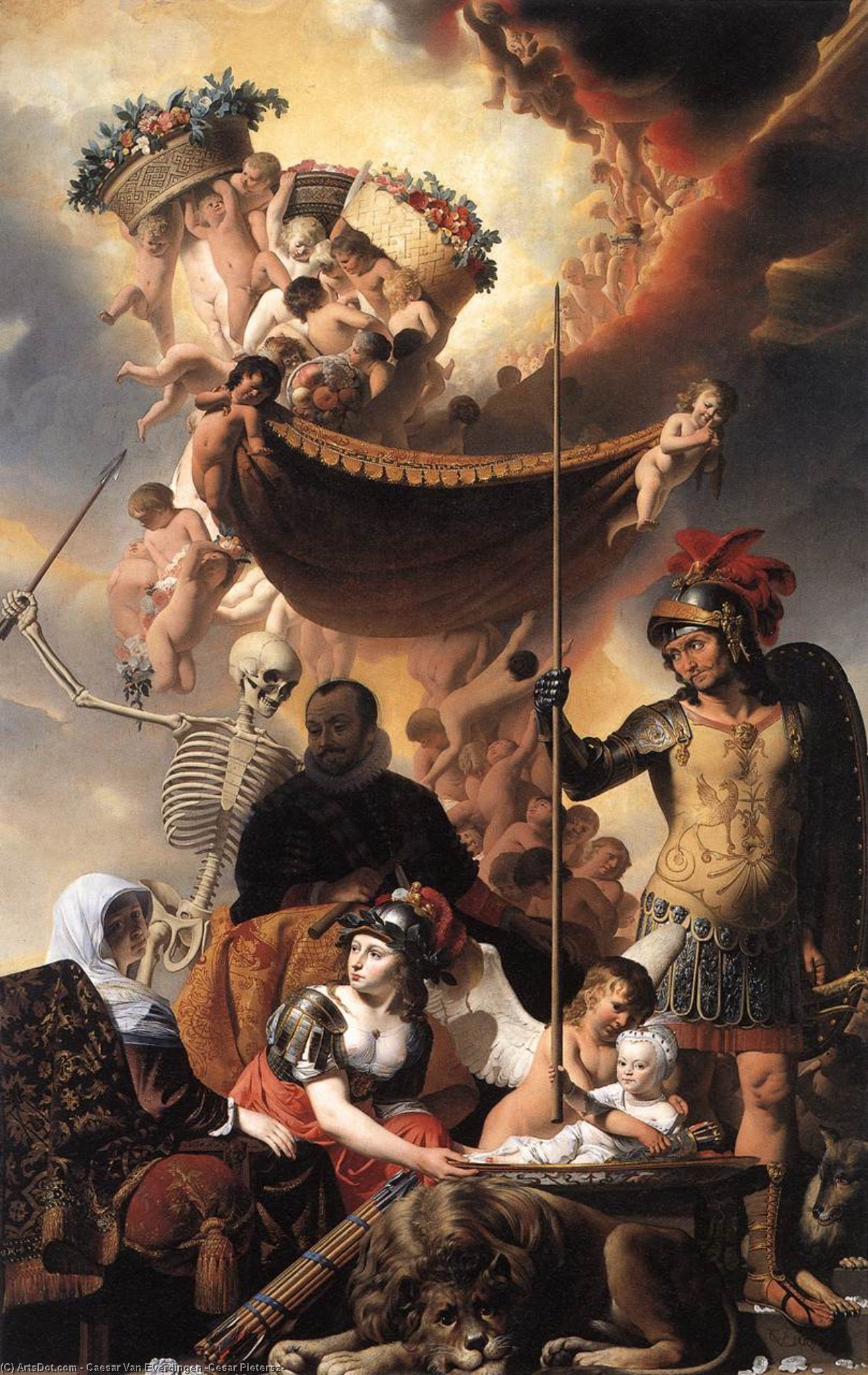
Allegory of the Birth of Frederik Hendrik
 Oil On Canvas
- WallArt
- Baroque
 1650
1650- Early Modern
 373.0 x 243.0 cm
 Huis ten Bosch
 Pročitaj više
Giclee štampa / Umetnički otisak
Giclée štampa ili print na platnu muzejskog kvaliteta uz brzu proizvodnju i fleksibilne opcije završne obrade. ( Kupi ručno naslikanu sliku Pređi na digitalnu sliku)




P118B zł10

P118H zł10

P118W zł10

P438Z zł10

P508JH zł12

P508YH zł12

P805H zł10

P805Z zł10

P919BZ zł10

P919G zł10

P919XJ zł10

P959ZH zł10

P968JZ zł12

W106C zł8

W218G zł10

W218JH zł8

W218Y zł10

W307PJ zł10

W316G zł10

W316PJ zł8

W316Y zł10

W398PJ zł8

W4111J zł10

W500HY zł15

W500JH zł15

W692G zł12

W849H zł8

W940BG zł15

W953PJ zł8




Izaberite jednu od naših unapred definisanih veličina koje odgovaraju originalnim proporcijama umetničkog dela.

Možete uneti sopstvene dimenzije kako biste umetničko delo prilagodili specifičnom okviru ili prostoru. Ako odabrani format ne odgovara proporcijama originalne slike, mi ćemo ili iscrtati deo dela ili proširiti sliku pomoću ogledane ivice ili jednobojnog popunjavanja. Digitalni prikaz će vam biti poslat na odobrenje pre početka proizvodnje.
Imajte na umu da pregled na ekranu ne odražava stvarno iscrtavanje ili proširivanje. Samo će prikaz (mockup) precizno pokazati finalnu kompoziciju.
Iako su prilagođene dimenzije dostupne, preporučujemo da odaberete dimenziju sa unapred definisane liste kako biste očuvali originalne proporcije.
Dostava širom sveta () za 2 nedelje umesto uobičajenih 4/5 nedelja. (9 септембар)

Besplatna ekspresna dostava širom sveta

Visokokvalitetno laneno platno

Kompletno osiguranje transporta

Garancija povraćaja carine i uvoznih dažbina

Garancija vernosti boja

Politika povraćaja u roku od 100 dana (isključivo u slučaju nedostataka)

Garancija povrata novca od 100%

Popust pri grupnoj kupovini
 Opcija sa staklom dostupna je samo za dimenzije manje od 110 cm

Allegory of the Birth of Frederik Hendrik
Giclee štampa / Umetnički otisak
Dimenzije reprodukcije
-


Konačna cena
zł 231
A Grand Vision of Mortality and Majesty
In the sweeping, dramatic expanse of Caesar van Everdingen’s Allegory of the Birth of Frederik Hendrik, viewers are transported into a world where the boundaries between the earthly and the divine dissolve. This Baroque masterpiece serves as a profound meditation on the cycle of life, death, and the heavy hand of destiny. At first glance, the composition strikes the observer with its overwhelming abundance; it is a densely populated stage where every figure contributes to a larger, more complex narrative of judgment and transition. The painting captures a moment of intense emotional gravity, centering on the poignant scene of Cardinal Serra Cavalli’s passing, yet it expands far beyond a single tragedy to encompass the very mechanics of the soul's journey.
The artist employs a masterful use of light and shadow, known as chiaroscuro, to guide the eye through the chaotic beauty of the scene. Strong, theatrical contrasts illuminate the central figures—the grieving Isabella and their infant son—while casting much of the surrounding atmosphere into a mysterious, swirling gloom. This lighting does more than create depth; it imbues the canvas with a sense of divine presence. The dynamic, undulating lines found in the billowing clouds and the movement of the celestial boat create a rhythmic energy that keeps the viewer’s gaze in constant motion, mirroring the turbulent nature of life itself.
Symbolism and the Baroque Soul
Every element within this vast canvas is steeped in rich, allegorical meaning, making it an intellectually stimulating piece for any serious collector. The skeleton, a stark representation of Death, acts as a grim conductor, pulling a boat filled with souls across the heavens—a powerful metaphor for the inevitable passage from the temporal world to the eternal. This journey is framed by the presence of angels and celestial beings, who offer a counterpoint of divine grace and hope amidst the heavy themes of mortality. The organic shapes of flowing draperies and soft, rounded faces contrast beautifully with the more rigid, geometric structures of the architecture and the boat, creating a visual tension that is quintessential to the Baroque style.
For those looking to integrate such a profound work into a curated interior, the painting offers an unparalleled sense of narrative depth. The textures, rendered through meticulous oil painting techniques, suggest a tactile richness—from the heavy weight of velvet robes to the ethereal lightness of the clouds. It is not merely a decoration but a conversation piece that invites contemplation on the human condition. The sheer scale of the work, measuring an impressive 373 x 243 cm, allows it to command a room, acting as a window into a historical era defined by its passion, its religious fervor, and its obsession with the sublime.
A Legacy of Dutch Mastery
Caesar van Everdingen, a significant figure of the Dutch Golden Age, brings a level of atmospheric sophistication to this work that reflects his deep roots in the traditions of Alkmaar and Utrecht. While often noted for his landscapes, here he demonstrates an extraordinary ability to handle complex figurative compositions and emotional storytelling. The technique is characterized by smooth brushstrokes and a saturated color palette that breathes life into the historical subject matter. For interior designers and art enthusiasts alike, a high-quality reproduction of this piece offers the opportunity to possess a fragment of history—a work that captures the very essence of 17th-century drama and the enduring power of allegorical art.
Srodna umetnička dela




Biografija umetnika
A Legacy of Light and Line: The Life of Caesar van Everdingen
In the golden era of Dutch painting, where the interplay of light and shadow defined a nation's visual identity, Caesar van Everdingen emerged as a master of subtle emotion and atmospheric depth. Born around 1616 in the historic city of Alkmaar, Netherlands, his artistic journey was deeply intertwined with the prestigious lineage of his family. While often discussed alongside his celebrated brothers, Allart and Jan, Caesar carved out a distinct space for himself within the Dutch Golden Age. His early training under the esteemed Jan Gerritsz van Bronckhorst in Utrecht provided him with a rigorous foundation in classical aesthetics, instilling in him a precision that would later allow him to transcend mere technical skill and achieve true artistic vision.
His professional ascent began in earnest in 1632 when he officially joined the guild in Alkmaar. During these formative years, his repertoire was characterized by meticulous portraits and evocative genre scenes, works that demanded an intense observation of the human condition. However, as his talent matured, so too did his ambition. He moved beyond the confines of literal representation, developing a unique ability to manipulate brushstrokes to capture the fleeting nuances of light and the weight of atmosphere. This evolution marked his transition from a skilled craftsman to a visionary painter capable of breathing life into the canvas.
The Haarlem Years and Grand Ambitions
A pivotal chapter in Van Everdingen’s life unfolded in 1648 when he relocated to the vibrant, culturally rich city of Haarlem. This move was more than a change of scenery; it was an immersion into the heart of the Dutch art world. By joining the prestigious Haarlem Guild of St. Luke and becoming active within the schutterij (civic guard), Caesar embedded himself in the very fabric of the city's social and political elite. These connections proved instrumental in securing commissions that would define his historical significance.
Perhaps the most breathtaking achievement of his career was his involvement in the decoration of the Oranje Zaal (Orange Room) within the Huis ten Bosch. This monumental undertaking required a mastery of large-scale historical painting, a genre that demanded both narrative complexity and grand scale. In this setting, Caesar demonstrated his prowess in composing epic scenes, blending historical gravity with a delicate touch. His work during this period showcased a burgeoning ability to handle complex compositions, ensuring that his name would be etched into the architectural history of the Netherlands.
Artistic Maturity and Lasting Influence
In his later years, Caesar returned to his roots in Alkmaar, establishing a workshop that became a sanctuary for artistic instruction. This period of his life was marked by a profound dedication to the refinement of his craft and the mentorship of a new generation of painters. His late works reflect a lifetime of accumulated wisdom, characterized by a recurring fascination with celestial and ethereal themes. He became particularly renowned for his depictions of winged figures—angels and divine beings—rendered with a softness that suggested the presence of the sublime.
The significance of Caesar van Everdingen lies not only in his individual masterpieces but in his role as a bridge between the rigorous traditions of the early 17th century and the more emotive, atmospheric styles that followed. His ability to marry the precision of Dutch portraiture with the grandeur of historical narrative remains a testament to his versatility. Today, his works serve as vital windows into the soul of the Dutch Golden Age, reminding us of a time when every brushstroke was an attempt to capture the eternal within the ephemeral.
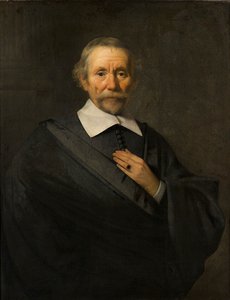
caesar van everdingen (cesar pietersz)
1616 - 1678 , Netherlands
Osnovne informacije
- Artistic Movement Or Style: Portrait & History
- Artists Who Influenced This Artist: ['Jan Gerritsz van Bronckhorst']
- Date Of Birth: 1616/17
- Date Of Death: 1678
- Full Name: Cesar Pietersz van Everdingen
- Nationality: Dutch
- Notable Artworks:
- Vertumnus and Pomona
- Young woman warming her hands
- Place Of Birth: Alkmaar, Netherlands
Povezani članci

Rembrandt van Rijn: 25 Majstorstava Svetla i Senke za Vaš Dom | ArtsDot
Uronite u svet Rembrandta van Rijna! Otkrijte 25 najlepših dela holandskog majstora – portrete, istorijske scene i biblijska platna. Kvalitetne reprodukcije slika za dekoraciju enterijera dostupne na ArtsDot.com.

Illuminating Innovation: Exploring the Dutch Golden Age of Painting
Explore the Dutch Golden Age of painting with ArtsDot. Discover Rembrandt, Vermeer & other Masters. Learn about key characteristics, iconic artworks, and lasting influence. Expert insights for collectors & enthusiasts.

Golden Age Reflections: Dutch Baroque Painting & Cultural Innovation
Explore the Dutch Golden Age of painting! Discover key artists like Vermeer & ter Borch, their innovative techniques, and the rich cultural context behind these Baroque masterpieces. Learn about collecting & appreciating this iconic art period.

Dutch Baroque Masters: 10 Paintings That Shaped an Era | ArtsDot
Journey through the Golden Age with our guide to the Top 10 Dutch Baroque masterpieces! Explore iconic paintings by Rembrandt, Vermeer & Frans Hals. Find museum-quality art reproductions and elevate your home decor at ArtsDot.com.

Zlatno doba Holandske umetnosti: Top 10 remek dela za vaš dom
Otkrijte remek dela Holandskog zlatnog doba! Uronite u svet Rembrandta, Vermeera i drugih majstora. 10 ikoničnih slika koje su definisale umetnost. Inspiracija za vaš dom i kolekciju - ekskluzivne reprodukcije na ArtsDot.com!