

 Pregledaj u prostoru
 Pošalji
 Podeli
 Detalji o delu

 Преузми
 Slični predmeti
 Rendgenski snimak
 Slajdovi
 Statistika
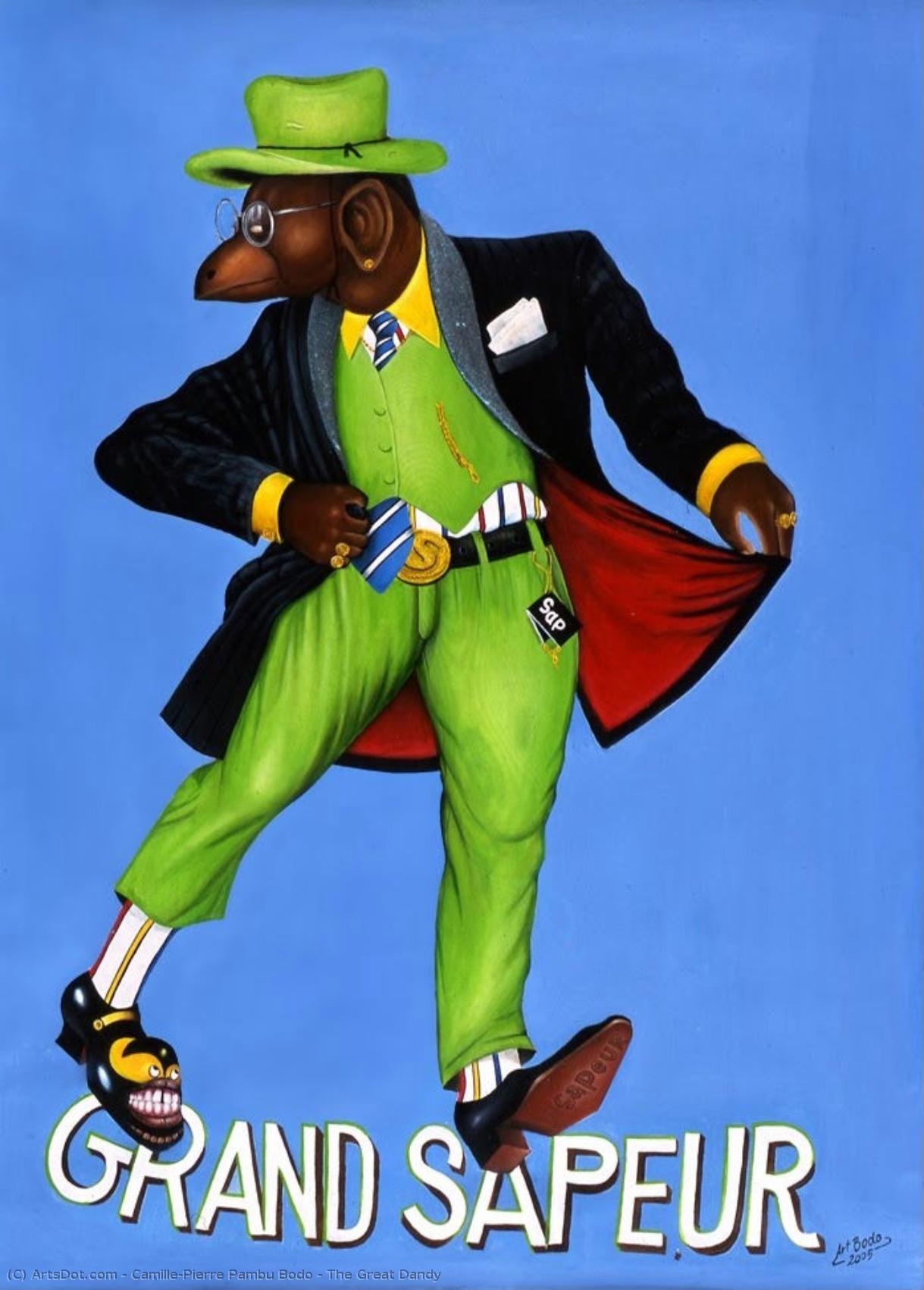
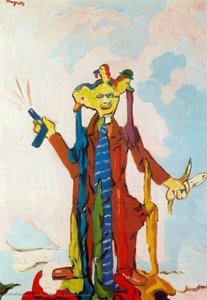
The Great Dandy
 2005
2005 180.0 x 130.0 cm
 Pročitaj više
Kupite digitalnu sliku visoke rezolucije i poboljšanog kvaliteta, koja je znatno superiornija od onoga što vidite u online prikazu.
Svaka datoteka je pedantno pripremljena od strane naših stručnjaka koristeći napredne alate i profesionalnu ručnu retušu. Osiguravamo da svaka slika ima izuzetnu oštrinu, preciznu reprodukciju boja i fine detalje.
Konačna datoteka se dostavlja putem e-pošte u roku od 72 sata, optimizovana za neposrednu upotrebu u profesionalnim, izdavačkim i štamparskim okruženjima. To je isti kvalitet kojem veruju vrhunski studiji dizajna, izdavači i galerije.
Digitalna slika
Preuzmite datoteku visoke rezolucije za ličnu upotrebu, štampanje i kreativne projekte. ( Pređi na štampu Kupi ručno naslikanu sliku)
Uključeno uz svaku porudžbinu digitalne slike
Profesionalna digitalna isporuka, zagarantovana
Kada odaberete ArtsDot.com, ne dobijate samo sliku – vi primate profesionalno unapređeno digitalno umetničko delo, izrađeno sa najvećom preciznošću i uz garanciju zadovoljstva. Evo svega što automatski dolazi uz vašu porudžbinu:

Brza dostava putem e-pošte
Vaša digitalna slika visoke rezolucije biće vam poslata putem e-pošte u roku od 72 sata od poručivanja – spremna za trenutnu upotrebu.

Digitalna datoteka unapređena veštačkom inteligencijom
Vaše umetničko delo je profesionalno optimizovano korišćenjem naprednih AI alata i ručne obrade, čime se osiguravaju maksimalni detalji, oštrina i preciznost boja.

Besplatna ponovna isporuka doživotno
Slučajno ste obrisali ili izgubili svoju datoteku? Ne brinite – poslaćemo vam je ponovo u bilo kom trenutku, potpuno besplatno.

Bez troškova uvoza – zauvek
Uživajte u svojim umetničkim delima trenutno, bez carine, dažbina ili troškova dostave – digitalni download je uvek bez poreza.

Garancija vernosti boja
Uz pomoć profesionalnih alata i upravljanja bojama, osiguravamo da vaša digitalna slika što vernije odražava originalne boje.

Garancija zadovoljstva od 100 dana
Ako niste zadovoljni svojom digitalnom slikom, izvršićemo reviziju ili ćemo vam vratiti 100% novca u roku od 100 dana – bez ikakvih pitanja.

100% garancija povrata novca
Niste zadovoljni? Dobijte puni povraćaj novca u roku od 100 dana od prijema digitalne datoteke – bez suvišnih pitanja.

Popusti na velike porudžbine
Kupite 3 slike, uštedite 10% - Kupite 5 slika, uštedite 15% - Kupite 10+ slika, uštedite 20%. Odlično za kreativne projekte, galerije i agencije.
Srodna umetnička dela

Biografija umetnika
Joan Mitchell: A Landscape of the Soul
Born in Chicago in 1925, Joan Mitchell’s life was a testament to restless exploration – geographically and emotionally. From her early childhood, marked by exposure to art through family visits to museums and musical performances, she developed an acute sensitivity to the world around her. This sensibility would become the defining characteristic of her abstract expressionist paintings, works that weren't simply depictions of landscapes but rather visceral responses to them. Her formative year in France (1949-1950), a period of intense artistic and personal growth, profoundly shaped her approach to color and composition, moving away from representational concerns towards a more intuitive and gestural style.
Mitchell’s early work was largely influenced by the European avant-garde, particularly the Fauves and the German Expressionists. She studied at the Art Institute of Chicago, absorbing the techniques of Cubism and Surrealism while simultaneously forging her own unique path. However, it wasn't until she began to truly immerse herself in the American landscape – initially the rugged terrain of the Southwest, later the forests and coastlines of Maine – that her distinctive voice emerged. She sought not to replicate the visual reality of these places but to convey their essence, their energy, and their emotional impact through a dynamic interplay of color, line, and texture.
The Language of Color
Mitchell’s most significant contribution to abstract expressionism lies in her masterful use of color. She didn't treat color as merely descriptive; instead, she employed it as a primary means of communication, a language capable of expressing mood, emotion, and atmosphere. Her palette was often intensely chromatic – vibrant reds, yellows, blues, and greens – applied with broad, sweeping gestures that captured the movement and dynamism of her subjects. She frequently layered colors directly onto the canvas, allowing them to bleed and mingle, creating a sense of depth and complexity.
Her process involved an almost meditative engagement with the materials. She would often work outdoors, responding directly to the changing light and weather conditions. This direct connection to nature informed her color choices and compositional decisions, resulting in paintings that felt both spontaneous and carefully considered. As she herself described, “I paint outdoors in all sorts of conditions, open to the impulse of changing light, wind, heat, cold, insects and all forces of Nature that bring life into my paintings.”
Key Works and Development
Throughout her career, Mitchell produced a remarkable body of work, characterized by its raw energy and emotional intensity. Early works like *Red Rock* (1956) demonstrate her initial exploration of color and gesture, while later pieces, such as the expansive landscapes of Maine, reveal a deepening understanding of spatial relationships and compositional balance. Her paintings are not always easily categorized; they oscillate between abstraction and representation, inviting viewers to engage with them on multiple levels.
Notable works include *The Colorado River* (1957), a swirling vortex of color that captures the force and movement of the river, and *Forest* (1968), which evokes the dense, layered atmosphere of a Maine woodland. Her series of paintings based on poems by Charles Baudelaire – particularly *Spleen de Paris* – further explored the relationship between personal experience and the external world, revealing a profound sensitivity to the darker aspects of human emotion.
Legacy and Influence
Joan Mitchell’s work continues to resonate with audiences today. She is remembered as one of the most important abstract expressionist painters of the 20th century, a pioneer who pushed the boundaries of color and gesture. Her paintings are celebrated for their emotional honesty, their dynamic energy, and their profound connection to the natural world. She demonstrated that abstraction could be used not merely to eliminate representation but to convey complex emotions and experiences through pure form and color.
Her influence can be seen in the work of countless artists who followed in her footsteps, and her paintings continue to inspire viewers to look at the world with fresh eyes. Mitchell’s legacy lies not only in her individual achievements but also in her unwavering commitment to artistic integrity and her profound understanding of the power of art to transform our perception of reality.

camille-pierre pambu bodo
1953 - 2015 , Democratic Republic of the Congo
Kratke činjenice
- Artistic Movement Or Style: Abstract Expressionism
- Artists Or Movements Influenced By This Artist:
- Pollock
- De Kooning
- Artists Who Influenced This Artist:
- Picasso
- Klee
- Date Of Birth: February 12, 1925
- Date Of Death: 1992
- Full Name: Joan Mitchell
- Nationality: American
- Notable Artworks:
- Cloud Shepherd
- University City of Caracas
- Place Of Birth: Chicago, USA