
- Početna strana

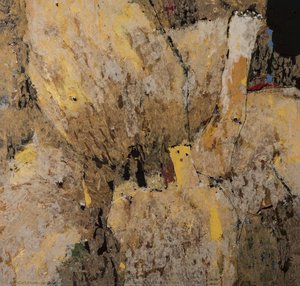
- Reprodukcija uljane slike
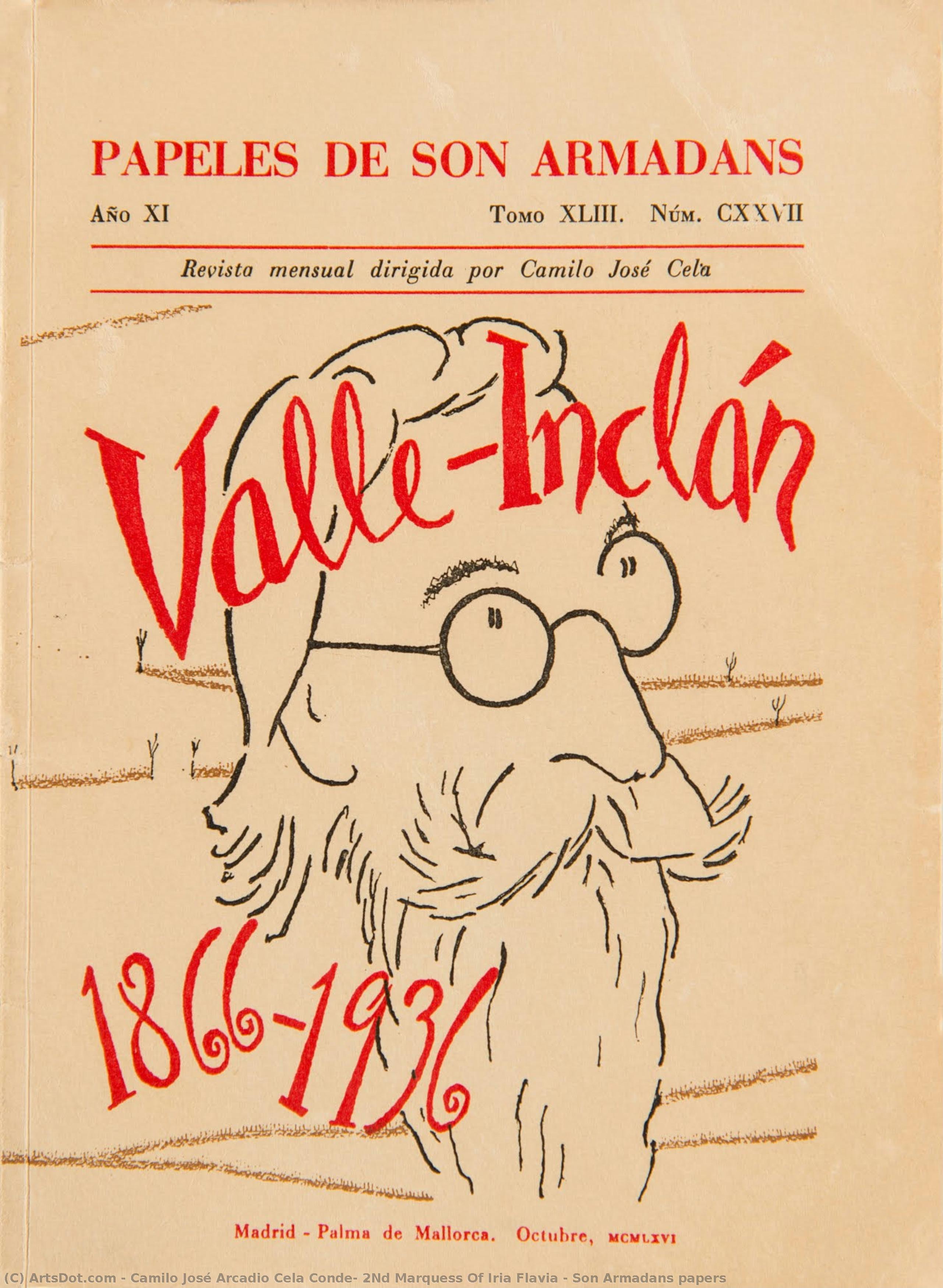
- camilo josé arcadio cela conde, 2nd marquess of iria flavia
 Pregledaj u prostoru
 Pošalji
 Podeli
 Detalji o delu

 Преузми
 Slični predmeti
 Rendgenski snimak
 Slajdovi
 Statistika
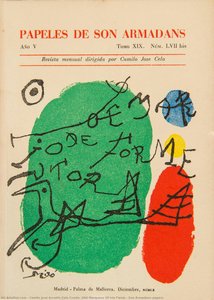
Son Armadans papers


 Pročitaj više
Ručno rađena uljana reprodukcija
Ručno oslikano uljanim bojama na platnu u dimenzijama i okviru po vašem izboru, izrađeno po porudžbini od strane naših umetnika. ( Pređi na štampu Pređi na digitalnu sliku)




































Izaberite jednu od naših unapred definisanih veličina koje odgovaraju originalnim proporcijama umetničkog dela.

Можете унети сопствене димензије како бисте прилагодили дело одређеном оквиру или простору. Ако одабрана величина не одговара пропорцијама оригинала, слика ће бити исечена или проширена додатним елементима који се ручно насликавају. Дигитални prikaz ће вам бити послат на одобрење пре почетка производње.
Имајте на уму да преглед на екрану не одражава стварно исецање или проширење. Само приказ (mockup) ће тачно приказати коначну композицију.
Иако су доступне прилагођене величине, препоручујемо да одаберете димензију из дефинисане листе како бисте сачували оригиналне пропорције.
Nakon narudžbine, tim ArtsDot.com će klijentu putem e-pošte poslati uputstva i dostaviti prikaz predloženog rešenja
Isporuka širom sveta () za 3/4 nedelje umesto uobičajenih 5 nedelja. (8 септембар). Bez kompromisa po pitanju kvaliteta.

Besplatna ekspresna dostava širom sveta

Visokokvalitetno laneno platno

Kompletno osiguranje transporta

Garancija povraćaja carine i uvoznih dažbina

Garancija vernosti boja

Politika povraćaja u roku od 100 dana (isključivo u slučaju nedostataka)

Garancija povrata novca od 100%

Popust pri grupnoj kupovini
 Opcija sa staklom dostupna je samo za dimenzije manje od 110 cm

Son Armadans papers
Tehnika reprodukcije
Dimenzije reprodukcije
-


Konačna cena
$ 263
Srodna umetnička dela
Biografija umetnika
A Legacy of Memory and Philosophical Inquiry
Camilo José Cela Conde, born on January 17, 1946, in Spain, occupies a unique and profound position within the landscape of contemporary Spanish intellectual life. As the son of the monumental Nobel Prize laureate Camilo José Cela, his identity has often been viewed through the lens of a formidable literary lineage. Yet, to view him merely as an heir is to overlook the distinct, contemplative path he has forged for himself. While he inherited a certain poetic sensitivity and a stylistic awareness from his father’s groundbreaking work, Cela Conde has transitioned far beyond mere imitation, establishing himself as a multifaceted scholar, novelist, and essayist whose work explores the intricate intersections of memory, identity, and the human condition.
His early years were deeply influenced by the rich, evocative traditions of the Andalusian region, specifically the landscapes that shaped the sensibilities of great writers like Valle-Inclán. This connection to the soil and the historical weight of the Spanish landscape provided a foundation for his meticulous observations of life. His literary journey began in earnest during the mid-1970s, a period marked by both personal academic achievement and the publication of works that signaled his emerging voice. Through his writing, he has sought to capture the essence of existence, often blending the boundaries between historical reality and philosophical reflection.
The Intersection of Literature and Thought
The evolution of Cela Conde’s oeuvre is characterized by a seamless movement between fiction and deep academic inquiry. His notable novels serve as vessels for exploring psychological depth and the transformative nature of storytelling. In works such as Son Armadans Papers, he delves into the haunting impact of trauma, using narrative to navigate the complexities of the human psyche. This ability to weave personal or historical weight into a compelling prose style is a hallmark of his contribution to modern Spanish letters.
Beyond the realm of fiction, his intellectual pursuits have led him to become a distinguished professor of the Philosophy of Law, Morality, and Politics at the University of the Balearic Islands. This academic rigor informs much of his non-fiction writing, where he tackles grander, more existential questions. His bibliography reveals a mind preoccupied with the biological and ethical foundations of humanity, as seen in works like Evolución Humana and La profecía de Darwin. In these texts, he examines the tension between our evolutionary origins and the moral structures we build to govern our societies, reflecting a profound engagement with the scientific and philosophical challenges of the modern era.
Recognition and Intellectual Significance
The significance of Camilo José Cela Conde lies in his ability to bridge the gap between the visceral experience of life and the abstract study of ethics and law. He does not merely observe the world; he seeks to understand the underlying mechanisms of justice, responsibility, and human progress. His work often serves as a bridge between generations, particularly in his deeply personal tribute, Cela, mi padre, which offers an intimate look at the life of his father while contributing to the broader cultural understanding of one of Spain's greatest literary figures.
Throughout his career, his contributions have been recognized by prestigious cultural institutions and juries, cementing his status as a vital voice in Spanish academic and literary circles. Whether he is writing about the evolutionary path of our species or reflecting on the nuances of political morality, his work remains anchored in a commitment to truth and a deep respect for the complexities of human history. His legacy continues to grow through his ongoing research and his ability to inspire thought regarding the role of philosophy in shaping the values of a changing world.
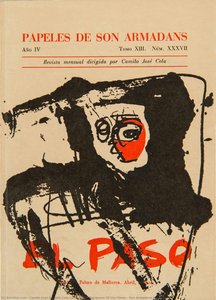
camilo josé arcadio cela conde, 2nd marquess of iria flavia
1946 - , Spain
Osnovne informacije
- Artistic Movement Or Style: Contemporary Literature
- Artists Who Influenced This Artist: ['Camilo José Cela']
- Date Of Birth: January 17, 1946
- Full Name: Camilo José Cela Conde
- Nationality: Spanish
- Notable Artworks: ['Son Armadans papers']
- Place Of Birth: Spain (Valencia)
Povezani članci
Acrylic on Paper: A Modern Canvas for Contemporary Expression
Explore the versatility of acrylic painting on paper! Discover expert techniques, artist insights & archival practices for creating stunning contemporary art. Learn more at ArtsDot.
Ephemeral Expressions: Exploring the Nuances of Ink on Paper Through History & Contemporary Art
Explore the captivating world of ink wash painting – from its ancient origins to contemporary masters. Discover techniques, symbolism & conservation insights with ArtsDot.com.
Acrylic on Paper: 10 Masterpieces That Redefined Modern Art | ArtsDot
Explore 10 legendary 'Acrylic on Paper' masterpieces by artists like Helen Frankenthaler & Gerhard Richter. Discover abstract expressionism, color field painting & the evolution of modern art. Find museum-quality reproductions for your home at ArtsDot.com.
Umjetnost ponovno oživljena: Vodič kroz tehnike reprodukcije uljanih slika, platna i papira
Otkrijte svijet vrhunskih reprodukcija uljanih slika ručnog rada! ArtsDot nudi personalizirane portrete, platna i papir. Kvalitetni materijali, stručni umjetnici & 100% garancija zadovoljstva. Naručite svoju umjetnost danas!

Ephemeral Visions: Exploring the Artistic Legacy & Nuances of Watercolor Painting
Explore the captivating world of watercolor painting! Discover its rich history, essential techniques, influential artists & collecting tips from art experts. A comprehensive guide for enthusiasts.