

 Pregledaj u prostoru
 Pošalji
 Podeli
 Detalji o delu

 Преузми
 Slični predmeti
 Rendgenski snimak
 Slajdovi
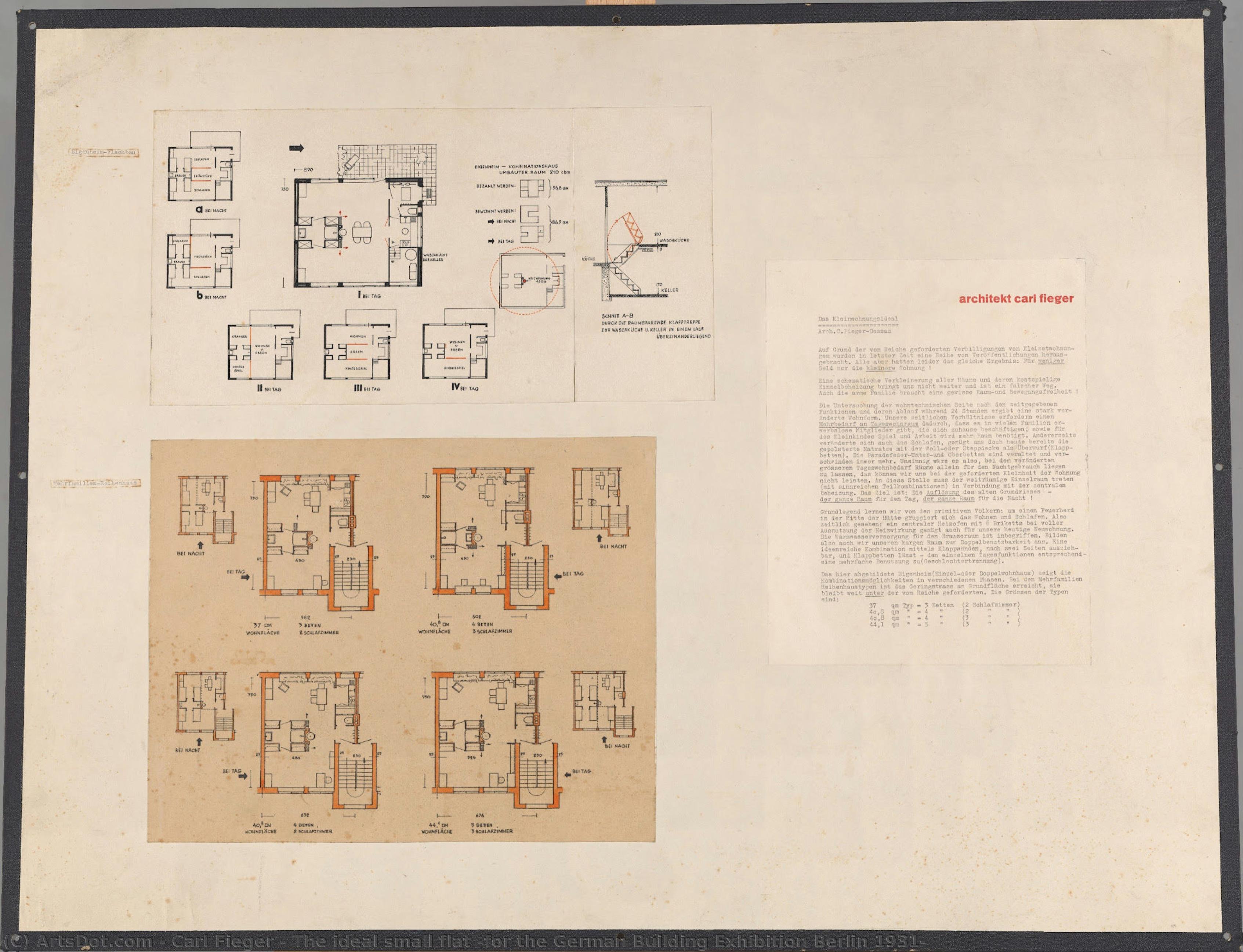
The ideal small flat (for the German Building Exhibition Berlin 1931)
 Acrylic On Canvas
- WallArt
- Bauhaus Ideals
 1930
1930 21.0 x 39.0 cm
 Bauhaus Dessau Foundation
 Pročitaj više
Kupite digitalnu sliku visoke rezolucije i poboljšanog kvaliteta, koja je znatno superiornija od onoga što vidite u online prikazu.
Svaka datoteka je pedantno pripremljena od strane naših stručnjaka koristeći napredne alate i profesionalnu ručnu retušu. Osiguravamo da svaka slika ima izuzetnu oštrinu, preciznu reprodukciju boja i fine detalje.
Konačna datoteka se dostavlja putem e-pošte u roku od 72 sata, optimizovana za neposrednu upotrebu u profesionalnim, izdavačkim i štamparskim okruženjima. To je isti kvalitet kojem veruju vrhunski studiji dizajna, izdavači i galerije.
Digitalna slika
Preuzmite datoteku visoke rezolucije za ličnu upotrebu, štampanje i kreativne projekte. ( Kupi print Kupi ručno naslikanu sliku)
Uključeno uz svaku porudžbinu digitalne slike
Profesionalna digitalna isporuka, zagarantovana
Kada odaberete ArtsDot.com, ne dobijate samo sliku – vi primate profesionalno unapređeno digitalno umetničko delo, izrađeno sa najvećom preciznošću i uz garanciju zadovoljstva. Evo svega što automatski dolazi uz vašu porudžbinu:

Brza dostava putem e-pošte
Vaša digitalna slika visoke rezolucije biće vam poslata putem e-pošte u roku od 72 sata od poručivanja – spremna za trenutnu upotrebu.

Digitalna datoteka unapređena veštačkom inteligencijom
Vaše umetničko delo je profesionalno optimizovano korišćenjem naprednih AI alata i ručne obrade, čime se osiguravaju maksimalni detalji, oštrina i preciznost boja.

Besplatna ponovna isporuka doživotno
Slučajno ste obrisali ili izgubili svoju datoteku? Ne brinite – poslaćemo vam je ponovo u bilo kom trenutku, potpuno besplatno.

Bez troškova uvoza – zauvek
Uživajte u svojim umetničkim delima trenutno, bez carine, dažbina ili troškova dostave – digitalni download je uvek bez poreza.

Garancija vernosti boja
Uz pomoć profesionalnih alata i upravljanja bojama, osiguravamo da vaša digitalna slika što vernije odražava originalne boje.

Garancija zadovoljstva u roku od 60 dana
Ako niste zadovoljni svojom digitalnom slikom, revidirat ćemo je ili vratiti 100% novca u roku od 60 dana – bez ikakvih pitanja.

100% garancija povrata novca
Niste zadovoljni? Obezbedite pun povrat novca u roku od 60 dana od trenutka kada ste primili svoju digitalnu datoteku – bez suvišnih pitanja.

Popusti na velike porudžbine
Kupite 3 slike, uštedite 10% - Kupite 5 slika, uštedite 15% - Kupite 10+ slika, uštedite 20%. Odlično za kreativne projekte, galerije i agencije.
Opis kolekcionarskog dela
The Ideal Small Flat (for the German Building Exhibition Berlin 1931) – A Vision of Functional Modernity
Carl Fieger’s “The Ideal Small Flat” stands as a testament to the Bauhaus ethos—a radical departure from Victorian ornamentation and an unwavering commitment to simplicity, efficiency, and social responsibility. Created in 1930 for the German Building Exhibition held in Berlin, this painting isn't merely a depiction of architectural design; it’s a manifesto of a new aesthetic sensibility that would profoundly influence European architecture throughout the ensuing decades.
Style & Technique: Fieger employed a meticulous watercolor technique on paper—a medium favored by Bauhaus artists for its ability to capture subtle tonal variations and convey textural nuances. The painting's muted palette—primarily creams, browns, and pale greens—reflects the Bauhaus’s emphasis on natural materials and restrained color schemes. Precise geometric forms dominate the composition, mirroring the architectural principles championed by Walter Gropius and embodying the belief that beauty resided in functionality.
Historical Context: The German Building Exhibition of 1931 served as a showcase for innovative building technologies and design concepts—a deliberate attempt to propel Germany into the vanguard of industrial progress. However, it also coincided with the rise of Nazism, casting a shadow over the Bauhaus movement’s utopian ideals. Despite this turbulent period, Fieger's artwork captured the spirit of optimism and experimentation that characterized the Bauhaus years.
Symbolism & Emotional Impact: Beyond its architectural representation, “The Ideal Small Flat” speaks to broader themes of social reform and humanist values. The carefully considered proportions and harmonious arrangement convey a sense of order and balance—a deliberate antidote to the chaotic excesses of previous artistic traditions. Viewing this painting evokes feelings of calm contemplation and admiration for the elegance of understated design.
Additional Research: This artwork is featured prominently in “The Ideal Small Flat (for the German Building Exhibition Berlin 1931)” by Carl Fieger, which can be found on Google Arts & Culture. It’s also discussed in “The Silent Visionary” by Stiftung Bauhaus Dessau, highlighting Fieger's role within the broader Bauhaus movement and its enduring legacy.
You can find more information about Carl Fieger on ArtsDot’s artist database.
Srodna umetnička dela
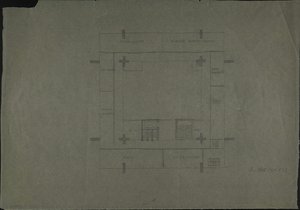
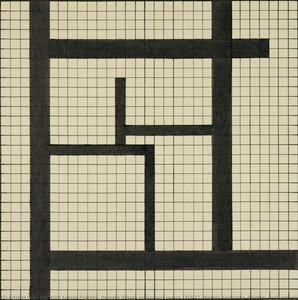
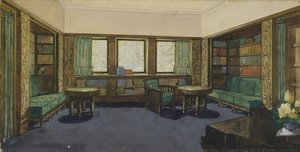
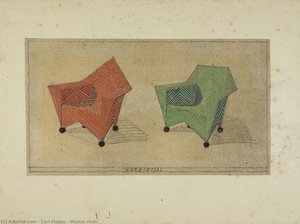
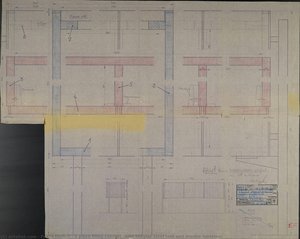
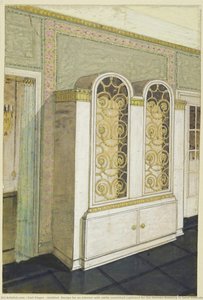
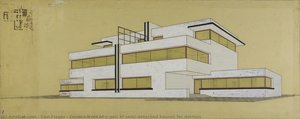
Biografija umetnika
The Architect of Bauhaus Ideals: The Life and Legacy of Carl Fieger
In the grand tapestry of early 20th-century modernism, few figures embody the intersection of structural precision and social vision as elegantly as Carl Fieger. Born in Mainz, Germany, in 1893, Fieger emerged from a period of profound artistic transformation. His journey began at the Mainz Art and Vocational School, an institution where he first encountered the burgeoning currents of Impressionism and Jugendstil. These early exposures to organic forms and expressive color palettes provided him with a sensitive aesthetic foundation, yet it was his subsequent immersion in the rigorous, functionalist world of the Bauhaus that would ultimately define his historical significance.
The trajectory of Fieger’s career was irrevocably altered when he entered the orbit of Walter Gropius. Beginning his apprenticeship as a draftsman in 1912, Fieger became an integral part of the revolutionary atmosphere at the Bauhaus school in Weimar. Under Gropius’s mentorship, he moved away from the decorative flourishes of the past and toward a future defined by geometric abstraction, material experimentation, and the radical belief that art should serve a functional purpose in everyday life. This period was not merely a professional training ground but a philosophical awakening, where Fieger learned to view architecture as a tool for social progress.
Mastery of Form and Functionalist Vision
Fieger’s body of work is characterized by an extraordinary ability to translate complex architectural theories into tangible, human-centric designs. His collaborations with Gropius on monumental projects—such as the Fagus Factory and the iconic Bauhaus Building in Dessau—demonstrate his mastery of modern construction techniques, including the innovative use of tubular steel and glass. Through these works, Fieger helped pioneer a visual language that celebrated the beauty of industrial materials and the efficiency of modern engineering.
Beyond large-scale industrial structures, Fieger’s true genius often resided in his intimate approach to domesticity. He was deeply invested in the concept of Existenzminimum—the idea of designing highly efficient, minimal living spaces that did not sacrifice dignity or comfort. His notable projects include:
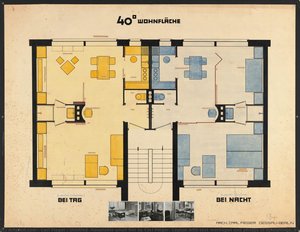
- The Ideal Small Flat: A visionary architectural concept developed for the 1931 German Building Exhibition (Deutsche Bauausstellung) in Berlin, which emphasized a logical flow between essential rooms such as the kitchen, living area, and bedroom.
- Adaptive Floor Plans: Detailed layouts that utilized text montages and photographic elements to showcase how furniture and spatial arrangement could maximize utility within limited urban footprints.
A Lasting Impression on Modern Design
The historical significance of Carl Fieger lies in his role as a bridge between the artistic experimentation of the late 19th century and the disciplined functionalism of the modern era. His work was never solely about the aesthetic of a building; it was about the lived experience within it. By prioritizing efficiency, light, and movement, he helped shape the very blueprint of contemporary urban living. Even as architectural styles shifted throughout the mid-20th century, the principles of clarity and purpose championed by Fieger remained foundational.
Though his life concluded in 1960, the echoes of his Bauhaus apprenticeship continue to resonate in the halls of architectural history. Through his meticulous drawings and groundbreaking housing concepts, Fieger remains a vital figure for anyone seeking to understand how the marriage of art and craft can fundamentally reshape the world we inhabit.
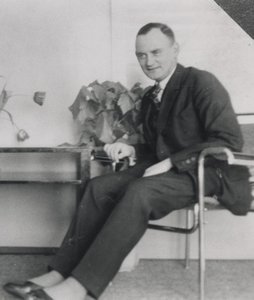
Carl Fieger
1893 - 1960 , Germany
Kratke činjenice
- Artistic Movement Or Style: Bauhaus
- Artists Who Influenced This Artist:
- Walter Gropius
- Peter Behrens
- Date Of Birth: June 15, 1893
- Date Of Death: 1960
- Full Name: Carl Fieger
- Nationality: German
- Notable Artworks:
- Untitled (Club House of the deutscher verein in barcelona, perspective view)
- Untitled (Design for an interior with white varnished cupboard for the German Embassy in Saint Petersburg)
- Untitled (Sommerfeld House, Berlin-Lichterfelde, architects Walter Gropius and Adolf Meyer. Concept, perspective view of a reading room)
- Place Of Birth: Mainz, Germany

