

 Pregledaj u prostoru
 Pošalji
 Podeli
 Detalji o delu

 Преузми
 Slični predmeti
 Rendgenski snimak
 Slajdovi
 Statistika
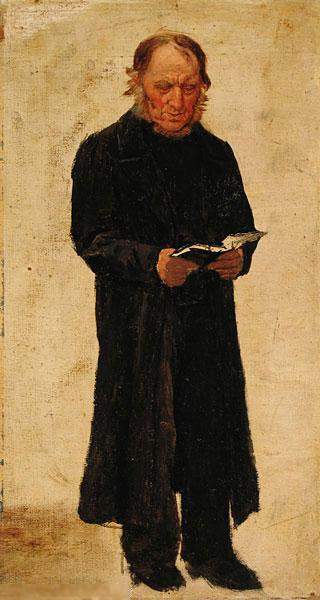
Deutsch Ein Küster mit Gesangbuch English A sexton with a songbook
 Naturalism
 1897
1897 43.0 x 24.0 cm
 Pročitaj više
Giclee štampa / Umetnički otisak
Giclée štampa ili print na platnu muzejskog kvaliteta uz brzu proizvodnju i fleksibilne opcije završne obrade. ( Kupi ručno naslikanu sliku Pređi na digitalnu sliku)




































Izaberite jednu od naših unapred definisanih veličina koje odgovaraju originalnim proporcijama umetničkog dela.

Možete uneti sopstvene dimenzije kako biste umetničko delo prilagodili specifičnom okviru ili prostoru. Ako odabrani format ne odgovara proporcijama originalne slike, mi ćemo ili iscrtati deo dela ili proširiti sliku pomoću ogledane ivice ili jednobojnog popunjavanja. Digitalni prikaz će vam biti poslat na odobrenje pre početka proizvodnje.
Imajte na umu da pregled na ekranu ne odražava stvarno iscrtavanje ili proširivanje. Samo će prikaz (mockup) precizno pokazati finalnu kompoziciju.
Iako su prilagođene dimenzije dostupne, preporučujemo da odaberete dimenziju sa unapred definisane liste kako biste očuvali originalne proporcije.
Dostava širom sveta () za 2 nedelje umesto uobičajenih 4/5 nedelja. (9 септембар)

Besplatna ekspresna dostava širom sveta

Visokokvalitetno laneno platno

Kompletno osiguranje transporta

Garancija povraćaja carine i uvoznih dažbina

Garancija vernosti boja

Politika povraćaja u roku od 100 dana (isključivo u slučaju nedostataka)

Garancija povrata novca od 100%

Popust pri grupnoj kupovini
 Opcija sa staklom dostupna je samo za dimenzije manje od 110 cm

Deutsch Ein Küster mit Gesangbuch English A sexton with a songbook
Giclee štampa / Umetnički otisak
Dimenzije reprodukcije
-


Konačna cena
$ 62
Srodna umetnička dela
Biografija umetnika
Carl Ludwig Jessen: The Painter of Frisian Homeland
Born in Deezbüll, North Frisia in 1833, Carl Ludwig Jessen’s life and art were inextricably linked to the landscape he so meticulously captured. Initially apprenticed as a carpenter, his early work decorating farmsteads provided invaluable insight into the rhythms of rural life – a foundation that would profoundly shape his artistic vision. It was this intimate knowledge, combined with a formal education in Copenhagen, Paris, and Rome, that propelled him from humble beginnings to become known as the “Frisian Painter” (Friesenmaler) in Germany and Denmark, a title reflecting both his regional identity and his unique approach to depicting contemporary life.
Jessen’s artistic journey began with portraiture, honed during self-study before he fully embraced landscape painting. His time at the Royal Danish Academy of Fine Arts under Wilhelm Marstrand proved pivotal. Influenced by Høyen's emphasis on portraying Danish national history and tradition, Jessen initially sought to capture a grander narrative through his art. However, it was the realities of Schleswig-Holstein’s loss in 1865 – following the Treaty of Vienna – that dramatically shifted his focus. Returning to North Frisia, he found himself deeply connected to the land and its people, dedicating his career to documenting their lives with remarkable accuracy and detail.
A Naturalist's Eye: Capturing Rural Life
Jessen’s artistic style is undeniably rooted in Naturalism. He eschewed romanticized depictions of rural life, instead presenting a remarkably honest portrayal of the everyday experiences of his fellow North Frisians. His paintings are characterized by meticulous observation and an almost photographic quality – he painstakingly rendered details of clothing, tools, architecture, and the ever-present marshlands. This commitment to realism was not merely technical; it stemmed from a deep respect for the people and traditions of his homeland.
His subjects ranged from farmers tending their fields to fishermen returning with their catch, from women spinning wool by the hearth to children playing in the village square. These scenes were often imbued with a quiet dignity and a sense of timelessness, reflecting Jessen’s belief in the enduring values of rural life. However, it's important to acknowledge a critical debate surrounding his work: some critics have argued that Jessen idealized this rural existence, presenting a somewhat sanitized version of reality – a perspective often countered by those who recognize his profound empathy for his subjects and his dedication to preserving their cultural heritage.
Travel, Influence, and Artistic Evolution
Following the loss of Schleswig-Holstein, Jessen received scholarships that enabled him to broaden his artistic horizons. A Prussian scholarship in 1867 and 1868 allowed him to study in Paris and Rome, exposing him to new techniques and styles. During this period, he experimented with Impressionistic influences, though he ultimately returned to the more grounded realism of his North Frisian subjects. His time in Hamburg (1871-1875), while debated by some historians, provided a brief exposure to urban life, which subtly informed his later work.
His marriage to Martha Elisabeth Benecke in 1893 marked a significant shift – the couple built a modern house, a departure from the traditional vernacular architecture of North Frisia. This decision highlights Jessen’s evolving artistic sensibilities and his willingness to embrace new ideas. Despite this change, he remained committed to portraying the familiar landscapes and people of his homeland, solidifying his reputation as the “Frisian Painter.”
Legacy and Recognition
Carl Ludwig Jessen died in Deezbüll in 1917, leaving behind a substantial body of work that continues to be celebrated for its realism, detail, and poignant portrayal of North Frisian life. His paintings offer invaluable insights into the cultural traditions and daily routines of a region often overlooked by broader historical narratives. He was awarded an honorary professorship from the University of Kiel in 1910, a testament to his significant contribution to both art and society. Jessen’s legacy extends beyond his artistic achievements; he is remembered as a chronicler of his people, a defender of their heritage, and a master of capturing the essence of North Frisian life on canvas.
Notable works such as “Deutsch Ein Küster mit Gesangbuch” (1897) and “Deutsch Die blaue Stube” (1912) exemplify his skill in depicting domestic interiors and rural scenes with remarkable accuracy and emotional resonance. His dedication to portraying the authentic life of North Frisia cemented his place as a key figure in both Danish and German art history, ensuring that the stories of its people would continue to be told through his evocative paintings.
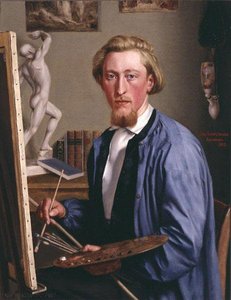
Carl Ludwig Jessen
1833 - 1917
Osnovne informacije
- Artistic Movement Or Style: Naturalism painter
- Artists Or Movements Influenced By This Artist:
- Frisian painter (Germany)
- Frisian painter (Denmark)
- Artists Who Influenced This Artist:
- Wilhelm Marstrand
- Høyen
- Date Of Birth: 1833
- Date Of Death: 1917
- Full Name: Carl Ludwig Jessen
- Nationality: North Frisian
- Notable Artworks:
- Deutsch Ein Küster mit Gesangbuch
- Deutsch Die blaue Stube
- Deutsch Susanna im Bade
- Place Of Birth: Deezbüll, North Frisia
Povezani članci
Anton von Werner: Imperial Painter, Historical Witness & Shifting German Identity
Explore the life & work of Anton von Werner, Imperial Germany's leading painter. Discover his dramatic depictions of war, unification, and court life – a fascinating insight into 19th-century German history & art.
The Northern Awakening: Artistic Innovation & Cultural Transformation in the German Renaissance
Explore the artistic innovation of the German Renaissance! Discover Dürer, the Danube School & Reformation art. Learn about techniques, materials & lasting influence. Find museum-quality reproductions at ArtsDot.
German Expressionism's 10 Defining Masterpieces | Art for Your Home
Explore 10 defining German Expressionism masterpieces – from Munch's 'The Scream' to Kandinsky’s abstracts. Discover the artists, stories & bold colors behind this powerful art movement. Find museum-quality reproductions at ArtsDot.com.
Marianne North's Masterpieces: 25 Botanical Paintings That Bloom With Adventure | ArtsDot
Journey through the vibrant world of Marianne North’s botanical paintings! Explore 25 iconic artworks from this Victorian artist, celebrating exotic flora & travel. Find museum-quality reproductions and curated decor ideas at ArtsDot.com.
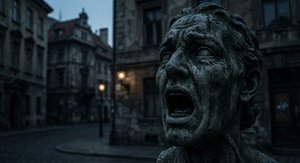
The Visceral Cry of a Nation: Exploring Emotion & Distortion in German Expressionism
Explore the powerful world of German Expressionism with ArtsDot. Discover Kirchner, Nolde & Die Brücke's emotive masterpieces. Learn about this pivotal art movement and its lasting impact on modern art.