

 Pregledaj u prostoru
 Pošalji
 Podeli
 Detalji o delu

 Преузми
 Slični predmeti
 Rendgenski snimak
 Slajdovi
 Statistika
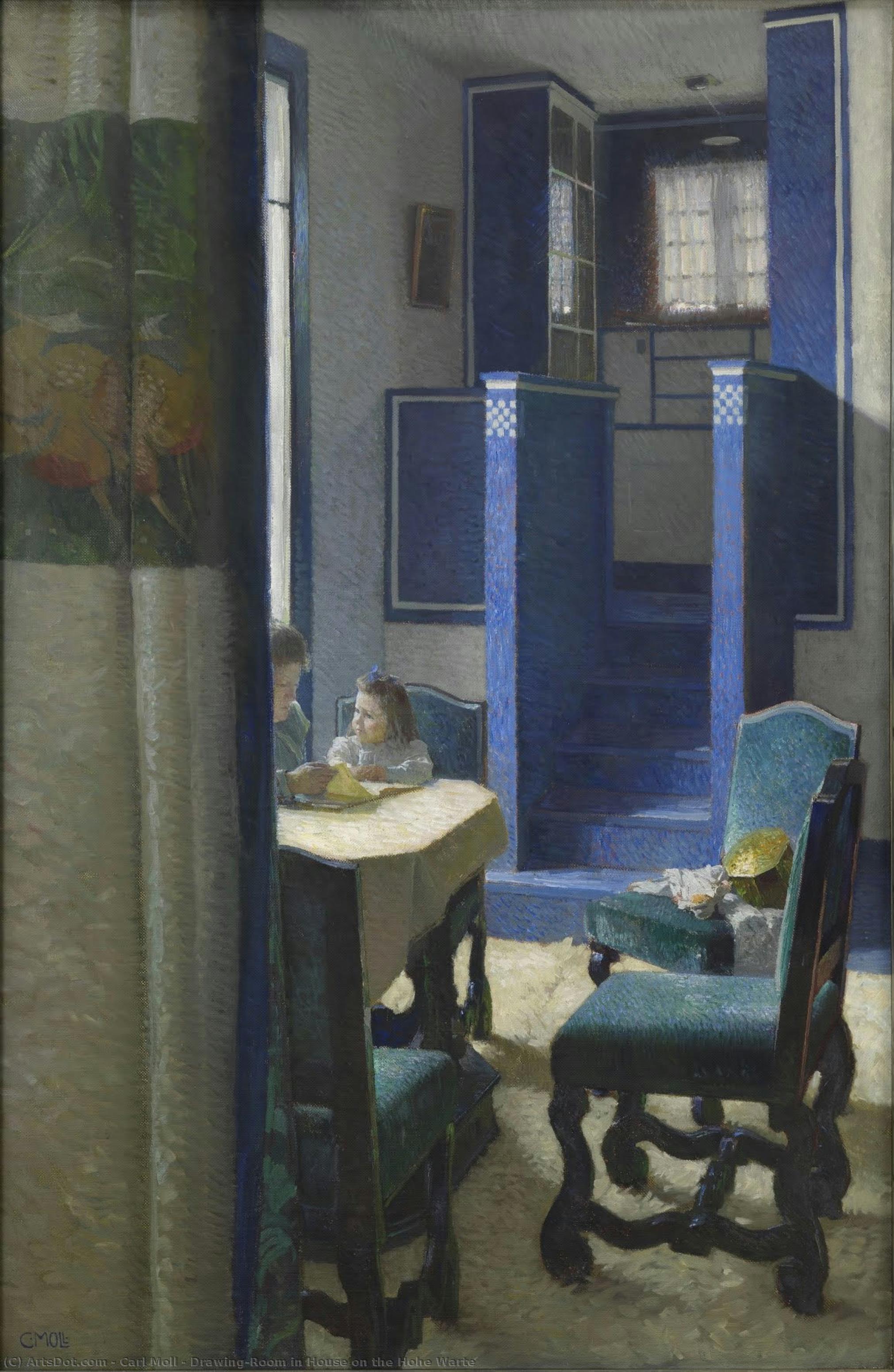
Drawing-Room in House on the Hohe Warte
 Oil On Canvas
- WallArt
- Vienna Secession
 1903
1903 135.0 x 89.0 cm
 Wien Museum
 Pročitaj više
Ručno rađena uljana reprodukcija
Ručno oslikano uljanim bojama na platnu u dimenzijama i okviru po vašem izboru, izrađeno po porudžbini od strane naših umetnika. ( Pređi na štampu Pređi na digitalnu sliku)




P118B $10

P118H $10

P118W $10

P438Z $10

P508JH $12

P508YH $12

P805H $10

P805Z $10

P919BZ $10

P919G $10

P919XJ $10

P959ZH $10

P968JZ $12

W106C $8

W218G $10

W218JH $8

W218Y $10

W307PJ $10

W316G $10

W316PJ $8

W316Y $10

W398PJ $8

W4111J $10

W500HY $15

W500JH $15

W692G $12

W849H $8

W940BG $15

W953PJ $8




Izaberite jednu od naših unapred definisanih veličina koje odgovaraju originalnim proporcijama umetničkog dela.

Можете унети сопствене димензије како бисте прилагодили дело одређеном оквиру или простору. Ако одабрана величина не одговара пропорцијама оригинала, слика ће бити исечена или проширена додатним елементима који се ручно насликавају. Дигитални prikaz ће вам бити послат на одобрење пре почетка производње.
Имајте на уму да преглед на екрану не одражава стварно исецање или проширење. Само приказ (mockup) ће тачно приказати коначну композицију.
Иако су доступне прилагођене величине, препоручујемо да одаберете димензију из дефинисане листе како бисте сачували оригиналне пропорције.
Nakon narudžbine, tim ArtsDot.com će klijentu putem e-pošte poslati uputstva i dostaviti prikaz predloženog rešenja
Isporuka širom sveta () za 3/4 nedelje umesto uobičajenih 5 nedelja. (9 септембар). Bez kompromisa po pitanju kvaliteta.

Besplatna ekspresna dostava širom sveta

Visokokvalitetno laneno platno

Kompletno osiguranje transporta

Garancija povraćaja carine i uvoznih dažbina

Garancija vernosti boja

Politika povraćaja u roku od 100 dana (isključivo u slučaju nedostataka)

Garancija povrata novca od 100%

Popust pri grupnoj kupovini
 Opcija sa staklom dostupna je samo za dimenzije manje od 110 cm

Drawing-Room in House on the Hohe Warte
Tehnika reprodukcije
Dimenzije reprodukcije
-


Konačna cena
$ 313
Drawing-Room in House on the Hohe Warte - Carl Moll
The artwork presents a meticulously crafted interior scene—a drawing room bathed in diffused light—that encapsulates the spirit of Viennese Modernism at the turn of the century. Painted in 1903 by Carl Moll, a prominent figure within the Vienna Secession movement, this piece transcends mere representation; it’s an exploration of atmosphere, form, and emotion, reflecting the artistic fervor of its time.- Subject Matter: The composition depicts a comfortable domestic setting—a drawing room furnished with elegant furniture and populated by figures engaged in leisurely conversation. Moll skillfully captures a moment of everyday life, imbued with warmth and intimacy.
- Style & Technique: Executed in oil paint on canvas, Moll’s technique is characterized by Pointillist methods—a deliberate fragmentation of color achieved through the application of tiny dots—inspired by Impressionistic principles. This approach lends an ethereal quality to the scene, emphasizing luminosity and textural nuances.
- Composition: A central vanishing point directs the viewer's gaze towards a large window, establishing depth and perspective. Furniture placement contributes to spatial relationships, while a curtain partially obscures part of the room, adding an element of mystery.
- Color Palette: Dominantly featuring muted blues—reflecting in the walls and drapery—the palette is contrasted with warmer tones emanating from the table cloth and figures. Subtle shades of green appear in the potted plant, creating a harmonious visual balance.
- Historical Context: Moll’s work aligns perfectly with the Secession's rejection of academic conventions and embrace of innovative artistic expressions. It embodies the movement’s fascination with capturing fleeting moments of beauty and conveying profound emotional resonance—a legacy that continues to inspire artists today.
Srodna umetnička dela
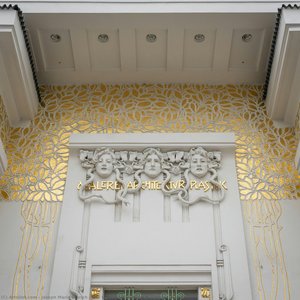
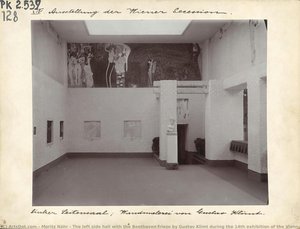
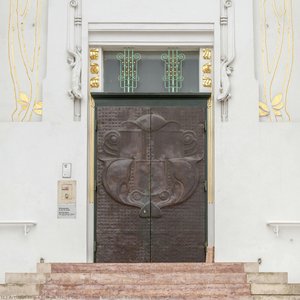
Biografija umetnika
Carl Moll: A Pioneer of Austrian Modernism
Early Life and Education
- Born Carl Julius Rudolf Moll on April 23, 1861, in Vienna, Austria.
- He received his artistic training at the prestigious Academy of Fine Arts Vienna.
- Moll studied under Christian Griepenkerl and later with Emil Jakob Schindler, father of Alma Mahler-Werfel.
- A significant personal event occurred in 1892 when he married Anna von Bergen, Schindler’s widow, following a prior romantic involvement.
Artistic Development and Influences
- Initially influenced by the atmospheric realism prevalent in Vienna during his early career.
- Moll embraced the techniques of French Impressionism, particularly Pointillism, which became a defining characteristic of his style.
- He skillfully integrated Pointillist methods with a meticulous organization of the painting’s surface, creating unique visual effects.
- His work demonstrates an interest in capturing light and atmosphere, alongside detailed depictions of interiors and landscapes.
The Vienna Secession and Modern Art
- In 1897, Moll became a founding member of the Vienna Secession, a group of artists who broke away from traditional artistic institutions.
- He played a crucial role in advocating for modern art exhibitions, notably encouraging the use of the Belvedere Gallery for this purpose in 1903.
- In 1905, alongside Gustav Klimt, Moll left the Secession, though he remained actively involved in Vienna’s vibrant art scene.
- He was instrumental in introducing new artistic movements to Vienna, including organizing the first exhibition of Vincent van Gogh's work in the city.
Major Works and Themes
- Moll is celebrated for his interior scenes, such as “Der Frühstückstisch (The Breakfast Table)” and “Drawing-Room in House on the Hohe Warte,” which showcase opulent settings and detailed realism.
- His landscapes, like "Baumallee in Bruntál," demonstrate his mastery of Pointillist techniques and atmospheric perspective.
- Recurring themes in his work include domesticity, leisure, and the beauty of the natural world.
- He also created still life paintings, demonstrating a keen eye for composition and color.
Historical Significance and Legacy
- Carl Moll was a pivotal figure in the development of Austrian Modernism, bridging the gap between traditional academic painting and avant-garde movements.
- His contributions to the Vienna Secession helped establish Vienna as a major center for artistic innovation at the turn of the 20th century.
- Despite his later association with Nazism, his artistic achievements continue to be recognized and appreciated today.
- In recent years, Moll’s works have achieved record prices at auction, reflecting growing interest in his oeuvre.
Final Years and Death
- Tragically, Carl Moll committed suicide in Vienna at the end of World War II, along with his daughter Maria and son-in-law Richard Eberstaller.
- This act occurred as Soviet forces approached the city, and all three had been early supporters of the Nazi party.
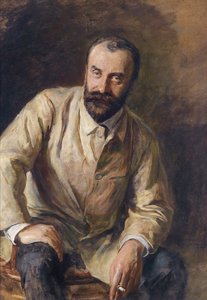
Carl Moll
1861 - 1945 , Austria
Osnovne informacije
- Birth Date: 1861-04-23
- Birth Place: Vienna, Austria
- Death Date: 1945-04-12
- Influenced By: French Impressionists
- Movement: Art Nouveau, Vienna Secession, Pointillism
- Name: Carl Moll
- Nationality: Austrian
- Notable Works:
- Drawing-Room in House on the Hohe Warte
- Der Frühstückstisch (The Breakfast Table)
- Baumallee in Bruntál
Povezani članci
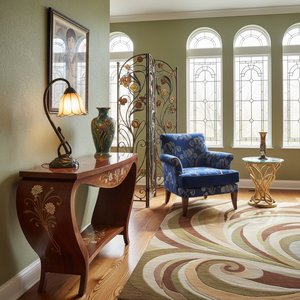
Art Nouveau: 10 Remek Dela Koja Su Definisala Pokret - Elegancija Za Vaš Dom
Otkrijte 10 remek dela Art Nouveau pokreta! Uronite u svet Alfonsa Muche, Gustava Klimta i drugih genijalaca. Istorija umetnosti, inspiracija za dekoraciju doma i reprodukcije vrhunskog kvaliteta na ArtsDot.com. Istražite celu kolekciju online!
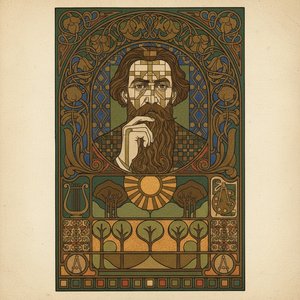
Koloman Moser: A Synthesis of Art Nouveau, Secessionism & the Gesamtkunstwerk Ideal
Explore the life & work of Koloman Moser, a pivotal figure in the Vienna Secession & Wiener Werkstätte. Discover his stunning graphic design, architecture, and applied arts – a true pioneer of Viennese Art Nouveau. Learn more at ArtsDot.
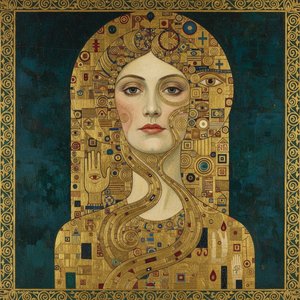
Gustav Klimt: A Golden Legacy of Sensuality & Symbolism in Viennese Art
Explore the captivating world of Gustav Klimt with ArtsDot. Discover his iconic paintings, the Vienna Secession movement, & enduring legacy. High-quality reproductions available.
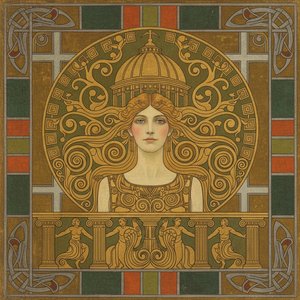
The Vienna Secession: A Rebellion of Form & Spirit in Fin-de-Siècle Art
Discover the revolutionary Vienna Secession art movement! Explore Klimt, Olbrich & more. Learn about its history, characteristics & lasting influence on modern art. High-quality reproductions available.
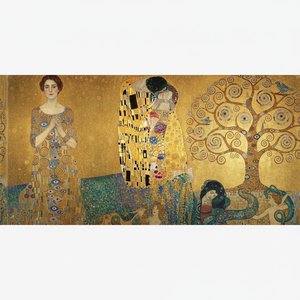
Gustav Klimt: 25 Remek-Dela Koje Očaravaju Svet – Reprodukcije za Vaš Dom
Uronite u svet Gustava Klimta! Otkrijte 25 remek-dela bečkog secesiona, od 'Poljupca' do portreta Adele Bloch-Bauer. Reprodukcije slika vrhunskog kvaliteta za luksuzni enterijer – inspiracija i dekoracija na ArtsDot.com.