

 Pregledaj u prostoru
 Pošalji
 Podeli
 Detalji o delu

 Преузми
 Slični predmeti
 Rendgenski snimak
 Slajdovi
 Statistika
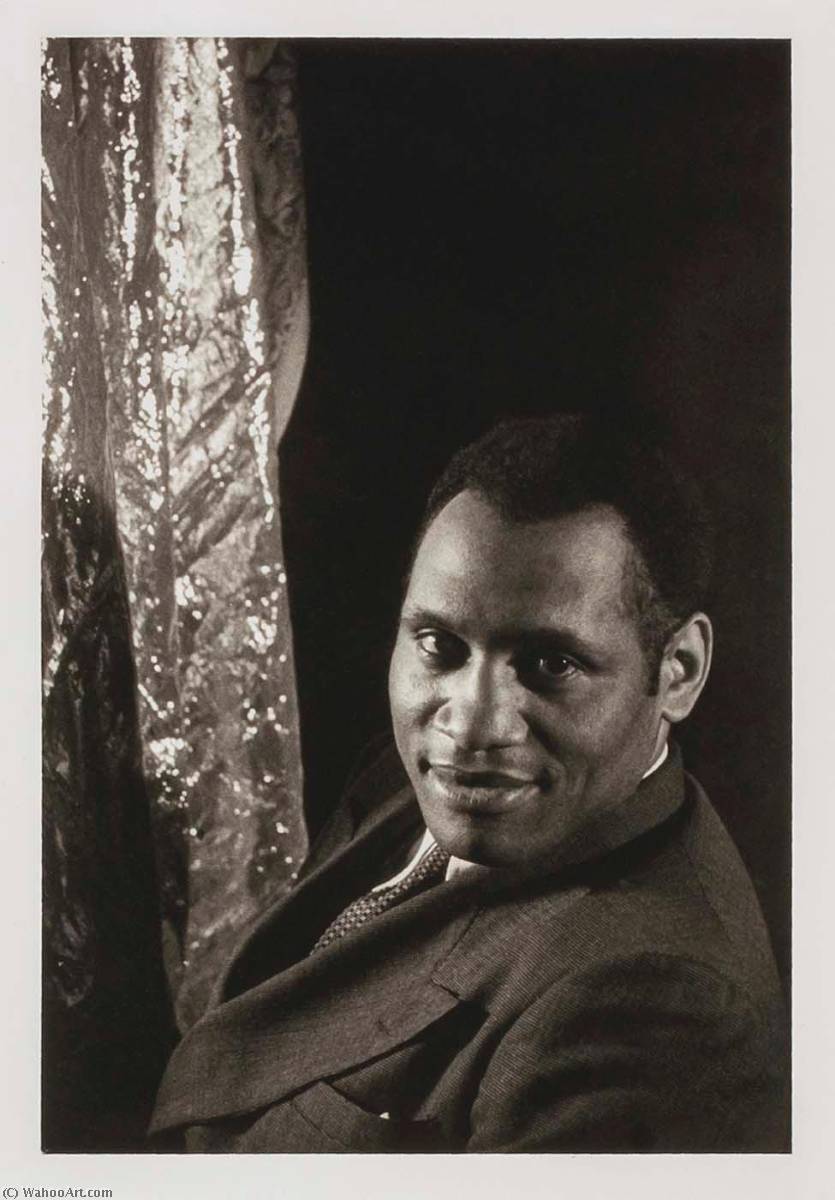
Paul Robeson, from the portfolio O Write My Name American Portraits, Harlem Heroes
 1983
1983 22.0 x 15.0 cm
 Pročitaj više
Kupite digitalnu sliku visoke rezolucije i poboljšanog kvaliteta, koja je znatno superiornija od onoga što vidite u online prikazu.
Svaka datoteka je pedantno pripremljena od strane naših stručnjaka koristeći napredne alate i profesionalnu ručnu retušu. Osiguravamo da svaka slika ima izuzetnu oštrinu, preciznu reprodukciju boja i fine detalje.
Konačna datoteka se dostavlja putem e-pošte u roku od 72 sata, optimizovana za neposrednu upotrebu u profesionalnim, izdavačkim i štamparskim okruženjima. To je isti kvalitet kojem veruju vrhunski studiji dizajna, izdavači i galerije.
Digitalna slika
Preuzmite datoteku visoke rezolucije za ličnu upotrebu, štampanje i kreativne projekte. ( Pređi na štampu Kupi ručno naslikanu sliku)
Uključeno uz svaku porudžbinu digitalne slike
Profesionalna digitalna isporuka, zagarantovana
Kada odaberete ArtsDot.com, ne dobijate samo sliku – vi primate profesionalno unapređeno digitalno umetničko delo, izrađeno sa najvećom preciznošću i uz garanciju zadovoljstva. Evo svega što automatski dolazi uz vašu porudžbinu:

Brza dostava putem e-pošte
Vaša digitalna slika visoke rezolucije biće vam poslata putem e-pošte u roku od 72 sata od poručivanja – spremna za trenutnu upotrebu.

Digitalna datoteka unapređena veštačkom inteligencijom
Vaše umetničko delo je profesionalno optimizovano korišćenjem naprednih AI alata i ručne obrade, čime se osiguravaju maksimalni detalji, oštrina i preciznost boja.

Besplatna ponovna isporuka doživotno
Slučajno ste obrisali ili izgubili svoju datoteku? Ne brinite – poslaćemo vam je ponovo u bilo kom trenutku, potpuno besplatno.

Bez troškova uvoza – zauvek
Uživajte u svojim umetničkim delima trenutno, bez carine, dažbina ili troškova dostave – digitalni download je uvek bez poreza.

Garancija vernosti boja
Uz pomoć profesionalnih alata i upravljanja bojama, osiguravamo da vaša digitalna slika što vernije odražava originalne boje.

Garancija zadovoljstva od 100 dana
Ako niste zadovoljni svojom digitalnom slikom, izvršićemo reviziju ili ćemo vam vratiti 100% novca u roku od 100 dana – bez ikakvih pitanja.

100% garancija povrata novca
Niste zadovoljni? Dobijte puni povraćaj novca u roku od 100 dana od prijema digitalne datoteke – bez suvišnih pitanja.

Popusti na velike porudžbine
Kupite 3 slike, uštedite 10% - Kupite 5 slika, uštedite 15% - Kupite 10+ slika, uštedite 20%. Odlično za kreativne projekte, galerije i agencije.
Srodna umetnička dela




Biografija umetnika
A Life Intertwined with the Avant-Garde
Carl Van Vechten, a name resonating through the annals of early 20th-century American culture, was far more than simply a writer or photographer. He was a cultural catalyst, a passionate patron, and an astute observer who navigated the vibrant currents of modernism with remarkable energy. Born in Cedar Rapids, Iowa, in 1880, into a family that valued both intellectual pursuits and artistic expression—his mother founded the local library and possessed musical talent—Van Vechten’s early life laid the foundation for his multifaceted career. His initial passions leaned towards music and theatre, but it was through writing that he first found his voice, initially as “The Chaperone,” a columnist known for its semi-autobiographical gossip and sharp criticism in Chicago. This marked the beginning of a lifelong engagement with public discourse and artistic commentary. A move to New York City in 1906 solidified his position within the burgeoning cultural landscape, leading to a role as an assistant music critic at *The New York Times*.From Literary Critic to Champion of Modernity
Van Vechten’s intellectual curiosity propelled him beyond traditional criticism. He embarked on journeys to Europe, immersing himself in the world of opera and forging connections that would shape his artistic sensibilities. It was during this period he met Mabel Dodge Luhan, a pivotal figure who introduced him to the heart of the avant-garde movement. This introduction led to a profound friendship with Gertrude Stein, a relationship that would profoundly influence Van Vechten’s own work and ultimately lead to his role as her literary executor. He became a devoted advocate for Stein's experimental writing, even penning “How to Read Gertrude Stein” in an attempt to demystify her often challenging prose. His involvement with figures like Isadora Duncan, Anna Pavlova, and Loie Fuller further cemented his position as a champion of modern dance and performance art. He wasn’t merely documenting these movements; he was actively participating in their evolution, fostering dialogue and providing crucial support. This period saw him transition from solely critiquing the arts to becoming an integral part of its creation and dissemination.Photography and the Harlem Renaissance
The 1930s marked a significant turning point in Van Vechten’s artistic trajectory with his embrace of photography, specifically using a Leica camera. This new medium allowed him to capture portraits of his extensive network of friends and acquaintances—artists, writers, performers—with an intimacy and immediacy that resonated deeply. However, it was his engagement with the Harlem Renaissance that truly defined this phase of his career. Van Vechten became a dedicated patron and documentarian of African American artistic expression, using his platform to champion the work of emerging talents. His photographs offer invaluable glimpses into the lives and creative energies of figures like Langston Hughes, Zora Neale Hurston, and Bessie Smith. While his novel *Nigger Heaven* (1926), remains controversial due to its title—a reflection of the racial slurs prevalent at the time—it aimed to portray the complexities of African American life in Harlem, sparking important conversations about race and representation. His home became a salon where artists from all backgrounds mingled, challenging societal norms and fostering cross-cultural exchange.A Complex Legacy
Van Vechten’s personal life was as complex and multifaceted as his artistic pursuits. His marriage to Fania Marinoff, an actress with progressive social views, was a long and enduring partnership, yet it coexisted alongside relationships with men, most notably Mark Lutz. The extensive correspondence between Van Vechten and Lutz—10,000 letters destroyed at Lutz’s request—hints at the hidden depths of his personal life. His willingness to challenge conventional norms extended beyond his artistic endeavors, making him a figure both celebrated and criticized during his lifetime. Today, his photographs are held in esteemed collections like the Philadelphia Museum of Art, serving as enduring testaments to his vision and artistry. Carl Van Vechten’s legacy rests on his remarkable ability to bridge different worlds—literature, art, music, photography—and his unwavering commitment to fostering creativity and challenging societal boundaries. He remains a pivotal figure in understanding the cultural landscape of early 20th-century America, a man whose life was inextricably intertwined with the avant-garde movements that shaped our modern world.Enduring Influence
- Patronage and Support: Van Vechten’s financial and promotional support were instrumental in launching the careers of numerous artists during the Harlem Renaissance.
- Documenting a Movement: His photographic portraits provide an invaluable visual record of this pivotal period in American history, capturing the spirit and energy of its leading figures.
- Literary Executor: As Gertrude Stein’s literary executor, he ensured her work reached a wider audience, preserving her legacy for future generations.
- Challenging Conventions: His willingness to confront societal norms and explore controversial themes in his writing sparked important dialogues about race, sexuality, and artistic expression.
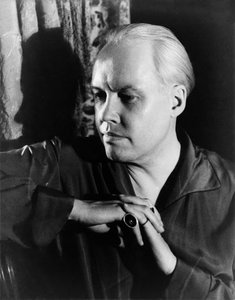
Carl Van Vechten
1880 - 1964