

 Pregledaj u prostoru
 Pošalji
 Podeli
 Detalji o delu

 Преузми
 Slični predmeti
 Rendgenski snimak
 Slajdovi
 Statistika
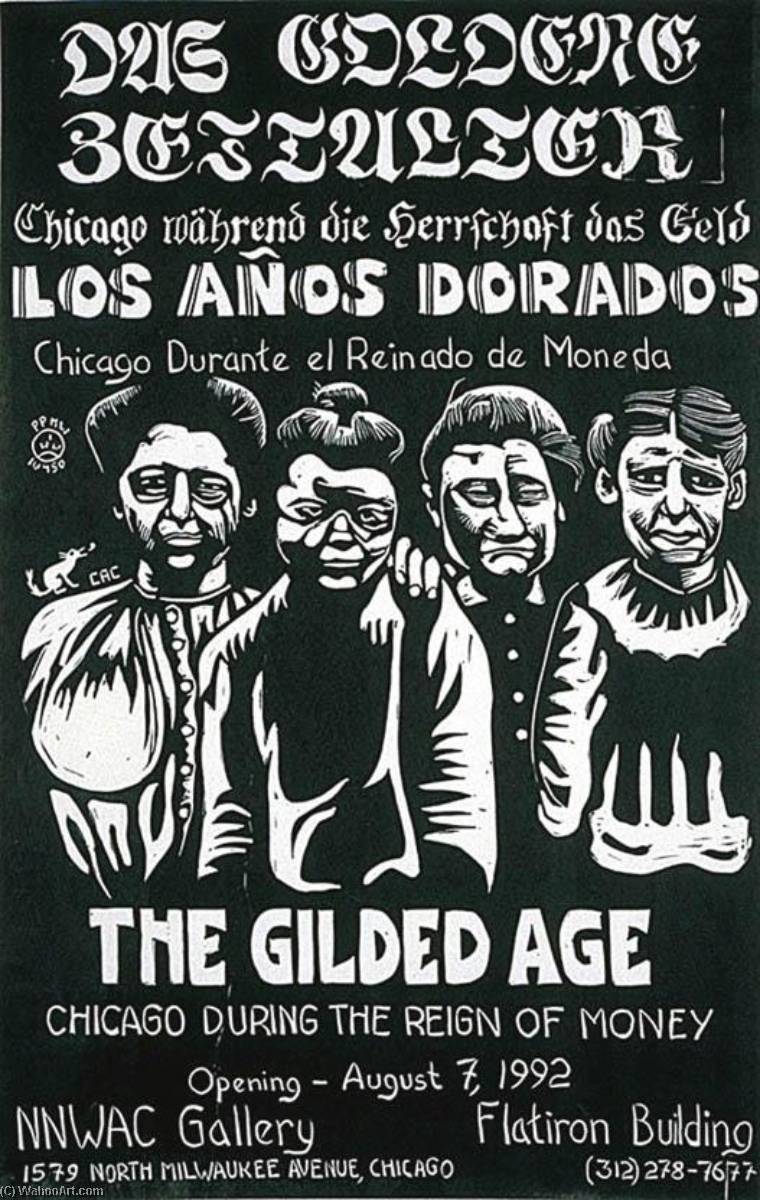
The Gilded Age
 Graphic Expressionism
 1992
1992 76.0 x 50.0 cm
 Pročitaj više
Giclee štampa / Umetnički otisak
Giclée štampa ili print na platnu muzejskog kvaliteta uz brzu proizvodnju i fleksibilne opcije završne obrade. ( Kupi ručno naslikanu sliku Pređi na digitalnu sliku)




































Izaberite jednu od naših unapred definisanih veličina koje odgovaraju originalnim proporcijama umetničkog dela.

Možete uneti sopstvene dimenzije kako biste umetničko delo prilagodili specifičnom okviru ili prostoru. Ako odabrani format ne odgovara proporcijama originalne slike, mi ćemo ili iscrtati deo dela ili proširiti sliku pomoću ogledane ivice ili jednobojnog popunjavanja. Digitalni prikaz će vam biti poslat na odobrenje pre početka proizvodnje.
Imajte na umu da pregled na ekranu ne odražava stvarno iscrtavanje ili proširivanje. Samo će prikaz (mockup) precizno pokazati finalnu kompoziciju.
Iako su prilagođene dimenzije dostupne, preporučujemo da odaberete dimenziju sa unapred definisane liste kako biste očuvali originalne proporcije.
Dostava širom sveta () za 2 nedelje umesto uobičajenih 4/5 nedelja. (10 септембар)

Besplatna ekspresna dostava širom sveta

Visokokvalitetno laneno platno

Kompletno osiguranje transporta

Garancija povraćaja carine i uvoznih dažbina

Garancija vernosti boja

Politika povraćaja u roku od 100 dana (isključivo u slučaju nedostataka)

Garancija povrata novca od 100%

Popust pri grupnoj kupovini
 Opcija sa staklom dostupna je samo za dimenzije manje od 110 cm

The Gilded Age
Giclee štampa / Umetnički otisak
Dimenzije reprodukcije
-


Konačna cena
$ 62
Srodna umetnička dela
Biografija umetnika
Carlos A. Cortéz: An Artist Committed to Labor and Mexican Heritage
Carlos A. Cortéz (1923 – 2005) was a multifaceted artist whose work spanned poetry, graphic design, photography, muralism, and political activism—all deeply intertwined with his unwavering dedication to anarchist principles and the struggles of the industrial working class. Born in Milwaukee, Wisconsin, the son of Mexican-Indian Wobble Union organizer parents, Cortéz’s formative years instilled within him a profound appreciation for social justice and a commitment to artistic expression as a tool for challenging dominant narratives.- Early Life & Education: Cortéz pursued his education at Milwaukee Technical College, honing his skills in drafting and design—skills that would later prove invaluable in crafting impactful visual communications for labor organizations.
- Conscientious Objector Experience: During World War II, Cortéz bravely refused military service as a conscientious objector, aligning himself with pacifist ideals and spending 18 months incarcerated for his principled stance. This experience profoundly shaped his worldview and fueled his artistic exploration of themes related to resistance and moral integrity.
- Joining the Industrial Workers of the World (IWW): Cortéz’s involvement with the IWW began in 1947, marking a pivotal moment in his artistic trajectory. Embracing anarcho-syndicalism as his guiding philosophy, he became a prolific contributor to the union newspaper *The Industrial Worker*, utilizing his graphic skills and poetic sensibilities to disseminate messages of solidarity and critique social hierarchies.
Graphic Artistry: Woodcuts and Linoleum Prints – Vessels of Protest
Cortéz’s artistic legacy rests primarily on his masterful woodcut and linoleum printmaking technique—a medium he adopted with unwavering conviction and transformed into a powerful instrument for conveying political ideas. His prints are characterized by bold lines, striking contrasts of black and white, and evocative imagery that captures the essence of labor struggles, Mexican folklore, and broader social injustices. He skillfully blended stylistic influences from German Expressionism and Cubo-Futurism to create distinctive visual vocabularies that resonated deeply with audiences across continents.
- Notable Prints: Among his most celebrated works are depictions of José Guadalupe Posada’s iconic *Calaveras Graciosas*, reflecting a deep connection to Mexican cultural heritage and artistic traditions. His prints also powerfully portray scenes from the Spanish Civil War, documenting the bravery and resilience of ordinary people confronting oppression.
- Technique & Style: Cortéz's meticulous craftsmanship—characterized by precise carving and careful layering of ink—served as a conduit for conveying complex emotions and narratives. He achieved remarkable visual impact through masterful use of line and texture, creating prints that remain enduring symbols of resistance and artistic integrity.
Recognition & Legacy Cortéz’s artwork gained international acclaim throughout his career, securing prominent positions in the collections of museums including The Museum of Modern Art (MoMA) in New York and The National Museum of Mexican Art in Chicago—where it constitutes the largest and most comprehensive collection of his oeuvre. His enduring influence extends beyond the realm of visual art, inspiring generations of artists and activists to champion social justice and artistic expression as vehicles for transformative change. Cortéz’s unwavering commitment to anarchist ideals and his profound engagement with pressing social issues cemented his place as a visionary artist whose work continues to provoke reflection and inspire action.
Further Resources
- Smithsonian American Art Museum:Carlos A. Cortéz | Smithsonian American Art Museum
- Viva Posada: A Salute to the Great Printmaker of the Mexican Revolution, ISBN 0-88286-261-8
carlos a cortéz
1923 - 2005
Osnovne informacije
- Artistic Movement Or Style: Political Art Prints
- Artists Or Movements Influenced By This Artist: ['Carlo Carrà']
- Artists Who Influenced This Artist: ['Michael C. Carlos Museum']
- Date Of Birth: 1923
- Date Of Death: 2005
- Full Name: Carlos A. Cortez
- Nationality: American
- Notable Artworks:
- Untitled (half portrait of nude woman)
- Jose Guadalupe Posada
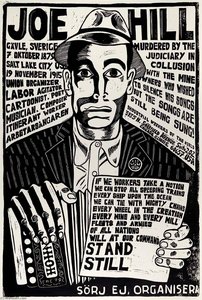
- Joe Hill
- Place Of Birth: Milwaukee, WI
Povezani članci
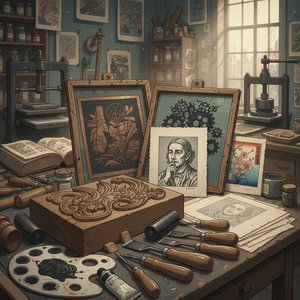
The Enduring Legacy of Printmaking: Techniques, Themes & Artistic Innovation Across Centuries
Explore the rich history of printmaking with ArtsDot. Discover techniques from intaglio to lithography, learn about collecting valuable prints & find museum-quality reproductions. Expert insights for art enthusiasts and collectors.

The Enduring Legacy of Fine Art Prints: Technique, History & Aesthetic Impact
Explore the rich history & techniques of fine art prints. Discover investment potential, assess authenticity, and learn how to preserve your collection with expert guidance. Trusted insights for discerning collectors.

Echoes of Time: Exploring the Enduring Appeal & Historical Context of Vintage Art Prints
Explore the captivating world of vintage art prints! Discover their history, collecting tips & enduring appeal. Expert insights on chromolithography and building a legacy collection with ArtsDot.

Giclée Prints: Archival Quality & Aesthetic Nuances for the Discerning Collector
Explore the world of giclée prints with ArtsDot. Learn about archival quality, aesthetic nuances & investment potential. Expert guidance for discerning art collectors seeking museum-quality reproductions and lasting value.
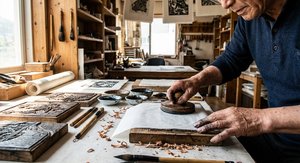
The Enduring Legacy of Woodblock Printmaking: Technique, History & Artistic Expression
Explore the rich history of woodblock printmaking – from ancient techniques to Ukiyo-e masterpieces. Discover expert insights on collecting, preserving & appreciating this enduring art form.