

 Pregledaj u prostoru
 Pošalji
 Podeli
 Detalji o delu

 Преузми
 Slični predmeti
 Rendgenski snimak
 Slajdovi
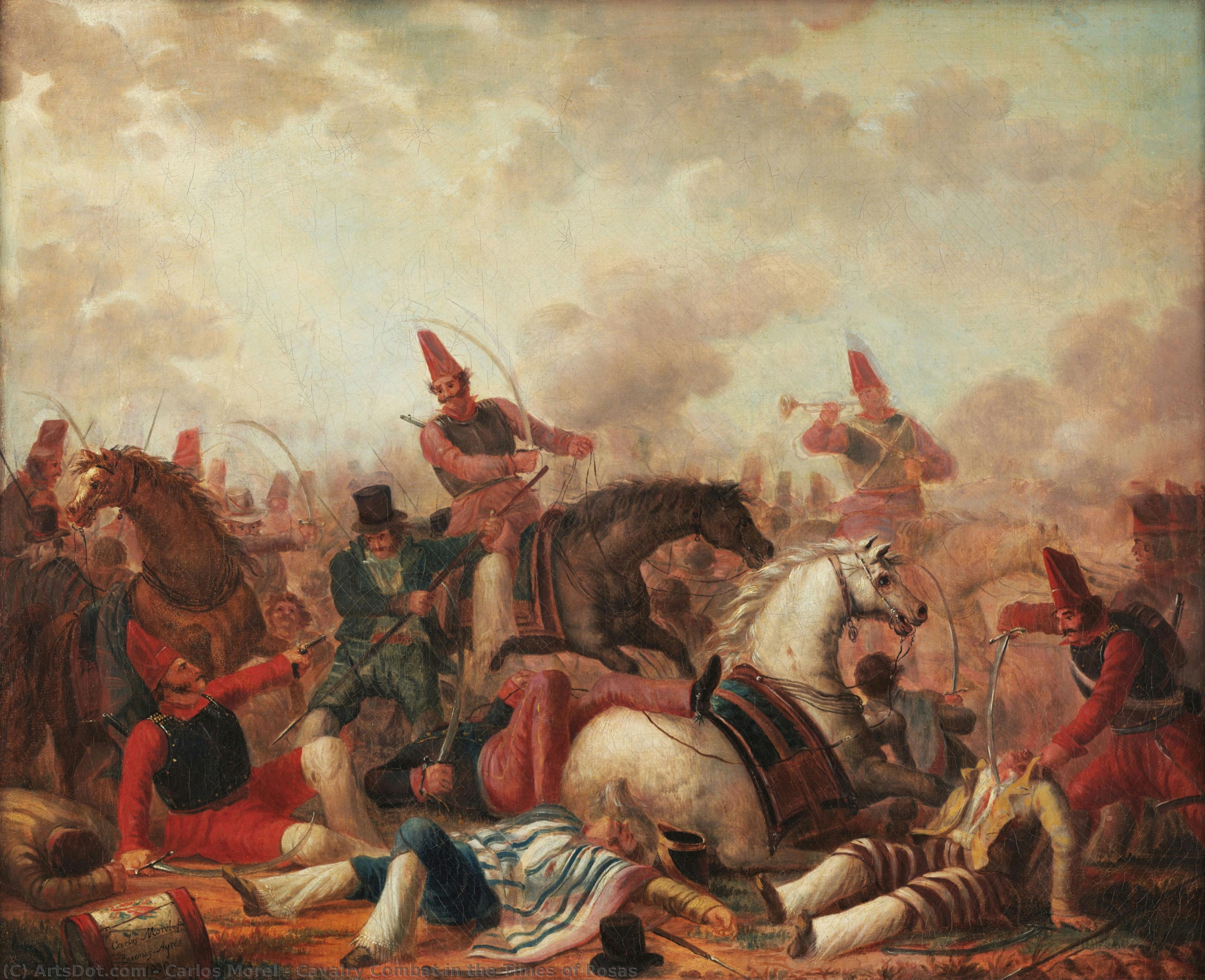
Cavalry Combat in the Times of Rosas
 Oil
Oil- WallArt
- Romanticism
 1839
1839- 19th Century
 54.0 x 45.0 cm
 Nacionalni muzej lepih umetnosti
 Pročitaj više
Giclee štampa / Umetnički otisak
Giclée štampa ili print na platnu muzejskog kvaliteta uz brzu proizvodnju i fleksibilne opcije završne obrade. ( Kupi ručno naslikanu sliku Kupi digitalnu sliku)




P118B $10

P118H $10

P118W $10

P438Z $10

P508JH $12

P508YH $12

P805H $10

P805Z $10

P919BZ $10

P919G $10

P919XJ $10

P959ZH $10

P968JZ $12

W106C $8

W218G $10

W218JH $8

W218Y $10

W307PJ $10

W316G $10

W316PJ $8

W316Y $10

W398PJ $8

W4111J $10

W500HY $15

W500JH $15

W692G $12

W849H $8

W940BG $15

W953PJ $8




Izaberite jednu od naših unapred definisanih veličina koje odgovaraju originalnim proporcijama umetničkog dela.

Možete uneti sopstvene dimenzije kako biste umetničko delo prilagodili specifičnom okviru ili prostoru. Ako odabrani format ne odgovara proporcijama originalne slike, mi ćemo ili iscrtati deo dela ili proširiti sliku pomoću ogledane ivice ili jednobojnog popunjavanja. Digitalni prikaz će vam biti poslat na odobrenje pre početka proizvodnje.
Imajte na umu da pregled na ekranu ne odražava stvarno iscrtavanje ili proširivanje. Samo će prikaz (mockup) precizno pokazati finalnu kompoziciju.
Iako su prilagođene dimenzije dostupne, preporučujemo da odaberete dimenziju sa unapred definisane liste kako biste očuvali originalne proporcije.
Dostava širom sveta () za 2 nedelje umesto uobičajenih 4/5 nedelja. (29 август)

Besplatna ekspresna dostava širom sveta

Visokokvalitetno laneno platno

Kompletno osiguranje transporta

Garancija povraćaja carine i uvoznih dažbina

Garancija vernosti boja

Politika povrata u roku od 60 dana (samo u slučaju nedostataka)

Garancija povrata novca od 100%

Popust pri grupnoj kupovini
 Opcija sa staklom dostupna je samo za dimenzije manje od 110 cm

Cavalry Combat in the Times of Rosas
Giclee štampa / Umetnički otisak
Dimenzije reprodukcije
-


Konačna cena
$ 62
A Symphony of Chaos: The Ferocity of Cavalry Combat
In the heart of nineteenth-century Argentina, amidst the political turbulence of the Rosas era, Carlos Morel captured a moment of visceral, unbridled energy in his masterpiece, Cavalry Combat in the Times of Rosas. This painting is not merely a depiction of a skirmish; it is a window into a period of profound national identity formation and violent upheaval. As the eye wanders across the canvas, one is immediately swept into the thick of the fray, where the air seems heavy with the dust of galloping hooves and the shouts of charging men. The composition is masterfully orchestrated to convey the sheer unpredictability of battle, utilizing a dynamic arrangement of figures that prevents the viewer from finding a single point of rest, thereby mirroring the disorientation of combat itself.
The artist employs a striking palette dominated by the bold, defiant reds of the soldiers' uniforms, which serve as focal points amidst the earthy tones of the landscape. These crimson hues do more than just identify the factions involved; they symbolize the blood spilled and the passion driving the conflict. Morel’s technique shines in his ability to render the anatomical tension of both man and beast. The horses are not mere background elements but are central protagonists, their muscles taut, eyes wide, and bodies contorted in mid-motion. Through fluid brushwork and a keen understanding of light and shadow, the artist breathes life into the scene, creating a sense of depth that makes the viewer feel as though they might be trampled by the very cavalry they are observing.
Historical Resonance and Artistic Legacy
To understand this work is to understand the soul of Argentina during the 1830s. Carlos Morel, often celebrated as one of the nation's first truly Argentine painters, possessed a unique ability to translate the rugged reality of rural life and political strife into high art. In Cavalry Combat in the Times of Rosas, he documents a specific historical epoch characterized by the iron-fisted rule of Juan Manuel de Rosas. The painting serves as both a historical record and an emotional landscape, capturing the tension between order and anarchy. For the collector or historian, this piece offers a profound connection to the foundational struggles of a nation, making it much more than a decorative object; it is a piece of living history.
For those looking to integrate such a powerful work into a curated interior, the painting offers an unparalleled sense of drama and narrative weight. Whether placed in a grand library, a sophisticated study, or a contemporary gallery space, the artwork commands attention through its scale and intensity. A high-quality reproduction of this piece allows the timeless elegance of Morel’s storytelling to grace modern walls, providing a conversation piece that bridges the gap between the nineteenth-century battlefield and the refined aesthetics of the present day. It is an invitation to contemplate the enduring human struggle for power, territory, and identity through the lens of one of South America's most significant historical painters.
Srodna umetnička dela
Biografija umetnika
A Life Dedicated to the Northern School: The World of Jean-Baptiste Pierre Le Brun
Jean-Baptiste Pierre Le Brun (1748 – 1813) wasn’t a name etched in the annals of artistic creation, yet his influence on the landscape of 18th and early 19th century French art was profound. He wasn't a painter himself, but rather a remarkably astute dealer, a connoisseur of unparalleled depth, and ultimately, the architect who brought the vibrant world of the Northern School – encompassing Flemish, Dutch, and German masters – to the heart of Parisian society. Born into an established art trade family, Le Brun’s life was inextricably linked to the movement he so diligently championed, shaping its reception and solidifying its legacy through his astute dealings and meticulously compiled catalogues. His story is one of a man perpetually caught between a desire for artistic creation and the pragmatic realities of running a thriving business, a duality that profoundly informed his approach to art history and trade.Early Years and Family Legacy
Le Brun’s lineage was steeped in the world of art. His father, Pierre Le Brun (c. 1700 – 1771), was a respected dealer and painter himself, carrying on a family tradition that stretched back to his grandfather, Charles Le Brun (1619–1690), the *premier peintre du Roi* under Louis XIV. This familial connection provided Le Brun with an invaluable education in the intricacies of the art market – not just the mechanics of buying and selling, but also the subtle nuances of connoisseurship and the importance of provenance. Crucially, however, it also meant that young Jean-Baptiste was largely sidelined from pursuing his own artistic ambitions. His father’s business demanded his attention, effectively curtailing his early aspirations to become a painter. This enforced apprenticeship, while initially frustrating, ultimately instilled in him an intimate understanding of the art world – a knowledge far exceeding that of most contemporary dealers. He accompanied his father on numerous trips north, immersing himself in the collections and workshops of the masters he would later champion.The Rise of a Connoisseur: Catalogues and the Northern School
Le Brun’s true contribution to art history lies in his groundbreaking catalogues – particularly *La Galerie des peintres flamands, hollandais et allemands* (1792-1796). This monumental work wasn't simply a record of artworks available for sale; it was a meticulously researched and beautifully illustrated survey of the Northern School’s artistic development. He didn’t merely list paintings; he analyzed their stylistic evolution, tracing influences from Italian Renaissance masters to contemporary trends. Le Brun elevated the status of these often-overlooked artists – Jan Brueghel the Elder, Peter Paul Rubens, Rembrandt van Rijn – by providing a comprehensive and accessible narrative that brought them into the mainstream of French artistic discourse. His catalogues were revolutionary in their approach, shifting the focus from individual names to broader aesthetic categories and emphasizing the historical context of each work.Innovations in Art Trade and International Connections
Le Brun’s business acumen was as remarkable as his scholarly pursuits. He recognized that simply displaying paintings wasn't enough; he understood the importance of establishing their value and promoting them to a wider audience. He pioneered techniques for maximizing profits, optimizing auction operations, and presenting art not just as objects of beauty but also as investments. His catalogues, by highlighting earlier sales results, instilled confidence in collectors and encouraged them to acquire Northern School paintings with the assurance that they were making sound financial decisions. Furthermore, Le Brun expanded the scope of his trade beyond France, establishing connections with dealers and collectors across Europe – a significant step in disseminating the art of the Northern School throughout the continent. He essentially created a network that facilitated the international exchange of art, transforming it from a largely localized phenomenon into a truly global market.Legacy and Historical Significance
Jean-Baptiste Pierre Le Brun’s legacy is complex yet undeniably significant. He never painted himself, yet he profoundly shaped the perception and appreciation of the Northern School in France. His catalogues served as a vital bridge between generations of artists and collectors, ensuring that the works of these masters were not forgotten. He elevated the status of dealers from mere merchants to informed cultural commentators, demonstrating their crucial role in shaping artistic taste and disseminating knowledge. While he may have initially regretted sacrificing his own artistic ambitions, Le Brun’s dedication to understanding and promoting the art of the Northern School ultimately cemented his place as a pivotal figure in 18th and early 19th century French art history – a testament to the power of informed trade and passionate connoisseurship.
carlos morel
1813 - 1894 , Argentina
Osnovne informacije
- Artistic Movement Or Style: Landscape & Marine Painting
- Artists Or Movements Influenced By This Artist: ['Richard Wilson']
- Artists Who Influenced This Artist: ['Samuel Scott']
- Date Of Birth: 1740
- Date Of Death: 1813
- Full Name: William Marlow
- Nationality: English
- Notable Artworks: ['Pont Royal, Paris']
- Place Of Birth: London, England
Povezani članci

Crimson Threads of Narrative: Exploring Symbolism & Representation in Artworks Featuring the Red Dress
Explore the rich symbolism of the red dress in art history! From ancient power displays to iconic portraits like Cézanne’s 'Madame Cezanne', discover the cultural and artistic significance behind this captivating color. Expert analysis & insights.
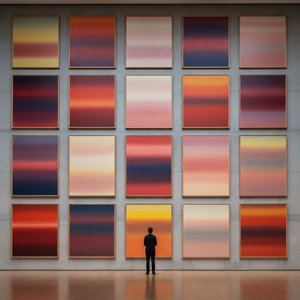
Mark Rothko: 25 Remek-dela Apstraktne Ekspresije za Vaš Dom | ArtsDot
Istražite 25 remek-dela Marka Rothka – ikona apstraktne ekspresije. Otkrijte priče, tehnike i emocije iza ovih veličanstvenih slika. Reprodukcije vrhunskog kvaliteta za vaš dom na ArtsDot.com!
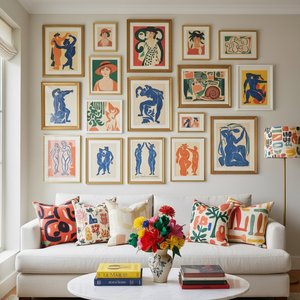
Henri Matisse: 25 Remek-dela koji definišu boju i modernu umetnost | ArtsDot
Uronite u svet Henri Matissea! Istražite 25 remek-dela Fauvizma i moderne umetnosti. Otkrijte priče iza slika, tehnike i inspiraciju slavnog francuskog slikara. Reprodukcije vrhunskog kvaliteta dostupne na ArtsDot.com.
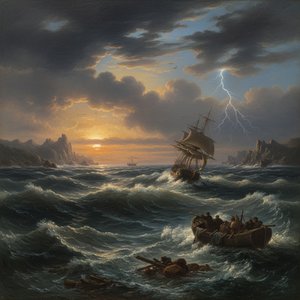
Philip James de Loutherbourg: Romantic Visions of Maritime Life & the Sublime
Explore the dramatic naval scenes & landscapes of Philip James de Loutherbourg (1740-1812), a key figure in Romantic painting. Discover his legacy, theatrical innovations & iconic works like 'The Battle of the Nile' at ArtsDot.
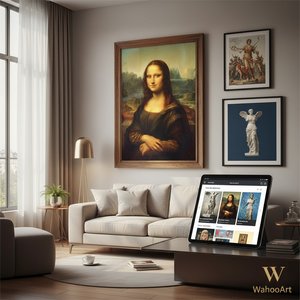
25 Remek-dela Luvra: Putovanje kroz vekove umetnosti i lepote | ArtsDot.com
Otkrijte 25 remek-dela Luvra! Istražite priče iza Mona Lize, Venere Miloske i drugih ikona umetnosti. Reprodukcije slika vrhunskog kvaliteta za vaš enterijer. Leonardo da Vinci, renesansa & više na ArtsDot.com

