

 Pregledaj u prostoru
 Pošalji
 Podeli
 Detalji o delu

 Преузми
 Slični predmeti
 Rendgenski snimak
 Slajdovi
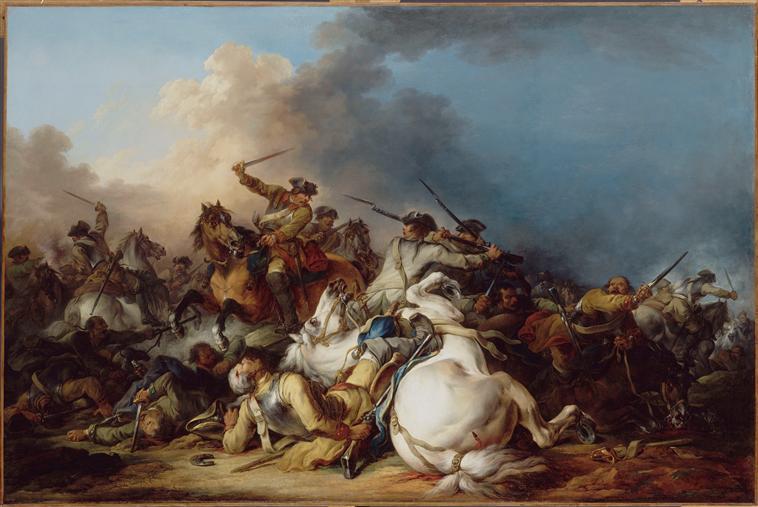
Une bataille

 Pročitaj više
Ručno rađena uljana reprodukcija
Ručno oslikano uljanim bojama na platnu u dimenzijama i okviru po vašem izboru, izrađeno po porudžbini od strane naših umetnika. ( Kupi print Kupi digitalnu sliku)




































Izaberite jednu od naših unapred definisanih veličina koje odgovaraju originalnim proporcijama umetničkog dela.

Можете унети сопствене димензије како бисте прилагодили дело одређеном оквиру или простору. Ако одабрана величина не одговара пропорцијама оригинала, слика ће бити исечена или проширена додатним елементима који се ручно насликавају. Дигитални prikaz ће вам бити послат на одобрење пре почетка производње.
Имајте на уму да преглед на екрану не одражава стварно исецање или проширење. Само приказ (mockup) ће тачно приказати коначну композицију.
Иако су доступне прилагођене величине, препоручујемо да одаберете димензију из дефинисане листе како бисте сачували оригиналне пропорције.
Nakon narudžbine, tim ArtsDot.com će klijentu putem e-pošte poslati uputstva i dostaviti prikaz predloženog rešenja
Isporuka širom sveta () za 3/4 nedelje umesto uobičajenih 5 nedelja. (28 август). Bez kompromisa po pitanju kvaliteta.

Besplatna ekspresna dostava širom sveta

Visokokvalitetno laneno platno

Kompletno osiguranje transporta

Garancija povraćaja carine i uvoznih dažbina

Garancija vernosti boja

Politika povrata u roku od 60 dana (samo u slučaju nedostataka)

Garancija povrata novca od 100%

Popust pri grupnoj kupovini
 Opcija sa staklom dostupna je samo za dimenzije manje od 110 cm

Une bataille
Tehnika reprodukcije
Dimenzije reprodukcije
-


Konačna cena
$ 413
Srodna umetnička dela








Biografija umetnika
A Life Painted in Conflict: The World of Francesco Casanova
Francesco Giuseppe Casanova was a painter whose life unfolded against a backdrop as colorful and dramatic as the battle scenes he would come to master. Born on June 1, 1727, in the vibrant theatrical milieu of London, his early years were steeped in a unique blend of performance and prestige. The son of Zanetta Farussi, an actress, and Gaetano Casanova, an actor and dancer, Francesco was raised within a family where the boundaries between reality and stagecraft were perpetually blurred. While history often remembers his older brother, the legendary adventurer Giacomo Casanova, Francesco carved out a distinct and formidable path in the art world. He became a sought-after chronicler of 18th-century warfare, capturing the chaos of combat and the tragic grandeur of disaster with an unparalleled intensity that resonated across Europe. The artist's journey was marked by both movement and mentorship. Following his father's death when he was only eight, Francesco and his siblings were placed under the care of the influential Grimani family in Venice. This transition to the heart of Venetian culture provided him with access to the finest artistic traditions of the era. His professional development began in the workshops of Giovanni Antonio Guardi, a period described by his brother Giacomo as quite unpleasant, yet it served as a vital crucible for his skills. He later moved to the studios of Antonio Joli, a renowned set designer, where he learned to manipulate space and scale—skills that would prove indispensable when composing his monumental canvases of cavalry charges and military skirmishes.Mastery of Drama and the Venetian Legacy
Casanova’s artistic style was deeply rooted in the zenith of Venetian art, absorbing the stylistic conventions established by masters such as Canaletto and Tiepo. He possessed a profound command over chiaroscuro, utilizing the dramatic interplay of light and shadow to breathe life into his subjects. This technique allowed him to heighten the tension within his battle scenes, making the smoke of gunpowder and the glint of steel feel tangibly present to the viewer. His work is characterized by an evocative color palette and a staggering sense of movement, achieved through a prolific output that exceeded 400 canvases during his lifetime. Beyond mere documentation, Casanova’s paintings functioned as epic narratives. He did not simply paint soldiers; he painted the very essence of conflict and the visceral emotion of disaster. His ability to blend the theatricality of his upbringing with the rigorous demands of historical painting allowed him to create works that were both aesthetically pleasing and emotionally arresting. Through his brush, the chaos of the battlefield was transformed into a structured, yet breathtaking, spectacle of human struggle and aristocratic elegance.Legacy and Historical Significance
The historical significance of Francesco Giuseppe Casanova lies in his ability to bridge the gap between the decorative traditions of Venice and the burgeoning interest in dramatic, narrative-driven realism. While his biography was often overshadowed by the scandalous exploits of his brother, his contribution to the genre of battle painting remains undisputed. He stands as a master of composition, capable of organizing vast numbers of figures into a cohesive and gripping visual story. His enduring impact can be seen in several key areas:- Genre Innovation: His specialization in disaster paintings and complex military maneuvers helped elevate the status of historical genre painting.
- Technical Proficiency: The integration of theatrical set design principles into fine art, creating a sense of depth and stage-like drama.
- Cultural Documentation: Providing a visual record of 18th-century warfare and the aristocratic atmosphere of the era.
casanova françois joseph
1727 - 1802
Osnovne informacije
- Artistic Movement Or Style: Orientalist art
- Artists Or Movements Influenced By This Artist: ['European Battle Scenes']
- Artists Who Influenced This Artist: ['Venetian Art Style']
- Date Of Birth: June 1, 1727
- Full Name: Francesco Giuseppe Casanova
- Nationality: Italian
- Notable Artworks:
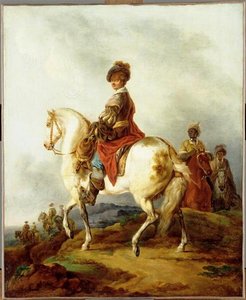
- Cavalier sur un cheval blanc
- AUDIENCE ACCORDEE PAR LE GRAND VIZIR AIMALI CARAC A MONSIEUR DE SAINT PRIEST
- Place Of Birth: London

