

 Pregledaj u prostoru
 Pošalji
 Podeli
 Detalji o delu

 Преузми
 Slični predmeti
 Rendgenski snimak
 Slajdovi
 Statistika
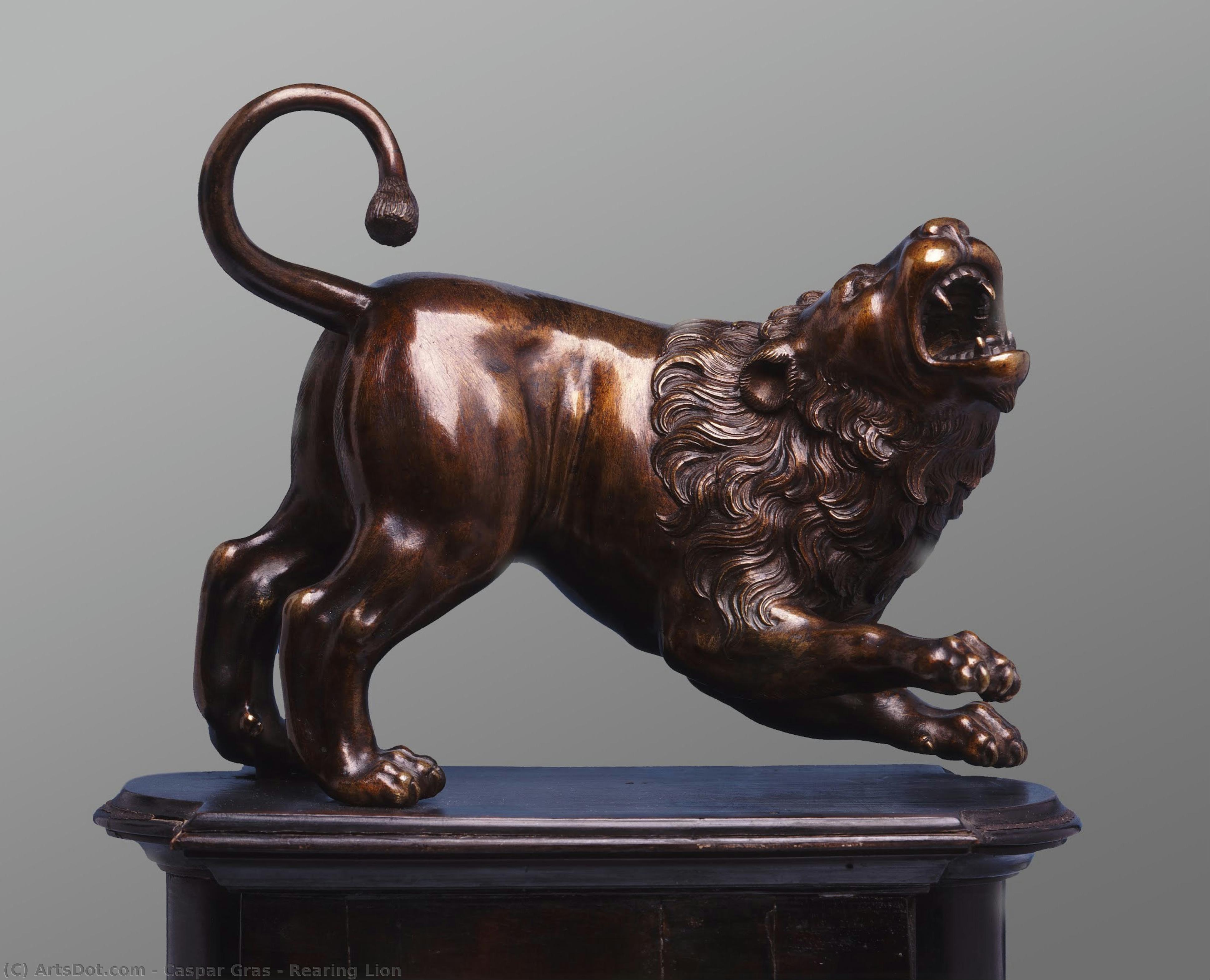
Rearing Lion
 1600
1600 20.0 x 24.0 cm
 Музеј личних уметности Будимпешта
 Pročitaj više
Kupite digitalnu sliku visoke rezolucije i poboljšanog kvaliteta, koja je znatno superiornija od onoga što vidite u online prikazu.
Svaka datoteka je pedantno pripremljena od strane naših stručnjaka koristeći napredne alate i profesionalnu ručnu retušu. Osiguravamo da svaka slika ima izuzetnu oštrinu, preciznu reprodukciju boja i fine detalje.
Konačna datoteka se dostavlja putem e-pošte u roku od 72 sata, optimizovana za neposrednu upotrebu u profesionalnim, izdavačkim i štamparskim okruženjima. To je isti kvalitet kojem veruju vrhunski studiji dizajna, izdavači i galerije.
Digitalna slika
Preuzmite datoteku visoke rezolucije za ličnu upotrebu, štampanje i kreativne projekte. ( Pređi na štampu Kupi ručno naslikanu sliku)
Uključeno uz svaku porudžbinu digitalne slike
Profesionalna digitalna isporuka, zagarantovana
Kada odaberete ArtsDot.com, ne dobijate samo sliku – vi primate profesionalno unapređeno digitalno umetničko delo, izrađeno sa najvećom preciznošću i uz garanciju zadovoljstva. Evo svega što automatski dolazi uz vašu porudžbinu:

Brza dostava putem e-pošte
Vaša digitalna slika visoke rezolucije biće vam poslata putem e-pošte u roku od 72 sata od poručivanja – spremna za trenutnu upotrebu.

Digitalna datoteka unapređena veštačkom inteligencijom
Vaše umetničko delo je profesionalno optimizovano korišćenjem naprednih AI alata i ručne obrade, čime se osiguravaju maksimalni detalji, oštrina i preciznost boja.

Besplatna ponovna isporuka doživotno
Slučajno ste obrisali ili izgubili svoju datoteku? Ne brinite – poslaćemo vam je ponovo u bilo kom trenutku, potpuno besplatno.

Bez troškova uvoza – zauvek
Uživajte u svojim umetničkim delima trenutno, bez carine, dažbina ili troškova dostave – digitalni download je uvek bez poreza.

Garancija vernosti boja
Uz pomoć profesionalnih alata i upravljanja bojama, osiguravamo da vaša digitalna slika što vernije odražava originalne boje.

Garancija zadovoljstva od 100 dana
Ako niste zadovoljni svojom digitalnom slikom, izvršićemo reviziju ili ćemo vam vratiti 100% novca u roku od 100 dana – bez ikakvih pitanja.

100% garancija povrata novca
Niste zadovoljni? Dobijte puni povraćaj novca u roku od 100 dana od prijema digitalne datoteke – bez suvišnih pitanja.

Popusti na velike porudžbine
Kupite 3 slike, uštedite 10% - Kupite 5 slika, uštedite 15% - Kupite 10+ slika, uštedite 20%. Odlično za kreativne projekte, galerije i agencije.
Srodna umetnička dela






Biografija umetnika
The Master of Bronze: The Life and Legacy of Caspar Gras
In the heart of the 17th-century Austrian Baroque, few names resonate with the same metallic brilliance as Caspar Gras. Born in 1585 in Innsbruck, a city that served as a jewel in the Habsburg crown, Gras was destined for a life defined by the intersection of exquisite craftsmanship and imperial grandeur. His journey began not in the grand studios of Italy, but in the intimate workshops of his father, Egid, where he first mastered the delicate art of goldsmithing. This early foundation in precious metals would later become the bedrock of his sculptural genius, allowing him to manipulate bronze with a precision that bridged the gap between fine jewelry and monumental statuary.
The trajectory of Gras’s career was irrevocably altered when he entered the orbit of Hubert Gerhard, one of the most formidable sculptors of the era. Through Gerhard, a student of the legendary Giambologna, Gras inherited a lineage of Mannerist elegance and anatomical rigor. This mentorship provided him with more than just technical skill; it gifted him a visual language of movement, tension, and dramatic light. As he moved to Innsbruck in 1602, Gras began to evolve from a skilled metalworker into a premier court artist, eventually securing the prestigious position of sculptor for the Habsburg court under Ferdinand III. His work became a vital instrument of political and religious expression, embodying the very essence of the Counter-Reformation and the divine right of the imperial dynasty.
A Symphony of Metal and Myth
The breadth of Gras’s oeuvre is as varied as the subjects he chose to immortalize. He was a master of the Kunstkammer—those extraordinary collections of wonders where small-scale, virtuoso objects were gathered to showcase human intellect and nature's beauty. His ability to create intricate, small-scale works that possessed the same gravity as his larger commissions made him a favorite among European collectors. Whether he was crafting delicate relief sculptures or commanding equestrian statues, Gras infused every piece with a palpable sense of life.
His sculptural repertoire often danced between the sacred and the profane, weaving together biblical narratives with the heroic legends of antiquity. One can observe his mastery in works such as:
- The Equestrian Statuette of Emperor Ferdinand III: A breathtaking display of power and poise, where the weight of the bronze seems to vanish beneath the rhythmic motion of the horse.
- Mythological Figures: Sculptures depicting deities like Hercules and Zeus, which utilized muscular anatomy and dynamic gestures to celebrate classical ideals.
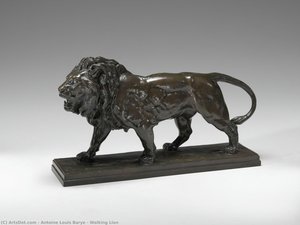
- Animalier Works: Captivating studies such as his Monkey fountain spouts or the Rearing Lion, which demonstrate his profound ability to observe and replicate the raw energy of the natural world.
In these works, Gras utilized the medium of bronze to create a dramatic interplay of shadow and highlight. His figures often possess a certain muscularity and tension—a hallmark of his training—yet they are tempered by a refined grace that prevents them from feeling heavy or static. This balance allowed his sculptures to serve both as objects of intense private contemplation and as public monuments of imperial stability.
The Twilight of an Era and Enduring Significance
Despite the heights of his early success, the later years of Gras’s life were shadowed by the tumultuous winds of history. The onset of the Thirty Years' War and the subsequent economic depression in the Tyrol region stifled the flow of imperial commissions. As the financial resources of the Habsburg court dwindled, the grand architectural projects that once fueled his creativity became increasingly rare. Nevertheless, the technical mastery he had achieved remained undiminished, and his influence continued to ripple through the Germanic lands.
Caspar Gras passed away in 1674, leaving behind a legacy that transcends the mere decoration of palaces. He was a pivotal figure who helped transition the sculptural language of Northern Europe from the intricate complexities of Mannerism into the emotive power of the Baroque. Today, his works reside in some of the world's most esteemed institutions, including the Getty Museum and the Metropolitan Museum of Art, serving as enduring testaments to a period when art, politics, and craftsmanship were inextricably entwined. To study Gras is to witness the moment when bronze was breathed into life, capturing the fleeting majesty of an empire in eternal, metallic form.
Caspar Gras
1585 - 1674 , Austria
Kratke činjenice
- Artistic Movement Or Style: Baroque
- Artists Or Movements Influenced By This Artist: ['Lorenzo Ayl']
- Artists Who Influenced This Artist: ['Giambologna']
- Date Of Birth: 1585 Innsbruck Austria
- Date Of Death: 1674
- Full Name: Caspar Gras
- Nationality: Austrian
- Notable Artworks:
- Sculpture of Archduke Ferdinand Carl
- Rearing Lion
- Place Of Birth: Innsbruck Austria