 Pregledaj u prostoru
 Pošalji
 Podeli
 Detalji o delu

 Преузми
 Slični predmeti
 Rendgenski snimak
 Slajdovi
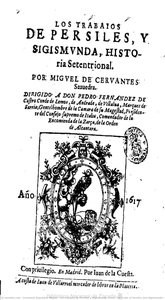
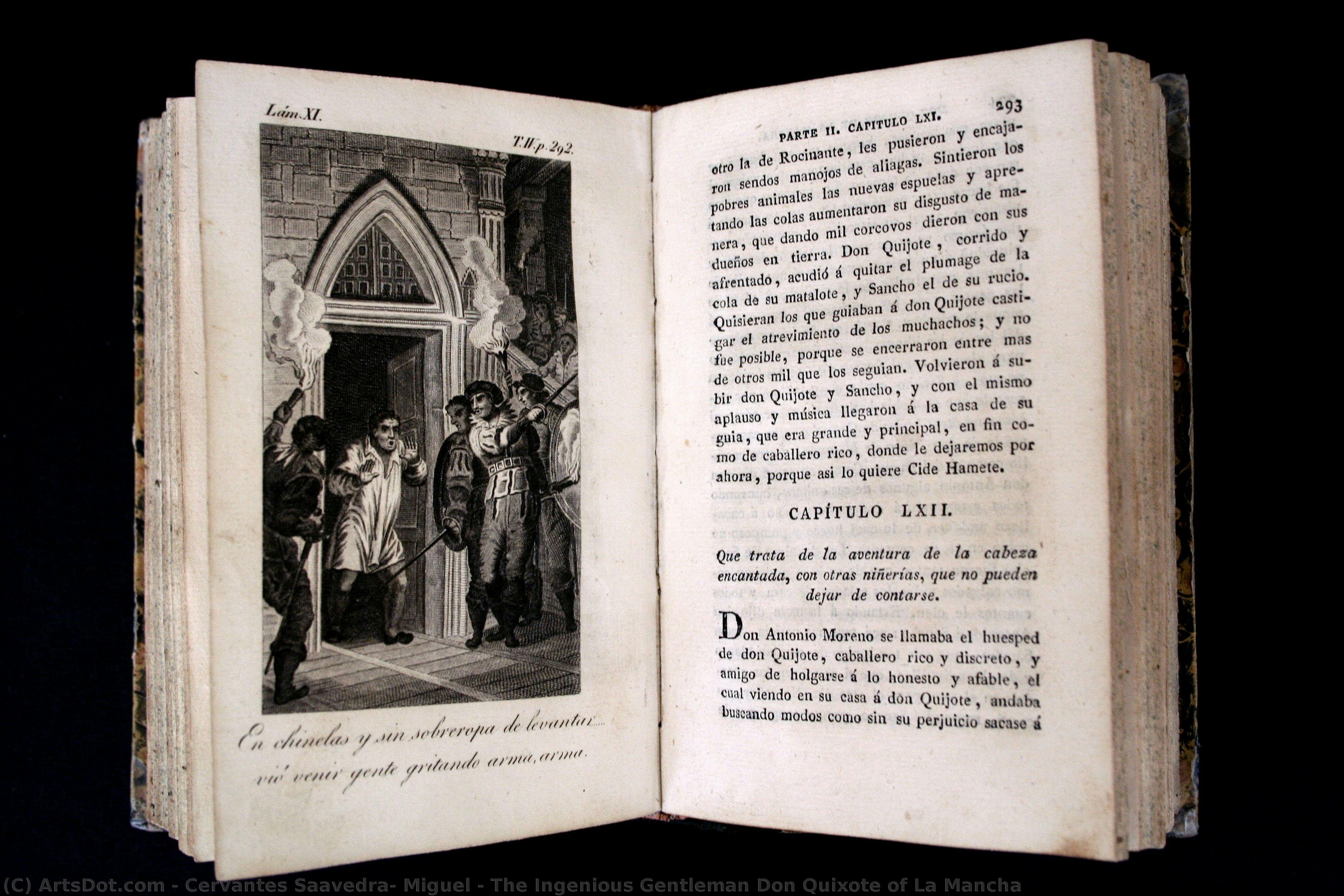
The Ingenious Gentleman Don Quixote of La Mancha

 Pročitaj više
Giclee štampa / Umetnički otisak
Giclée štampa ili print na platnu muzejskog kvaliteta uz brzu proizvodnju i fleksibilne opcije završne obrade. ( Kupi ručno naslikanu sliku Kupi digitalnu sliku)




































Izaberite jednu od naših unapred definisanih veličina koje odgovaraju originalnim proporcijama umetničkog dela.

Možete uneti sopstvene dimenzije kako biste umetničko delo prilagodili specifičnom okviru ili prostoru. Ako odabrani format ne odgovara proporcijama originalne slike, mi ćemo ili iscrtati deo dela ili proširiti sliku pomoću ogledane ivice ili jednobojnog popunjavanja. Digitalni prikaz će vam biti poslat na odobrenje pre početka proizvodnje.
Imajte na umu da pregled na ekranu ne odražava stvarno iscrtavanje ili proširivanje. Samo će prikaz (mockup) precizno pokazati finalnu kompoziciju.
Iako su prilagođene dimenzije dostupne, preporučujemo da odaberete dimenziju sa unapred definisane liste kako biste očuvali originalne proporcije.
Dostava širom sveta () za 2 nedelje umesto uobičajenih 4/5 nedelja. (3 септембар)

Besplatna ekspresna dostava širom sveta

Visokokvalitetno laneno platno

Kompletno osiguranje transporta

Garancija povraćaja carine i uvoznih dažbina

Garancija vernosti boja

Politika povrata u roku od 60 dana (samo u slučaju nedostataka)

Garancija povrata novca od 100%

Popust pri grupnoj kupovini
 Opcija sa staklom dostupna je samo za dimenzije manje od 110 cm

The Ingenious Gentleman Don Quixote of La Mancha
Giclee štampa / Umetnički otisak
Dimenzije reprodukcije
-


Konačna cena
$ 62
Srodna umetnička dela






Biografija umetnika
Miguel de Cervantes Saavedra: The Architect of Modern Literature
Miguel de Cervantes Saavedra (1547-1616) stands as an unparalleled figure in the annals of literature, rightfully crowned as Spain’s greatest writer and arguably one of the world's most influential novelists. His magnum opus, *Don Quixote*, transcends mere storytelling; it fundamentally reshaped the genre, establishing itself as the progenitor of the modern novel and securing its place amongst the literary titans of all time—a testament lauded by authors like Tolstoy and Dickens themselves. Born in Alcalá de Henares, Spain, Cervantes’s life unfolded amidst considerable hardship and obscurity, a stark contrast to the enduring legacy he bequeathed upon humanity.- Early Life & Education: Cervantes received his initial education at Universidad Complutense, where he studied theology—a path that ultimately proved unsuccessful for him due to financial constraints. Despite facing difficulties securing stable employment, he honed his skills as a soldier and traveled extensively throughout Europe during the turbulent years of the Thirty Years’ War, experiences which would profoundly shape his worldview and fuel his imaginative prowess.
- Literary Beginnings & Early Works: Cervantes began his literary career with poems and plays—often overshadowed by his later fame—demonstrating a versatility that foreshadowed his future accomplishments. However, it was *La Novela Ejemplar* (*Concerning Notable Novels*) which garnered initial recognition, showcasing his mastery of prose style and exploring themes of chivalry and idealism. Tragically, many of these early works vanished into obscurity, leaving only fragments to tantalize scholars.
Don Quixote: A Revolution in Narrative Form
Published in two parts between 1605 and 1615, *Don Quixote* irrevocably altered the conventions of storytelling. Departing from the episodic romances prevalent at the time, Cervantes crafted a sprawling narrative characterized by psychological depth, realistic portrayal of characters, and intricate plot development—elements that would become hallmarks of the modern novel. The tale chronicles the delusional adventures of Alonso Quijano, an aging nobleman who embarks on a quest to revive chivalric ideals after indulging in fantastical tales of knights errant. Through Sancho Panza’s pragmatic foil, Cervantes deftly juxtaposes idealism and reality, prompting readers to contemplate the nature of illusion and perception.- Themes & Symbolism: *Don Quixote* delves into profound philosophical questions concerning human ambition, disillusionment, and the importance of imagination. The windmill obsession serves as a potent symbol of Quijano’s futile pursuit of unattainable goals—a motif that resonates across centuries and continues to inspire interpretations.
- Renaissance & Baroque Influences: Cervantes's work embodies both Renaissance humanist ideals and Baroque stylistic flourishes. His meticulous attention to detail, combined with vivid descriptions of landscapes and characters, reflects the Baroque fascination for grandeur and emotion—a deliberate contrast to the restrained aesthetic sensibilities of earlier periods.
Legacy & Historical Significance
Cervantes’s influence extends far beyond the literary realm. His novel established a new standard for narrative complexity and psychological realism, shaping subsequent generations of writers and cementing his position as a cornerstone of Western literature. More than simply recounting a fantastical adventure, *Don Quixote* offered a nuanced critique of societal values and explored the human condition with unparalleled sensitivity—a timeless masterpiece that continues to captivate audiences worldwide. His enduring fame is reflected in the phrase “the language of Cervantes,” signifying his indelible mark on Spanish culture and demonstrating the profound impact of his creative vision.- Influence on Subsequent Writers: Authors such as Dickens, Tolstoy, Kafka, and Márquez acknowledged Cervantes’s monumental contribution to literature, citing *Don Quixote* as a formative influence on their own artistic endeavors.
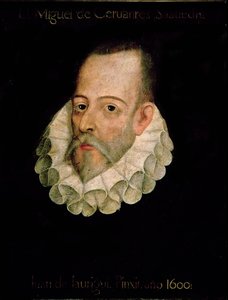
cervantes saavedra, miguel
1547 - 1616 , Spain
Osnovne informacije
- Artistic Movement Or Style: Renaissance & Baroque
- Artists Or Movements Influenced By This Artist: ['Romanticism']
- Artists Who Influenced This Artist: ['William Shakespeare']
- Date Of Birth: September 29, 1547
- Date Of Death: April 22, 1616
- Full Name: Miguel de Cervantes Saavedra
- Nationality: Spanish
- Notable Artworks: ['Don Quixote']
- Place Of Birth: Alcalá de Henares, Spain