

 Pregledaj u prostoru
 Pošalji
 Podeli
 Detalji o delu

 Преузми
 Slični predmeti
 Rendgenski snimak
 Slajdovi
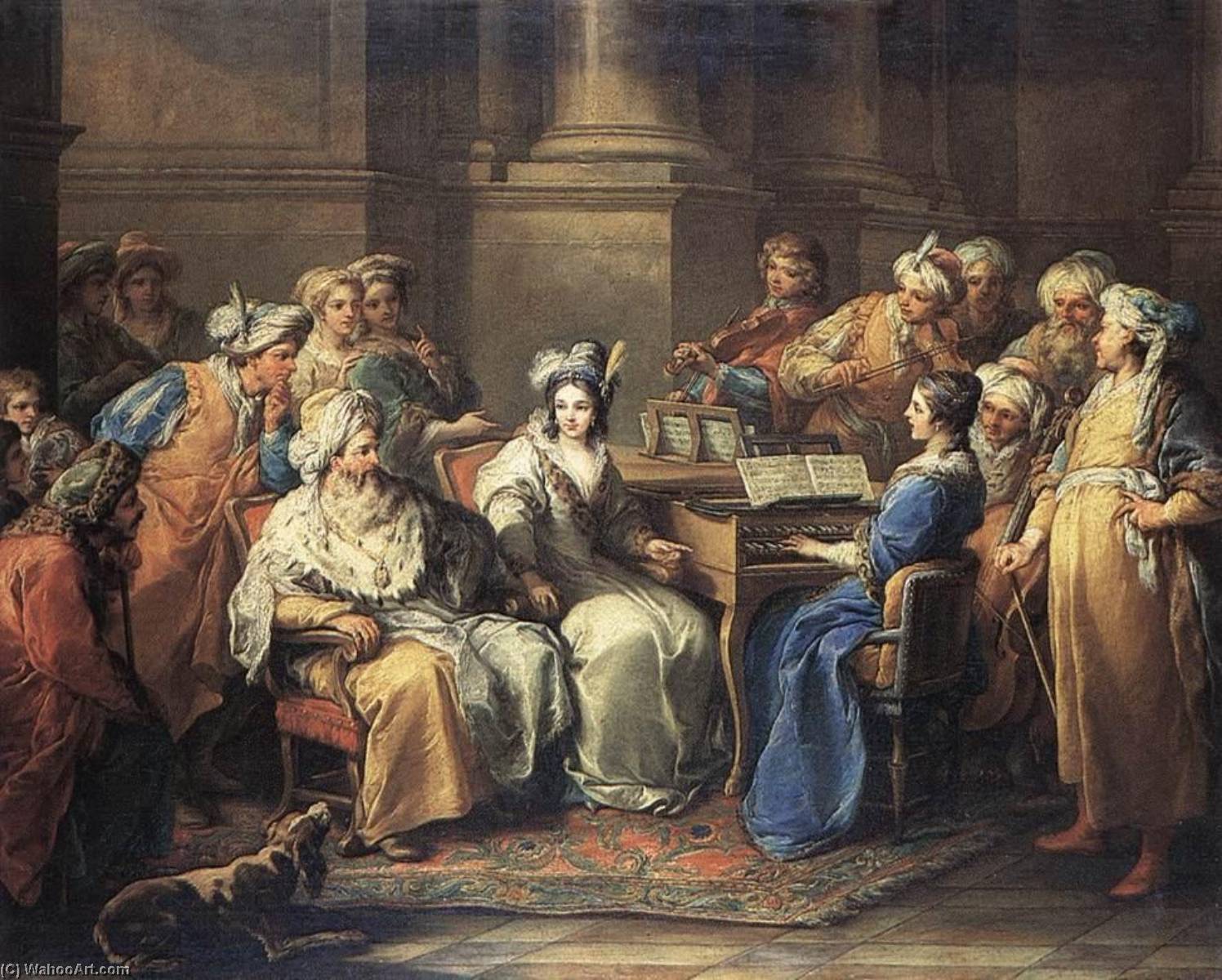
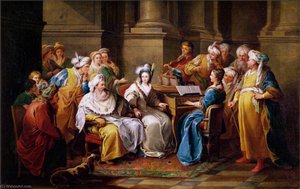
The Grand Turk Giving a Concert to his Mistress
 Oil On Canvas
- WallArt
- Rococo
 1737
1737 73.0 x 91.0 cm
 Wallace Collection
 Pročitaj više
Giclee štampa / Umetnički otisak
Giclée štampa ili print na platnu muzejskog kvaliteta uz brzu proizvodnju i fleksibilne opcije završne obrade. ( Kupi ručno naslikanu sliku Kupi digitalnu sliku)




P118B $10

P118H $10

P118W $10

P438Z $10

P508JH $12

P508YH $12

P805H $10

P805Z $10

P919BZ $10

P919G $10

P919XJ $10

P959ZH $10

P968JZ $12

W106C $8

W218G $10

W218JH $8

W218Y $10

W307PJ $10

W316G $10

W316PJ $8

W316Y $10

W398PJ $8

W4111J $10

W500HY $15

W500JH $15

W692G $12

W849H $8

W940BG $15

W953PJ $8




Izaberite jednu od naših unapred definisanih veličina koje odgovaraju originalnim proporcijama umetničkog dela.

Možete uneti sopstvene dimenzije kako biste umetničko delo prilagodili specifičnom okviru ili prostoru. Ako odabrani format ne odgovara proporcijama originalne slike, mi ćemo ili iscrtati deo dela ili proširiti sliku pomoću ogledane ivice ili jednobojnog popunjavanja. Digitalni prikaz će vam biti poslat na odobrenje pre početka proizvodnje.
Imajte na umu da pregled na ekranu ne odražava stvarno iscrtavanje ili proširivanje. Samo će prikaz (mockup) precizno pokazati finalnu kompoziciju.
Iako su prilagođene dimenzije dostupne, preporučujemo da odaberete dimenziju sa unapred definisane liste kako biste očuvali originalne proporcije.
Dostava širom sveta () za 2 nedelje umesto uobičajenih 4/5 nedelja. (29 август)

Besplatna ekspresna dostava širom sveta

Visokokvalitetno laneno platno

Kompletno osiguranje transporta

Garancija povraćaja carine i uvoznih dažbina

Garancija vernosti boja

Politika povrata u roku od 60 dana (samo u slučaju nedostataka)

Garancija povrata novca od 100%

Popust pri grupnoj kupovini
 Opcija sa staklom dostupna je samo za dimenzije manje od 110 cm

The Grand Turk Giving a Concert to his Mistress
Giclee štampa / Umetnički otisak
Dimenzije reprodukcije
-


Konačna cena
$ 62
The Grand Turk’s Serenade: A Window into 18th-Century Parisian Life
Charles-André van Loo's "The Grand Turk Giving a Concert to his Mistress," painted in 1737, isn’t merely a portrait; it’s a meticulously crafted tableau vivant – a snapshot of aristocratic leisure and the subtle currents of social life within 18th-century France. This captivating work, now housed at the Wallace Collection in London, offers a rare glimpse into a world of refined entertainment, intricate rituals, and unspoken desires. The scene unfolds within a richly appointed room, bathed in soft light that suggests an evening gathering, and immediately draws the viewer into its intimate drama.
At the heart of the composition stands the Grand Turk – a celebrated English musician known for his flamboyant performances and captivating stage presence. He’s not simply playing; he's conducting a lively concert, his gestures animated and expressive as he directs the attention of his mistress, a woman of considerable beauty and poise. Her posture is relaxed yet attentive, her gaze fixed on the Turk with an evident appreciation for his artistry. Surrounding them are a collection of elegantly dressed figures – gentlemen in powdered wigs and velvet jackets, ladies adorned in silks and lace—all engaged in conversation or observing the performance. The inclusion of a small dog adds a touch of domestic charm to this otherwise formal setting, hinting at the comforts and pleasures enjoyed within these opulent surroundings.
A Masterclass in Rococo Style
Van Loo’s mastery lies not just in his ability to capture likenesses but in his profound understanding of the Rococo aesthetic. This painting exemplifies the style's hallmark characteristics: a delicate balance between elegance and frivolity, an emphasis on ornamentation and luxurious detail, and a pervasive sense of playful charm. The artist employs a soft, diffused lighting scheme, typical of the era, which creates a hazy atmosphere and emphasizes the textures of fabrics, furniture, and the figures’ clothing. Notice the intricate patterns woven into the carpets, the shimmering embellishments on the ladies' gowns, and the delicate brushstrokes that capture the sheen of polished wood—all contribute to the painting’s overall sense of opulence and refinement.
Technically, Van Loo demonstrates a remarkable command of color and composition. He utilizes a palette dominated by warm, muted tones – golds, browns, creams, and deep reds – creating a harmonious and visually pleasing effect. The figures are arranged in a carefully orchestrated manner, with each element contributing to the overall balance and dynamism of the scene. The use of *chiaroscuro*—the dramatic contrast between light and shadow—adds depth and volume to the painting, further enhancing its three-dimensional quality. Van Loo’s meticulous attention to detail is evident in every aspect of the work, from the subtle expressions on the figures' faces to the intricate folds of their clothing.
Symbolism and Social Commentary
Beyond its aesthetic beauty, “The Grand Turk Giving a Concert to his Mistress” offers a fascinating glimpse into the social dynamics of the time. The relationship between the Turk and his mistress is deliberately ambiguous, inviting speculation about the nature of their connection. While it’s likely a purely platonic arrangement—a common practice among the aristocracy—the painting subtly suggests a degree of intimacy and mutual admiration. The act of music-making itself can be interpreted as a symbol of courtship and affection, while the lavish setting underscores the importance of social status and material wealth.
Furthermore, the inclusion of the dog is noteworthy. Dogs were highly valued companions in 18th-century France, often serving as symbols of loyalty, fidelity, and domesticity. The presence of this canine figure reinforces the painting’s theme of refined leisure and underscores the importance of companionship within aristocratic society. The scene, therefore, isn't simply a depiction of entertainment; it’s a carefully constructed commentary on social customs, power dynamics, and the unspoken rules governing relationships within the French court.
A Timeless Masterpiece – Perfect for Reproduction
“The Grand Turk Giving a Concert to his Mistress” remains a remarkably evocative work of art, offering viewers a captivating glimpse into a bygone era. Reproductions of this masterpiece capture its exquisite detail and vibrant atmosphere, making it an ideal addition to any discerning collection or interior space. Whether displayed in a grand salon or a more intimate setting, this painting’s timeless elegance and subtle charm will undoubtedly captivate the eye and spark conversation.
Srodna umetnička dela


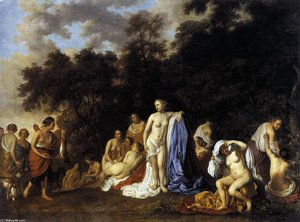
Biografija umetnika
Rani Život i Obrazovanje Charlesa-Andréa van Looa
Charles-André van Loo, rođen 15. februara 1705. godine u Nici, Francuska, bio je izuzetno talentovan slikar čiji je život obeležila elegancija, gracioznost i raskošni detalj karakteristični za Rokoko period. Poticao je iz ugledne holandske dinastije slikara; njegov otac, Louis-Abraham van Loo, i mlađi brat, Jean-Baptiste van Loo, bili su uspešni umetnici koji su snažno uticali na njegov rani razvoj. Njegovo formalno obrazovanje započelo je u Torinu, a zatim se nastavio u Rimu 1712. godine pod mentorstvom Benedetta Lutija i Pierrea Legrosa. Ovo rano izlaganje različitim stilovima i tehnikama oblikovalo je njegovu umetničku viziju. Van Loo je potom pohađao Kraljevsku akademiju u Parizu, gde je osvojio prvu nagradu za crtanje 1723. godine, a zatim i za istorijsko slikarstvo 1727. godine, što je bio znak njegovog izvanrednog talenta i posvećenosti umetnosti.Umetnička Karijera i Značajna Dela
Van Loo se brzo etablirao kao vodeći Rokoko slikar, poznat po svojoj sposobnosti da uhvati lepotu, eleganciju i aristokratski način života 18. veka. Njegov stil karakterišu graciozne kompozicije, bogata paleta boja i pažnja posvećena detaljima. Njegova dela obuhvataju širok spektar tema, uključujući portrete, mitološke scene, istorijske slike, alegorije i žanr scene. Jedno od njegovih najpoznatijih dela je *Venus i Amor* (Kunsthalle Bremen), koje savršeno ilustruje majstorstvo Rokoko stila. Slikao je i *Zastoj u lovu* (Metropolitan Museum of Art) koji dočarava aristokratske aktivnosti sa izuzetnom preciznošću i živopisnošću. Njegov portret *Marie Leszczynska, kraljice Francuske*, predstavlja značajno delo u žanru portreta, a slike poput *Jupiter i Antiope* pokazuju njegovu veštinu prikazivanja mitoloških tema. Njegov *Autoportret* pruža dragocen uvid u umetnikovu sopstvenu percepciju sebe i njegov stil. Pored toga, izradio je više verzija dela *Perseus i Andromeda*, demonstrirajući svoju sposobnost da ponovo tumači klasične mitove sa različitim nijansama. *Mademoiselle Clairon kao Medea (mala verzija)* je očaravajući Rokoko portret iz 1760. godine koji ističe njegovu veštinu u prikazivanju emocija i karaktera.Pokroviteljstvo i Kraljevsko Priznanje
Van Loo se brzo našao pod pokroviteljstvom Madame de Pompadour i francuskog dvora, što je bio ključan faktor u njegovom usponu do slave. Njegov talenat i sposobnost da stvara dela koja su odgovarala ukusu aristokratije učinili su ga veoma traženim slikarom. Godine 1762. imenovan je za Prvog slikara kralja Louisa XV, što je bila prestižna pozicija koja je potvrdila njegov status kao jednog od najvažnijih umetnika u Francuskoj. Njegova lojalnost i veština su dodatno priznati kada je dekorisan Ordenom Svetog Mihaila, znakom kraljevske naklonosti i poštovanja.Uticaji i Nasleđe
Van Loo je bio duboko utican od strane svog oca i brata, obojice talentovanih slikara koji su mu pružili rane lekcije i inspiraciju. U isto vreme, takmičio se sa François Boucherom, još jednim istaknutim Rokoko umetnikom, što ga je podsticalo da usavršava svoj stil i tehniku. Njegova "jednostavnost stila i ispravnost dizajna" imala je značajan uticaj na modernu francusku školu slikarstva, postavljajući nove standarde za eleganciju i sofisticiranost. Iako se njegov kritički ugled vremenom menjao, njegova veština i obim njegovog rada nastavljaju da budu poštovani od strane umetničkih istoričara i ljubitelja umetnosti širom sveta.Muzejski Fondovi i Dalje Proučavanje
Dela Charlesa-Andréa van Loo mogu se naći u mnogim renomiranim muzejima, uključujući Louvre (*Venčanje Device*), Kunsthalle Bremen i Metropolitan Museum of Art. Za one koji žele da saznaju više o njegovom životu i radu, dostupni su različiti resursi, uključujući stranicu posvećenu Charlesu-Andréu van Loo na ArtsDot: https://www.ArtsDot.com/artists/charles-andre-van-loo/. Takođe se preporučuje poseta stranici "Najveći umetnici svih vremena" na ArtsDot: https://www.ArtsDot.com/greatest-artists, kao i virtuelnom muzeju na https://www.ArtsDot.com/. Za detaljnije informacije, dostupna je i Wikipedia stranica posvećena Charlesu-Andréu van Loo: https://en.wikipedia.org/wiki/Charles-Andr%C3%A9_van_Loo.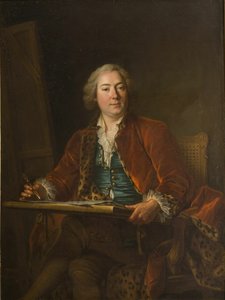
Шарл Андре Ван Ло
1705 - 1765 , Србија
Osnovne informacije
- Artistic Movement Or Style: Rokoko slikarstvo
- Artists Or Movements Influenced By This Artist: ['Moderna francuska škola']
- Artists Who Influenced This Artist:
- Benedetto Luti
- Pierre Legros
- Date Of Birth: 15. februar 1705.
- Date Of Death: 15. jul 1765.
- Full Name: Charles-André van Loo
- Nationality: Francuski
- Notable Artworks:
- Venus i Amor
- Halt lova
- Portret Marije Lešćinske
- Jupiter i Antiope
- Autoportret
- Persej i Andromeda
- Place Of Birth: Nica, Francuska
Povezani članci
Charles-André van Loo: A Study in Rococo Portraiture & the French Court's Artistic Dynamics
Explore the elegant world of Charles-André van Loo, a master of Rococo portraiture at the French court. Discover his life, techniques, and enduring influence on 18th-century art. Hand-painted reproductions available.

Rembrandt van Rijn: 25 Majstorstava Svetla i Senke za Vaš Dom | ArtsDot
Uronite u svet Rembrandta van Rijna! Otkrijte 25 najlepših dela holandskog majstora – portrete, istorijske scene i biblijska platna. Kvalitetne reprodukcije slika za dekoraciju enterijera dostupne na ArtsDot.com.
Sir Anthony van Dyck: Courtly Portraiture & the Shaping of Baroque Identity
Explore the life & legacy of Sir Anthony van Dyck, the leading court painter of his era. Discover his innovative portraiture, Baroque masterpieces, and investment potential for discerning collectors. Learn more at ArtsDot.

Rokoko: 10 Remek Dela Koja Su Definisala Eleganciju i Ukus
Otkrijte 10 remek dela koja su definisala rokoko umetnost! Uronite u svet Boucher-a, Watteau-a i Fragonarda. Istorija, stil i inspiracija za vaš dom. Kvalitetne reprodukcije i kuratorski odabiri na ArtsDot.com!
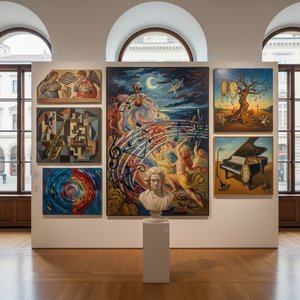
Harmonies on Canvas: Exploring the Visual Representation of Music in Art History
Explore the fascinating history of music's visual representation in art! From ancient symbolism to modern abstraction, discover how artists have captured sound and emotion on canvas. Expert insights & stunning examples.

