

 Pregledaj u prostoru
 Pošalji
 Podeli
 Detalji o delu

 Преузми
 Slični predmeti
 Rendgenski snimak
 Slajdovi
 Stats
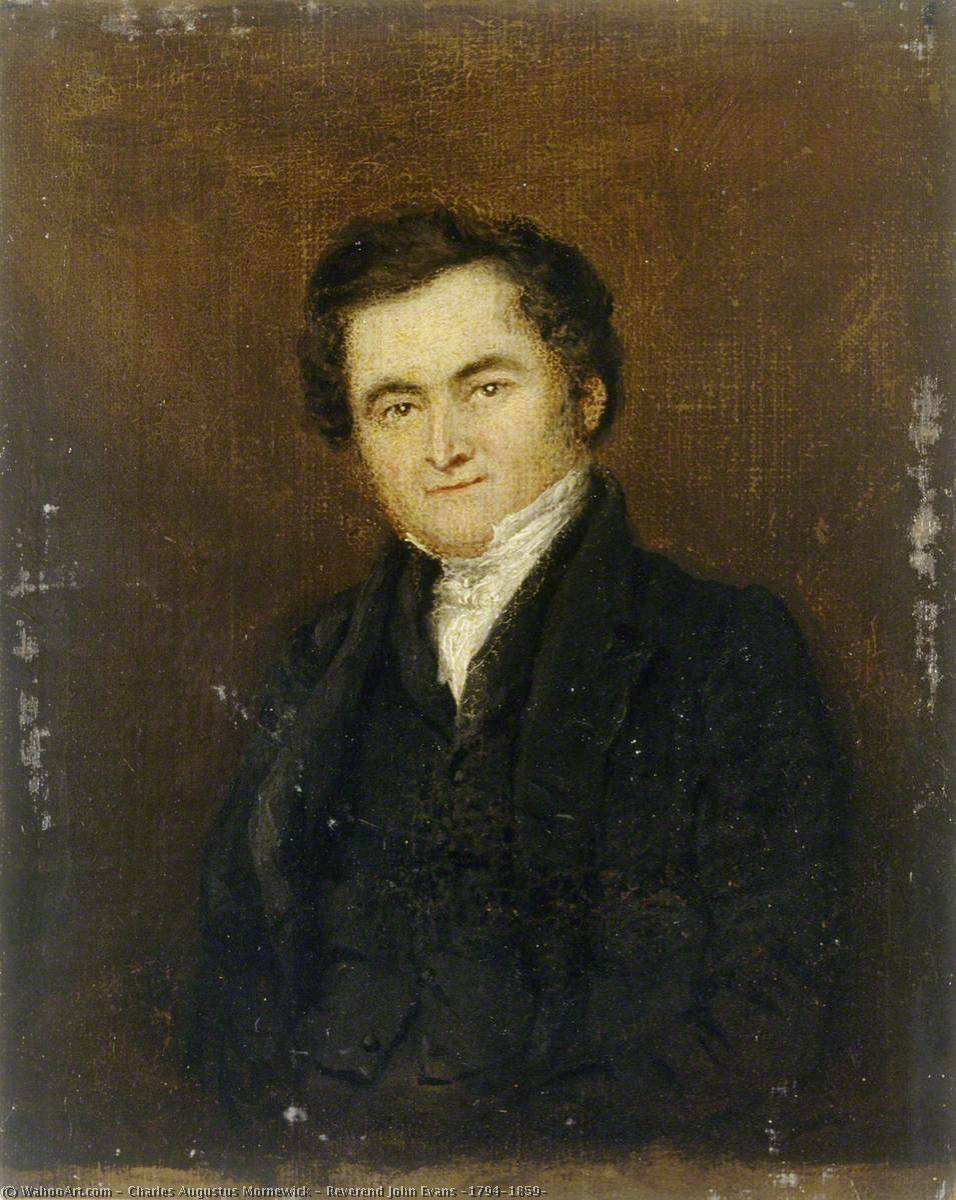
StatsReverend John Evans (1794–1859)
 Neoclassicism
 21.0 x 16.0 cm
 Pročitaj više
Kupite digitalnu sliku visoke rezolucije i poboljšanog kvaliteta, koja je znatno superiornija od onoga što vidite u online prikazu.
Svaka datoteka je pedantno pripremljena od strane naših stručnjaka koristeći napredne alate i profesionalnu ručnu retušu. Osiguravamo da svaka slika ima izuzetnu oštrinu, preciznu reprodukciju boja i fine detalje.
Konačna datoteka se dostavlja putem e-pošte u roku od 72 sata, optimizovana za neposrednu upotrebu u profesionalnim, izdavačkim i štamparskim okruženjima. To je isti kvalitet kojem veruju vrhunski studiji dizajna, izdavači i galerije.
Digitalna slika
Preuzmite datoteku visoke rezolucije za ličnu upotrebu, štampanje i kreativne projekte. ( Switch to Print Kupi ručno naslikanu sliku)
Uključeno uz svaku porudžbinu digitalne slike
Profesionalna digitalna isporuka, zagarantovana
Kada odaberete ArtsDot.com, ne dobijate samo sliku – vi primate profesionalno unapređeno digitalno umetničko delo, izrađeno sa najvećom preciznošću i uz garanciju zadovoljstva. Evo svega što automatski dolazi uz vašu porudžbinu:

Brza dostava putem e-pošte
Vaša digitalna slika visoke rezolucije biće vam poslata putem e-pošte u roku od 72 sata od poručivanja – spremna za trenutnu upotrebu.

Digitalna datoteka unapređena veštačkom inteligencijom
Vaše umetničko delo je profesionalno optimizovano korišćenjem naprednih AI alata i ručne obrade, čime se osiguravaju maksimalni detalji, oštrina i preciznost boja.

Besplatna ponovna isporuka doživotno
Slučajno ste obrisali ili izgubili svoju datoteku? Ne brinite – poslaćemo vam je ponovo u bilo kom trenutku, potpuno besplatno.

Bez troškova uvoza – zauvek
Uživajte u svojim umetničkim delima trenutno, bez carine, dažbina ili troškova dostave – digitalni download je uvek bez poreza.

Garancija vernosti boja
Uz pomoć profesionalnih alata i upravljanja bojama, osiguravamo da vaša digitalna slika što vernije odražava originalne boje.

Garancija zadovoljstva od 100 dana
Ako niste zadovoljni svojom digitalnom slikom, izvršićemo reviziju ili ćemo vam vratiti 100% novca u roku od 100 dana – bez ikakvih pitanja.

100% garancija povrata novca
Niste zadovoljni? Dobijte puni povraćaj novca u roku od 100 dana od prijema digitalne datoteke – bez suvišnih pitanja.

Popusti na velike porudžbine
Kupite 3 slike, uštedite 10% - Kupite 5 slika, uštedite 15% - Kupite 10+ slika, uštedite 20%. Odlično za kreativne projekte, galerije i agencije.
Srodna umetnička dela
Biografija umetnika
Charles Augustus Mornewick: A Victorian Master of Portraiture
Charles Augustus Mornewick (1793 – 1874) stands as a quietly significant figure in the annals of 19th-century British art, a master portraitist whose meticulous technique and subtle understanding of human character secured him a place amongst the most esteemed artists of his era. While he never achieved the widespread fame of contemporaries like Lawrence or Romney, Mornewick’s work – particularly his evocative depictions of Victorian society – offers a remarkably intimate glimpse into the lives and aspirations of a rapidly changing nation. His legacy resides not in grand historical canvases but in the quiet dignity and understated elegance of his portraits, each a testament to his patient observation and refined skill.
Born in Wahoo, Lincolnshire, England, Mornewick’s early life remains somewhat shrouded in obscurity. Records suggest he received a basic education before apprenticing as a drawing master, a common path for aspiring artists at the time. This formative period instilled within him a rigorous approach to draughtsmanship and an appreciation for the fundamentals of artistic representation. Crucially, his apprenticeship exposed him to the prevailing styles of portraiture – the formal grandeur of Sir Thomas Lawrence, the more intimate character studies of John Brett – providing a foundation upon which he would eventually forge his own distinctive voice.
The Development of a Distinctive Style
Mornewick’s artistic journey truly began in the 1820s, and it was during this period that he began to establish his unique style. Initially influenced by the prevailing Neoclassical tendencies, his work gradually evolved towards a more nuanced and psychologically perceptive approach. He eschewed the overly theatrical poses and dramatic lighting favored by some of his contemporaries, instead opting for a restrained elegance and a careful attention to detail. His portraits are characterized by their remarkable realism – not merely a photographic likeness but an attempt to capture the very essence of the subject’s personality. This was achieved through subtle shifts in expression, the delicate rendering of textures (the sheen of silk, the weight of a coat), and a masterful use of light and shadow.
A key element of Mornewick's style was his dedication to capturing the nuances of Victorian dress and social customs. He meticulously researched the latest fashions, ensuring that his subjects were depicted in attire that accurately reflected their status and position within society. This attention to detail extended beyond mere costume; he also subtly incorporated elements of domestic life – a book on a table, a musical instrument, a family portrait – to provide context and reveal aspects of the subject’s private world.
Notable Works and Patronage
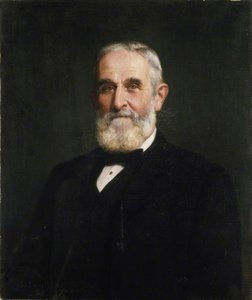
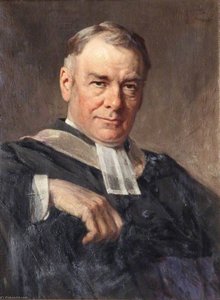
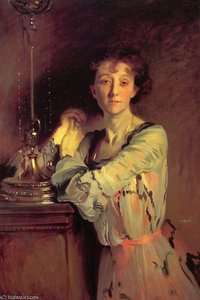
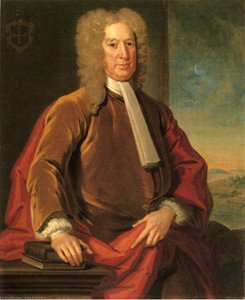
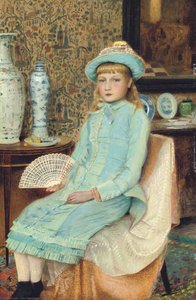
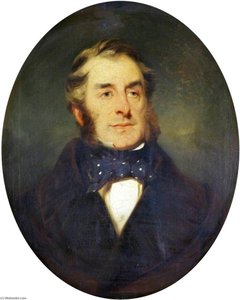
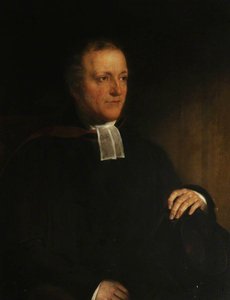
Mornewick's career was largely shaped by his patronage. He secured commissions from prominent figures within the aristocracy and gentry, including members of Parliament, military officers, and wealthy merchants. Among his most celebrated works are portraits of Reverend John Evans (1794–1859), a clergyman known for his philanthropic endeavors; Fanny Port, a woman whose likeness he captured with remarkable sensitivity; and John Orlando Parry (1810–1879), a prominent figure in the Church of England. These paintings demonstrate not only his technical skill but also his ability to convey a sense of dignity and respect for his subjects.
His work was exhibited at the Royal Academy from 1826 until his death in 1874, consistently receiving positive reviews for its accuracy and elegance. While he never achieved the level of commercial success enjoyed by some of his peers, Mornewick’s reputation grew steadily throughout his career, largely due to the quality of his work and the esteem in which he was held by those who commissioned him.
Legacy and Historical Significance
Charles Augustus Mornewick's contribution to British art lies primarily in his quiet mastery of the portrait genre. He wasn’t a revolutionary; he didn’t challenge artistic conventions. Instead, he refined them, elevating the medium through meticulous observation, technical skill, and an understanding of human psychology. His portraits offer a valuable window into Victorian society – a glimpse into the lives of those who shaped the nation's destiny. Today, his works are housed in collections such as the Charles Allis Art Museum in Milwaukee, testament to their enduring quality and historical significance.
His influence can be seen in subsequent generations of portrait painters, particularly those who sought to capture the complexities of human character with a similar degree of subtlety and realism. Mornewick’s legacy is one of quiet excellence – a reminder that true artistry often resides not in grand gestures but in the patient accumulation of detail and the profound understanding of the subject at hand.
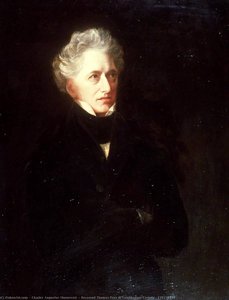
charles augustus mornewick
1793 - 1874
Kratke činjenice
- Artistic Movement Or Style: Victorian Portraiture
- Artists Or Movements Influenced By This Artist:
- George Hayter
- Queen Victoria's Painter
- Artists Who Influenced This Artist: ['Thomas Phillips']
- Date Of Birth: 1793
- Date Of Death: 1874
- Full Name: Charles Augustus Mornewick
- Nationality: British
- Notable Artworks:
- Fanny Port
- Reverend John Evans
- John Orlando Parry
- Place Of Birth: Wahoo, United States