

 Pregledaj u prostoru
 Pošalji
 Podeli
 Detalji o delu

 Преузми
 Slični predmeti
 Rendgenski snimak
 Slajdovi
 Statistika
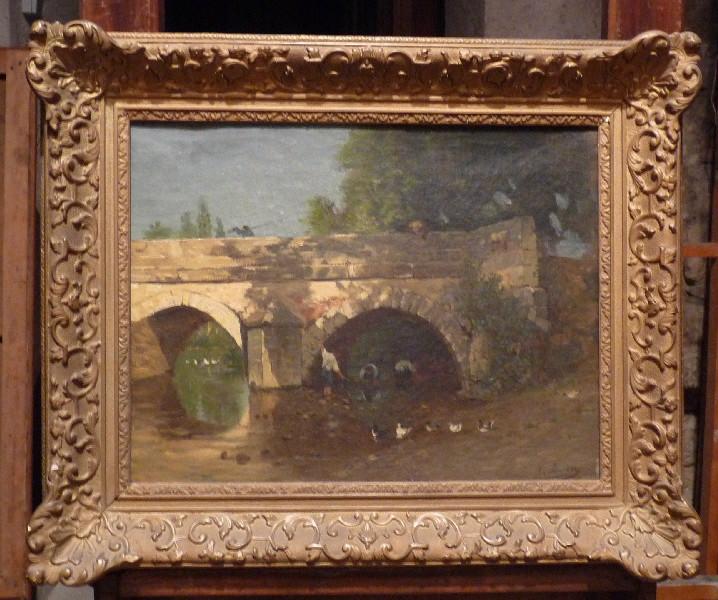
Le vieux pont

 Pročitaj više
Ručno rađena uljana reprodukcija
Ručno oslikano uljanim bojama na platnu u dimenzijama i okviru po vašem izboru, izrađeno po porudžbini od strane naših umetnika. ( Pređi na štampu Pređi na digitalnu sliku)




P118B $10

P118H $10

P118W $10

P438Z $10

P508JH $12

P508YH $12

P805H $10

P805Z $10

P919BZ $10

P919G $10

P919XJ $10

P959ZH $10

P968JZ $12

W106C $8

W218G $10

W218JH $8

W218Y $10

W307PJ $10

W316G $10

W316PJ $8

W316Y $10

W398PJ $8

W4111J $10

W500HY $15

W500JH $15

W692G $12

W849H $8

W940BG $15

W953PJ $8




Izaberite jednu od naših unapred definisanih veličina koje odgovaraju originalnim proporcijama umetničkog dela.

Можете унети сопствене димензије како бисте прилагодили дело одређеном оквиру или простору. Ако одабрана величина не одговара пропорцијама оригинала, слика ће бити исечена или проширена додатним елементима који се ручно насликавају. Дигитални prikaz ће вам бити послат на одобрење пре почетка производње.
Имајте на уму да преглед на екрану не одражава стварно исецање или проширење. Само приказ (mockup) ће тачно приказати коначну композицију.
Иако су доступне прилагођене величине, препоручујемо да одаберете димензију из дефинисане листе како бисте сачували оригиналне пропорције.
Nakon narudžbine, tim ArtsDot.com će klijentu putem e-pošte poslati uputstva i dostaviti prikaz predloženog rešenja
Isporuka širom sveta () za 3/4 nedelje umesto uobičajenih 5 nedelja. (10 септембар). Bez kompromisa po pitanju kvaliteta.

Besplatna ekspresna dostava širom sveta

Visokokvalitetno laneno platno

Kompletno osiguranje transporta

Garancija povraćaja carine i uvoznih dažbina

Garancija vernosti boja

Politika povraćaja u roku od 100 dana (isključivo u slučaju nedostataka)

Garancija povrata novca od 100%

Popust pri grupnoj kupovini
 Opcija sa staklom dostupna je samo za dimenzije manje od 110 cm

Le vieux pont
Tehnika reprodukcije
Dimenzije reprodukcije
-


Konačna cena
$ 263
Srodna umetnička dela
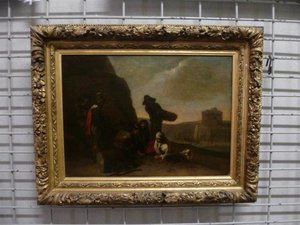
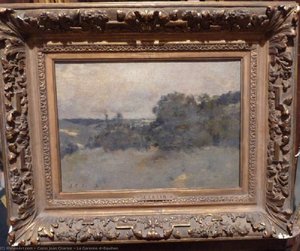
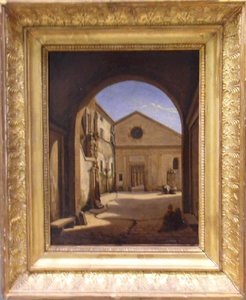
Biografija umetnika
A Life Immersed in Nature: The World of Charles Busson
Charles Busson, born in 1822 and passing away in 1908, was a painter whose life became inextricably linked to the delicate beauty of the natural world. While not a household name like some of his contemporaries, Busson carved out a unique niche for himself as a meticulous observer and skilled renderer of American wildlife, particularly moths and butterflies. His story is one of quiet dedication, artistic precision, and an enduring fascination with the ephemeral wonders around him. Details regarding his early life remain somewhat scarce; however, it’s clear that he possessed a natural aptitude for drawing and painting from a young age. He wasn't formally trained in the grand academic traditions of the time, instead developing his skills through self-study and direct observation – a path that would profoundly shape his artistic style. He settled in America, drawn by the richness and diversity of its insect life, which offered an endless source of inspiration for his work. He wasn’t documenting scientific specimens; he was capturing their essence, their fleeting moments of grace, and the intricate patterns that adorned their wings.The Art of Observation: Busson's Technique and Style
Busson’s paintings are characterized by a remarkable level of detail and accuracy. He didn’t simply paint *pictures* of moths and butterflies; he created miniature portraits, each one a testament to his patience and skill. His technique involved painstaking observation, often studying live specimens for extended periods before committing them to canvas or paper. He employed a delicate watercolor technique, layering washes of color to achieve subtle gradations and luminous effects. His work stands apart from the more dramatic compositions of wildlife artists who focused on scenes of predation or struggle. Busson’s focus was almost exclusively on the insect itself, often depicted against neutral backgrounds that served to highlight its form and coloration. This minimalist approach allowed viewers to fully appreciate the intricate beauty of each creature. He wasn't interested in narrative; he wanted to present the pure aesthetic experience of encountering these delicate beings. His paintings are a celebration of pattern, texture, and color. He often worked on small-scale supports, further emphasizing the intimacy and preciousness of his subjects.Influences and Artistic Context
While Busson largely developed his style independently, it’s possible to identify certain influences in his work. The burgeoning field of natural history illustration played a role, as did the Romantic movement's emphasis on emotion and individual experience. However, he diverged from the scientific precision of many illustrators, prioritizing artistic expression over strict anatomical accuracy.- The Aesthetic Movement’s focus on beauty for its own sake resonated with Busson’s approach.
- He shared a sensibility with artists who explored the decorative arts and Japanese prints, both of which emphasized pattern and refined craftsmanship.
- His work can also be seen as a precursor to modern entomological art, which combines scientific accuracy with artistic flair.
Major Achievements and Legacy
Busson's primary achievement lies in the sheer volume and quality of his insect paintings. He created hundreds of works throughout his career, many of which found their way into private collections. While he didn’t exhibit extensively during his lifetime, his paintings were admired by connoisseurs and collectors who appreciated his unique style and meticulous technique. His work provides a valuable glimpse into the natural world of 19th-century America. He documented species that have since become rare or endangered, offering a visual record of their former abundance. Today, Busson’s paintings are increasingly recognized for their artistic merit and historical significance. They represent a unique blend of scientific observation, aesthetic sensibility, and quiet dedication to the beauty of nature. His legacy is one of patience, precision, and an enduring appreciation for the small wonders that often go unnoticed.Historical Significance: A Quiet Voice in American Art
Charles Busson’s place in art history isn't defined by grand pronouncements or revolutionary techniques. Instead, his significance lies in his quiet contribution to a specific genre – the depiction of insects as objects of beauty and contemplation. He represents a fascinating intersection of art, science, and natural history. His work reflects the growing interest in the natural world during the 19th century and provides valuable insights into the aesthetic sensibilities of the time.- He helped to elevate the status of insects as artistic subjects.
- His paintings offer a visual record of species that have since become rare or endangered.
- He demonstrated the power of meticulous observation and refined technique.
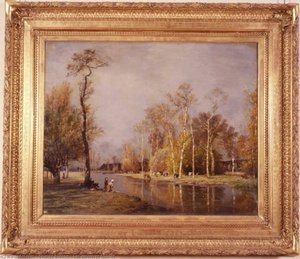
charles busson
1822 - 1908
Osnovne informacije
- Artistic Movement Or Style: Nature Illustration
- Date Of Birth: 1822
- Date Of Death: 1908
- Full Name: Charles Busson
- Nationality: French
- Notable Artworks:
- Moth Painting Artist
- Butterfly Paintings
- Place Of Birth: WahooArt, France
Povezani članci
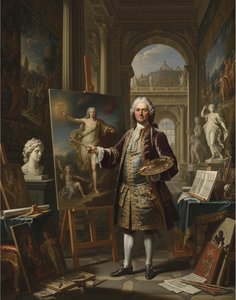
Charles Le Brun: Master of French Baroque Classicism & His Enduring Legacy
Explore the life & art of Charles Le Brun, master of French Baroque Classicism. Discover his royal commissions, influence on Versailles, and enduring legacy through detailed analysis & stunning artworks.
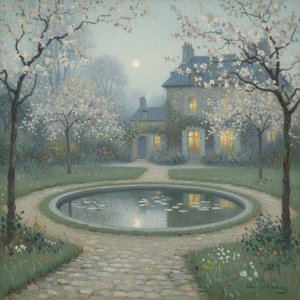
Henri Le Sidaner: Evoking Atmosphere & Intimacy in Post-Impressionist Landscapes
Discover the evocative world of Henri Le Sidaner, a master of Intimist painting. Explore his tranquil landscapes & atmospheric interiors – a celebration of light and intimacy. Learn about his life, style, and lasting legacy.
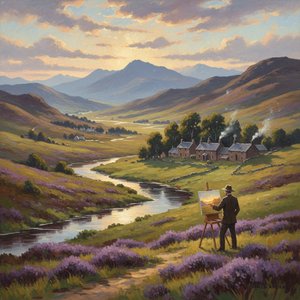
Charles Fraser: A Life Immersed in Light and Landscape – Exploring the Scottish Colourist's Vision
Discover the captivating world of Charles Fraser (1782-1860), a leading American artist renowned for his serene landscapes and detailed portraits of Southern life. Explore his legacy & find museum-quality reproductions at ArtsDot.
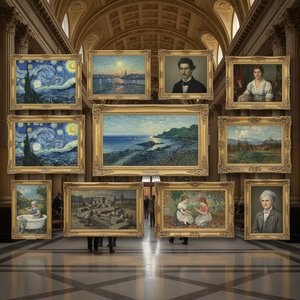
19th Century Masterpieces: 10 Paintings That Defined an Era | ArtsDot
Journey through 19th century art with ArtsDot! Explore 10 iconic paintings – from Monet & Renoir to Courbet – and discover the stories behind Romanticism, Realism & Impressionism. Find museum-quality reproductions for your home decor. Explore the full collection online!
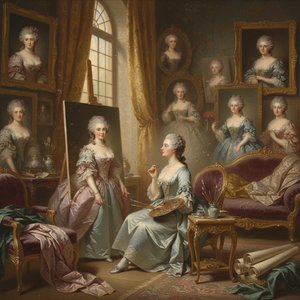
Vigée Le Brun: Portraiture, Patronage & Feminine Identity in 18th-Century France
Explore the life & art of Louise Élisabeth Vigée Le Brun, Marie Antoinette’s renowned portraitist. Discover her Rococo style, self-portraits, and influence on 18th-century French painting. A deep dive into patronage & feminine identity.