

 Pregledaj u prostoru
 Pošalji
 Podeli
 Detalji o delu

 Преузми
 Slični predmeti
 Rendgenski snimak
 Slajdovi
 Statistika
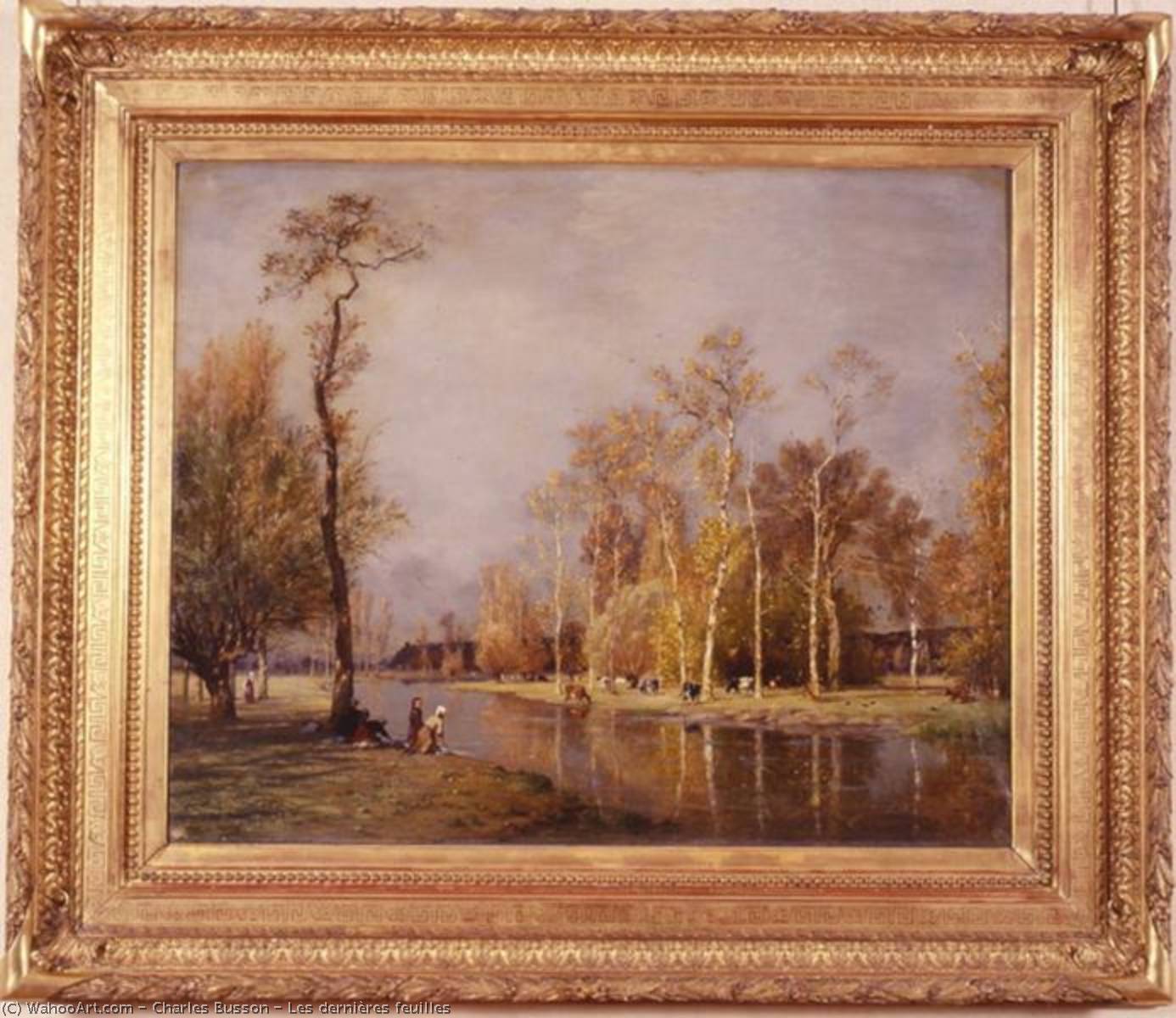
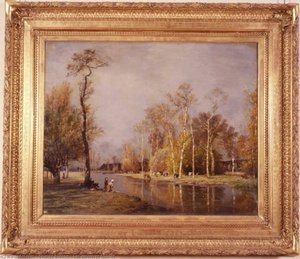
Les dernières feuilles
 Pročitaj više
Kupite digitalnu sliku visoke rezolucije i poboljšanog kvaliteta, koja je znatno superiornija od onoga što vidite u online prikazu.
Svaka datoteka je pedantno pripremljena od strane naših stručnjaka koristeći napredne alate i profesionalnu ručnu retušu. Osiguravamo da svaka slika ima izuzetnu oštrinu, preciznu reprodukciju boja i fine detalje.
Konačna datoteka se dostavlja putem e-pošte u roku od 72 sata, optimizovana za neposrednu upotrebu u profesionalnim, izdavačkim i štamparskim okruženjima. To je isti kvalitet kojem veruju vrhunski studiji dizajna, izdavači i galerije.
Digitalna slika
Preuzmite datoteku visoke rezolucije za ličnu upotrebu, štampanje i kreativne projekte. ( Pređi na štampu Kupi ručno naslikanu sliku)
Uključeno uz svaku porudžbinu digitalne slike
Profesionalna digitalna isporuka, zagarantovana
Kada odaberete ArtsDot.com, ne dobijate samo sliku – vi primate profesionalno unapređeno digitalno umetničko delo, izrađeno sa najvećom preciznošću i uz garanciju zadovoljstva. Evo svega što automatski dolazi uz vašu porudžbinu:

Brza dostava putem e-pošte
Vaša digitalna slika visoke rezolucije biće vam poslata putem e-pošte u roku od 72 sata od poručivanja – spremna za trenutnu upotrebu.

Digitalna datoteka unapređena veštačkom inteligencijom
Vaše umetničko delo je profesionalno optimizovano korišćenjem naprednih AI alata i ručne obrade, čime se osiguravaju maksimalni detalji, oštrina i preciznost boja.

Besplatna ponovna isporuka doživotno
Slučajno ste obrisali ili izgubili svoju datoteku? Ne brinite – poslaćemo vam je ponovo u bilo kom trenutku, potpuno besplatno.

Bez troškova uvoza – zauvek
Uživajte u svojim umetničkim delima trenutno, bez carine, dažbina ili troškova dostave – digitalni download je uvek bez poreza.

Garancija vernosti boja
Uz pomoć profesionalnih alata i upravljanja bojama, osiguravamo da vaša digitalna slika što vernije odražava originalne boje.

Garancija zadovoljstva od 100 dana
Ako niste zadovoljni svojom digitalnom slikom, izvršićemo reviziju ili ćemo vam vratiti 100% novca u roku od 100 dana – bez ikakvih pitanja.

100% garancija povrata novca
Niste zadovoljni? Dobijte puni povraćaj novca u roku od 100 dana od prijema digitalne datoteke – bez suvišnih pitanja.

Popusti na velike porudžbine
Kupite 3 slike, uštedite 10% - Kupite 5 slika, uštedite 15% - Kupite 10+ slika, uštedite 20%. Odlično za kreativne projekte, galerije i agencije.
Srodna umetnička dela



Biografija umetnika
A Life Immersed in Nature: The World of Charles Busson
Charles Busson, born in 1822 and passing away in 1908, was a painter whose life became inextricably linked to the delicate beauty of the natural world. While not a household name like some of his contemporaries, Busson carved out a unique niche for himself as a meticulous observer and skilled renderer of American wildlife, particularly moths and butterflies. His story is one of quiet dedication, artistic precision, and an enduring fascination with the ephemeral wonders around him. Details regarding his early life remain somewhat scarce; however, it’s clear that he possessed a natural aptitude for drawing and painting from a young age. He wasn't formally trained in the grand academic traditions of the time, instead developing his skills through self-study and direct observation – a path that would profoundly shape his artistic style. He settled in America, drawn by the richness and diversity of its insect life, which offered an endless source of inspiration for his work. He wasn’t documenting scientific specimens; he was capturing their essence, their fleeting moments of grace, and the intricate patterns that adorned their wings.The Art of Observation: Busson's Technique and Style
Busson’s paintings are characterized by a remarkable level of detail and accuracy. He didn’t simply paint *pictures* of moths and butterflies; he created miniature portraits, each one a testament to his patience and skill. His technique involved painstaking observation, often studying live specimens for extended periods before committing them to canvas or paper. He employed a delicate watercolor technique, layering washes of color to achieve subtle gradations and luminous effects. His work stands apart from the more dramatic compositions of wildlife artists who focused on scenes of predation or struggle. Busson’s focus was almost exclusively on the insect itself, often depicted against neutral backgrounds that served to highlight its form and coloration. This minimalist approach allowed viewers to fully appreciate the intricate beauty of each creature. He wasn't interested in narrative; he wanted to present the pure aesthetic experience of encountering these delicate beings. His paintings are a celebration of pattern, texture, and color. He often worked on small-scale supports, further emphasizing the intimacy and preciousness of his subjects.Influences and Artistic Context
While Busson largely developed his style independently, it’s possible to identify certain influences in his work. The burgeoning field of natural history illustration played a role, as did the Romantic movement's emphasis on emotion and individual experience. However, he diverged from the scientific precision of many illustrators, prioritizing artistic expression over strict anatomical accuracy.- The Aesthetic Movement’s focus on beauty for its own sake resonated with Busson’s approach.
- He shared a sensibility with artists who explored the decorative arts and Japanese prints, both of which emphasized pattern and refined craftsmanship.
- His work can also be seen as a precursor to modern entomological art, which combines scientific accuracy with artistic flair.
Major Achievements and Legacy
Busson's primary achievement lies in the sheer volume and quality of his insect paintings. He created hundreds of works throughout his career, many of which found their way into private collections. While he didn’t exhibit extensively during his lifetime, his paintings were admired by connoisseurs and collectors who appreciated his unique style and meticulous technique. His work provides a valuable glimpse into the natural world of 19th-century America. He documented species that have since become rare or endangered, offering a visual record of their former abundance. Today, Busson’s paintings are increasingly recognized for their artistic merit and historical significance. They represent a unique blend of scientific observation, aesthetic sensibility, and quiet dedication to the beauty of nature. His legacy is one of patience, precision, and an enduring appreciation for the small wonders that often go unnoticed.Historical Significance: A Quiet Voice in American Art
Charles Busson’s place in art history isn't defined by grand pronouncements or revolutionary techniques. Instead, his significance lies in his quiet contribution to a specific genre – the depiction of insects as objects of beauty and contemplation. He represents a fascinating intersection of art, science, and natural history. His work reflects the growing interest in the natural world during the 19th century and provides valuable insights into the aesthetic sensibilities of the time.- He helped to elevate the status of insects as artistic subjects.
- His paintings offer a visual record of species that have since become rare or endangered.
- He demonstrated the power of meticulous observation and refined technique.
charles busson
1822 - 1908
Kratke činjenice
- Artistic Movement Or Style: Nature Illustration
- Date Of Birth: 1822
- Date Of Death: 1908
- Full Name: Charles Busson
- Nationality: French
- Notable Artworks:
- Moth Painting Artist
- Butterfly Paintings
- Place Of Birth: WahooArt, France