

 Pregledaj u prostoru
 Pošalji
 Podeli
 Detalji o delu

 Преузми
 Slični predmeti
 Rendgenski snimak
 Slajdovi
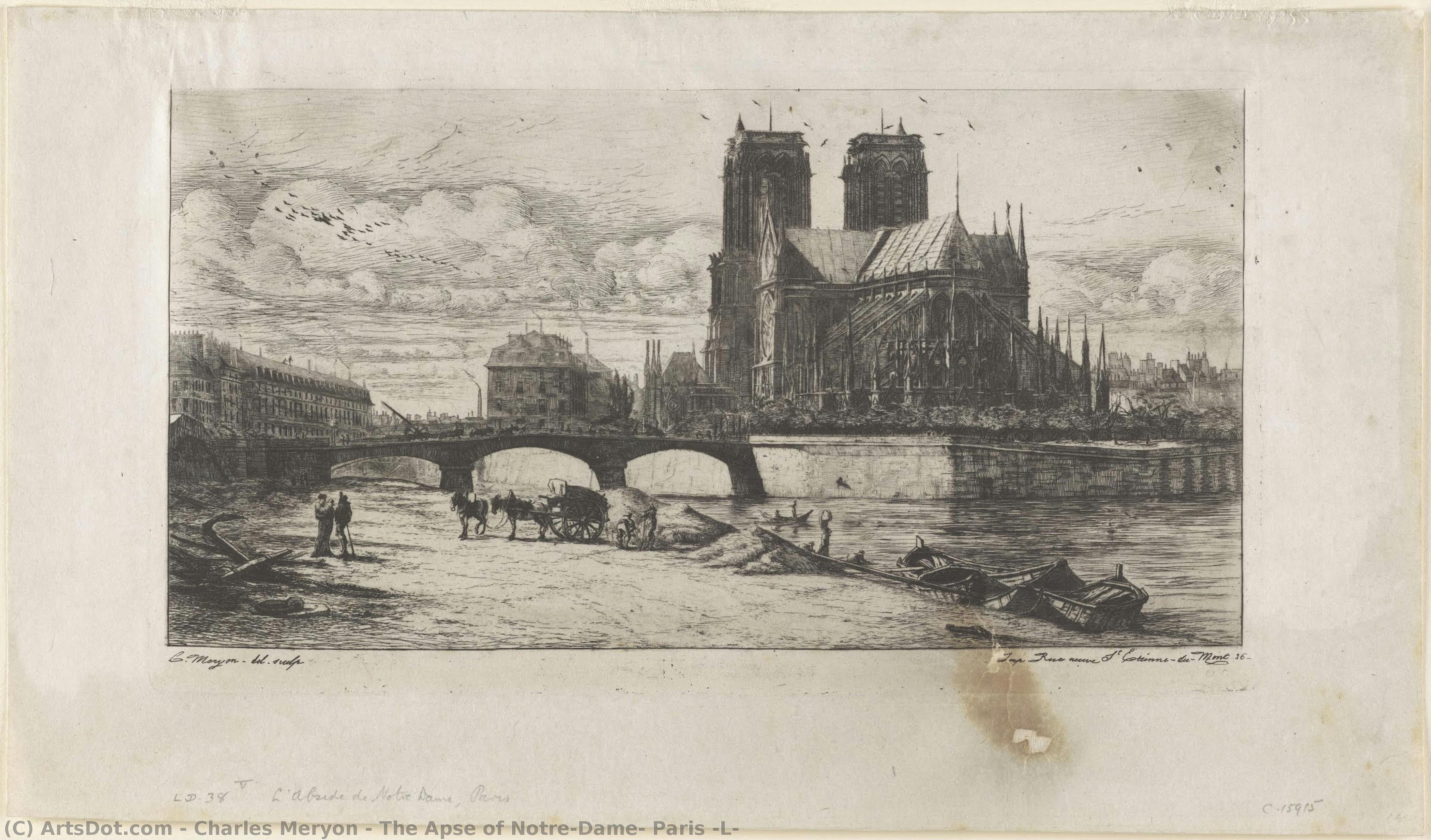
The Apse of Notre-Dame, Paris (L


 Pročitaj više
Kupite digitalnu sliku visoke rezolucije i poboljšanog kvaliteta, koja je znatno superiornija od onoga što vidite u online prikazu.
Svaka datoteka je pedantno pripremljena od strane naših stručnjaka koristeći napredne alate i profesionalnu ručnu retušu. Osiguravamo da svaka slika ima izuzetnu oštrinu, preciznu reprodukciju boja i fine detalje.
Konačna datoteka se dostavlja putem e-pošte u roku od 72 sata, optimizovana za neposrednu upotrebu u profesionalnim, izdavačkim i štamparskim okruženjima. To je isti kvalitet kojem veruju vrhunski studiji dizajna, izdavači i galerije.
Digitalna slika
Preuzmite datoteku visoke rezolucije za ličnu upotrebu, štampanje i kreativne projekte. ( Kupi print Kupi ručno naslikanu sliku)
Uključeno uz svaku porudžbinu digitalne slike
Profesionalna digitalna isporuka, zagarantovana
Kada odaberete ArtsDot.com, ne dobijate samo sliku – vi primate profesionalno unapređeno digitalno umetničko delo, izrađeno sa najvećom preciznošću i uz garanciju zadovoljstva. Evo svega što automatski dolazi uz vašu porudžbinu:

Brza dostava putem e-pošte
Vaša digitalna slika visoke rezolucije biće vam poslata putem e-pošte u roku od 72 sata od poručivanja – spremna za trenutnu upotrebu.

Digitalna datoteka unapređena veštačkom inteligencijom
Vaše umetničko delo je profesionalno optimizovano korišćenjem naprednih AI alata i ručne obrade, čime se osiguravaju maksimalni detalji, oštrina i preciznost boja.

Besplatna ponovna isporuka doživotno
Slučajno ste obrisali ili izgubili svoju datoteku? Ne brinite – poslaćemo vam je ponovo u bilo kom trenutku, potpuno besplatno.

Bez troškova uvoza – zauvek
Uživajte u svojim umetničkim delima trenutno, bez carine, dažbina ili troškova dostave – digitalni download je uvek bez poreza.

Garancija vernosti boja
Uz pomoć profesionalnih alata i upravljanja bojama, osiguravamo da vaša digitalna slika što vernije odražava originalne boje.

Garancija zadovoljstva u roku od 60 dana
Ako niste zadovoljni svojom digitalnom slikom, revidirat ćemo je ili vratiti 100% novca u roku od 60 dana – bez ikakvih pitanja.

100% garancija povrata novca
Niste zadovoljni? Obezbedite pun povrat novca u roku od 60 dana od trenutka kada ste primili svoju digitalnu datoteku – bez suvišnih pitanja.

Popusti na velike porudžbine
Kupite 3 slike, uštedite 10% - Kupite 5 slika, uštedite 15% - Kupite 10+ slika, uštedite 20%. Odlično za kreativne projekte, galerije i agencije.
Opis kolekcionarskog dela
Srodna umetnička dela





Biografija umetnika
early life and naval career
charles méryon, a french artist, was born on november 23, 1821, in paris. his mother, a dancer at the paris opera, had a significant influence on his early life. méryon's colour blindness led him to pursue a naval career, which took him on extensive voyages, including a four-year tour around the world. this experience would later inspire his etched depictions of paris.artistic journey and notable works
after realizing that colour-blindness ruled out painting for him, méryon settled on etching in 1848. his most famous work is the series eaux-fortes sur paris, which powerfully conveys his distinctive gothic vision of paris. this series, executed from 1850 to 1854, includes twenty-two etchings that are now considered a testament to méryon's skill and artistry.- le stryge (the gargoyle or the vampire), 1853, is now meryon's most famous print, showcasing his mastery of the etching medium. (view on ArtsDot)
- st. etienne-du-mont, paris, from eaux-fortes sur paris, demonstrates méryon's ability to capture the essence of parisian landscapes. (view on ArtsDot)
- etchings of paris; title page to the suite, housed at the metropolitan museum of art, serves as a prime example of méryon's etching prowess. (view on ArtsDot)
museums and collections featuring charles méryon's work
* the metropolitan museum of art (new york city, united states) houses several of méryon's notable etchings, including etchings of paris; title page to the suite. (view on ArtsDot) * harvard art museums (cambridge, united states) features méryon's le stryge, a testament to his skill in etching. (view on ArtsDot) discover more about charles méryon's life and work on wikipedia: read more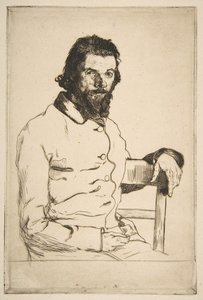
Charles Meryon
1821 - 1868 , France
Kratke činjenice
- Artistic Movement Or Style: Gothic Romanticism
- Artists Who Influenced This Artist:
- Eugène Delacroix
- Caspar David Friedrich
- Date Of Birth: November 23, 1821
- Date Of Death: February 14, 1868
- Full Name: Charles Meryon
- Nationality: French
- Notable Artworks:
- Eaux-fortes sur Paris
- Le Stryge
- St. Etienne-du-Mont
- Place Of Birth: Paris, France

