

 Pregledaj u prostoru
 Pošalji
 Podeli
 Detalji o delu

 Преузми
 Slični predmeti
 Rendgenski snimak
 Slajdovi
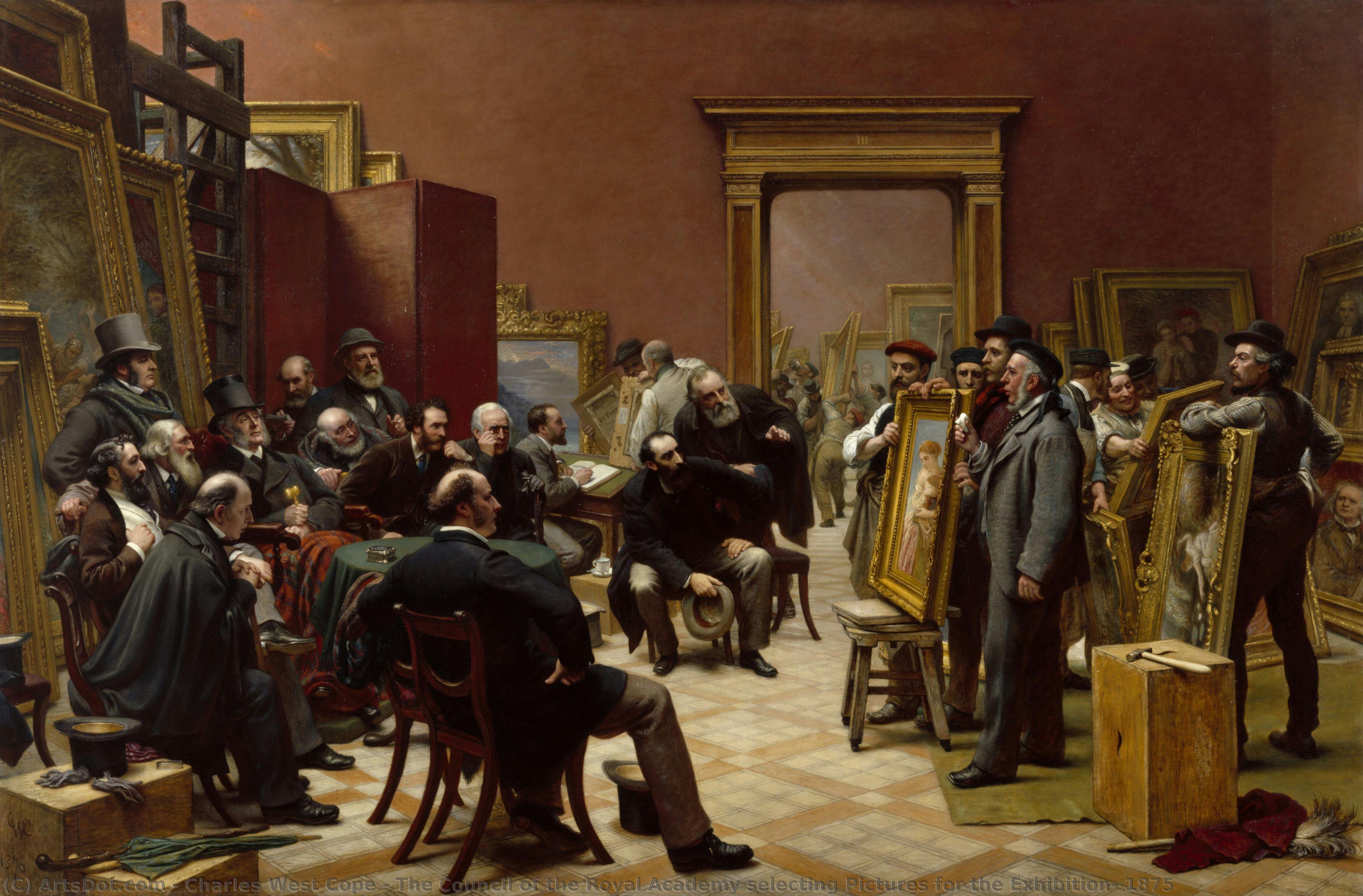
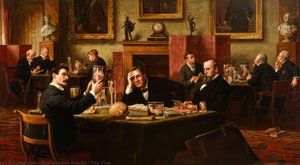
The Council of the Royal Academy selecting Pictures for the Exhibition, 1875


 Pročitaj više
Ručno rađena uljana reprodukcija
Ručno oslikano uljanim bojama na platnu u dimenzijama i okviru po vašem izboru, izrađeno po porudžbini od strane naših umetnika. ( Kupi print Kupi digitalnu sliku)




































Izaberite jednu od naših unapred definisanih veličina koje odgovaraju originalnim proporcijama umetničkog dela.

Можете унети сопствене димензије како бисте прилагодили дело одређеном оквиру или простору. Ако одабрана величина не одговара пропорцијама оригинала, слика ће бити исечена или проширена додатним елементима који се ручно насликавају. Дигитални prikaz ће вам бити послат на одобрење пре почетка производње.
Имајте на уму да преглед на екрану не одражава стварно исецање или проширење. Само приказ (mockup) ће тачно приказати коначну композицију.
Иако су доступне прилагођене величине, препоручујемо да одаберете димензију из дефинисане листе како бисте сачували оригиналне пропорције.
Nakon narudžbine, tim ArtsDot.com će klijentu putem e-pošte poslati uputstva i dostaviti prikaz predloženog rešenja
Isporuka širom sveta () za 3/4 nedelje umesto uobičajenih 5 nedelja. (26 август). Bez kompromisa po pitanju kvaliteta.

Besplatna ekspresna dostava širom sveta

Visokokvalitetno laneno platno

Kompletno osiguranje transporta

Garancija povraćaja carine i uvoznih dažbina

Garancija vernosti boja

Politika povrata u roku od 60 dana (samo u slučaju nedostataka)

Garancija povrata novca od 100%

Popust pri grupnoj kupovini
 Opcija sa staklom dostupna je samo za dimenzije manje od 110 cm

The Council of the Royal Academy selecting Pictures for the Exhibition, 1875
Tehnika reprodukcije
Dimenzije reprodukcije
-


Konačna cena
$ 263
Opis umetničkog dela
A Moment Frozen in Artistic Judgement
In the grand, hushed halls of art history, few moments capture the weight of institutional legacy as poignantly as Charles West Cope’s The Council of the Royal Academy selecting Pictures for the Exhibition, 1875. This masterful composition serves as a window into a vanished era of Victorian prestige, transporting the viewer directly into the heart of the decision-making process that once dictated the pulse of the British art world. The scene is not merely a gathering; it is a high-stakes drama of intellect and aesthetic scrutiny. As the members of the Royal Academy congregate, we witness the intense, quiet gravity of men tasked with defining excellence. Through Cope’s lens, the viewer becomes an invisible participant in this sacred ritual, feeling the palpable tension that exists when the fate of an artist's career hangs upon a single, discerning glance.
The painting is a triumph of narrative complexity and crowded composition. From right to left, the canvas unfolds like a meticulously choreographed stage play, featuring a constellation of luminaries including J.E. Millais, F. Leighton, and R. Redgrave. Cope utilizes a sophisticated arrangement of figures to guide the eye through the room; some artists lean forward in deep contemplation, while others stand in quiet discussion, their silhouettes overlapping to create a sense of profound depth. The walls themselves are alive with the works being scrutinized—a gallery within a gallery—each piece contributing to the rich, textured atmosphere of the exhibition space. This layering of art within art creates a mesmerizing visual rhythm that rewards the attentive observer.
Technically, Cope demonstrates his unparalleled mastery of genre painting and historical scene construction. His ability to manage such a large-scale group portrait without sacrificing individual character is nothing short of extraordinary. The lighting is particularly evocative, casting soft shadows that define the heavy fabrics of the gentlemen's suits and the gilded edges of the frames, lending a sense of tactile reality to the scene. The palette is rich and academic, utilizing deep tones that evoke the warmth and solemnity of an institutional setting. For the collector or interior designer, this piece offers more than just decoration; it provides a sophisticated focal point that commands attention through its sheer historical density and painterly excellence.
Beyond its surface beauty, the work resonates with a profound emotional and symbolic weight. It represents the intersection of tradition and emerging talent, capturing the very moment where the established guard meets the new wave of creativity. There is a sense of stewardship in the air—a heavy responsibility felt by the Council as they navigate the delicate balance of selecting works that will define the Summer Exhibition. For those seeking to adorn a space with art that inspires conversation and intellectual curiosity, this reproduction offers an unparalleled opportunity to bring the prestige of the 19th-century London art scene into a contemporary setting, serving as a timeless tribute to the enduring power of human judgment and artistic passion.
Srodna umetnička dela
Biografija umetnika
early life and training
charles west cope, a renowned english painter, was born on july 28, 1811, in leeds, united kingdom. his early life was marked by the untimely death of his father, charles cope, a watercolour landscape painter and art teacher, in a stage coach accident in 1827. this event led to charles west's entry into sass's academy in bloomsbury, london, and subsequently, the royal academy in 1828.artistic career
charles west cope's artistic career was characterized by his exceptional skill in capturing genre and history scenes. his early work, the golden age, exhibited at the royal academy in 1833, marked the beginning of a successful career. following this, he spent two years in italy, where he completed the firstborn, which was later exhibited at the british institution.notable works and collaborations
- paolo and franceses (1837) and osteria di campagna (1838), sold shortly after their exhibition at the royal academy, demonstrate cope's early success.
- his large altar-piece for st george's church, leeds (1839-1840), showcased his skill in larger-scale works.
- as a founding member of the etching club, cope collaborated with notable artists like william holman hunt and samuel palmer.
painting frescos for the houses of parliament
charles west cope's most significant contribution to british art is his fresco work in the house of lords, including prince henry acknowledging the authority of judge gascoigne and edward the black prince receiving the order of the garter. these works, commissioned in 1844, solidify cope's place in british art history. key dates:- july 28, 1811: born in leeds, united kingdom
- 1827: father's death; entry into sass's academy
- 1833: first exhibition at the royal academy
- 1844: commissioned to paint frescos for the house of lords
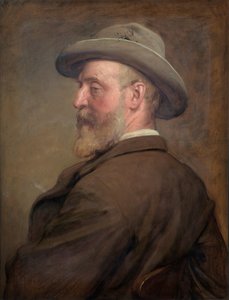
Charles West Cope
1811 - 1890 , United Kingdom
Osnovne informacije
- Artistic Movement Or Style: Victorian Genre Painting
- Artists Who Influenced This Artist:
- William Holman Hunt
- Samuel Palmer
- Date Of Birth: July 28, 1811
- Date Of Death: 1890
- Full Name: Charles West Cope
- Nationality: British
- Notable Artworks:
- Edward The Black Prince
- Portrait Of The Artist's Daughter
- Florence Cope Saying Grace At Dinnertime
- Place Of Birth: Leeds, United Kingdom
Povezani članci
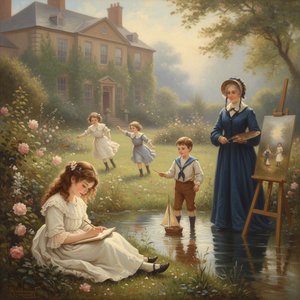
James Sant: Capturing Victorian Childhood & the Evolving Landscape of British Genre Painting
Explore the life & art of James Sant (1820-1916), renowned Victorian portraitist to Queen Victoria. Discover his captivating depictions of childhood, landscapes, and aristocratic society. Learn about his legacy & find fine art reproductions.
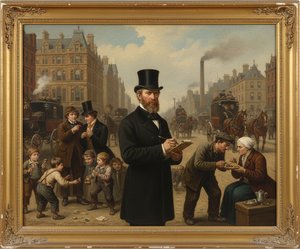
R.A. Benjamin Williams: Victorian Genre Painting & Social Commentary
Explore the captivating world of Benjamin Williams Leader's Victorian genre paintings. Discover his mastery of naturalism, social commentary & lasting influence on British art. Expert insights at ArtsDot.
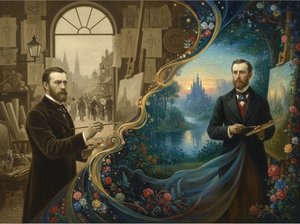
Thomas Edwin Mostyn: A Victorian Genre Painter's Journey from Realism to Romantic Enchantment
Discover the captivating world of Thomas Edwin Mostyn (1864-1930), a Victorian artist renowned for his romantic garden scenes and evocative portraits. Explore his artistic journey, legacy & find high-quality reproductions at ArtsDot.
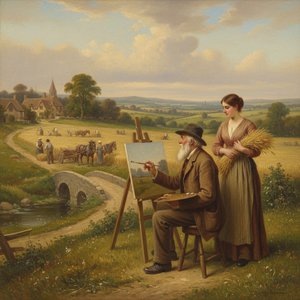
Frederick Goodall (1822–1904): A Victorian Narrative of Rural Life and Artistic Tradition
Explore the captivating world of Frederick Goodall (1822–1904), a celebrated Victorian artist renowned for his detailed genre paintings and evocative Egyptian scenes. Discover his life, legacy & find high-quality reproductions at ArtsDot.
William Powell Frith: Narratives of Victorian Society & the Rise of Realist Painting
Explore the life & works of William Powell Frith, the 'greatest British painter of social scenes.' Discover his iconic Victorian genre paintings and learn about his lasting impact on realist art. Hand-painted reproductions available.

