

 Pregledaj u prostoru
 Pošalji
 Podeli
 Detalji o delu

 Преузми
 Slični predmeti
 Rendgenski snimak
 Slajdovi
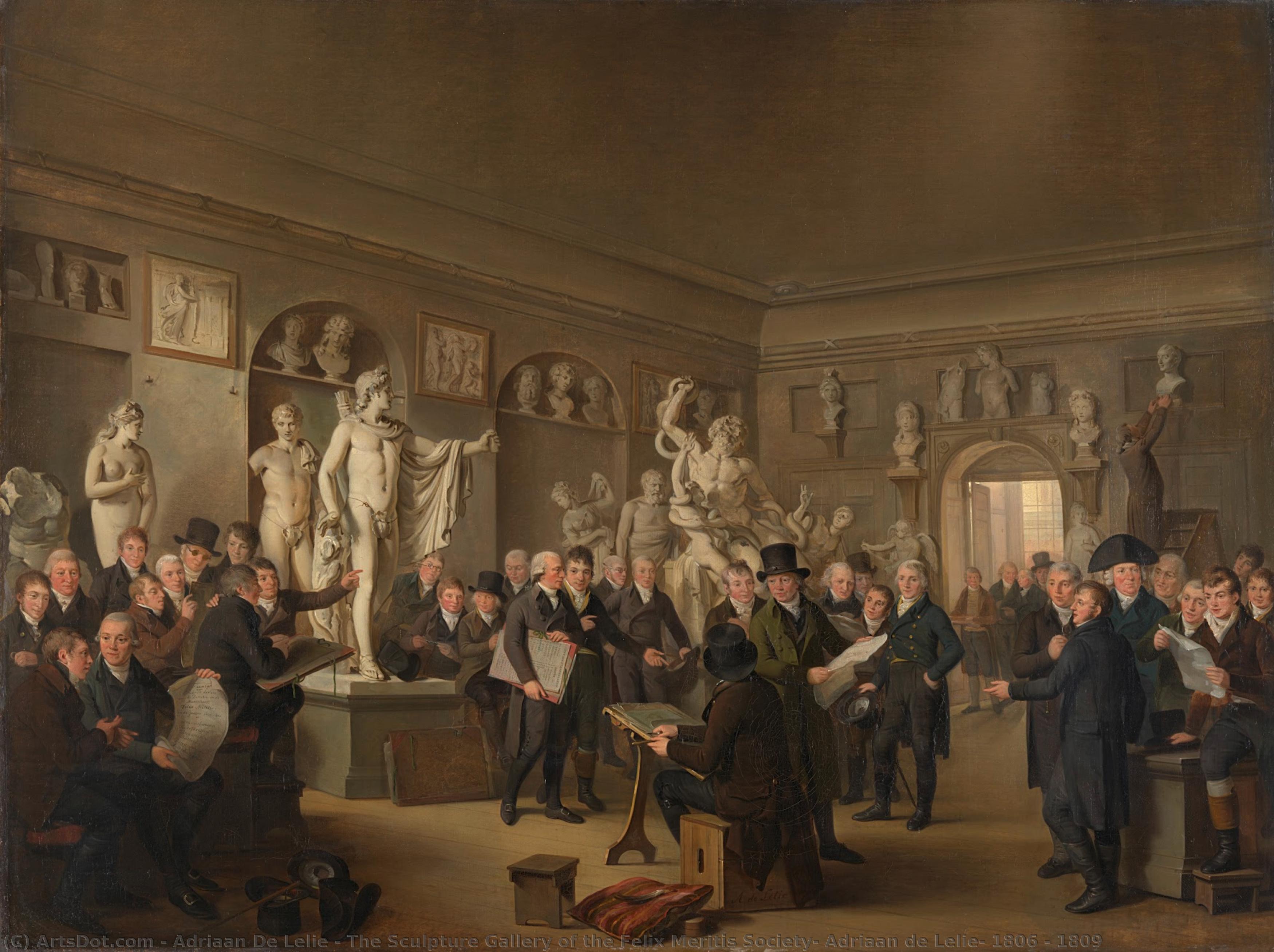
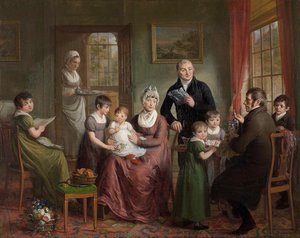
The Sculpture Gallery of the Felix Meritis Society, Adriaan de Lelie, 1806 - 1809
 1809
1809 100.0 x 133.0 cm
 Pročitaj više
Ručno rađena uljana reprodukcija
Ručno oslikano uljanim bojama na platnu u dimenzijama i okviru po vašem izboru, izrađeno po porudžbini od strane naših umetnika. ( Kupi print Kupi digitalnu sliku)




































Izaberite jednu od naših unapred definisanih veličina koje odgovaraju originalnim proporcijama umetničkog dela.

Можете унети сопствене димензије како бисте прилагодили дело одређеном оквиру или простору. Ако одабрана величина не одговара пропорцијама оригинала, слика ће бити исечена или проширена додатним елементима који се ручно насликавају. Дигитални prikaz ће вам бити послат на одобрење пре почетка производње.
Имајте на уму да преглед на екрану не одражава стварно исецање или проширење. Само приказ (mockup) ће тачно приказати коначну композицију.
Иако су доступне прилагођене величине, препоручујемо да одаберете димензију из дефинисане листе како бисте сачували оригиналне пропорције.
Nakon narudžbine, tim ArtsDot.com će klijentu putem e-pošte poslati uputstva i dostaviti prikaz predloženog rešenja
Isporuka širom sveta () za 3/4 nedelje umesto uobičajenih 5 nedelja. (4 септембар). Bez kompromisa po pitanju kvaliteta.

Besplatna ekspresna dostava širom sveta

Visokokvalitetno laneno platno

Kompletno osiguranje transporta

Garancija povraćaja carine i uvoznih dažbina

Garancija vernosti boja

Politika povrata u roku od 60 dana (samo u slučaju nedostataka)

Garancija povrata novca od 100%

Popust pri grupnoj kupovini
 Opcija sa staklom dostupna je samo za dimenzije manje od 110 cm

The Sculpture Gallery of the Felix Meritis Society, Adriaan de Lelie, 1806 - 1809
Tehnika reprodukcije
Dimenzije reprodukcije
-


Konačna cena
$ 263
Srodna umetnička dela







Biografija umetnika
The Formative Shadows of Mastery
Adriaan de Lelie’s artistic odyssey began in the modest surroundings of Tilburg, where a deep-seated reverence for classical technique was first ignited. His journey toward becoming a premier portraitist of the Dutch Golden Age was not a solitary one, but rather a carefully woven tapestry of mentorship and rigorous study. Under the guidance of A. Peeters, a master of tapestries and ornaments, de Lelie learned the importance of intricate detail and decorative elegance. This foundation was further strengthened in Antwerp, where he honed his skills under the watchful eye of Andreas Bernardus de Quertenmont. These early years were characterized by a profound immersion in the classical traditions that would later define his aesthetic.
Before establishing himself as a titan of Amsterdam society, de Lelie sought inspiration in Düsseldorf, a period of intense academic devotion. Here, he dedicated himself to the meticulous reproduction of masterpieces by Rubens and Van Dyck. This was not merely an exercise in imitation, but a deep psychological engagement with the grandeur of biblical narratives and the aristocratic poise of Flemish portraiture. By recreating the sweeping compositions and dramatic lighting of these masters, de Lelie internalized the very essence of chiaroscuro, preparing himself to capture the light and shadow of his own era with unparalleled precision.
A Chronicler of Amsterdam’s Social Fabric
As his career migrated toward the bustling, intellectual heart of Amsterdam, de Lelie transformed from a student of masters into a master of his contemporary surroundings. He emerged as a preferred portraitist for the enlightened bourgeoisie, a class of people defined by their progressive ideals and growing cultural influence. His work during this period transcended simple likeness; he possessed a rare ability to capture the spirit of an age caught between tradition and the dawn of modernity. While his roots lay in the heavy, classical styles of the past, his depictions of everyday life introduced a contemporary twist that resonated with the discerning collectors of his time.
De Lelie’s talent for genre painting allowed him to document the nuances of social interaction and domestic elegance. He did not merely paint faces; he painted atmospheres. Whether capturing the quiet dignity of a private study or the vibrant energy of a public gathering, his brushwork conveyed a sense of psychological depth. His ability to blend the formal requirements of portraiture with the narrative intimacy of cabinet pictures made him a central figure in the artistic landscape of late 18th-century Holland.
The Grandeur of the Collector's Eye
Perhaps de Lelie’s most enduring legacy lies in his ability to freeze time within the walls of the great Dutch galleries. He had a singular fascination with the act of collecting, viewing the art gallery not just as a room, but as a theater of intellectual achievement. His monumental works, such as “The Sculpture Gallery of the Felix Meritis Society” and “The Art Gallery of Jan Gildemeester Jansz,” serve as profound historical documents. In these paintings, he meticulously rendered the presence of distinguished figures amidst their treasures, celebrating the intersection of art, commerce, and science.
In these large-scale compositions, de Lelie’s mastery of compositional elegance is on full display. He navigated complex groups of people—scientists, artists, and connoisseurs—with a grace that prevented the scenes from feeling cluttered. Through his use of light, he directed the viewer's eye through the labyrinth of plaster models, antique busts, and oil paintings, creating a sense of awe and discovery. Through these works, Adriaan de Lelie ensured that the cultural zenith of Amsterdam would be remembered not just as a period of history, but as a vivid, breathing reality preserved in paint.
Adriaan de Lelie
1755 - 1820 , Netherlands
Osnovne informacije
- Artistic Movement Or Style: Dutch Golden Age
- Artists Or Movements Influenced By This Artist:
- Rubens
- Van Dyck
- Artists Who Influenced This Artist:
- A. Peeters
- Andreas Bernardus de Quertenmont
- Date Of Birth: May 19, 1755
- Date Of Death: November 30, 1820
- Full Name: Adriaan de Lelie
- Nationality: Dutch
- Notable Artworks:
- The Sculpture Gallery of the Felix Meritis Society
- The Drawing Gallery of the Felix Meritis Society
- Portrait of the Family of Adrianus Bonebakker
- Place Of Birth: Tilburg, Netherlands

