

 Pregledaj u prostoru
 Pošalji
 Podeli
 Detalji o delu

 Преузми
 Slični predmeti
 Rendgenski snimak
 Slajdovi
 Statistika
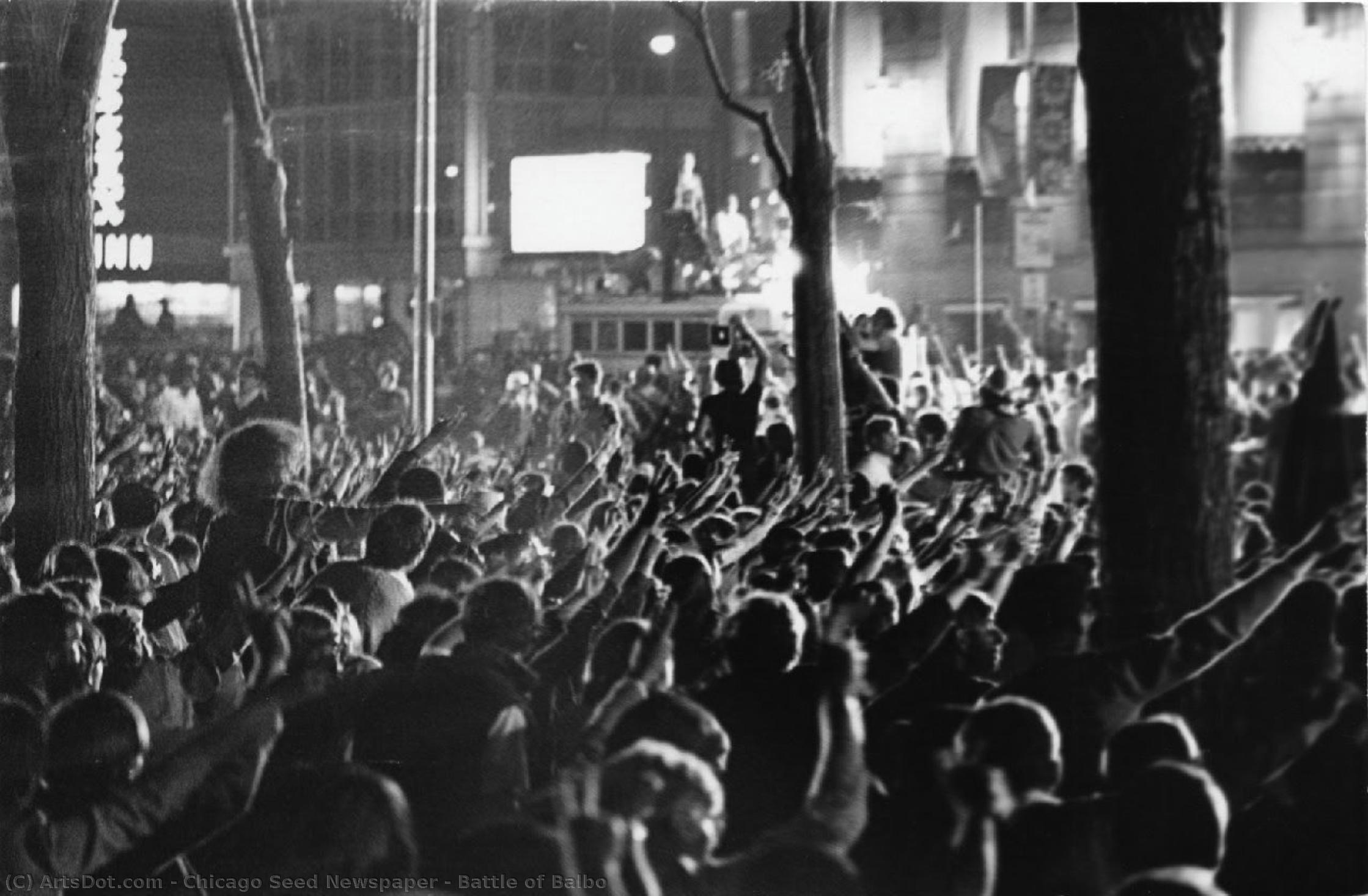
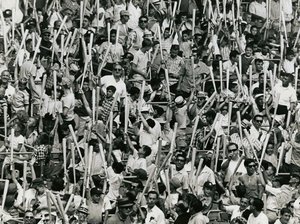
Battle of Balbo

 Pročitaj više
Ručno rađena uljana reprodukcija
Ručno oslikano uljanim bojama na platnu u dimenzijama i okviru po vašem izboru, izrađeno po porudžbini od strane naših umetnika. ( Pređi na štampu Pređi na digitalnu sliku)




































Izaberite jednu od naših unapred definisanih veličina koje odgovaraju originalnim proporcijama umetničkog dela.

Можете унети сопствене димензије како бисте прилагодили дело одређеном оквиру или простору. Ако одабрана величина не одговара пропорцијама оригинала, слика ће бити исечена или проширена додатним елементима који се ручно насликавају. Дигитални prikaz ће вам бити послат на одобрење пре почетка производње.
Имајте на уму да преглед на екрану не одражава стварно исецање или проширење. Само приказ (mockup) ће тачно приказати коначну композицију.
Иако су доступне прилагођене величине, препоручујемо да одаберете димензију из дефинисане листе како бисте сачували оригиналне пропорције.
Nakon narudžbine, tim ArtsDot.com će klijentu putem e-pošte poslati uputstva i dostaviti prikaz predloženog rešenja
Isporuka širom sveta () za 3/4 nedelje umesto uobičajenih 5 nedelja. (8 септембар). Bez kompromisa po pitanju kvaliteta.

Besplatna ekspresna dostava širom sveta

Visokokvalitetno laneno platno

Kompletno osiguranje transporta

Garancija povraćaja carine i uvoznih dažbina

Garancija vernosti boja

Politika povraćaja u roku od 100 dana (isključivo u slučaju nedostataka)

Garancija povrata novca od 100%

Popust pri grupnoj kupovini
 Opcija sa staklom dostupna je samo za dimenzije manje od 110 cm

Battle of Balbo
Tehnika reprodukcije
Dimenzije reprodukcije
-


Konačna cena
$ 613
Srodna umetnička dela





Biografija umetnika
The Vibrant Pulse of Protest: Examining the Artistic Legacy of Chicago Seed
The Chicago Seed newspaper, born in 1967 amidst the burgeoning counterculture movement, wasn’t merely a publication; it was an explosion of color and conviction—a visual manifesto that captured the spirit of its time. Founded by Don Lewis and Earl Segal, Seed Publishing aimed to disrupt the mainstream narrative surrounding pivotal historical events like the Chicago Eight trial, Woodstock, and the tragic assassination of Fred Hampton. By offering a fiercely independent perspective fueled by radical politics and breathtaking psychedelic graphic design, the publication became much more than a source of news; it functioned as a living piece of art that breathed alongside the social upheavals of the late 1960s.
The aesthetic of The Seed was unlike anything else circulating in America at that moment. Under the visionary guidance of art directors like Eliot Wald and later Lester Dore, the newspaper employed a distinctive style characterized by bold color palettes—often incorporating searing oranges, sun-drenched yellows, and deep reds—interwoven with intricate geometric patterns and swirling organic forms. These visuals were never merely decorative; they served as powerful tools for conveying raw emotion and stimulating the collective imagination of a generation. Influenced by the structural precision of Josef Albers and the surrealist dreamscapes of Ernst Fuchs, the design team skillfully blended Bauhaus principles with hallucinogenic imagery, creating a visual language that prioritized emotional impact over rational representation.
A Kaleidoscope of Psychedelic Expression
To look back at an issue of The Seed is to step into a kaleidoscope of psychedelic expression. The artistry was deeply intertwined with the era's radical politics, where every line and hue served the cause of social change. The newspaper’s ability to document history through bold imagery allowed it to act as a chronicler of the most complex issues of the age, from civil rights activism to antiwar sentiment. Each page was a carefully composed battleground of ink and idea, where the boundaries between journalism and fine art blurred into a singular, cohesive experience.
The development of this visual language was marked by several key artistic shifts:
- The Early Radicalism: The initial years were defined by the raw energy of its founders, focusing on the immediate friction of Chicago's political landscape.
- The Psychedelic Peak: As the underground press movement grew, the use of intricate, swirling patterns and high-contrast colors became more sophisticated, mirroring the sensory experiences of the era.
- The Integration of Design and Protest: The mastery of using graphic design to frame news—such as the coverage of the 1968 Democratic National Convention—turned the newspaper into a tool for political mobilization.
Historical Significance and Lasting Impact
Beyond its stylistic innovations, the true merit of The Chicago Seed lies in its role as an essential historical document. At its peak, the publication circulated between 30,000 and 40,000 copies, achieving national distribution and influencing the broader underground press syndicate. It provided a voice for the voiceless, capturing the tension, the hope, and the chaos of a decade in transition. The paper's ability to blend the political with the beautiful ensured that its legacy would endure long after its final issue in 1974.
The artistic legacy of Seed Publishing continues to resonate within the history of graphic design. It remains a primary example of how medium and message can merge to create something transformative. The bold, unapologetic visual identity of the Chicago Seed serves as a reminder of a time when print media was not just a carrier of information, but a vibrant, breathing participant in the struggle for social justice and cultural evolution.

chicago seed newspaper
1967 - 1974 , United States of America
Osnovne informacije
- Artistic Movement Or Style: Psychedelic Art
- Full Name: Chicago Seed Newspaper
- Nationality: American
- Notable Artworks:
- Battle of Balbo
- Chicago Seed newspaper
- Place Of Birth: Chicago, United States of America