

 Pregledaj u prostoru
 Pošalji
 Podeli
 Detalji o delu

 Преузми
 Slični predmeti
 Rendgenski snimak
 Slajdovi
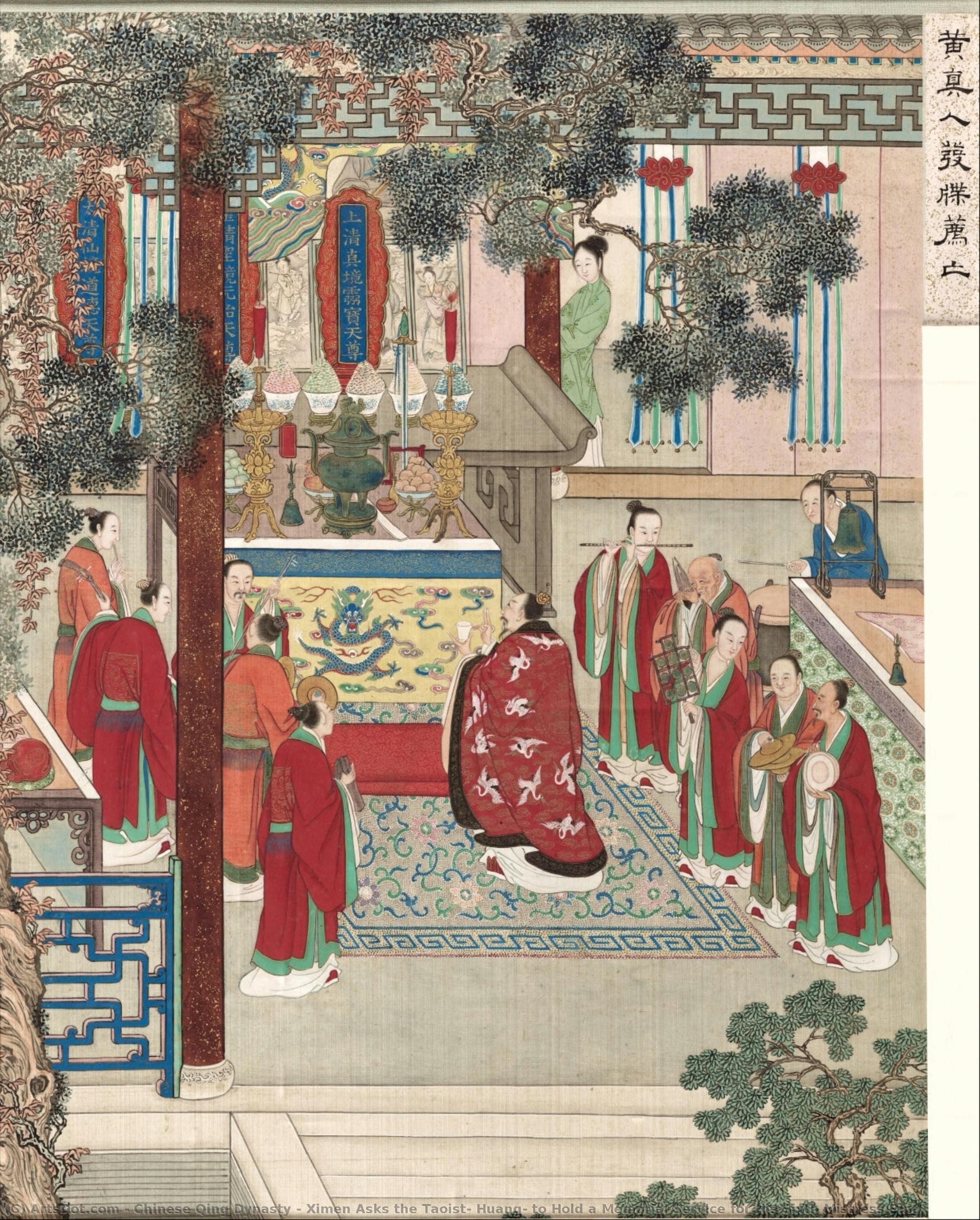
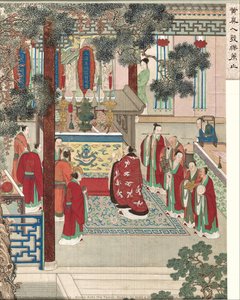
Ximen Asks the Taoist, Huang, to Hold a Memorial Service for His Sixth Mistress Ping
 Painting
 1911
1911- 19th Century
 57.0 x 44.0 cm
 Национална галерија
 Pročitaj više
Ručno rađena uljana reprodukcija
Ručno oslikano uljanim bojama na platnu u dimenzijama i okviru po vašem izboru, izrađeno po porudžbini od strane naših umetnika. ( Kupi print Kupi digitalnu sliku)




P118B $10

P118H $10

P118W $10

P438Z $10

P508JH $12

P508YH $12

P805H $10

P805Z $10

P919BZ $10

P919G $10

P919XJ $10

P959ZH $10

P968JZ $12

W106C $8

W218G $10

W218JH $8

W218Y $10

W307PJ $10

W316G $10

W316PJ $8

W316Y $10

W398PJ $8

W4111J $10

W500HY $15

W500JH $15

W692G $12

W849H $8

W940BG $15

W953PJ $8




Izaberite jednu od naših unapred definisanih veličina koje odgovaraju originalnim proporcijama umetničkog dela.

Можете унети сопствене димензије како бисте прилагодили дело одређеном оквиру или простору. Ако одабрана величина не одговара пропорцијама оригинала, слика ће бити исечена или проширена додатним елементима који се ручно насликавају. Дигитални prikaz ће вам бити послат на одобрење пре почетка производње.
Имајте на уму да преглед на екрану не одражава стварно исецање или проширење. Само приказ (mockup) ће тачно приказати коначну композицију.
Иако су доступне прилагођене величине, препоручујемо да одаберете димензију из дефинисане листе како бисте сачували оригиналне пропорције.
Nakon narudžbine, tim ArtsDot.com će klijentu putem e-pošte poslati uputstva i dostaviti prikaz predloženog rešenja
Isporuka širom sveta () za 3/4 nedelje umesto uobičajenih 5 nedelja. (2 септембар). Bez kompromisa po pitanju kvaliteta.

Besplatna ekspresna dostava širom sveta

Visokokvalitetno laneno platno

Kompletno osiguranje transporta

Garancija povraćaja carine i uvoznih dažbina

Garancija vernosti boja

Politika povrata u roku od 60 dana (samo u slučaju nedostataka)

Garancija povrata novca od 100%

Popust pri grupnoj kupovini
 Opcija sa staklom dostupna je samo za dimenzije manje od 110 cm

Ximen Asks the Taoist, Huang, to Hold a Memorial Service for His Sixth Mistress Ping
Tehnika reprodukcije
Dimenzije reprodukcije
-


Konačna cena
$ 263
A Window into the Qing Dynasty: A Narrative of Mourning and Ritual
In the delicate brushstrokes of Ximen Asks the Taoist, Huang, to Hold a Memorial Service for His Sixth Mistress Ping, we are transported back to the twilight of the Qing Dynasty. This evocative painting serves as more than just a visual record; it is a profound window into the social fabric and spiritual rituals of late imperial China. The scene captures a moment of heavy, communal solemnity, where the boundaries between the living and the ancestral realms begin to blur. As Ximen seeks the intercession of the Taoist priest Huang, the canvas breathes with the weight of loss and the meticulous observance of tradition that defined an era.
The composition is a masterclass in narrative density. Within an ornate, interior setting, at least twelve figures are woven into a complex tapestry of grief and ceremony. Some individuals are seated upon traditional benches, their postures reflecting a quiet, contemplative stillness, while others engage in the hus러 whispered conversations that characterize such somber gatherings. The meticulous detail—from the placement of a delicate vase to the arrangement of chairs throughout the room—suggests an environment of high status and refined culture, where even the act of mourning is performed with a specific, aesthetic grace.
The Artistry of Tradition: Technique and Visual Splendor
Executed with the precision characteristic of the late Qing period, the painting showcases a remarkable command of detail that would captivate any collector of fine historical art. The artist employs a sophisticated approach to texture and form, rendering the traditional Chinese attire of the participants with such clarity that one can almost feel the weight of the silk and the intricate patterns of the embroidery. This level of technical mastery serves to ground the spiritual subject matter in a tangible, palpable reality.
The color palette, while rooted in the earthy tones of historical realism, is punctuated by the subtle brilliance found in the room's decorative elements. For the interior designer or art enthusiast, this piece offers a rich study in how light and shadow can be used to create depth within a crowded scene. The interplay between the figures and the objects surrounding them—the furniture, the vessels, and the architectural nuances—creates a sense of layered history. It is an artwork that does not merely sit upon a wall but rather inhabits a space, inviting the viewer to step into the quiet, dignified atmosphere of a bygone century.
A Legacy of Emotion and Cultural Significance
Beyond its technical brilliance, this painting resonates with a deep emotional intelligence. It captures the universal human experience of navigating loss through the lens of specific cultural rites. The presence of the Taoist priest introduces an element of mysticism, suggesting that the memorial service is not just a social obligation but a vital spiritual bridge intended to ensure the peace of the departed Mistress Ping. This tension between the earthly gathering and the spiritual intention provides a compelling narrative arc that keeps the viewer's eye moving across the canvas.
For those seeking to incorporate a piece of profound historical storytelling into their collections, this reproduction offers an unparalleled opportunity. It is a work that speaks to the enduring majesty of the Qing Dynasty—a period defined by its synthesis of Manchu ambition and Chinese tradition. Owning such a piece is an act of preserving a moment of cultural zenith, bringing the elegance, the ritual, and the quiet dignity of 1911 into the modern home.
Srodna umetnička dela

Biografija umetnika
The Enduring Majesty of the Qing Dynasty: A Legacy in Porcelain and Painting
The Qing dynasty, a name synonymous with imperial grandeur and artistic flourishing, reigned over China from 1644 to 1912. More than just a political entity, it represented a complex synthesis of Manchu ambition, Chinese tradition, and an unprecedented period of cultural production. At its heart lay a profound transformation – the establishment of a new dynasty by a foreign people, the Manchus, who nonetheless embraced and adapted much of China’s rich artistic heritage. This era witnessed not only territorial expansion but also a remarkable blossoming in porcelain production, painting styles, and decorative arts, leaving behind a legacy that continues to captivate art lovers worldwide.
The origins of the Qing dynasty are rooted in the late 17th century, when Nurhaci, a chieftain of the Jurchen people (later known as Manchus), united disparate tribes in Northeast China. Recognizing the vulnerability of his realm and inspired by the Ming dynasty’s success, he established the Later Jin dynasty in 1616, laying the foundation for what would become the Qing. Hong Taiji, Nurhaci's son, renamed the dynasty “Great Qing” in 1636 and formally declared himself emperor, marking a pivotal moment in Chinese history. The conquest of China proper followed swiftly, culminating in Beijing’s capture in 1644, effectively ending the Ming dynasty and ushering in a new era under Manchu rule.
The Rise of Imperial Porcelain: Innovation and Artistic Refinement
Perhaps the most enduring symbol of the Qing dynasty is its porcelain. Following the collapse of the Ming dynasty’s porcelain industry, the Manchus recognized the economic and cultural significance of this art form and actively promoted its development. Initially, they relied on existing kilns in Jingdezhen, the established center for porcelain production, but soon began to establish their own imperial workshops, introducing new techniques and styles. The Kangxi Emperor (1661-1722), renowned for his patronage of the arts, played a particularly crucial role in elevating Qing porcelain to unprecedented heights.
During this period, a remarkable diversity of forms and glazes emerged. The “famille verte” style, characterized by vibrant green enamels, gained prominence, alongside “famille rose,” known for its delicate pink hues. Innovations like the “cloisonné” technique – intricate enamel work within raised metal outlines – were perfected. The Qianlong Emperor (1735-1796) further refined these styles and introduced new colors, including cobalt blue, which became a hallmark of Qing porcelain. The production wasn’t limited to China; European demand fueled the export trade, leading to the creation of exquisite pieces for international markets, often incorporating Western motifs and designs.
Literati Painting: A Reflection of Confucian Values
Alongside the dazzling achievements in porcelain, the Qing dynasty witnessed a flourishing of literati painting – a distinctive style of Chinese art that emphasized personal expression, philosophical contemplation, and the appreciation of nature. Literati paintings were typically created by scholar-officials (文人), who used them as a means of self-expression and to cultivate their moral character. These paintings often featured landscapes, birds, flowers, and calligraphy, reflecting Confucian ideals of harmony, simplicity, and introspection.
Pu Xinyu (1648–1720), a prominent figure in the late Qing period, exemplified this artistic tradition. His works, such as “Puru,” are renowned for their emotional depth and subtle brushwork. The paintings often conveyed a sense of melancholy and longing, reflecting the scholar-official’s detachment from worldly affairs and his pursuit of spiritual enlightenment. The influence of literati painting extended beyond individual artists; it shaped the aesthetic sensibilities of the Qing court and influenced subsequent generations of painters.
Legacy and Historical Significance
The Qing dynasty's artistic legacy is vast and multifaceted. Its porcelain production set new standards for quality, innovation, and beauty, influencing ceramic traditions worldwide. The development of literati painting provided a unique window into the intellectual and cultural life of the era, revealing the values and aspirations of China’s elite. Moreover, the Qing dynasty's patronage fostered a climate of artistic experimentation and creativity, contributing to a golden age of Chinese art.
Despite its eventual decline and overthrow in 1912, the Qing dynasty remains an essential chapter in Chinese history. Its achievements in art, culture, and governance continue to be studied and celebrated today, reminding us of the enduring power of human creativity and the complexities of cultural exchange. The exquisite porcelain and evocative paintings produced during this period stand as testaments to the dynasty’s remarkable legacy – a vibrant tapestry woven from both tradition and innovation.
chinese qing dynasty
1644 - 1912 , China
Osnovne informacije
- Artistic Movement Or Style: Imperial Chinese art
- Artists Or Movements Influenced By This Artist:
- Later Jin dynasty
- Qing Dynasty art
- Artists Who Influenced This Artist:
- Ming Dynasty artists
- European Jesuit artists
- Date Of Birth: 1644
- Date Of Death: 1912
- Full Name: Chinese Qing Dynasty
- Nationality: Manchu
- Notable Artworks:
- Ximen Asks the Taoist
- Standing Buddha Maitreya
- Hexagonal Bowl
- Place Of Birth: Shenyang, China
Povezani članci
Echoes of Experience: Exploring Representations of Memory in Visual Art
Explore the captivating world of memory in art history! Discover how artists from Rossetti to Hockney evoke emotion & reclaim personal narratives through powerful visual storytelling. Expert insights at ArtsDot.
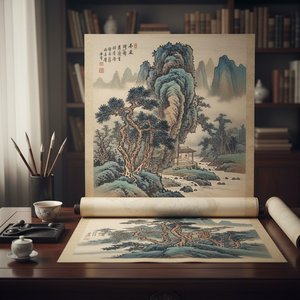
Pu Xinyu's 'Puru': A Legacy of Literati Painting & Emotional Resonance
Explore the captivating world of Pu Xinyu (Puru), the last great literati painter. Discover his imperial heritage, masterful ink wash techniques & enduring legacy – a valuable addition to any discerning art collection.
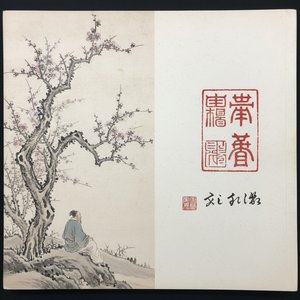
Xie Zhiliu: A Legacy of Ink Wash Painting & Modern Chinese Literati Tradition
Explore the legacy of Xie Zhiliu, a master of Chinese ink wash painting & prominent figure in modern art. Discover his techniques, influences, and contributions to literati tradition. A guide for discerning collectors.
Oživljavanje Sjećanja: Uljane Kopije Kao Vječni Poklon – Vaša Priča, U Umjetnosti.
Oživite dragocena sjećanja! ArtsDot nudi ručno oslikane reprodukcije uljanih slika vrhunskog kvaliteta, transformišući vaše fotografije u vječne umjetnička djela. Poručite danas i stvorite nasljeđe koje će trajati generacijama!
Umetnost kao Predlog Braka: Portret po Porudžbini – Večno Sećanje za Novovenčane
Naručite jedinstveni portret po porudžbini za venčanje ili godišnjicu! Ručno rađeni portreti vrhunskog kvaliteta, od fotografije do remek-dela. Večno sećanje i savršen poklon. Kontaktirajte nas danas!

