
- Početna strana

- Reprodukcija uljane slike
- christian kruik van adrichem, christianus crucius adrichomius
 Pregledaj u prostoru
 Pošalji
 Podeli
 Detalji o delu

 Преузми
 Slični predmeti
 Rendgenski snimak
 Slajdovi
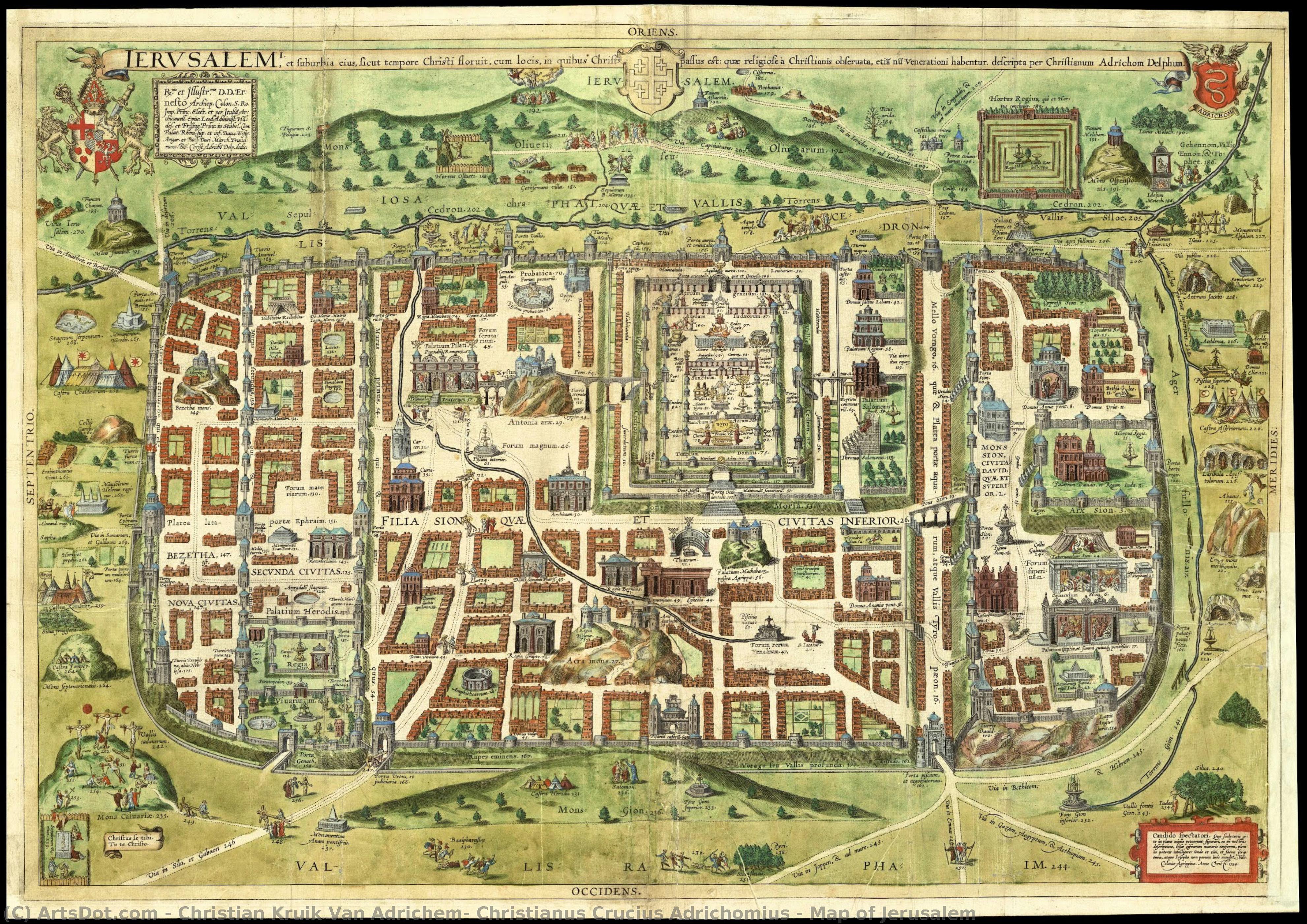
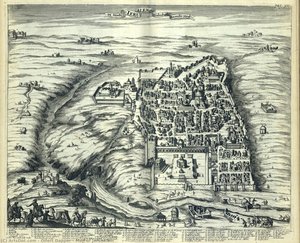
Map of Jerusalem
 Engraving
- Renaissance Cartography
 1584
1584- Renaissance
 50.0 x 73.0 cm
 Nacionalna biblioteka Izraela
 Pročitaj više
Ručno rađena uljana reprodukcija
Ručno oslikano uljanim bojama na platnu u dimenzijama i okviru po vašem izboru, izrađeno po porudžbini od strane naših umetnika. ( Kupi print Kupi digitalnu sliku)




































Izaberite jednu od naših unapred definisanih veličina koje odgovaraju originalnim proporcijama umetničkog dela.

Можете унети сопствене димензије како бисте прилагодили дело одређеном оквиру или простору. Ако одабрана величина не одговара пропорцијама оригинала, слика ће бити исечена или проширена додатним елементима који се ручно насликавају. Дигитални prikaz ће вам бити послат на одобрење пре почетка производње.
Имајте на уму да преглед на екрану не одражава стварно исецање или проширење. Само приказ (mockup) ће тачно приказати коначну композицију.
Иако су доступне прилагођене величине, препоручујемо да одаберете димензију из дефинисане листе како бисте сачували оригиналне пропорције.
Nakon narudžbine, tim ArtsDot.com će klijentu putem e-pošte poslati uputstva i dostaviti prikaz predloženog rešenja
Isporuka širom sveta () za 3/4 nedelje umesto uobičajenih 5 nedelja. (27 август). Bez kompromisa po pitanju kvaliteta.

Besplatna ekspresna dostava širom sveta

Visokokvalitetno laneno platno

Kompletno osiguranje transporta

Garancija povraćaja carine i uvoznih dažbina

Garancija vernosti boja

Politika povrata u roku od 60 dana (samo u slučaju nedostataka)

Garancija povrata novca od 100%

Popust pri grupnoj kupovini
 Opcija sa staklom dostupna je samo za dimenzije manje od 110 cm

Map of Jerusalem
Tehnika reprodukcije
Dimenzije reprodukcije
-


Konačna cena
$ 263
Opis umetničkog dela
Srodna umetnička dela
Biografija umetnika
A Life Dedicated to the Holy Land: Christian Kruik van Adrichem
Christian Kruik van Adrichem, born in Delft, Netherlands, on February 13, 1533, was a figure deeply immersed in the religious and intellectual currents of his time. His life unfolded against the backdrop of the Reformation, a period of profound upheaval that would significantly shape both his personal trajectory and his scholarly pursuits. Ordained as a Catholic priest in 1566, Adrichem initially served as Director of the Convent of St. Barbara in Delft. However, the escalating religious conflicts forced his expulsion during the storm of the Reformation, leading him to seek refuge and continue his work in Cologne, where he ultimately passed away on June 20, 1585. This displacement wasn’t merely a personal hardship; it fueled a dedication to preserving and understanding the sacred sites threatened by the era's turmoil.Theatrum Terrae Sanctae: A Monumental Vision
Adrichem is best remembered for his magnum opus, *Theatrum Terrae Sanctae et Biblicarum Historiarum*, published in Cologne in 1590. This ambitious work—a comprehensive history of the Holy Land—was the culmination of thirty years of painstaking research and devotion. It wasn’t simply a geographical treatise; it was an attempt to reconstruct the world of biblical times, offering readers a vivid and detailed portrait of Palestine as it existed during the life of Christ. The *Theatrum* encompassed not only a meticulous geography of the region but also a rich tapestry of historical accounts, archaeological observations (as understood at the time), and a sweeping chronology tracing events from Adam to the death of Saint John the Apostle in 109 AD—and beyond, extending even to Adrichem’s own year of passing.Sources and Synthesis: A Scholar of His Time
Adrichem's scholarship was deeply rooted in classical sources, particularly the writings of Josephus, the Jewish historian whose accounts provided invaluable insights into Roman Palestine during the first century AD. He also drew extensively from biblical texts, the narratives of pilgrims who had journeyed to the Holy Land, and contemporary authorities like Bochart and Villalpandus. What distinguished Adrichem wasn’t merely his compilation of existing knowledge but his ability to synthesize these diverse sources into a cohesive and compelling vision. His work reflects a desire to reconcile faith with historical understanding, offering a tangible connection to the sacred past for readers grappling with the uncertainties of their present.The Map of Jerusalem: A Lasting Legacy
Within *Theatrum Terrae Sanctae*, the accompanying map of Jerusalem stands as Adrichem’s most enduring achievement. This detailed Renaissance engraving, meticulously hand-colored, presented a unique and historically significant depiction of the ancient city's layout. It wasn’t simply a cartographic exercise; it was an act of preservation—a visual attempt to capture the essence of Jerusalem before further changes or destruction occurred. The map became remarkably influential, serving as the definitive representation of the city for centuries until archaeological discoveries in the 19th century revealed new layers of its complex history. It’s a testament to Adrichem's dedication and meticulous research that his rendering remained so authoritative for so long.Historical Significance: A Bridge Between Eras
Christian Kruik van Adrichem occupies a unique position in art and religious scholarship. He represents a transitional figure, bridging the medieval tradition of devotional imagery with the emerging Renaissance emphasis on historical accuracy and empirical observation. His work reflects the anxieties and aspirations of an era grappling with profound religious change. While deeply committed to his Catholic faith, he embraced scholarly methods that sought to understand the past through reasoned inquiry. *Theatrum Terrae Sanctae* is more than just a book or a map; it’s a window into the intellectual world of the 16th century—a testament to the power of scholarship, devotion, and the enduring human desire to connect with the sacred roots of faith. His detailed work continues to be studied today by historians, theologians, and art enthusiasts alike, solidifying his place as a significant figure in the history of cartography, religious studies, and Renaissance thought.
christian kruik van adrichem, christianus crucius adrichomius
1533 - 1585 , Netherlands
Osnovne informacije
- Artistic Movement Or Style: Renaissance engraving
- Date Of Birth: February 13, 1533
- Date Of Death: June 20, 1585
- Full Name: Christian Kruik van Adrichem
- Nationality: Dutch
- Notable Artworks:
- Map of Jerusalem
- Vita Jesu Christi
- Theatrum Terrae Sanctae
- Place Of Birth: Delft, Netherlands
Povezani članci

Rembrandt van Rijn: 25 Majstorstava Svetla i Senke za Vaš Dom | ArtsDot
Uronite u svet Rembrandta van Rijna! Otkrijte 25 najlepših dela holandskog majstora – portrete, istorijske scene i biblijska platna. Kvalitetne reprodukcije slika za dekoraciju enterijera dostupne na ArtsDot.com.
Early Netherlandish Masters: 10 Paintings That Revolutionized Art & Decor
Journey into the world of Early Netherlandish painting! Explore 10 masterpieces by Jan van Eyck, Rogier van der Weyden & more. Discover stunning detail, symbolism & Renaissance art for your home decor. Find museum-quality reproductions on ArtsDot.com
Early Netherlandish Masters: 10 Paintings That Revolutionized Art & Decor
Journey into the Early Netherlandish Renaissance! Explore 10 iconic paintings by Jan van Eyck, Rogier van der Weyden & more. Discover stunning detail, symbolism, and oil painting techniques. Find museum-quality art reproductions for your home at ArtsDot.com.
Charles-André van Loo: A Study in Rococo Portraiture & the French Court's Artistic Dynamics
Explore the elegant world of Charles-André van Loo, a master of Rococo portraiture at the French court. Discover his life, techniques, and enduring influence on 18th-century art. Hand-painted reproductions available.
Hugo van der Goes: Devotion, Innovation & the Psychological Depth of Early Netherlandish Painting
Explore the revolutionary art of Hugo van der Goes – a master of Early Netherlandish painting renowned for his dramatic realism, psychological depth & profound influence on Renaissance artists. Discover his iconic works and lasting legacy.

