 Pregledaj u prostoru
 Pošalji
 Podeli
 Detalji o delu

 Преузми
 Slični predmeti
 Rendgenski snimak
 Slajdovi
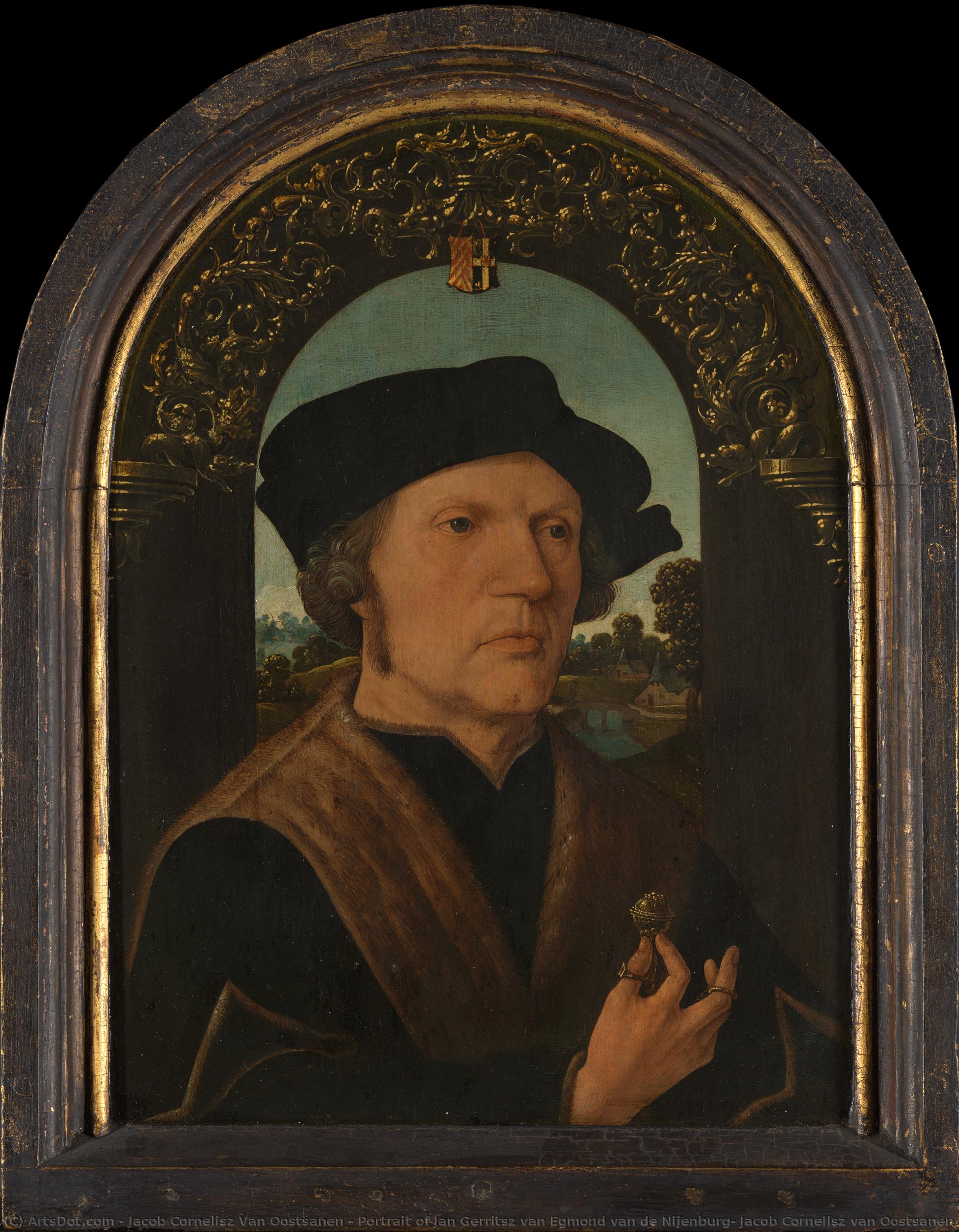
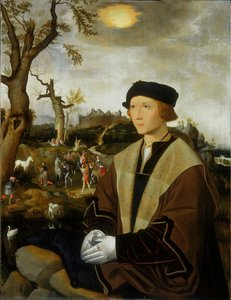
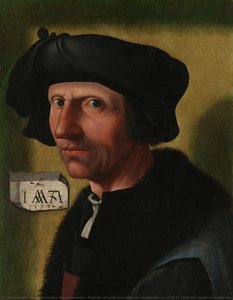
Portrait of Jan Gerritsz van Egmond van de Nijenburg, Jacob Cornelisz van Oostsanen (workshop of), c. 1518
 Early Netherlandish Painting
 1518
1518 42.0 x 33.0 cm
 Pročitaj više
Ručno rađena uljana reprodukcija
Ručno oslikano uljanim bojama na platnu u dimenzijama i okviru po vašem izboru, izrađeno po porudžbini od strane naših umetnika. ( Kupi print Kupi digitalnu sliku)




































Izaberite jednu od naših unapred definisanih veličina koje odgovaraju originalnim proporcijama umetničkog dela.

Можете унети сопствене димензије како бисте прилагодили дело одређеном оквиру или простору. Ако одабрана величина не одговара пропорцијама оригинала, слика ће бити исечена или проширена додатним елементима који се ручно насликавају. Дигитални prikaz ће вам бити послат на одобрење пре почетка производње.
Имајте на уму да преглед на екрану не одражава стварно исецање или проширење. Само приказ (mockup) ће тачно приказати коначну композицију.
Иако су доступне прилагођене величине, препоручујемо да одаберете димензију из дефинисане листе како бисте сачували оригиналне пропорције.
Nakon narudžbine, tim ArtsDot.com će klijentu putem e-pošte poslati uputstva i dostaviti prikaz predloženog rešenja
Isporuka širom sveta () za 3/4 nedelje umesto uobičajenih 5 nedelja. (31 август). Bez kompromisa po pitanju kvaliteta.

Besplatna ekspresna dostava širom sveta

Visokokvalitetno laneno platno

Kompletno osiguranje transporta

Garancija povraćaja carine i uvoznih dažbina

Garancija vernosti boja

Politika povrata u roku od 60 dana (samo u slučaju nedostataka)

Garancija povrata novca od 100%

Popust pri grupnoj kupovini
 Opcija sa staklom dostupna je samo za dimenzije manje od 110 cm

Portrait of Jan Gerritsz van Egmond van de Nijenburg, Jacob Cornelisz van Oostsanen (workshop of), c. 1518
Tehnika reprodukcije
Dimenzije reprodukcije
-


Konačna cena
$ 263
Srodna umetnička dela
Biografija umetnika
Jacob Cornelisz van Oostsanen: Most između gotike i renesanse u Amsterdamu
Jacob Cornelisz van Oostsanen (oko 1470. – 1533) predstavlja ključnu figuru u severnonetlandskoj umetnosti, označavajući konačni prelaz sa srednjovekovnih tradicija ka buđenju renesansnog duha unutar živopisnog grada Amsterdama. Uprkos oskudici biografskih detalja — koji se prvenstveno oslanjaju na Karel van Manderov Schilder-boeck i arhivske zapise — naučnici su pažljivo rekonstruisali njegov život i umetnički put, otkrivajući majora čvrsto ukorenjenog u gotičko nasleđe Haarlema, ali duboko pod uticajem inovacija koje su doprineli iz Firence i Nurnberga.- Rano detinjstvo i porodica: Rođen oko 1470. godine u Oostzaanu, u Severnoj Holandiji, Jacob Corneliliš bio je deo porodice posvećene slikarstvu — njegovi braća, Cornelis Buys I i II, takođe su bili uspešni umetnici. Sama lokacija pruža uvid u umetničko okruženje njegovih formativnih godina; blizina Oostzaana Amsterdamu podstakla je veze sa uticajnim radionicama i utvrđenim umetničkim lozama.
- Obrazovanje i uticaji: Poput mnogih umetnika svog vremena, Jacob Cornelisz je usavršavao svoje veštine u Haarlemu, upijajući stilske postavke Geertgena tot Sint Jansa — majstora svetlucavih paleta boja i izduženih proporcija karakterističnih za gotičku tradiciju. Međutim, susreo se i sa transformativnim idejama koje je zastupao Albrecht Dürer, pokazujući spremnost da prihvati nove umetničke pristupe i tehnike.
Amsterdam i svitanje renesansnog slikarstva
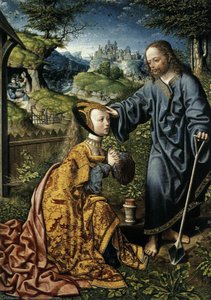
Dolazak Jacoba Corneliza u Amsterdam oko 1500. godine signalizirao je odlučujuću promenu u njegovoj umetničkoj karijeri. Kupovinom dve susedne kuće na Kalverstraatu, on se pozicionirao kao jedan od vodećih umetnika grada, obezbedivši stabilno okruženje za svoju porodicu. Ovaj potez poklopio se sa periodom značajnog urbanog rasta i kulturnog dinamizma — Amsterdam se ubrzano transformisao u kosmopolitski centar koji je privlačio zanatlije i intelektualce iz cele Evrope. Njegova radionica postala je središte eksperimentisanja, proizvodeći ne samo poručene portrete, već i zamršene drvoreze i vitraž prozore koji su odražavali tadašnje estetske senzibilitete.Značajna dela i umetnički stil Delo Jacoba Corneliza obuhvata približno 200 drvoreza i 27 slika — što je svedočanstvo njegove svestranosti kao dizajnera i slikara. Njegove grafike odlikuju se pedantnim detaljima i pridržavanjem tradicionalnih severnonetlandskih konvencija, dajući prioritet narativnoj jasnoći i prenošenju emocije kroz pažljivo postavljene figure. Slike poput „Hrista kao baštovana” exemplifikuju njegovu stilsku evoluciju — karakterisane pojednostavljenim proporcijama, svetlucavim kolorističkim harmonijama i slobodnijom tehnikom poteza četkicom koja je odstupala od rigidnog formalizma ranije gotičke umetnosti. Vešto je spojio elemente slikarstva iz Haarlema sa uticajem Dürera, stvarajući slike prožete i duhovnom dubinom i vizuelnim sjajem.
Simbolika i religijski kontekst
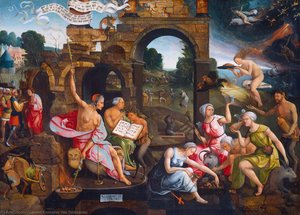
Tokom čitave umetničke karijere, Jacob Cornelisz je dosledno obrađivao religijske teme — često po narudžbini katoličkih pokrovitelja koji su nastojali da odbrane ortodoksiju od buđenja protestantske reformacije. Njegova dela — uključujući „Rođenje Isusa” i „Saula i vešticu iz Endora” — koristila su utvrđenu ikonografiju ukorenjenu u srednjovekovnoj tradiciji, ali su uvodila savremene stilske inovacije. Ova dela su služila kao vizuelni prikazi vere, vešto izrađeni da rezonuju sa publikom upoznanom sa humanističkim učenjem i umetničkim trendovima.Nasleđe i istorijski značaj
Doprinos Jacoba Corneliza van Oostsanena istoriji umetnosti je neosporan — on predstavlja poslednji bedem flamanskih slikara koji su pružali otpor italijanskim stilskim uticajima. Njegova radionica nastavila je da cveta i nakon njegove smrti, podstičući umetničku inovaciju i održavajući porodično nasleđe istaknutih umetnika u Amsterdamu. On ostaje simbol umetničkog prelaza, oličavajući spoj gotičkog umeća i renesansnih ideala — ključni trenutak u oblikovanju vizuelne kulture Severne Evrope.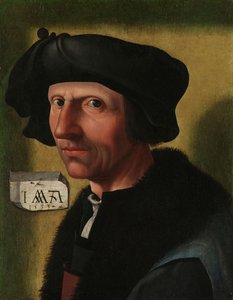
Jakob Kornelisz Van Ostane
1470 - 1533 , Holandija
Osnovne informacije
- Artistic Movement Or Style: Rano flamansko slikarstvo
- Artists Or Movements Influenced By This Artist: ['Jan van Eyck']
- Artists Who Influenced This Artist:
- Geertgen tot Sint Jans
- Albrecht Dürer
- Date Of Birth: oko 1470.
- Date Of Death: 1533.
- Full Name: Jacob Cornelisz van Oostsanen
- Nationality: Holandski
- Notable Artworks:
- Obožavanje magova
- Spuštanje s krsta 1
- Sveti Jeronim
- Place Of Birth: Oostzaan, Holandija
Povezani članci

Rembrandt van Rijn: 25 Majstorstava Svetla i Senke za Vaš Dom | ArtsDot
Uronite u svet Rembrandta van Rijna! Otkrijte 25 najlepših dela holandskog majstora – portrete, istorijske scene i biblijska platna. Kvalitetne reprodukcije slika za dekoraciju enterijera dostupne na ArtsDot.com.
Early Netherlandish Masters: 10 Paintings That Revolutionized Art & Decor
Journey into the world of Early Netherlandish painting! Explore 10 masterpieces by Jan van Eyck, Rogier van der Weyden & more. Discover stunning detail, symbolism & Renaissance art for your home decor. Find museum-quality reproductions on ArtsDot.com
Early Netherlandish Masters: 10 Paintings That Revolutionized Art & Decor
Journey into the Early Netherlandish Renaissance! Explore 10 iconic paintings by Jan van Eyck, Rogier van der Weyden & more. Discover stunning detail, symbolism, and oil painting techniques. Find museum-quality art reproductions for your home at ArtsDot.com.
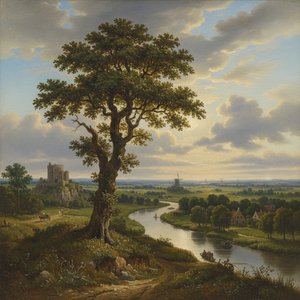
Jacob van Ruisdael: Master of Dutch Landscape & the Evocation of National Identity
Explore the life & work of Jacob van Ruisdael, the preeminent Dutch landscape painter. Discover his technical brilliance, symbolic depth, and lasting influence on art history. Learn about collecting Ruisdael's masterpieces.
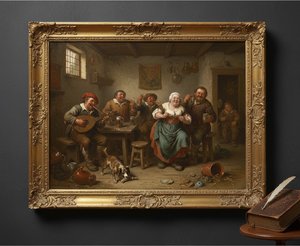
Adriaen van Ostade: A Master of Dutch Genre Painting & Social Commentary
Explore the life & work of Adriaen van Ostade, a leading Dutch Golden Age painter. Discover his realistic genre scenes, social commentary, and lasting influence on art history. Learn more at ArtsDot.