

 Pregledaj u prostoru
 Pošalji
 Podeli
 Detalji o delu

 Преузми
 Slični predmeti
 Rendgenski snimak
 Slajdovi
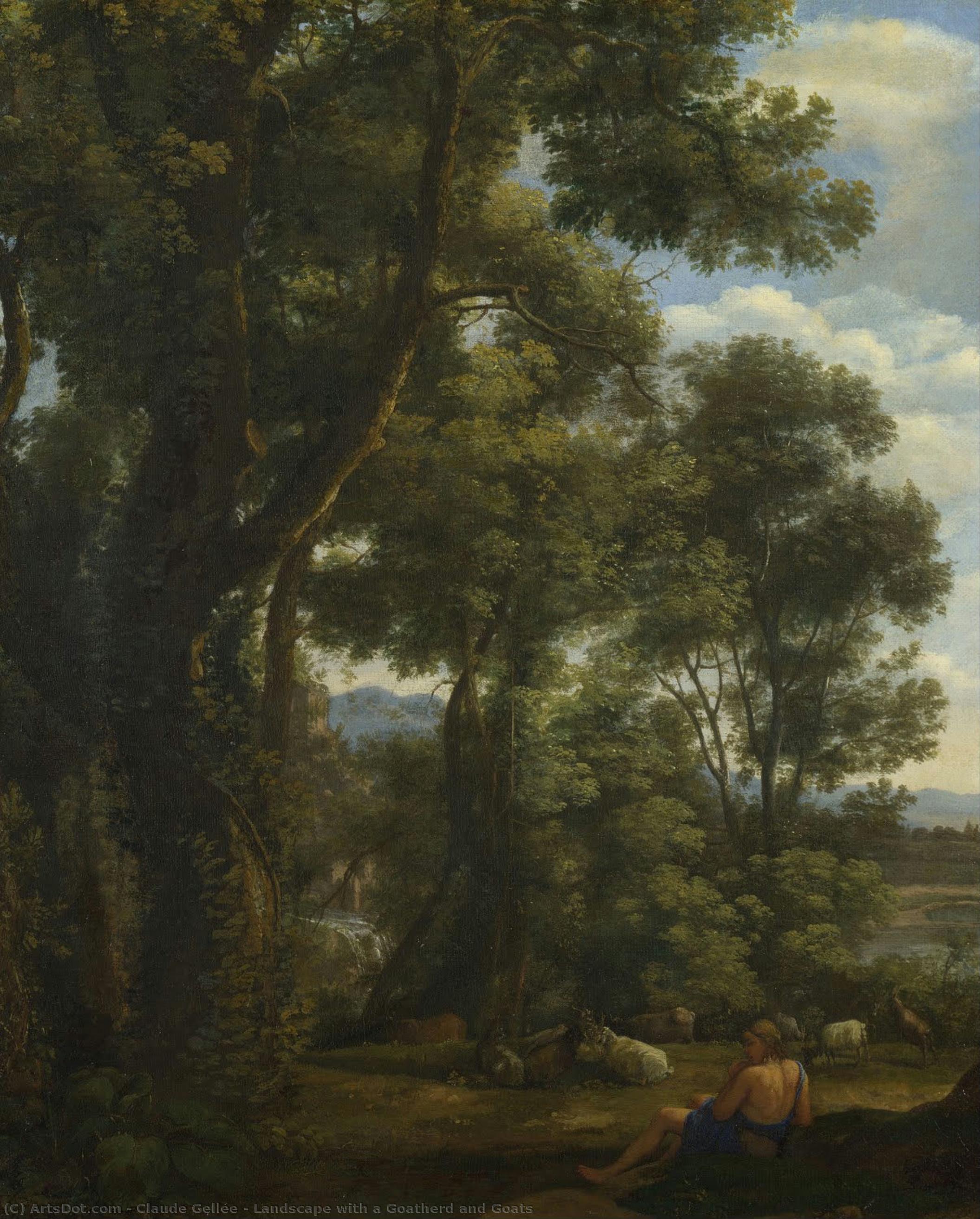
Landscape with a Goatherd and Goats
 Acrylic On Canvas
- WallArt
- Baroque Landscape
 1636
1636 52.0 x 42.0 cm
 Nacionalna galerija
 Pročitaj više
Ručno rađena uljana reprodukcija
Ručno oslikano uljanim bojama na platnu u dimenzijama i okviru po vašem izboru, izrađeno po porudžbini od strane naših umetnika. ( Kupi print Kupi digitalnu sliku)




P118B $10

P118H $10

P118W $10

P438Z $10

P508JH $12

P508YH $12

P805H $10

P805Z $10

P919BZ $10

P919G $10

P919XJ $10

P959ZH $10

P968JZ $12

W106C $8

W218G $10

W218JH $8

W218Y $10

W307PJ $10

W316G $10

W316PJ $8

W316Y $10

W398PJ $8

W4111J $10

W500HY $15

W500JH $15

W692G $12

W849H $8

W940BG $15

W953PJ $8




Izaberite jednu od naših unapred definisanih veličina koje odgovaraju originalnim proporcijama umetničkog dela.

Можете унети сопствене димензије како бисте прилагодили дело одређеном оквиру или простору. Ако одабрана величина не одговара пропорцијама оригинала, слика ће бити исечена или проширена додатним елементима који се ручно насликавају. Дигитални prikaz ће вам бити послат на одобрење пре почетка производње.
Имајте на уму да преглед на екрану не одражава стварно исецање или проширење. Само приказ (mockup) ће тачно приказати коначну композицију.
Иако су доступне прилагођене величине, препоручујемо да одаберете димензију из дефинисане листе како бисте сачували оригиналне пропорције.
Nakon narudžbine, tim ArtsDot.com će klijentu putem e-pošte poslati uputstva i dostaviti prikaz predloženog rešenja
Isporuka širom sveta () za 3/4 nedelje umesto uobičajenih 5 nedelja. (23 август). Bez kompromisa po pitanju kvaliteta.

Besplatna ekspresna dostava širom sveta

Visokokvalitetno laneno platno

Kompletno osiguranje transporta

Garancija povraćaja carine i uvoznih dažbina

Garancija vernosti boja

Politika povrata u roku od 60 dana (samo u slučaju nedostataka)

Garancija povrata novca od 100%

Popust pri grupnoj kupovini
 Opcija sa staklom dostupna je samo za dimenzije manje od 110 cm

Landscape with a Goatherd and Goats
Tehnika reprodukcije
Dimenzije reprodukcije
-


Konačna cena
$ 263
Opis umetničkog dela
A Pastoral Reverie: Claude Lorrain’s Landscape with a Goatherd
Claude Lorrain's "Landscape with a Goatherd," painted in 1636, stands as a quintessential exemplar of Baroque landscape painting—a genre that sought to elevate the visual experience beyond mere representation and into realms of contemplation and spiritual resonance. Executed during Lorrain’s formative years in Rome, this artwork embodies the artistic ideals championed by Cardinal Barberini, who envisioned landscapes as vehicles for conveying moral lessons and fostering piety amongst viewers. The scene depicts a tranquil hillside bathed in diffused sunlight, dominated by towering cypress trees and rolling meadows dotted with sheep and goats—a carefully orchestrated tableau designed to evoke feelings of serenity and harmony.Composition and Technique: Mastering Light and Atmosphere
Lorrain’s mastery lies not only in his depiction of the natural world but also in his groundbreaking approach to painting technique. Unlike earlier Renaissance artists who prioritized linear perspective, Lorrain embraced atmospheric perspective—a revolutionary innovation that convincingly simulated the effects of distance by subtly blurring colors and diminishing detail. This technique, perfected through painstaking observation and experimentation, creates a palpable sense of depth and luminosity, transporting the viewer into the very heart of the landscape. The artist employed a meticulous layering process using chalk underdrawings followed by thin washes of oil paint—a method that allowed for nuanced gradations of tone and color, capturing the ephemeral beauty of twilight.Symbolism: Echoes of Classical Idealism
The symbolism embedded within “Landscape with a Goatherd” reflects Lorrain’s unwavering commitment to humanist principles derived from classical antiquity. The goatherd himself represents pastoral virtue—a symbol of simplicity, humility, and communion with God's creation. His presence underscores the importance of rural life as a refuge from urban corruption and materialism. Furthermore, the cypress trees, traditionally associated with mourning and immortality, serve as visual reminders of mortality’s inevitable triumph over earthly existence—a poignant contemplation on the cyclical nature of time and the grandeur of divine providence. The expansive vista symbolizes limitless possibility and invites viewers to contemplate the sublime beauty of God's universe.Historical Context: Baroque Rome and Cardinal Barberini’s Vision
Lorrain’s work emerged during the zenith of Baroque art in Rome—a period characterized by opulent grandeur, dramatic emotion, and a fervent desire to inspire religious fervor. Cardinal Barberini, Lorrain’s patron and staunch advocate for artistic idealism, actively promoted the genre of landscape painting as a means of elevating moral consciousness. He believed that depicting idealized landscapes could instill viewers with awe and reverence for God—a conviction powerfully conveyed in “Landscape with a Goatherd.” The painting aligns perfectly with Barberini's broader agenda to transform Rome into a spiritual beacon—a testament to the transformative power of art to shape human perception and behavior.Emotional Impact: A Momentary Escape from Reality
Ultimately, "Landscape with a Goatherd" succeeds in transporting the viewer beyond the confines of everyday life—offering a fleeting glimpse into a realm of transcendent beauty and tranquility. Lorrain’s masterful use of light and color evokes feelings of peace, contemplation, and spiritual upliftment. The scene's harmonious composition and subtle symbolism resonate deeply with viewers, prompting reflection on themes of mortality, virtue, and divine grace. It remains an enduring masterpiece—a timeless celebration of the sublime grandeur of nature and its capacity to inspire profound emotional responses.Srodna umetnička dela

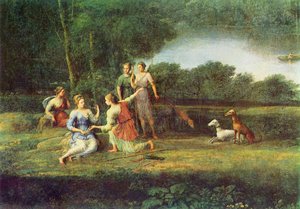
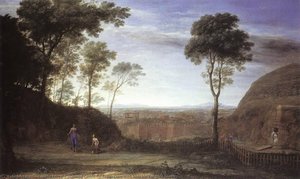
Biografija umetnika
early life and training
claude gellée, also known as claude lorrain, was a french artist born in 1600 in the small village of chamagne, vosges, then part of the duchy of lorraine. his early life is shrouded in mystery, with two different accounts provided by joachim von sandrart and filippo baldinucci. according to sandrart, claude's parents died when he was twelve years old, and he lived with an elder brother in freiburg.artistic career
claude traveled to italy, where he worked for goffredo wals in naples and later joined the workshop of agostino tassi in rome. by the end of the 1630s, he established himself as a leading landscapist in italy, enjoying high fees for his work.notable works and innovations
key features of his work:- introduction of sunlight and streaming light into his paintings
- transitioning from landscape to history paintings with the addition of small figures
- producing numerous drawings in pen, monochrome watercolour "wash", and chalk under-drawing
legacy and collections
claude's work can be found in various museums, including the musée des beaux-arts de carcassonne, which is a must-visit destination for art enthusiasts. to learn more about claude gellée and his collections, visit [https://ArtsDot.com/@/claude-gellee](https://ArtsDot.com/@/claude-gellee). important dates:- 1600: born in chamagne, vosges
- 1630s: established as a leading landscapist in italy
- 1682: passed away on november 23rd
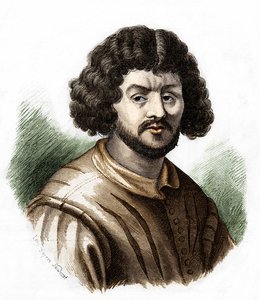
claude gellée
1600 - 1682 , France
Osnovne informacije
- Artistic Movement Or Style: Baroque landscapes
- Artists Or Movements Influenced By This Artist: ['Landscape art']
- Artists Who Influenced This Artist:
- Nicolas Poussin
- Goeffredo Wals
- Date Of Birth: 1600
- Date Of Death: 1682
- Full Name: Claude Gellée (Claude Lorrain)
- Nationality: French
- Notable Artworks:
- Jacob with Laban
- Coast Scene with the Rape of Europa
- Place Of Birth: Champagne, France
Povezani članci
Claude Lorrain: Master of Light & Landscape in the Golden Age
Explore the luminous landscapes of Claude Lorrain, a Baroque master renowned for his masterful use of light & atmosphere. Discover his life, techniques, key works & enduring influence on art history.
Idyllic Visions: Exploring the Pastoral Scene in Art History – From Arcadia to Modern Interpretations
Explore the captivating history of pastoral art from classical Arcadia to modern masterpieces. Discover key artists like Millet & Cole at ArtsDot. Find serene landscape paintings for your home.

25 Remek-dela Džona Konstebla: Lepota Engleske na Platnu | ArtsDot
Uronite u svet Džona Konstebla! Otkrijte 25 remek-dela engleskog pejzaža, romantizma i seoske idile. Kupite reprodukcije slika vrhunskog kvaliteta za dekoraciju enterijera na ArtsDot.com.
Idyllic Visions: Exploring the Pastoral Tradition in Western Art – Themes, Techniques & Enduring Appeal
Explore the rich history of pastoral art from classical Arcadia to contemporary interpretations. Discover key artists, themes & collecting tips at ArtsDot.
Claude Monet: 25 Remek-dela Impresionizma za Vaš Dom | ArtsDot
Uronite u svet Claudea Moneta sa 25 remek-dela impresionizma! Otkrijte priče iza poznatih slika, tehnike i inspiraciju. Reprodukcije vrhunskog kvaliteta za luksuzni dekor doma na ArtsDot.com.

