

 Pregledaj u prostoru
 Pošalji
 Podeli
 Detalji o delu

 Преузми
 Slični predmeti
 Rendgenski snimak
 Slajdovi
 Statistika
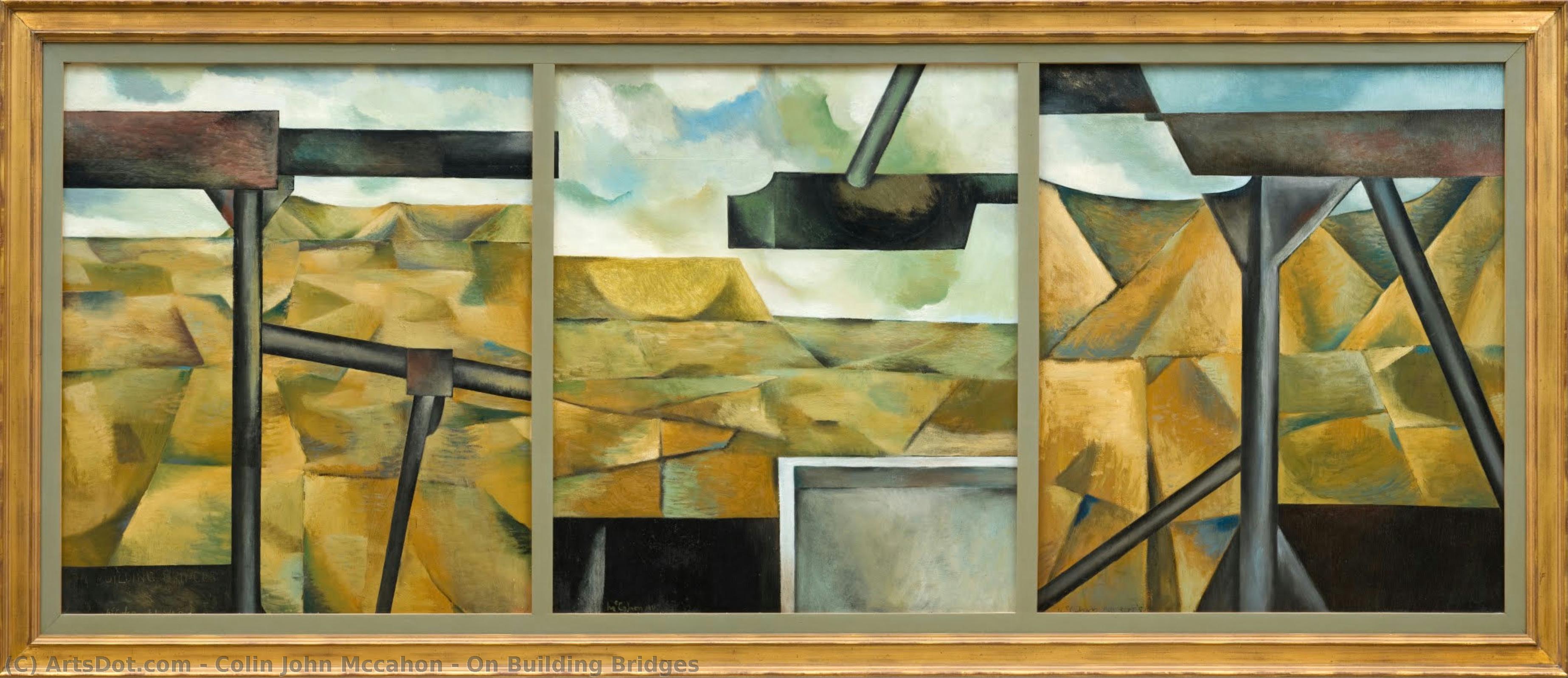
On Building Bridges
 Painting
- Cubism
 1952
1952- Modern
 28.0 x 10.0 cm
 Auckland Art Gallery Toi o Tāmaki
 Pročitaj više
Ručno rađena uljana reprodukcija
Ručno oslikano uljanim bojama na platnu u dimenzijama i okviru po vašem izboru, izrađeno po porudžbini od strane naših umetnika. ( Pređi na štampu Pređi na digitalnu sliku)




































Izaberite jednu od naših unapred definisanih veličina koje odgovaraju originalnim proporcijama umetničkog dela.

Можете унети сопствене димензије како бисте прилагодили дело одређеном оквиру или простору. Ако одабрана величина не одговара пропорцијама оригинала, слика ће бити исечена или проширена додатним елементима који се ручно насликавају. Дигитални prikaz ће вам бити послат на одобрење пре почетка производње.
Имајте на уму да преглед на екрану не одражава стварно исецање или проширење. Само приказ (mockup) ће тачно приказати коначну композицију.
Иако су доступне прилагођене величине, препоручујемо да одаберете димензију из дефинисане листе како бисте сачували оригиналне пропорције.
Nakon narudžbine, tim ArtsDot.com će klijentu putem e-pošte poslati uputstva i dostaviti prikaz predloženog rešenja
Isporuka širom sveta () za 3/4 nedelje umesto uobičajenih 5 nedelja. (8 септембар). Bez kompromisa po pitanju kvaliteta.

Besplatna ekspresna dostava širom sveta

Visokokvalitetno laneno platno

Kompletno osiguranje transporta

Garancija povraćaja carine i uvoznih dažbina

Garancija vernosti boja

Politika povraćaja u roku od 100 dana (isključivo u slučaju nedostataka)

Garancija povrata novca od 100%

Popust pri grupnoj kupovini
 Opcija sa staklom dostupna je samo za dimenzije manje od 110 cm

On Building Bridges
Tehnika reprodukcije
Dimenzije reprodukcije
-


Konačna cena
$ 263
A Symphony of Structure and Spirit
In the profound landscape of New Zealand Modernism, few works resonate with the structural tension and spiritual depth found in Colin McCahon’s On Building Bridges. Created in 1952, this seminal triptych serves as a masterful intersection between the physical reality of the Canterbury plains and the abstract complexities of the human psyche. The artwork does not merely depict a scene; it orchestrates a dialogue between the earth and the sky, between man-made geometry and the untamed natural world. Through a sophisticated Cubist disintegration of form, McCahon invites the viewer to look beyond the surface of the landscape to find the underlying skeletal truths of our existence.
The composition is a rhythmic dance of steel and soil. The artist utilizes sharp, intersecting lines that mirror the industrial steel trusses found in North Canterbury, yet these geometric elements are far from cold or purely mechanical. Instead, they function as armatures that swing across the canvas, creating a sense of movement and structural weight. As the eye traverses the work, one perceives how the crisscrossed lines of the plains are echoed in the metallic geometry, suggesting a profound interconnectedness. This technique of fragmentation allows the landscape to breathe, breaking down solid forms into a seriesary of planes that capture the flickering light and the heavy atmosphere of the New Zealand terrain.
The Intersection of Man and Mystery
Beyond its formal brilliance, On Building Bridges is an exploration of the spiritual dimension inherent in coexistence. McCahon was deeply preoccupied with the relationship between humanity and the environment, often viewing the natural world as a vessel for the "beautiful and terrible mysteries" of life. In this piece, the bridges are more than mere architectural feats; they are metaphors for connection—connecting the viewer to the land, and connecting the physical realm to the metaphysical. The tension within the brushwork and the deliberate layering of shapes evoke a sense of searching, as if the artist is attempting to construct a path through the unknown.
For the discerning collector or interior designer, this work offers an unparalleled emotional resonance. Its ability to command presence in a room lies in its balance of strength and vulnerability. The structural rigidity of the composition provides a sense of stability and order, making it an ideal focal point for sophisticated, contemporary spaces. Yet, the underlying abstraction and the evocative use of color and line provide a layer of contemplative depth that rewards long-term viewing. To possess a reproduction of this masterpiece is to bring a piece of art history into one's home—a piece that celebrates the enduring human effort to build meaning amidst the vast, beautiful, and often overwhelming mysteries of the world.
Srodna umetnička dela
Biografija umetnika
Colin John McCahon: A Pioneer of New Zealand Modernism
Early Life and Education
- Born on August 1, 1919, in Timaru, New Zealand, Colin John McCahon spent much of his childhood in Dunedin.
- His early artistic inclinations were nurtured by visits to exhibitions and the work of his maternal grandfather, photographer and painter William Ferrier.
- He attended Otago Boys' High School and later enrolled at the Dunedin School of Art (1937-1939), where Robert Nettleton Field proved a significant influence.
- McCahon furthered his studies at King Edward Technical College Art School as a part-time student.
Artistic Development and Influences
- Early influences included Toss Woollaston, whose landscapes inspired McCahon, and Russell Clark, who provided foundational art training.
- His work evolved through various styles – landscape, figuration, abstraction, and the distinctive overlay of painted text.
- A pivotal moment was a visit to Melbourne in 1951, where he studied modernist paintings at the National Gallery of Victoria.
- The book *The Geomorphology of New Zealand*, gifted upon his marriage, profoundly impacted his understanding of the land and its representation.
Key Themes and Artistic Style
- McCahon’s work often explored themes of spirituality, landscape, and national identity.
- He developed a unique visual language characterized by simplified forms, bold colors, and the integration of text.
- His landscapes weren't merely depictions but rather symbolic representations of New Zealand’s spiritual and cultural essence.
- The use of painted text added layers of meaning, often referencing biblical passages or personal reflections.
Major Achievements and Recognition
- McCahon exhibited with *The Group* in Christchurch from 1940 onwards, becoming a member in 1947.
- He held numerous solo exhibitions throughout New Zealand and internationally.
- Significant works include “The Angel of the Annunciation,” “Takaka: Night and Day,” and his series based on texts from Ecclesiastes.
- He taught painting at the Elam School of Fine Arts, University of Auckland (1964-1969), influencing a generation of artists.
Historical Significance and Legacy
- Colin McCahon is widely regarded as New Zealand’s most important modern artist.
- He played a crucial role in introducing Modernism to New Zealand art, alongside Woollaston and Rita Angus.
- His innovative approach challenged conventional artistic norms and paved the way for future generations of artists.
- McCahon's work continues to resonate with audiences today, offering profound insights into the New Zealand landscape and psyche.
- He died on May 27, 1987, leaving behind a rich and enduring legacy.
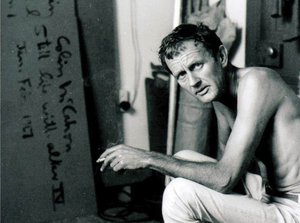
colin john mccahon
1919 - 1987 , New Zealand
Osnovne informacije
- Birth Date: 1919-08-01
- Birth Place: Timaru, New Zealand
- Death Date: 1987-05-27
- Influenced By: Toss Woollaston, William Ferrier, Russell Clark
- Movement: Modernism
- Name: Colin John McCahon
- Nationality: New Zealander
- Notable Works: The Angel of the Annunciation, Takaka: Night and Day, The Promised Land
Povezani članci
Fernand Léger: 25 Remek-dela Modernog Umetnika za Vaš Dom | ArtsDot
Istražite 25 remek-dela Fernanda Légera, pionira modernog umetništva i kubizma. Otkrijte priče iza njegovih ikoničnih slika, boje i tehniku. Reprodukcije vrhunskog kvaliteta za luksuzni dekor enterijera na ArtsDot.com.
Redefining Nature: A Collector's Guide to the Geometric Beauty of Cubist Landscapes
Explore the revolutionary world of Cubist landscapes. Discover how masters like Picasso and Braque redefined nature through geometric beauty, and learn expert tips for curating these transformative masterpieces in your modern home collection.

Kandinsky's Masterpieces: 25 Paintings That Define Abstract Art | ArtsDot
Journey through Wassily Kandinsky's 25 most iconic abstract paintings. Explore his revolutionary use of color, form & spiritual expressionism. Find museum-quality Kandinsky reproductions and elevate your home decor with ArtsDot.com. Discover all masterpieces on ArtsDot.com!

Top 10 dela geometrijske apstrakcije koje morate videti | ArtsDot.com
Istražite 10 remek-dela geometrijske apstrakcije – Mondrian, Malevič i Kandinski. Otkrijte priče iza ovih ikoničnih slika i pronađite inspiraciju za dekoraciju enterijera sa ArtsDot.com! Reprodukcije vrhunskog kvaliteta.
Beyond Form & Color: Geometric Abstraction's Evolution in 20th/21st Century Art
Explore the evolution of geometric abstraction from Cubism to contemporary art. Discover key artists like Malevich & Mondrian, investment insights, and expert collecting advice at ArtsDot.