

 Pregledaj u prostoru
 Pošalji
 Podeli
 Detalji o delu

 Преузми
 Slični predmeti
 Rendgenski snimak
 Slajdovi
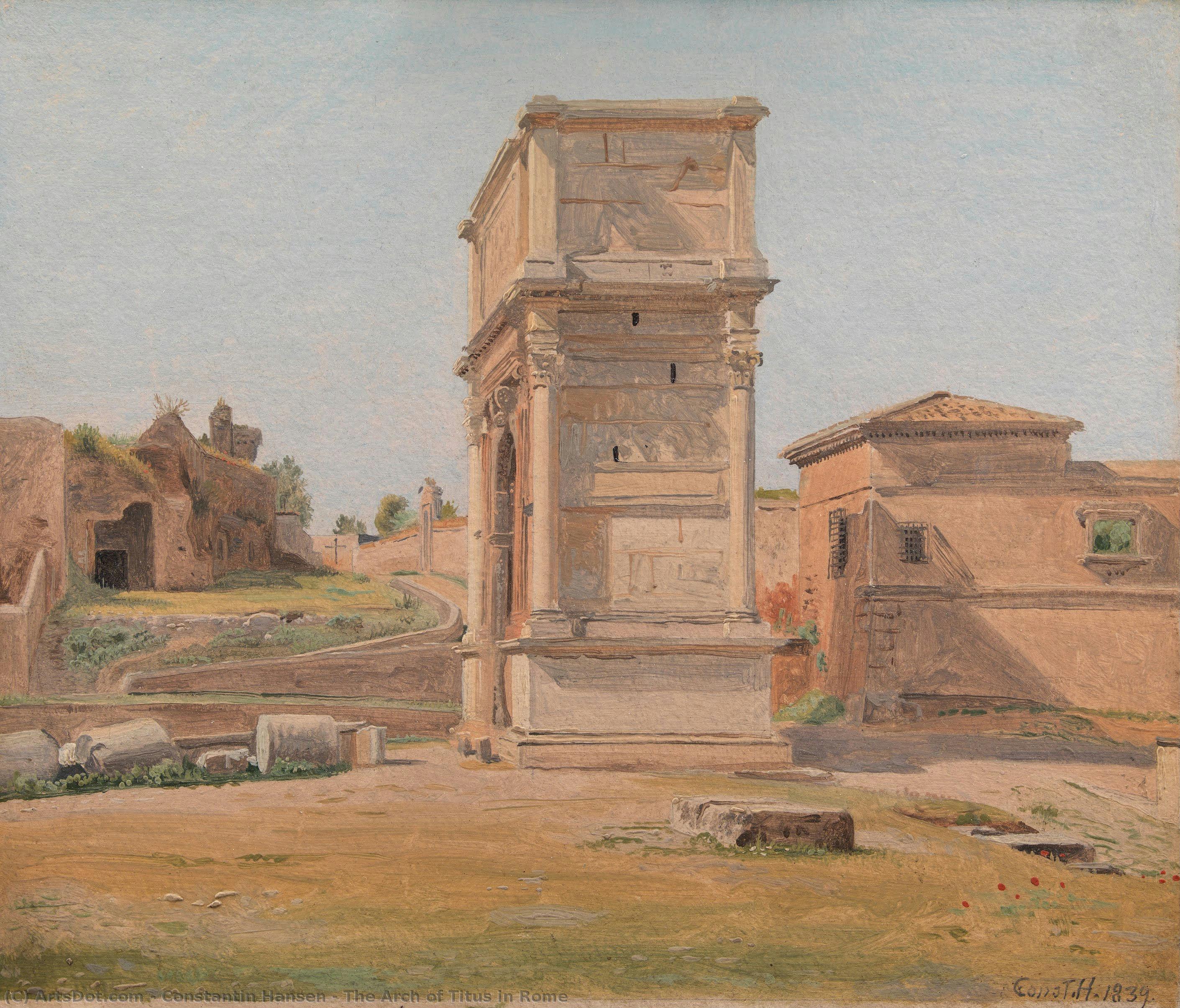
The Arch of Titus in Rome
 Oil On Canvas
- WallArt
 1839
1839 29.0 x 24.0 cm
 Nacionalna galerija Danske
 Pročitaj više
Kupite digitalnu sliku visoke rezolucije i poboljšanog kvaliteta, koja je znatno superiornija od onoga što vidite u online prikazu.
Svaka datoteka je pedantno pripremljena od strane naših stručnjaka koristeći napredne alate i profesionalnu ručnu retušu. Osiguravamo da svaka slika ima izuzetnu oštrinu, preciznu reprodukciju boja i fine detalje.
Konačna datoteka se dostavlja putem e-pošte u roku od 72 sata, optimizovana za neposrednu upotrebu u profesionalnim, izdavačkim i štamparskim okruženjima. To je isti kvalitet kojem veruju vrhunski studiji dizajna, izdavači i galerije.
Digitalna slika
Preuzmite datoteku visoke rezolucije za ličnu upotrebu, štampanje i kreativne projekte. ( Kupi print Kupi ručno naslikanu sliku)
Uključeno uz svaku porudžbinu digitalne slike
Profesionalna digitalna isporuka, zagarantovana
Kada odaberete ArtsDot.com, ne dobijate samo sliku – vi primate profesionalno unapređeno digitalno umetničko delo, izrađeno sa najvećom preciznošću i uz garanciju zadovoljstva. Evo svega što automatski dolazi uz vašu porudžbinu:

Brza dostava putem e-pošte
Vaša digitalna slika visoke rezolucije biće vam poslata putem e-pošte u roku od 72 sata od poručivanja – spremna za trenutnu upotrebu.

Digitalna datoteka unapređena veštačkom inteligencijom
Vaše umetničko delo je profesionalno optimizovano korišćenjem naprednih AI alata i ručne obrade, čime se osiguravaju maksimalni detalji, oštrina i preciznost boja.

Besplatna ponovna isporuka doživotno
Slučajno ste obrisali ili izgubili svoju datoteku? Ne brinite – poslaćemo vam je ponovo u bilo kom trenutku, potpuno besplatno.

Bez troškova uvoza – zauvek
Uživajte u svojim umetničkim delima trenutno, bez carine, dažbina ili troškova dostave – digitalni download je uvek bez poreza.

Garancija vernosti boja
Uz pomoć profesionalnih alata i upravljanja bojama, osiguravamo da vaša digitalna slika što vernije odražava originalne boje.

Garancija zadovoljstva u roku od 100 dana
Ako niste zadovoljni svojom digitalnom slikom, revidirat ćemo je ili vratiti 100% novca u roku od 100 dana – bez ikakvih pitanja.

100% garancija povrata novca
Niste zadovoljni? Obezbedite pun povrat novca u roku od 100 dana od trenutka kada ste primili svoju digitalnu datoteku – bez suvišnih pitanja.

Popusti na velike porudžbine
Kupite 3 slike, uštedite 10% - Kupite 5 slika, uštedite 15% - Kupite 10+ slika, uštedite 20%. Odlično za kreativne projekte, galerije i agencije.
A Moment Frozen in Roman Light: Constantin Hansen’s Study of the Arch of Titus
- Provenance: 1839, Oil on Canvas, 29 x 24 cm
- Artist: Constantin Hansen (1804-1880) – A Pioneer of Danish Romanticism
- Description: This captivating artwork offers a rare glimpse into the creative process of Constantin Hansen, one of Denmark’s most significant artists. Painted during a period of intense experimentation and artistic exploration, it presents a compelling study of the Arch of Titus in Rome – not as a conventional tourist view, but as a deeply personal investigation of form, light, and color.
Unconventional Perspective: Breaking with Tradition
Constantin Hansen’s approach to this subject is strikingly unconventional. Rather than depicting the Arch of Titus from its formal front elevation, he chooses a side view, dramatically shortening the façade and creating a dynamic sense of space. This deliberate distortion immediately signals a departure from the academic conventions prevalent at the time. The artist's intention was clearly not to create a faithful representation for travel or documentation; instead, it served as a crucial study for his own artistic development. This bold choice reflects Hansen’s desire to challenge established norms and explore new avenues of expression – a characteristic that would become increasingly important in his later work.Eckersberg's Influence and a Radical Shift
The painting reveals the profound influence of C.W. Eckersberg, Hansen’s influential teacher, particularly in its architectural studies. However, Hansen transcends Eckersberg’s meticulous realism, pushing the subject matter into a realm of heightened emotional intensity. He dismantles the traditional association between architecture and its symbolic function, presenting the Arch of Titus as an object of pure visual experience. This radical shift foreshadows the burgeoning Impressionist movement, thirty years later, with its focus on capturing fleeting moments of light and color.A Symphony of Light and Shadow: Technique and Color
The remarkable treatment of color is a defining feature of this artwork. Hansen demonstrates an extraordinary sensitivity to the delicate interplay of sunlight and shadow, meticulously rendering the subtle hues that shift across the stone surfaces. This masterful use of light not only creates a sense of realism but also imbues the scene with a palpable atmosphere – a testament to Hansen’s burgeoning understanding of color theory. The artist's exploration of chromatic effects anticipates the techniques employed by Impressionist painters, solidifying his position as a visionary ahead of his time. The painting’s subdued palette and nuanced shading evoke a sense of quiet contemplation and timeless beauty.Symbolism and Emotional Resonance
Beyond its technical brilliance, the artwork possesses a subtle emotional resonance. The solitary figure observing the Arch of Titus adds an element of human scale to the monumental structure, inviting viewers to contemplate their own relationship with history, architecture, and the passage of time. The scene evokes a sense of awe and wonder at the enduring legacy of Roman civilization, while simultaneously highlighting Hansen’s artistic ambition and his willingness to push boundaries. This piece is more than just a depiction of an ancient monument; it's a meditation on art itself – its purpose, its power, and its ability to transcend time.Srodna umetnička dela



Biografija umetnika
early life and training
artistic career
initially, hansen studied architecture but later shifted his focus to painting under christoffer wilhelm eckersberg in 1828. following the loss of both parents due to typhus, hansen became the sole supporter of his younger sisters and took over several commissions, including those for the portrait collection at frederiksborg palace and decorative paintings for christiansborg palace.travel and inspiration
between 1835 and 1837, hansen received a two-year stipend to travel abroad, which he extended by an additional year. his travels took him through berlin, dresden, prague, nuremberg, and munich before arriving in italy, where he met fellow dane bertel thorvaldsen. this period significantly influenced his work, as seen innotable works and legacy
- hansen's contributions to the university of copenhagen's vestibule on frue plads, which he decorated with mythological figures from 1844 to 1853.
museums and collections
discover more about constantin hansen's work at:- thorvaldsens museum, copenhagen, denmark, which features works by bertel thorvaldsen and other danish artists.
- constantin hansen's profile on ArtsDot.com, showcasing his notable paintings and artistic style.
conclusion
constantin hansen, a prominent figure in the golden age of danish painting, left an indelible mark on the art world with his captivating works. through his travels and inspirations, he contributed to the rich cultural heritage of denmark, which can be explored further through ArtsDot.com.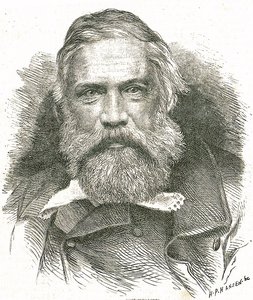
Constantin Hansen
1804 - 1880 , Italy
Kratke činjenice
- Artistic Movement Or Style: Romanticism art
- Artists Or Movements Influenced By This Artist: ['Bertel Thorvaldsen']
- Artists Who Influenced This Artist: ['Christoffer Wilhelm Eckersberg']
- Date Of Birth: November 3, 1804
- Date Of Death: March 29, 1880
- Full Name: Constantin Hansen
- Nationality: Danish
- Notable Artworks:
- A Group of Danish Artists in Rome
- Portrait of Frederikke Vilhelmine Hage, née Faber
- Place Of Birth: Rome, Italy