

 Pregledaj u prostoru
 Pošalji
 Podeli
 Detalji o delu

 Преузми
 Slični predmeti
 Rendgenski snimak
 Slajdovi
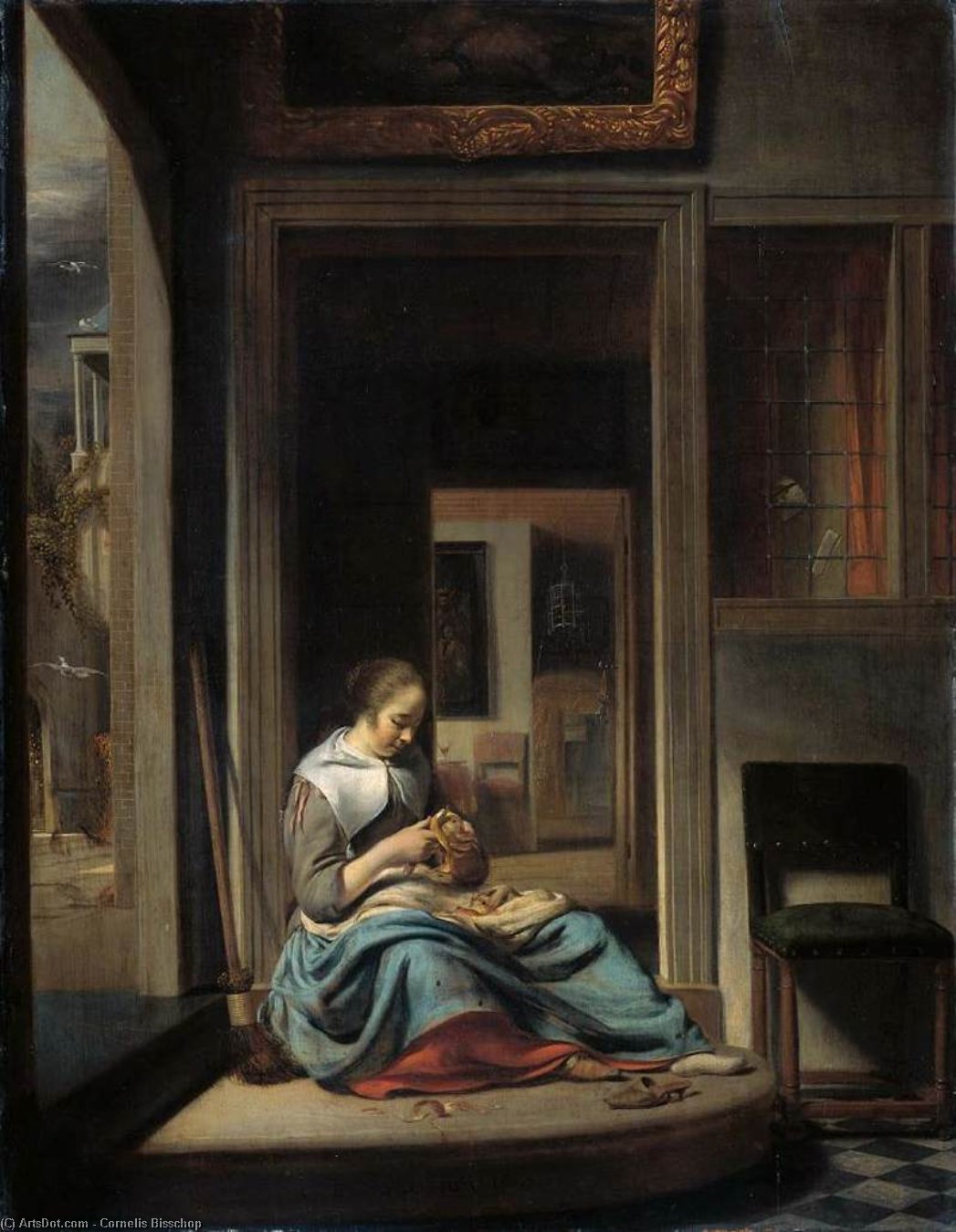
Woman Peeling Apple
 Oil On Canvas
- WallArt
- Baroque Realism
 1667
1667 70.0 x 57.0 cm
 Rijksmuseum
 Pročitaj više
Ručno rađena uljana reprodukcija
Ručno oslikano uljanim bojama na platnu u dimenzijama i okviru po vašem izboru, izrađeno po porudžbini od strane naših umetnika. ( Kupi print Kupi digitalnu sliku)




P118B $10

P118H $10

P118W $10

P438Z $10

P508JH $12

P508YH $12

P805H $10

P805Z $10

P919BZ $10

P919G $10

P919XJ $10

P959ZH $10

P968JZ $12

W106C $8

W218G $10

W218JH $8

W218Y $10

W307PJ $10

W316G $10

W316PJ $8

W316Y $10

W398PJ $8

W4111J $10

W500HY $15

W500JH $15

W692G $12

W849H $8

W940BG $15

W953PJ $8




Izaberite jednu od naših unapred definisanih veličina koje odgovaraju originalnim proporcijama umetničkog dela.

Можете унети сопствене димензије како бисте прилагодили дело одређеном оквиру или простору. Ако одабрана величина не одговара пропорцијама оригинала, слика ће бити исечена или проширена додатним елементима који се ручно насликавају. Дигитални prikaz ће вам бити послат на одобрење пре почетка производње.
Имајте на уму да преглед на екрану не одражава стварно исецање или проширење. Само приказ (mockup) ће тачно приказати коначну композицију.
Иако су доступне прилагођене величине, препоручујемо да одаберете димензију из дефинисане листе како бисте сачували оригиналне пропорције.
Nakon narudžbine, tim ArtsDot.com će klijentu putem e-pošte poslati uputstva i dostaviti prikaz predloženog rešenja
Isporuka širom sveta () za 3/4 nedelje umesto uobičajenih 5 nedelja. (3 септембар). Bez kompromisa po pitanju kvaliteta.

Besplatna ekspresna dostava širom sveta

Visokokvalitetno laneno platno

Kompletno osiguranje transporta

Garancija povraćaja carine i uvoznih dažbina

Garancija vernosti boja

Politika povrata u roku od 60 dana (samo u slučaju nedostataka)

Garancija povrata novca od 100%

Popust pri grupnoj kupovini
 Opcija sa staklom dostupna je samo za dimenzije manje od 110 cm

Woman Peeling Apple
Tehnika reprodukcije
Dimenzije reprodukcije
-


Konačna cena
$ 263
The Quietude of Domesticity: Cornelis Bisschop’s “Woman Peeling Apple”
Cornelis Bisschop's "Woman Peeling Apple," painted in 1667, isn’t merely a depiction of a woman preparing food; it’s a carefully constructed tableau brimming with subtle symbolism and an exquisite mastery of light. This intimate genre scene, now residing within the Wallace Collection in London, offers a rare glimpse into the domestic life of a prosperous Dutch household during the Golden Age. The painting immediately draws the viewer in with its soft, diffused light – a hallmark of Bisschop’s technique and a deliberate departure from the stark realism favored by some of his contemporaries. Notice how the sunlight streams through an unseen window, bathing the room in a warm glow that highlights the textures of the fur-trimmed jacket, the intricate details of the Delft tiles adorning the fireplace, and most importantly, the delicate curve of the woman’s hand as she peels an apple. This masterful use of chiaroscuro – the dramatic contrast between light and shadow – creates a sense of depth and realism that was revolutionary for its time.A Portrait of Comfort and Prosperity
The subject herself is presented with a quiet dignity, seated on a simple stool before a richly appointed room. Her attire—a black velvet jacket adorned with fur, a red skirt, and a crisp white apron— speaks volumes about her family’s status and wealth. The inclusion of luxurious details like the embroidered fabrics, the ornate fireplace, and the presence of a small child suggests a life of comfort and security. However, Bisschop doesn't indulge in ostentatious display; rather, he subtly conveys prosperity through carefully chosen objects and textures. The cupid nestled between the woman and her child reinforces this theme, hinting at a future filled with love and happiness. The scene is not one of grand gestures or dramatic events, but rather a quiet moment of everyday life—a testament to the values of family, domesticity, and prosperity that were highly prized during the Dutch Golden Age.The Art of Trompe-l'Oeil and Baroque Realism
Bisschop’s skill as a painter is particularly evident in his masterful application of *trompe l'oeil*, a technique designed to deceive the eye into perceiving three-dimensional reality on a two-dimensional surface. Observe how he renders the details of the room with astonishing accuracy—the texture of the fur, the sheen of the tiles, and even the reflection in the mirror. This meticulous attention to detail is not merely decorative; it’s integral to the painting's overall effect, creating an illusion of depth and realism that draws the viewer into the scene. Furthermore, Bisschop seamlessly blends elements of Baroque realism with his innovative *trompe l'oeil* techniques, resulting in a sophisticated and visually compelling composition. His style reflects the broader artistic trends of the period, characterized by a focus on naturalism, dramatic lighting, and intricate detail.Symbolic Layers and Emotional Resonance
Beyond its technical brilliance, “Woman Peeling Apple” is rich in symbolic meaning. The apple itself has long been associated with temptation, knowledge, and mortality – themes that resonate throughout Western art history. Here, however, the apple represents nourishment, domesticity, and the cycle of life. The child’s presence symbolizes hope for the future, while the woman's serene expression suggests contentment and fulfillment. The painting isn’t simply a record of a mundane activity; it’s an exploration of human emotions and relationships within the context of a stable and prosperous home. It evokes a feeling of quiet contemplation, inviting the viewer to pause and reflect on the simple pleasures of everyday life. The overall effect is one of understated beauty and profound emotional resonance—a testament to Bisschop's artistic genius.Reproductions and Interior Design Inspiration
Today, “Woman Peeling Apple” remains a captivating work of art, offering valuable insights into the culture and aesthetics of 17th-century Holland. High-quality reproductions capture the painting’s exquisite detail and evocative atmosphere, making it an ideal addition to any home or office space. Its timeless themes of family, comfort, and domesticity resonate with contemporary audiences, while its masterful technique and subtle symbolism continue to inspire artists and designers alike. Consider incorporating elements of Bisschop's composition—the use of light, the attention to texture, and the focus on intimate scenes—into your own interior design projects to create a space that is both beautiful and inviting.Srodna umetnička dela

Biografija umetnika
Cornelis Bisschop: A Life in Dutch Golden Age Painting
Early Life and Education
Cornelis Bisschop (February 12, 1630 – January 21, 1674) was a prominent painter of the Dutch Golden Age. Born in Dordrecht, Netherlands, he came from a family with artistic inclinations, foreshadowing the creative path he would pursue. Around 1650, Bisschop traveled to Amsterdam to study under the tutelage of Ferdinand Bol, a leading pupil of Rembrandt. This apprenticeship proved crucial in shaping his style and technique.
Artistic Development and Style
Bisschop’s artistic development was marked by versatility. He excelled in various genres including historical allegories, portraits, still lifes, and genre scenes. However, he is particularly celebrated for his mastery of trompe l'oeil – a technique that creates the illusion of three-dimensional reality on a two-dimensional surface. He became renowned as one of the first to paint carved wooden panels with such ingenuity, popularizing this style.
Key Works and Themes
- Allegory on the Raid on the Medway: A significant historical painting reflecting a contemporary event.
- Self-Portrait: Demonstrates his skill in portraiture and provides insight into his persona.
- Woman Peeling Apple: Exemplifies his talent for capturing everyday life with meticulous detail.
- A Young Woman and a Cavalier: Showcases his ability to portray figures within elegant settings.
His works often feature rich colors, dramatic lighting (influenced by Bol and Rembrandt), and a keen attention to texture and detail. Bisschop’s paintings frequently explore themes of morality, history, and the beauty of everyday life.
Influences and Legacy
Ferdinand Bol was undoubtedly the most significant influence on Bisschop's artistic style. He absorbed Bol’s use of chiaroscuro – the dramatic contrast between light and dark – and his compositional techniques. However, Bisschop developed a unique voice within this framework.
Bisschop’s legacy extends beyond his own paintings. He actively involved his children in his workshop, with two sons (Abraham and Jacobus) and three daughters becoming painters themselves. This familial artistic tradition ensured the continuation of his style and techniques.
Historical Significance
Cornelis Bisschop’s work provides valuable insight into 17th-century Dutch society, culture, and artistic tastes. His innovative use of trompe l'oeil pushed the boundaries of realism in painting, influencing subsequent generations of artists. Although he died unexpectedly at the age of 43, leaving behind a large family, his contributions to the Dutch Golden Age remain significant. He was even invited to paint for the Danish court, highlighting his international recognition.
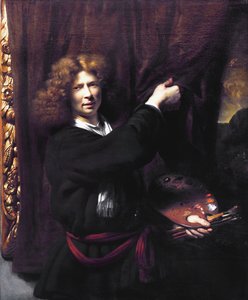
Cornelis Bisschop
1630 - 1674 , Netherlands
Osnovne informacije
- Birth Date: 1630-02-12
- Birth Place: Dordrecht, Netherlands
- Death Date: 1674-01-21
- Influenced:
- Abraham Bisschop
- Jacobus Bisschop
- Influenced By: Ferdinand Bol
- Movement: Dutch Golden Age painting, Baroque
- Name: Cornelis Bisschop
- Nationality: Dutch
- Notable Works:
- Allegory on the Raid on the Medway
- Self-Portrait
- Woman Peeling Apple
- A Young Woman and a Cavalier
Povezani članci

Zlatno doba Holandske umetnosti: Top 10 remek dela za vaš dom
Otkrijte remek dela Holandskog zlatnog doba! Uronite u svet Rembrandta, Vermeera i drugih majstora. 10 ikoničnih slika koje su definisale umetnost. Inspiracija za vaš dom i kolekciju - ekskluzivne reprodukcije na ArtsDot.com!

Golden Age Reflections: Dutch Baroque Painting & Cultural Innovation
Explore the Dutch Golden Age of painting! Discover key artists like Vermeer & ter Borch, their innovative techniques, and the rich cultural context behind these Baroque masterpieces. Learn about collecting & appreciating this iconic art period.

Illuminating Innovation: Exploring the Dutch Golden Age of Painting
Explore the Dutch Golden Age of painting with ArtsDot. Discover Rembrandt, Vermeer & other Masters. Learn about key characteristics, iconic artworks, and lasting influence. Expert insights for collectors & enthusiasts.

Illuminating Realism: Exploring the Dutch Golden Age of Painting (1600-1700)
Explore the Dutch Golden Age of painting (1600-1700) with ArtsDot. Discover Rembrandt, Vermeer & other masters. Learn about techniques, history & find museum-quality reproductions.
Charles Leickert: Capturing the Dutch Golden Age Light – A Comprehensive Study of Technique, Context, and Legacy
Explore the captivating winter landscapes of Charles Leickert, a master of Dutch Golden Age light & atmosphere. Discover his techniques, symbolism, and lasting legacy – a comprehensive study for art enthusiasts and collectors.

