

 Pregledaj u prostoru
 Pošalji
 Podeli
 Detalji o delu

 Преузми
 Slični predmeti
 Rendgenski snimak
 Slajdovi
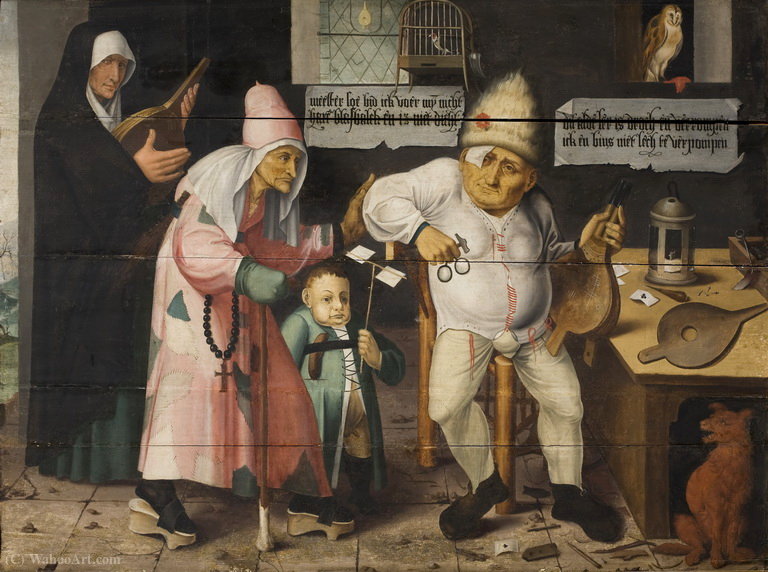
The bellows repairer.
 Pročitaj više
Giclee štampa / Umetnički otisak
Giclée štampa ili print na platnu muzejskog kvaliteta uz brzu proizvodnju i fleksibilne opcije završne obrade. ( Kupi ručno naslikanu sliku Kupi digitalnu sliku)




































Izaberite jednu od naših unapred definisanih veličina koje odgovaraju originalnim proporcijama umetničkog dela.

Možete uneti sopstvene dimenzije kako biste umetničko delo prilagodili specifičnom okviru ili prostoru. Ako odabrani format ne odgovara proporcijama originalne slike, mi ćemo ili iscrtati deo dela ili proširiti sliku pomoću ogledane ivice ili jednobojnog popunjavanja. Digitalni prikaz će vam biti poslat na odobrenje pre početka proizvodnje.
Imajte na umu da pregled na ekranu ne odražava stvarno iscrtavanje ili proširivanje. Samo će prikaz (mockup) precizno pokazati finalnu kompoziciju.
Iako su prilagođene dimenzije dostupne, preporučujemo da odaberete dimenziju sa unapred definisane liste kako biste očuvali originalne proporcije.
Dostava širom sveta () za 2 nedelje umesto uobičajenih 4/5 nedelja. (23 август)

Besplatna ekspresna dostava širom sveta

Visokokvalitetno laneno platno

Kompletno osiguranje transporta

Garancija povraćaja carine i uvoznih dažbina

Garancija vernosti boja

Politika povrata u roku od 60 dana (samo u slučaju nedostataka)

Garancija povrata novca od 100%

Popust pri grupnoj kupovini
 Opcija sa staklom dostupna je samo za dimenzije manje od 110 cm

The bellows repairer.
Giclee štampa / Umetnički otisak
Dimenzije reprodukcije
-


Konačna cena
$ 62
Srodna umetnička dela




Biografija umetnika
Cornelis Massys: A Pioneer of Realism in the Northern Renaissance
Cornelis Massys, born in Antwerp around 1510 and tragically lost to history sometime before 1556, stands as a pivotal figure bridging the fantastical landscapes of Joachim Patinir with the burgeoning realism that would define later Netherlandish painting. Often overshadowed by his more famous brother, Jan Massys, Cornelis carved out a unique artistic identity through his unsettling genre scenes, meticulous animal studies, and early contributions to printmaking – establishing himself as a crucial innovator in the transition between stylistic epochs.
His early life was deeply intertwined with the vibrant artistic community of Antwerp. Trained under his father, Quinten Matsys, a leading figure in the city’s guild, Cornelis initially followed in his father's footsteps, mastering the techniques of portraiture and religious painting. However, unlike his brother who remained firmly rooted in traditional Flemish styles, Cornelis demonstrated an early inclination towards exploring new approaches to representation. This manifested first through his engagement with printmaking – a skill he diligently honed, producing intricate engravings that showcased both technical proficiency and a nascent interest in capturing the nuances of everyday life.
The Landscape as a Starting Point
Cornelis Massys’s most enduring legacy rests upon his pioneering work in landscape painting. Initially, his landscapes were deeply influenced by Patinir – characterized by their dreamlike quality, intricate details, and allegorical narratives. Works like “Landscape with the Flight to Egypt” (c. 1538) demonstrate this early phase perfectly: a meticulously rendered vista populated with symbolic figures, evoking a sense of otherworldly beauty. Yet, even within this established framework, Massys subtly introduced elements of observation and atmospheric perspective – hinting at a shift towards a more naturalistic approach.
Crucially, Massys’s landscapes weren't merely decorative backgrounds; they served as the foundation for his explorations into genre scenes. He began to integrate human figures into these meticulously constructed environments, creating unsettling juxtapositions between idealized nature and the realities of human existence. This marked a departure from the purely symbolic landscapes of Patinir and paved the way for the development of ‘pure landscapes’ – characterized by their focus on depicting the natural world without narrative or allegorical content – that would emerge in subsequent generations.
Genre Scenes and Moralizing Prints
As his career progressed, Massys increasingly focused on genre scenes—paintings depicting everyday life. These works are often imbued with a sense of unease and moral ambiguity. His “Brothel” (c. 1538-1540), an engraving, is perhaps the most striking example: a chaotic depiction of revelry and indulgence, rendered in stark detail that exposes the corruption and moral decay beneath the surface. These prints weren’t simply illustrations; they were deliberate commentaries on societal values, reflecting the anxieties and concerns of the era.
Massys's engagement with printmaking extended beyond mere illustration. He skillfully copied works by Italian masters like Marcantonio Raimondi and Parmigianino, adapting their techniques to his own style. Furthermore, he produced a series of engravings depicting biblical stories and moralizing scenes – demonstrating a keen understanding of the power of visual narrative to convey ethical lessons.
A Legacy of Realism and Innovation
Cornelis Massys’s artistic journey represents a crucial transition in the history of Northern Renaissance art. He wasn't merely a follower of his father; he was an innovator who pushed the boundaries of representation, introducing elements of realism, atmospheric perspective, and psychological depth into his work. His landscapes served as a springboard for his genre scenes, which, in turn, challenged conventional notions of beauty and morality.
While his output remains relatively modest compared to some of his contemporaries, Massys’s influence is undeniable. He laid the groundwork for subsequent generations of landscape painters – including artists like Pieter Bruegel the Elder – who would build upon his innovations and further develop the genre. His legacy endures not only in his surviving paintings and prints but also in his pioneering spirit and his willingness to challenge artistic conventions, solidifying his place as a significant, albeit often overlooked, figure in the development of Western art.
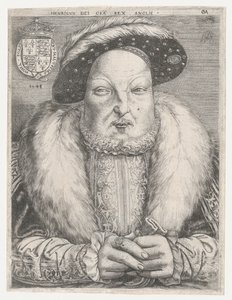
cornelis massys
1510 - 1556 , Belgium
Osnovne informacije
- Artistic Movement Or Style: Early Netherlandish
- Artists Or Movements Influenced By This Artist: ['Later Netherlandish landscape painting']
- Artists Who Influenced This Artist:
- Joachim Patinir
- Quentin Massys
- Date Of Birth: 1510, Antwerp
- Date Of Death: c. 1556, unknown
- Full Name: Cornelis Massys
- Nationality: Flemish
- Notable Artworks:
- Parable of the Prodigal Son
- Landscape with the Flight to Egypt
- Brothel
- Arrival of the Holy Family
- Place Of Birth: Antwerp, Belgium

