

 Pregledaj u prostoru
 Pošalji
 Podeli
 Detalji o delu

 Преузми
 Slični predmeti
 Rendgenski snimak
 Slajdovi
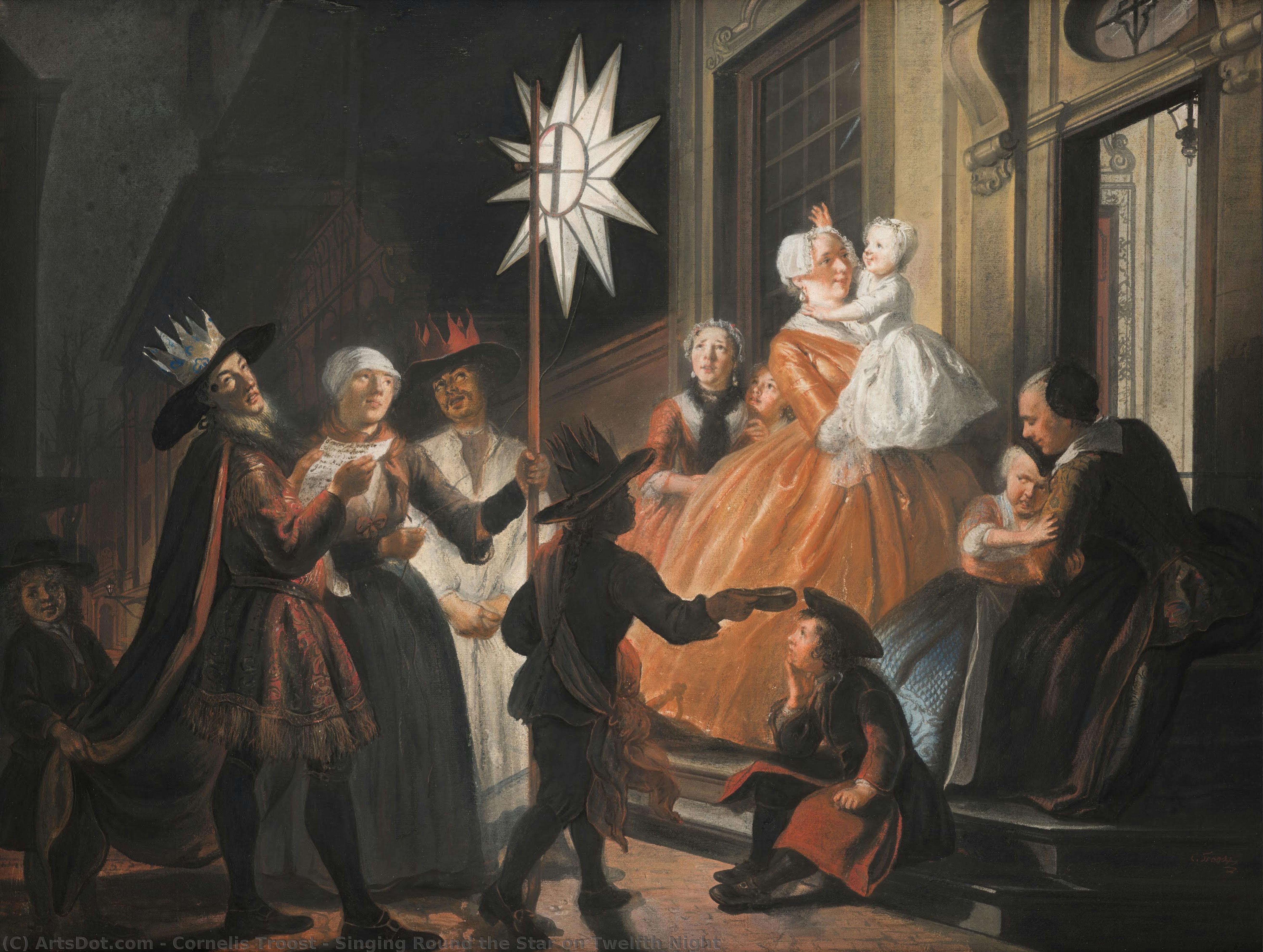
Singing Round the Star on Twelfth Night


 Pročitaj više
Ručno rađena uljana reprodukcija
Ručno oslikano uljanim bojama na platnu u dimenzijama i okviru po vašem izboru, izrađeno po porudžbini od strane naših umetnika. ( Kupi print Kupi digitalnu sliku)




P118B $10

P118H $10

P118W $10

P438Z $10

P508JH $12

P508YH $12

P805H $10

P805Z $10

P919BZ $10

P919G $10

P919XJ $10

P959ZH $10

P968JZ $12

W106C $8

W218G $10

W218JH $8

W218Y $10

W307PJ $10

W316G $10

W316PJ $8

W316Y $10

W398PJ $8

W4111J $10

W500HY $15

W500JH $15

W692G $12

W849H $8

W940BG $15

W953PJ $8




Izaberite jednu od naših unapred definisanih veličina koje odgovaraju originalnim proporcijama umetničkog dela.

Можете унети сопствене димензије како бисте прилагодили дело одређеном оквиру или простору. Ако одабрана величина не одговара пропорцијама оригинала, слика ће бити исечена или проширена додатним елементима који се ручно насликавају. Дигитални prikaz ће вам бити послат на одобрење пре почетка производње.
Имајте на уму да преглед на екрану не одражава стварно исецање или проширење. Само приказ (mockup) ће тачно приказати коначну композицију.
Иако су доступне прилагођене величине, препоручујемо да одаберете димензију из дефинисане листе како бисте сачували оригиналне пропорције.
Nakon narudžbine, tim ArtsDot.com će klijentu putem e-pošte poslati uputstva i dostaviti prikaz predloženog rešenja
Isporuka širom sveta () za 3/4 nedelje umesto uobičajenih 5 nedelja. (25 август). Bez kompromisa po pitanju kvaliteta.

Besplatna ekspresna dostava širom sveta

Visokokvalitetno laneno platno

Kompletno osiguranje transporta

Garancija povraćaja carine i uvoznih dažbina

Garancija vernosti boja

Politika povrata u roku od 60 dana (samo u slučaju nedostataka)

Garancija povrata novca od 100%

Popust pri grupnoj kupovini
 Opcija sa staklom dostupna je samo za dimenzije manje od 110 cm

Singing Round the Star on Twelfth Night
Tehnika reprodukcije
Dimenzije reprodukcije
-


Konačna cena
$ 263
Opis umetničkog dela
A Festive Tableau of Seventeenth-Century Amsterdam
Cornelis Troost’s “Singing Round the Star on Twelfth Night” is more than just a charming winter scene; it's a vibrant snapshot of 18th-century Dutch life, brimming with theatricality, communal joy, and a subtle commentary on social customs. Painted in approximately 1740, this pastel and gouache masterpiece transports us to a bustling room in Amsterdam, where the traditions surrounding Epiphany – known as Driekoningen – are celebrated with song, dance, and an air of delightful merriment. Troost, a former actor himself, expertly captures the energy of the occasion, imbuing the scene with a palpable sense of warmth and conviviality.
The painting depicts a group of richly dressed individuals gathered around a table laden with festive treats. Men and women alike are engaged in animated conversation, while children – including one nestled comfortably in a mother’s lap – gaze with wide-eyed wonder at the central focus: a gleaming star-shaped lantern casting an ethereal glow across the room. The figures aren't merely participants; they embody roles—the Three Kings themselves, identifiable by their elaborate costumes and regal bearing—and the surrounding onlookers, creating a dynamic tableau of social interaction.
Theatrical Roots and Rococo Style
Troost’s background as an actor profoundly influenced his artistic approach. He was renowned for his ability to portray characters with theatrical flair, and this skill is evident in the expressive gestures and lively postures of his figures. The painting exemplifies the hallmarks of Dutch Rococo art – a style characterized by its elegance, grace, and playful use of color. Notice the delicate pastel hues, the soft brushstrokes, and the overall sense of lightness and airiness. Troost masterfully employs these techniques to create an atmosphere of joyous celebration, reminiscent of a lively stage production.
The composition itself is carefully orchestrated, drawing the viewer’s eye through the scene. The arrangement of figures, the use of light and shadow, and the inclusion of details like the clock on the wall and the dining table all contribute to a sense of depth and realism. Furthermore, Troost's choice of subject matter—a traditional holiday celebration—reflects the importance of community and shared rituals in 18th-century Dutch society.
Symbolism and Social Commentary
Beyond its surface charm, “Singing Round the Star on Twelfth Night” offers subtle insights into the social dynamics of the time. The scene represents a gathering of families and neighbors, highlighting the role of women in nurturing and entertaining children. The presence of the star itself is significant, symbolizing the arrival of the Magi bearing gifts to the infant Jesus – a central element of the Christmas story. However, Troost doesn’t simply depict religious observance; he captures the spirit of communal celebration and the joy of shared traditions.
The inclusion of children adds another layer of meaning. Their innocent wonder reflects the hope and promise associated with the holiday season. Moreover, the painting subtly suggests a contrast between the formal roles of the “Three Kings” and the more relaxed atmosphere of the gathering, hinting at the fluidity of social hierarchies within this festive setting.
A Timeless Reproduction
Reproductions of "Singing Round the Star on Twelfth Night" capture the essence of Troost’s original masterpiece. The delicate pastel colors and intricate details are faithfully reproduced, allowing you to bring this captivating scene into your home or office. This painting is not just a decorative piece; it's a window into a bygone era—a testament to the enduring appeal of community, celebration, and the magic of the holiday season.
Srodna umetnička dela
Biografija umetnika
Prozor u zlatno doba Amsterdama
Kornelije Trost, ime neraskidivo vezano za živopisni tapiserij osamnaestoveg Amsterdama, bio je mnogo više od običnog umetnika; bio je oštar posmatrač i majstorski hroničar svog doba. Rođen u srcu Dučke republike 8. oktobra 1696. godine u Amsterdamu, Trostov put od ambicioznog glumca do proslavljenog slikara otkriva fascinantnu spojnicu umetničkih strasti i ličnog preobražaja. Početno obučen za scensku izvođačku umetnost, on nije pronašao svoj pravi poziv usred aplauza i drame, već u pedantnom detalju i suptilnim nijansama slikarstva. Trajektorija njegovog života obeležena je svesnom promenom – namernim odbacivanjem svetla reflektora zarad tihe kontemplacije poteza četkicom, što ga je na kraju dovelo do toga da postane jedna od najznačajnijih figura u holandskoj rokoko žanrovskoj umetnosti.
Trostovo umetničko obrazovanje počelo je pod tutelom Arnolda Bunena, poštovanog portretiste koji je prepoznao urođeni talenat svog učenika. Ovo usvajanje pružilo je ključni temelj, ali su upravo Trostovi rani crteži istinski pokazali njegov prepoznatljiv stil – posebno onaj iz 1908. godine koji prikazuje kneza Evgena Savojskog i ozloglašenu knjižare i špijuna, Luisa Renara, kako se upuštaju u tajne aktivnosti unutar luksuznog amsterdamskog bordela. Ovo delo, prepuno duhovitosti i intriga, nagovestilo je teme koje će kasnije istraživati sa tako očaravajućom veštinom: složenost društvenog života, mamorljivost uživanja i skrivene struje ispod fasade uglednosti.
Elegancija rokoka i društvena naracija
Kako je njegova karijera sazrevala, Trost je postao majstor u hvatanju delikatne ravnoteže između razigranosti i sofisticiranosti. Njegov rad je nesumnjivo bio pod uticajem tadašnjih umetničkih trendova, uključujući dramatične kompozicije Vilijama Hogarta, poznatog po svojim satiričnim prikazima londonske društvene scene, kao i elegantnu gracioznost francuskih majstora poput Vatoa, Bušea i Lankreta. Ova sinteza holandskog realizma i francuske rokoko elegancije omogućila mu je da stvori dela koja su istovremeno duboko ukorenjena u lokalnoj stvarnosti i izuzetno prefinjena.
Njegov repertoar bio je izrazito raznolik, protežući se od intimnih portreta do monumentalnih grupnih kompozicija. Neki od njegovih najtrajnijih doprinosa svetu umetnosti uključuju:
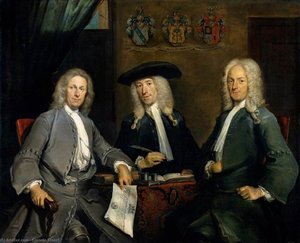
- Portret inspektora Collegium Medicum (1724): Zadivljujuće ulje na platnu u stilu rokoka koje prikazuje vrhunac holandske umetničke veštine i institucionalne elegancije osamnaestog veka.
- Portret Marije Magdalene Stavenise (oko 1726): Barokno remek-delo koje koristi prefinjen detalj kako bi dočaralo aristokratsko bogatstvo i status.
- Regenti dečjeg sirotišta Aalmoezeniersweeshuis (1729): Monumentalni grupni portret koji služi kao prozor u društvene strukture Amsterdama, koristeći dramatično osvetljenje i raskošno okruženje kako bi preneo osećaj građanskog značaja.
Nasleđe majstora posmatrača
Značaj Kornelijusa Trosta leži u njegovoj sposobnosti da deluje kao vizuelni istoričar jedne tranzicionog ere. Iako je era velikih majstora holandskog zlatnog doba već prošla, Trost je udahnuo novi život u holandsku tradiciju, prožimajući je vedrinom i dekorativnim šarmom pokreta rokoka. Njegove slike ne prikazuju samo lica; one beleže duh jednog doba – šuštanje svile, treptaj svećice i suptilne društvene hijerarhije amsterdamske elite.
Kroz svoje duhovite portrete i očaravajuće žanrovske scene, Trost je ostavio za sobom nasleđe koje i danas očarava posetioce. On ostaje ključna figura koja je premostila jaz između teških, dramatičnih tradicija sedamnaestog veka i vazdušaste, graciozne estetike osamnaestog veka, osiguravajući da društvene nijanse njegovog voljenog Amsterdama ostanu sačuvane u pigmentu za generacije koje dolaze.
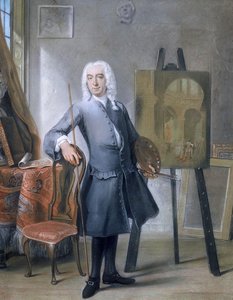
Корнелије Трост
1696 - 1750 , Holandija
Osnovne informacije
- Artistic Movement Or Style: Рококо жанровске сцене
- Artists Or Movements Influenced By This Artist: ['Сара Труст']
- Artists Who Influenced This Artist:
- Вилијам Хогарт
- Вато
- Буше
- Ланкрет
- Date Of Birth: 8. октобар 1696.
- Date Of Death: 7. март 1750.
- Full Name: Корнелис Труст
- Nationality: Холандски
- Notable Artworks:
- Серија НЕЛРИ
- Јеронимус Тонменан
- Инспектори Колегијума
- Place Of Birth: Амстердам, Холандија
Povezani članci
Cornelis Springer: A Dutch Master of Cityscapes & Intimate Reflections
Explore the captivating world of Cornelis Springer (1817-1891), a Dutch master renowned for his detailed cityscapes and atmospheric paintings. Discover his life, style & available artworks at ArtsDot.

Rokoko: 10 Remek Dela Koja Su Definisala Eleganciju i Ukus
Otkrijte 10 remek dela koja su definisala rokoko umetnost! Uronite u svet Boucher-a, Watteau-a i Fragonarda. Istorija, stil i inspiracija za vaš dom. Kvalitetne reprodukcije i kuratorski odabiri na ArtsDot.com!
The Rococo Aesthetic: Opulence, Rebellion & the Pursuit of Pleasure in 18th-Century Art
Explore the opulent world of Rococo art! Discover its origins, key artists like Watteau & Boucher, and lasting influence on design. Expert insights for collectors & enthusiasts.

Golden Age Reflections: Dutch Baroque Painting & Cultural Innovation
Explore the Dutch Golden Age of painting! Discover key artists like Vermeer & ter Borch, their innovative techniques, and the rich cultural context behind these Baroque masterpieces. Learn about collecting & appreciating this iconic art period.
Cornelis van Poelenburch: Bridging Mannerism & the Dutch Baroque Landscape
Discover Cornelis van Poelenburch, a pivotal Dutch Baroque landscape painter bridging Mannerism & Italianate styles. Explore his life, key works, and lasting influence on 17th-century art with ArtsDot.

