

 Pregledaj u prostoru
 Pošalji
 Podeli
 Detalji o delu

 Преузми
 Slični predmeti
 Rendgenski snimak
 Slajdovi
 Statistika
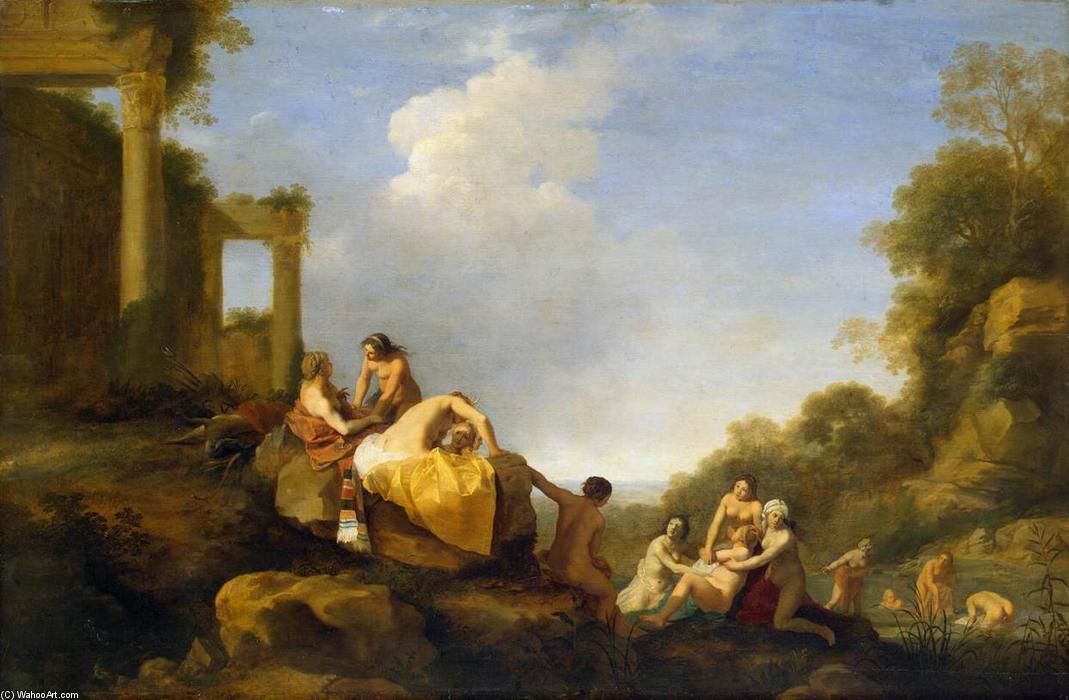
Landscape with Diana and Callisto
 Oil On Canvas
- WallArt
- Baroque
 54.0 x 82.0 cm
 Hermitage Museum
 Pročitaj više
Ručno rađena uljana reprodukcija
Ručno oslikano uljanim bojama na platnu u dimenzijama i okviru po vašem izboru, izrađeno po porudžbini od strane naših umetnika. ( Pređi na štampu Pređi na digitalnu sliku)




P118B $10

P118H $10

P118W $10

P438Z $10

P508JH $12

P508YH $12

P805H $10

P805Z $10

P919BZ $10

P919G $10

P919XJ $10

P959ZH $10

P968JZ $12

W106C $8

W218G $10

W218JH $8

W218Y $10

W307PJ $10

W316G $10

W316PJ $8

W316Y $10

W398PJ $8

W4111J $10

W500HY $15

W500JH $15

W692G $12

W849H $8

W940BG $15

W953PJ $8




Izaberite jednu od naših unapred definisanih veličina koje odgovaraju originalnim proporcijama umetničkog dela.

Можете унети сопствене димензије како бисте прилагодили дело одређеном оквиру или простору. Ако одабрана величина не одговара пропорцијама оригинала, слика ће бити исечена или проширена додатним елементима који се ручно насликавају. Дигитални prikaz ће вам бити послат на одобрење пре почетка производње.
Имајте на уму да преглед на екрану не одражава стварно исецање или проширење. Само приказ (mockup) ће тачно приказати коначну композицију.
Иако су доступне прилагођене величине, препоручујемо да одаберете димензију из дефинисане листе како бисте сачували оригиналне пропорције.
Nakon narudžbine, tim ArtsDot.com će klijentu putem e-pošte poslati uputstva i dostaviti prikaz predloženog rešenja
Isporuka širom sveta () za 3/4 nedelje umesto uobičajenih 5 nedelja. (10 септембар). Bez kompromisa po pitanju kvaliteta.

Besplatna ekspresna dostava širom sveta

Visokokvalitetno laneno platno

Kompletno osiguranje transporta

Garancija povraćaja carine i uvoznih dažbina

Garancija vernosti boja

Politika povraćaja u roku od 100 dana (isključivo u slučaju nedostataka)

Garancija povrata novca od 100%

Popust pri grupnoj kupovini
 Opcija sa staklom dostupna je samo za dimenzije manje od 110 cm

Landscape with Diana and Callisto
Tehnika reprodukcije
Dimenzije reprodukcije
-


Konačna cena
$ 413
Landscape with Diana and Callisto – A Baroque Masterpiece
Cornelis van Poelenburch’s “Landscape with Diana and Callisto,” painted circa 1630, stands as a testament to the burgeoning artistic fervor of the Dutch Golden Age and embodies the stylistic hallmarks of its era. More than just a depiction of a serene Italian hillside—though undeniably inspired by the picturesque landscapes favored during van Poelenburch’s formative years in Rome—the painting delves into profound mythological themes, exploring notions of divine retribution and human vulnerability within a meticulously crafted visual framework.Composition and Technique: Embracing Dynamic Movement
The artwork's composition is remarkably balanced, prioritizing a central group of figures – Diana and Callisto – nestled amongst rocky outcrops that dominate the mid-ground. These figures are positioned strategically to draw the viewer’s gaze upwards towards a hazy horizon line, creating an illusion of depth that anchors the scene in its surroundings. Van Poelenburch skillfully employs linear perspective, subtly diminishing size as objects recede into the distance, reinforcing this sense of spatial realism. Furthermore, he utilizes layering and blending techniques with oil paint on canvas—a technique common for his time—to achieve smooth transitions between colors and tones. Visible brushstrokes contribute to textural richness, particularly in the depiction of foliage and rock surfaces, hinting at the artist’s dedication to capturing natural detail.Historical Context: Roman Influence and Mythological Narrative
Van Poelenburch's journey to Rome profoundly impacted his artistic sensibilities, aligning him with a cohort of painters who sought inspiration from classical traditions. Like many artists of his generation, he embraced the Italianate landscape style—characterized by idealized vistas populated by diminutive figures enacting biblical or mythological narratives—demonstrating an awareness of artistic precedents and a desire to elevate his work beyond mere topographical representation. The scene portrays Diana, goddess of the hunt, confronting Callisto, Zeus’s wife who was seduced by Jupiter and subsequently impregnated – a tale rife with symbolism concerning divine justice and mortal transgression.Symbolism: Reflections on Time and Divine Judgment
The inclusion of ruined architectural structures—likely Roman columns—adds another layer of significance to the composition. These remnants serve as visual reminders of past glories, symbolizing the inevitable decay of civilizations and prompting contemplation about mortality. The figures’ expressions convey a palpable sense of vulnerability alongside serene observation, suggesting an emotional resonance that transcends the narrative itself. Diana's gaze is directed towards Callisto, embodying divine scrutiny and hinting at the consequences of defying celestial law.Emotional Impact: Tranquility Amidst Dramatic Narrative
Ultimately, “Landscape with Diana and Callisto” succeeds in conveying a captivating blend of tranquility and drama. Despite the weighty mythological subject matter—the confrontation between goddess and mortal—the painting’s muted color palette and diffused lighting evoke a feeling of contemplative stillness. It invites viewers to immerse themselves in the beauty of the Italian landscape while simultaneously pondering the timeless themes of morality, retribution, and human experience – qualities that continue to resonate with audiences today.Srodna umetnička dela
Biografija umetnika
Rano detinjstvo i temelj formação
Cornelis van Poelenburgh, istaknuti holandski pejzažni slikar, rođen je u Utrehtu, u Holandiji, 1594. godine. Njegov umetnički put započeo je pod mentorstvom Abrahama Bloemaerta, čuvenog umetnika tog vremena, čija je stručna poduka postavila neophodne temelje za Van Poelenburghov budući uspeh i umetničku zrelost.Umetnička karijera i uticaji
Putovanja u Rim početkom 17. veka ostavila su dubok trag na njegov stvaralački duh, čineći ga vodećim predstavnikom prve generacije holandskih pejzažnih slikara aktivnih u Italiji. Njegova dela, često intimnog formata, prožeta su italijanskim pejzažima u kojima male figure oživljavaju biblijske ili mitološke scene, što je predstavljalo autentičan prikaz njegovog jedinstvenog stila. Istaknuta dela:- Satiri koji špijuniraju nimfe (nakon 1627. godine), karakterističan primer Van Poelenburghovog umeća, koji prikazuje arhaične pejzaže sa figurama u kupanju. (pogledajte na ArtsDot)
- Savet bogova (oko 1630. godine), slika koja prikazuje idealizovani brežuljkasti pejzaž i boginje inspirisane rimskim svetom, čije se nalazi u Muritshusu (Hag, Holandija). (pogledajte na ArtsDot)
Nasleđe i završne godine
Van Poelenburghovo delo uživalo je veliko priznanje među njegovim savremenicima, uključujući velikog vojvodu Toskanije i holandskog stadholera. Na kraju svog života, vratio se u Utreht, gde je preminuo 1667. godine, svega nekoliko godina nakon svog starog učitelja Abrahama Bloemaerta. Ključne tačke:- rođen u Utrehtu, Holandija, 1594. godine
- školovan kod Abrahama Bloemaerta
- pod snažnim uticajem boravka u Rimu
- poznat po malim italijanskim pejzažima sa figurama
- preminuo u Utrehtu 1667. godine pogledajte umetnička dela Cornelisa van Poelenburgha na ArtsDot saznajte više o Cornelisu van Poelenburghu na Wikipediji
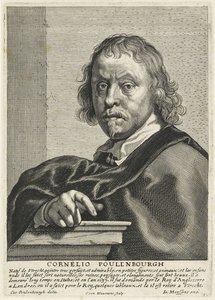
Kornelis Van Poelenbuh
1594 - 1667 , Holandija
Osnovne informacije
- Artistic Movement Or Style: Holandski pejzaž, Romanat
- Artists Or Movements Influenced By This Artist: ['Klod Loran']
- Artists Who Influenced This Artist: ['Abraham Bloemaert']
- Date Of Birth: 1594, Utreht, Holandija
- Date Of Death: 1667, Utreht, Holandija
- Full Name: Cornelis van Poelenburgh
- Nationality: Holandski
- Notable Artworks:
- Satiri špijuniraju nymphs
- Savet bogova
- Place Of Birth: Utreht, Holandija
Povezani članci

Dutch Baroque Masters: 10 Paintings That Shaped an Era | ArtsDot
Journey through the Golden Age with our guide to the Top 10 Dutch Baroque masterpieces! Explore iconic paintings by Rembrandt, Vermeer & Frans Hals. Find museum-quality art reproductions and elevate your home decor at ArtsDot.com.
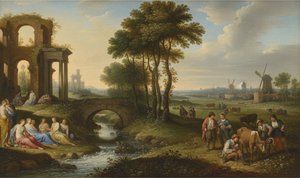
Cornelis van Poelenburch: Bridging Mannerism & the Dutch Baroque Landscape
Discover Cornelis van Poelenburch, a pivotal Dutch Baroque landscape painter bridging Mannerism & Italianate styles. Explore his life, key works, and lasting influence on 17th-century art with ArtsDot.
Golden Light & Dutch Skies: Bringing the Magic of Dutch Golden Age Landscapes into Your Home
Transform your home with the breathtaking light of Dutch Golden Age landscapes. Discover how hand-painted oil reproductions of masterworks like Ruisdael and Vermeer bring timeless elegance, atmosphere, and soulful texture to modern interiors. Elevate your space with museum-quality art.
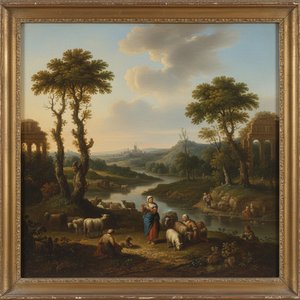
Nicolaes Berchem: Dutch Golden Age Pastoralism & the Evolution of Landscape Painting
Explore the captivating world of Nicolaes Berchem, a leading Dutch Golden Age painter. Discover his idyllic landscapes, masterful technique & lasting influence on art history. Learn more at ArtsDot.

Golden Age Reflections: Dutch Baroque Painting & Cultural Innovation
Explore the Dutch Golden Age of painting! Discover key artists like Vermeer & ter Borch, their innovative techniques, and the rich cultural context behind these Baroque masterpieces. Learn about collecting & appreciating this iconic art period.