

 Pregledaj u prostoru
 Pošalji
 Podeli
 Detalji o delu

 Преузми
 Slični predmeti
 Rendgenski snimak
 Slajdovi
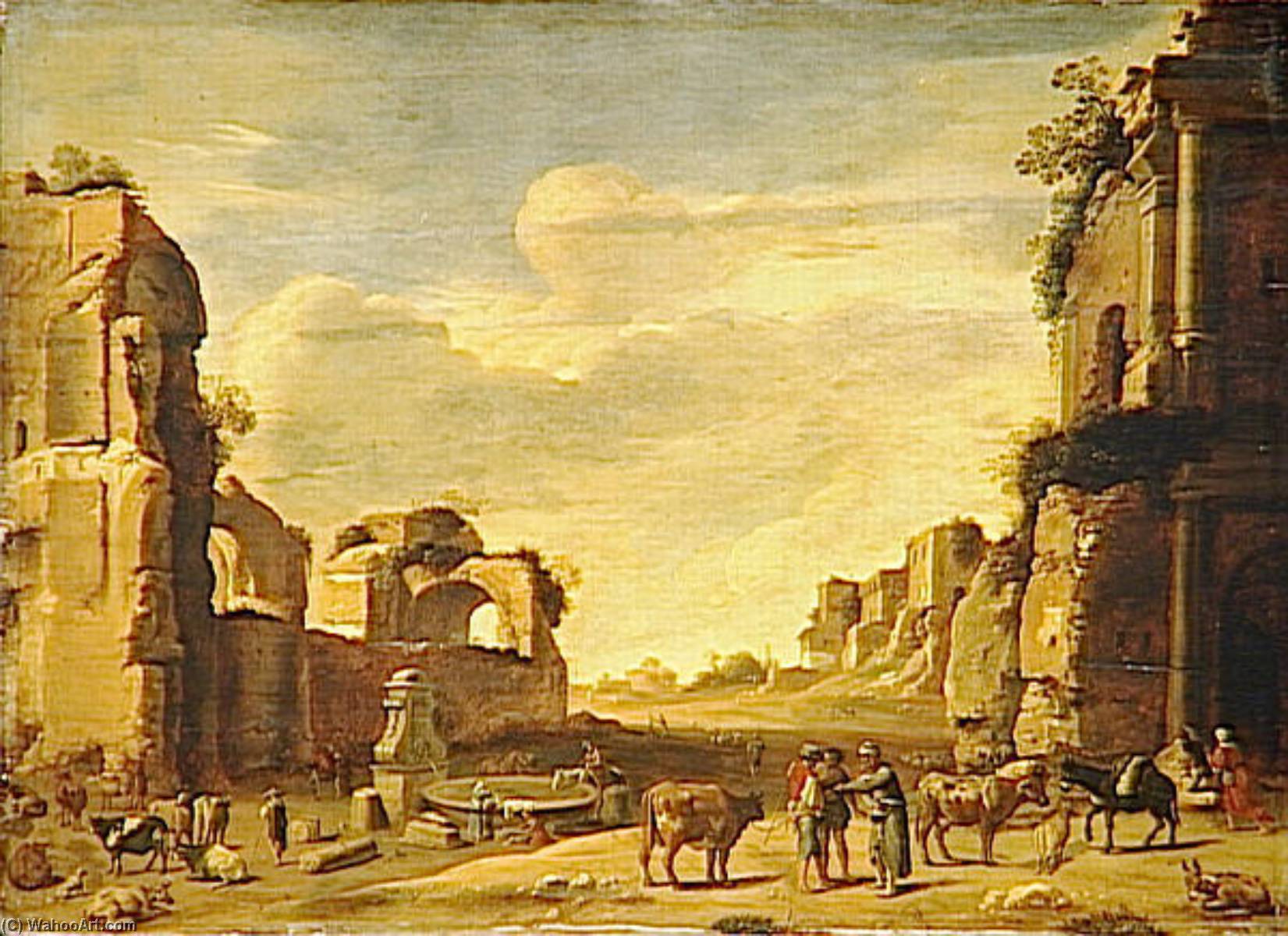
VUE DE FANTAISIE DU CAMPO VACCINO A ROME AVEC DEUX ANES


 Pročitaj više
Giclee štampa / Umetnički otisak
Giclée štampa ili print na platnu muzejskog kvaliteta uz brzu proizvodnju i fleksibilne opcije završne obrade. ( Kupi ručno naslikanu sliku Kupi digitalnu sliku)




P118B $10

P118H $10

P118W $10

P438Z $10

P508JH $12

P508YH $12

P805H $10

P805Z $10

P919BZ $10

P919G $10

P919XJ $10

P959ZH $10

P968JZ $12

W106C $8

W218G $10

W218JH $8

W218Y $10

W307PJ $10

W316G $10

W316PJ $8

W316Y $10

W398PJ $8

W4111J $10

W500HY $15

W500JH $15

W692G $12

W849H $8

W940BG $15

W953PJ $8




Izaberite jednu od naših unapred definisanih veličina koje odgovaraju originalnim proporcijama umetničkog dela.

Možete uneti sopstvene dimenzije kako biste umetničko delo prilagodili specifičnom okviru ili prostoru. Ako odabrani format ne odgovara proporcijama originalne slike, mi ćemo ili iscrtati deo dela ili proširiti sliku pomoću ogledane ivice ili jednobojnog popunjavanja. Digitalni prikaz će vam biti poslat na odobrenje pre početka proizvodnje.
Imajte na umu da pregled na ekranu ne odražava stvarno iscrtavanje ili proširivanje. Samo će prikaz (mockup) precizno pokazati finalnu kompoziciju.
Iako su prilagođene dimenzije dostupne, preporučujemo da odaberete dimenziju sa unapred definisane liste kako biste očuvali originalne proporcije.
Dostava širom sveta () za 2 nedelje umesto uobičajenih 4/5 nedelja. (1 септембар)

Besplatna ekspresna dostava širom sveta

Visokokvalitetno laneno platno

Kompletno osiguranje transporta

Garancija povraćaja carine i uvoznih dažbina

Garancija vernosti boja

Politika povrata u roku od 60 dana (samo u slučaju nedostataka)

Garancija povrata novca od 100%

Popust pri grupnoj kupovini
 Opcija sa staklom dostupna je samo za dimenzije manje od 110 cm

VUE DE FANTAISIE DU CAMPO VACCINO A ROME AVEC DEUX ANES
Giclee štampa / Umetnički otisak
Dimenzije reprodukcije
-


Konačna cena
$ 62
A Dreamscape of Antiquity: Viewing Life in Campo Vaccino
To gaze upon this depiction of the Campo Vaccino in Rome is to step through a veil into a romanticized past, a place where the grandeur of empire seems to whisper secrets across sun-drenched ruins. The painting captures not merely a view, but an entire mood—a confluence of history and human resilience. It possesses that quintessential, idealized quality often sought by collectors who desire art that transports them beyond the mundane into epochs of myth and majesty. The composition itself is masterful, drawing the eye along a central, receding pathway flanked by the skeletal remains of Roman architecture. Here, the weight of time is palpable; crumbling arches and weathered stone tell silent tales of emperors and forgotten glories.
The Painterly Touch: Technique and Atmosphere
The artist, channeling the spirit of 17th-century Dutch landscape painting, employs a technique that speaks volumes about its craftsmanship. Observe how the light—soft, diffused, and seemingly emanating from the right—bathes the scene in a warm, hazy glow, emphasizing the rich palette of ochres, terracotta, and deep browns. This masterful handling of light creates an almost palpable atmosphere, lending depth through both linear perspective, guiding us toward a distant vanishing point, and atmospheric perspective, softening the edges of what lies far away. The texture is wonderfully rendered; one can almost feel the grit of the ancient stone underfoot, contrasting beautifully with the ethereal smoothness suggested in the vast sky dominated by that magnificent cloud formation.
Symbolism and the Passage of Time
Beyond its picturesque beauty, this work resonates with profound symbolism. The juxtaposition of the enduring ruins against the vibrant tapestry of daily life—the scattered figures and gentle animals—is a meditation on impermanence versus continuity. The crumbling walls are potent symbols of time's relentless march, reminding us that even the mightiest human achievements eventually yield to decay. Yet, the very presence of life within this historical shell suggests something more enduring: the persistent spirit of humanity itself. It is a nostalgic vision, inviting contemplation on what lasts beyond stone and empire.
A Vision for Your Sanctuary
For those who appreciate art that serves as both decoration and deep reflection, this piece offers unparalleled depth. Whether adorning an entryway meant to evoke classical grandeur or gracing a study dedicated to history, its warm tones and romantic subject matter promise an immediate sense of cultured serenity. The blend of meticulous detail in the foreground with the sweeping scope of the landscape ensures that the eye never settles, always wandering through this beautiful, imagined corner of Rome. It is more than just a painting; it is an invitation to dream within the echoes of antiquity.
Srodna umetnička dela
Biografija umetnika
Rano detinjstvo i temelj formação
Cornelis van Poelenburgh, istaknuti holandski pejzažni slikar, rođen je u Utrehtu, u Holandiji, 1594. godine. Njegov umetnički put započeo je pod mentorstvom Abrahama Bloemaerta, čuvenog umetnika tog vremena, čija je stručna poduka postavila neophodne temelje za Van Poelenburghov budući uspeh i umetničku zrelost.Umetnička karijera i uticaji
Putovanja u Rim početkom 17. veka ostavila su dubok trag na njegov stvaralački duh, čineći ga vodećim predstavnikom prve generacije holandskih pejzažnih slikara aktivnih u Italiji. Njegova dela, često intimnog formata, prožeta su italijanskim pejzažima u kojima male figure oživljavaju biblijske ili mitološke scene, što je predstavljalo autentičan prikaz njegovog jedinstvenog stila. Istaknuta dela:- Satiri koji špijuniraju nimfe (nakon 1627. godine), karakterističan primer Van Poelenburghovog umeća, koji prikazuje arhaične pejzaže sa figurama u kupanju. (pogledajte na ArtsDot)
- Savet bogova (oko 1630. godine), slika koja prikazuje idealizovani brežuljkasti pejzaž i boginje inspirisane rimskim svetom, čije se nalazi u Muritshusu (Hag, Holandija). (pogledajte na ArtsDot)
Nasleđe i završne godine
Van Poelenburghovo delo uživalo je veliko priznanje među njegovim savremenicima, uključujući velikog vojvodu Toskanije i holandskog stadholera. Na kraju svog života, vratio se u Utreht, gde je preminuo 1667. godine, svega nekoliko godina nakon svog starog učitelja Abrahama Bloemaerta. Ključne tačke:- rođen u Utrehtu, Holandija, 1594. godine
- školovan kod Abrahama Bloemaerta
- pod snažnim uticajem boravka u Rimu
- poznat po malim italijanskim pejzažima sa figurama
- preminuo u Utrehtu 1667. godine pogledajte umetnička dela Cornelisa van Poelenburgha na ArtsDot saznajte više o Cornelisu van Poelenburghu na Wikipediji
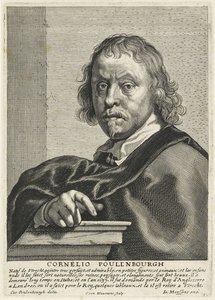
Kornelis Van Poelenbuh
1594 - 1667 , Holandija
Osnovne informacije
- Artistic Movement Or Style: Holandski pejzaž, Romanat
- Artists Or Movements Influenced By This Artist: ['Klod Loran']
- Artists Who Influenced This Artist: ['Abraham Bloemaert']
- Date Of Birth: 1594, Utreht, Holandija
- Date Of Death: 1667, Utreht, Holandija
- Full Name: Cornelis van Poelenburgh
- Nationality: Holandski
- Notable Artworks:
- Satiri špijuniraju nymphs
- Savet bogova
- Place Of Birth: Utreht, Holandija
Povezani članci
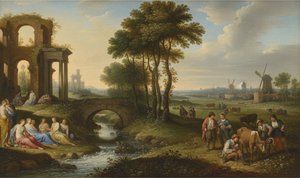
Cornelis van Poelenburch: Bridging Mannerism & the Dutch Baroque Landscape
Discover Cornelis van Poelenburch, a pivotal Dutch Baroque landscape painter bridging Mannerism & Italianate styles. Explore his life, key works, and lasting influence on 17th-century art with ArtsDot.
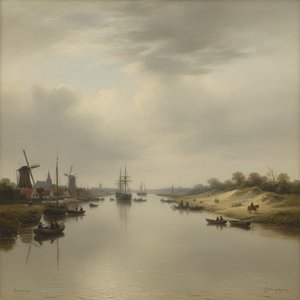
Jan van Goyen: Master of Dutch Landscape & Atmospheric Perspective
Discover Jan van Goyen, the master of Dutch landscape painting. Explore his subtle technique, atmospheric realism & lasting influence on art history. Learn about this 17th-century pioneer at ArtsDot.

Rembrandt van Rijn: 25 Majstorstava Svetla i Senke za Vaš Dom | ArtsDot
Uronite u svet Rembrandta van Rijna! Otkrijte 25 najlepših dela holandskog majstora – portrete, istorijske scene i biblijska platna. Kvalitetne reprodukcije slika za dekoraciju enterijera dostupne na ArtsDot.com.
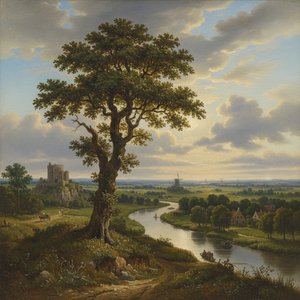
Jacob van Ruisdael: Master of Dutch Landscape & the Evocation of National Identity
Explore the life & work of Jacob van Ruisdael, the preeminent Dutch landscape painter. Discover his technical brilliance, symbolic depth, and lasting influence on art history. Learn about collecting Ruisdael's masterpieces.
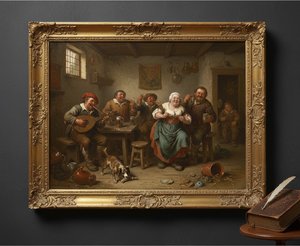
Adriaen van Ostade: A Master of Dutch Genre Painting & Social Commentary
Explore the life & work of Adriaen van Ostade, a leading Dutch Golden Age painter. Discover his realistic genre scenes, social commentary, and lasting influence on art history. Learn more at ArtsDot.

