

 Pregledaj u prostoru
 Pošalji
 Podeli
 Detalji o delu

 Преузми
 Slični predmeti
 Rendgenski snimak
 Slajdovi
 Statistika
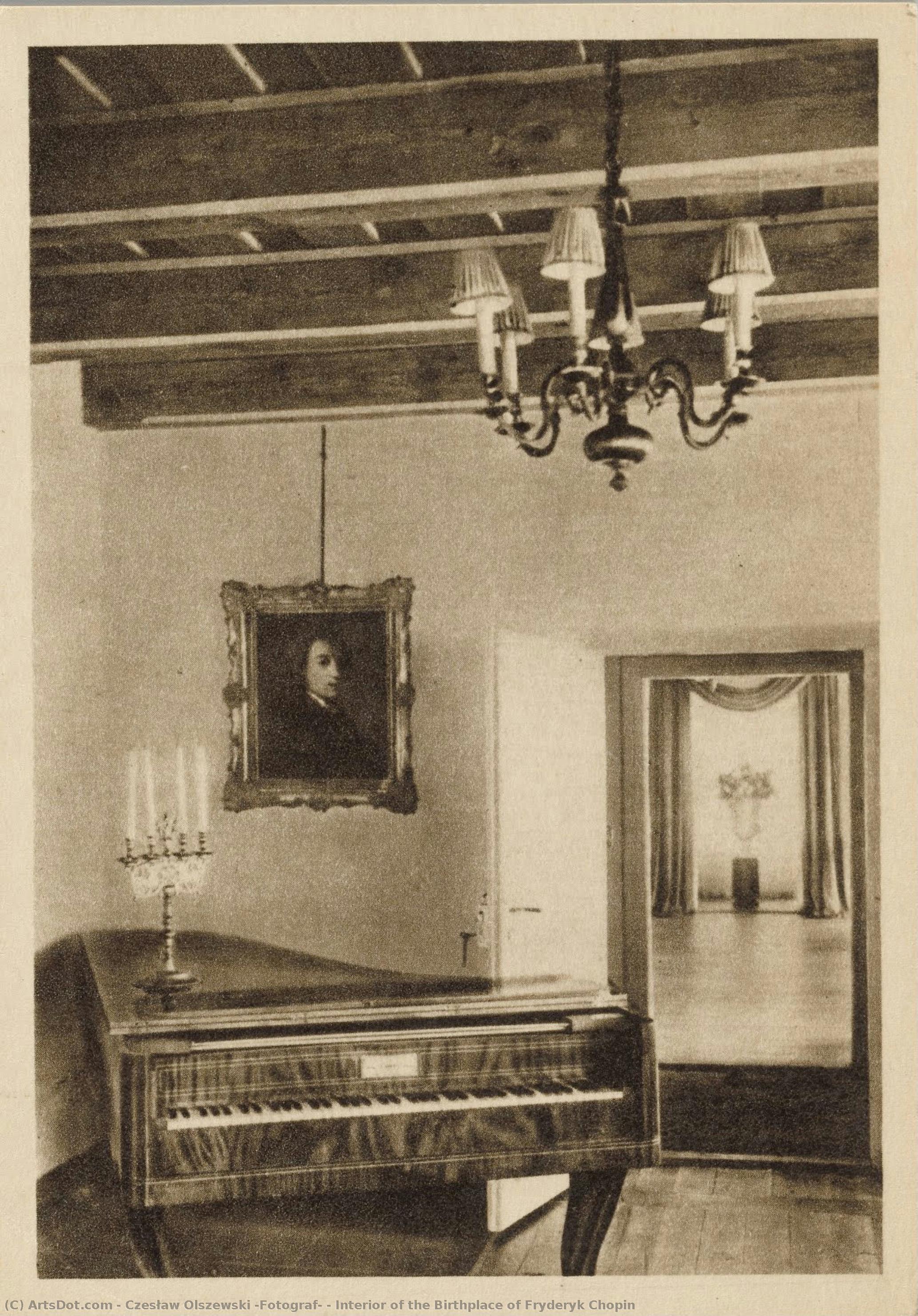
Interior of the Birthplace of Fryderyk Chopin

 Pročitaj više
Ručno rađena uljana reprodukcija
Ručno oslikano uljanim bojama na platnu u dimenzijama i okviru po vašem izboru, izrađeno po porudžbini od strane naših umetnika. ( Pređi na štampu Pređi na digitalnu sliku)




































Izaberite jednu od naših unapred definisanih veličina koje odgovaraju originalnim proporcijama umetničkog dela.

Можете унети сопствене димензије како бисте прилагодили дело одређеном оквиру или простору. Ако одабрана величина не одговара пропорцијама оригинала, слика ће бити исечена или проширена додатним елементима који се ручно насликавају. Дигитални prikaz ће вам бити послат на одобрење пре почетка производње.
Имајте на уму да преглед на екрану не одражава стварно исецање или проширење. Само приказ (mockup) ће тачно приказати коначну композицију.
Иако су доступне прилагођене величине, препоручујемо да одаберете димензију из дефинисане листе како бисте сачували оригиналне пропорције.
Nakon narudžbine, tim ArtsDot.com će klijentu putem e-pošte poslati uputstva i dostaviti prikaz predloženog rešenja
Isporuka širom sveta () za 3/4 nedelje umesto uobičajenih 5 nedelja. (10 септембар). Bez kompromisa po pitanju kvaliteta.

Besplatna ekspresna dostava širom sveta

Visokokvalitetno laneno platno

Kompletno osiguranje transporta

Garancija povraćaja carine i uvoznih dažbina

Garancija vernosti boja

Politika povraćaja u roku od 100 dana (isključivo u slučaju nedostataka)

Garancija povrata novca od 100%

Popust pri grupnoj kupovini
 Opcija sa staklom dostupna je samo za dimenzije manje od 110 cm

Interior of the Birthplace of Fryderyk Chopin
Tehnika reprodukcije
Dimenzije reprodukcije
-


Konačna cena
$ 263
Srodna umetnička dela










Biografija umetnika
A Pioneer of Polish Architectural Photography: Czesław Olszewski
Czesław Olszewski (1894-1969) stands as a pivotal figure in the development of architectural photography in Poland, a chronicler of a nation undergoing dramatic transformation throughout the 20th century. Born in Grójec, Poland, on June 19, 1894, Olszewski’s life coincided with periods of immense political and social upheaval – from the twilight of pre-war independence to the rebuilding efforts following the devastation of World War II. He wasn't merely documenting buildings; he was capturing the spirit of a nation striving for modernity and then painstakingly reconstructing itself.
Early Life and Formation
Details surrounding Olszewski’s early artistic training remain somewhat scarce, but his dedication to photography quickly became apparent. He possessed an innate ability to perceive architecture not just as static structures, but as dynamic forms shaped by light, shadow, and the evolving needs of society. This sensitivity would become a hallmark of his work. A crucial step in his career was becoming a co-founder of the Syndicate of Photoreporters of the Polish Republic. This collective underscored his commitment to journalistic integrity and collaborative documentation, establishing him within a network of like-minded professionals dedicated to visually recording Poland’s story.
Documenting a Nation: The Interwar Period
The 1930s proved to be a particularly fertile period for Olszewski. Poland was experiencing a surge in architectural innovation, embracing styles ranging from Art Deco to the burgeoning functionalist movement. Olszewski meticulously documented this evolution, his lens capturing the optimism and ambition of a nation eager to forge its own identity on the world stage. He wasn’t simply taking pictures *of* buildings; he was creating visual essays about progress, urban planning, and the changing face of Polish cities. His work from this era reveals a keen eye for composition, utilizing strong lines and dramatic perspectives to emphasize the scale and grandeur of these new structures. He captured not only the finished edifices but also the process of construction, offering a rare glimpse into the labor and ingenuity behind them.
Post-War Reconstruction and Legacy
The Second World War brought unimaginable destruction to Poland, leaving cities in ruins. Olszewski’s role shifted dramatically as he turned his attention to documenting the arduous task of reconstruction. His photographs from this period are imbued with a sense of solemnity and resilience. He captured the skeletal remains of once-proud buildings alongside images of rebuilding efforts, serving as a powerful testament to the nation's determination to rise from the ashes. This work wasn’t about celebrating architectural beauty; it was about bearing witness to loss and documenting the slow, painstaking process of renewal. He continued this documentation throughout the 1950s and 60s, capturing the emergence of socialist realism and post-war modernism.
Recognition and Enduring Influence
Throughout his career, Olszewski’s work was published in numerous books and exhibitions, ensuring its reach beyond journalistic circles. Publications like ‘Miastowidzenie. Fotografie Czesława Olszewskiego’ (Seeing the Cityscape. Photographs by Czesław Olszewski) and ‘Czesław Olszewski 'Warszawa nowoczesna'. Fotografie z lat trzydziestych XX wieku' (Czesław Olszewski 'Modern Warsaw'. Photographs from the 1930s) have cemented his place in Polish photographic history. More recently, exhibitions such as the one held at Dom Spotkań z Historią in Warsaw in 2022, brought renewed attention to his extensive archive. As a professor, Olszewski imparted his knowledge and passion for photography to generations of students, leaving an indelible mark on the field. His legacy extends beyond his stunning visual documentation; he instilled a commitment to meticulous observation, technical mastery, and a deep understanding of the social context in which architecture exists. His photographs remain invaluable resources for researchers studying Polish history, architecture, and the evolution of photographic techniques.

czesław olszewski (fotograf)
1894 - 1969 , Poland
Osnovne informacije
- Artistic Movement Or Style: Modernist Architecture Photography
- Date Of Birth: June 19, 1894
- Date Of Death: October 11, 1969
- Full Name: Czesław Olszewski
- Nationality: Polish
- Notable Artworks:
- Interior of the Birthplace of Fryderyk Chopin
- Warszawa nowoczesna
- Place Of Birth: Grójec, Poland