

 Pregledaj u prostoru
 Pošalji
 Podeli
 Detalji o delu

 Преузми
 Slični predmeti
 Rendgenski snimak
 Slajdovi
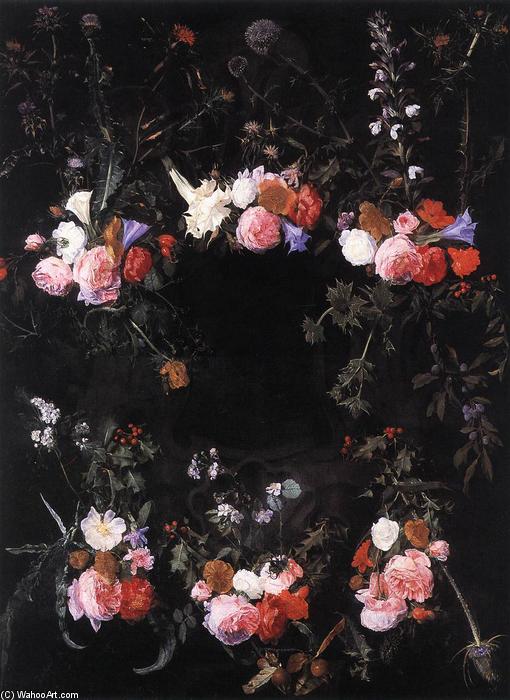
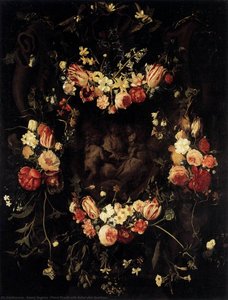
Garland of Flowers
 Oil On Canvas
- WallArt
- Baroque Still Life
 130.0 x 98.0 cm
 Museum voor Schone Kunsten
 Pročitaj više
Giclee štampa / Umetnički otisak
Giclée štampa ili print na platnu muzejskog kvaliteta uz brzu proizvodnju i fleksibilne opcije završne obrade. ( Kupi ručno naslikanu sliku Kupi digitalnu sliku)




P118B $10

P118H $10

P118W $10

P438Z $10

P508JH $12

P508YH $12

P805H $10

P805Z $10

P919BZ $10

P919G $10

P919XJ $10

P959ZH $10

P968JZ $12

W106C $8

W218G $10

W218JH $8

W218Y $10

W307PJ $10

W316G $10

W316PJ $8

W316Y $10

W398PJ $8

W4111J $10

W500HY $15

W500JH $15

W692G $12

W849H $8

W940BG $15

W953PJ $8




Izaberite jednu od naših unapred definisanih veličina koje odgovaraju originalnim proporcijama umetničkog dela.

Možete uneti sopstvene dimenzije kako biste umetničko delo prilagodili specifičnom okviru ili prostoru. Ako odabrani format ne odgovara proporcijama originalne slike, mi ćemo ili iscrtati deo dela ili proširiti sliku pomoću ogledane ivice ili jednobojnog popunjavanja. Digitalni prikaz će vam biti poslat na odobrenje pre početka proizvodnje.
Imajte na umu da pregled na ekranu ne odražava stvarno iscrtavanje ili proširivanje. Samo će prikaz (mockup) precizno pokazati finalnu kompoziciju.
Iako su prilagođene dimenzije dostupne, preporučujemo da odaberete dimenziju sa unapred definisane liste kako biste očuvali originalne proporcije.
Dostava širom sveta () za 2 nedelje umesto uobičajenih 4/5 nedelja. (7 септембар)

Besplatna ekspresna dostava širom sveta

Visokokvalitetno laneno platno

Kompletno osiguranje transporta

Garancija povraćaja carine i uvoznih dažbina

Garancija vernosti boja

Politika povraćaja u roku od 100 dana (isključivo u slučaju nedostataka)

Garancija povrata novca od 100%

Popust pri grupnoj kupovini
 Opcija sa staklom dostupna je samo za dimenzije manje od 110 cm

Garland of Flowers
Giclee štampa / Umetnički otisak
Dimenzije reprodukcije
-


Konačna cena
$ 62
The Silent Language of Blooms
Daniel Seghers's "Garland of Flowers," a captivating still life painted in 1635-1651, isn’t merely a depiction of botanical beauty; it’s an invitation into the contemplative heart of the Dutch Golden Age. Born in Antwerp and trained within the esteemed workshop of Jan Brueghel the Elder, Seghers inherited a legacy of meticulous observation and masterful technique, yet he subtly carved out his own distinctive voice – one deeply rooted in both religious piety and a profound appreciation for the transient elegance of nature. The painting immediately draws the eye with its dramatic contrast: a dense, almost claustrophobic arrangement of flowers and foliage against a backdrop of impenetrable darkness. This deliberate choice isn’t simply aesthetic; it speaks to themes of mortality, the fleeting nature of beauty, and perhaps even a quiet reverence for the divine order revealed in the natural world.
A Masterclass in Composition and Detail
Seghers's composition is a testament to his training under Brueghel, yet it possesses a refined geometry that elevates it beyond mere imitation. The garland unfolds in a carefully orchestrated spiral, drawing the viewer’s eye through layers of color and texture. Each bloom – roses in shades of blush pink and deep crimson, delicate white lilies, vibrant purple violets, and bursts of sunny yellow – is rendered with astonishing realism. Notice the velvety softness of the rose petals, painstakingly captured through subtle variations in tone and the artist's skillful use of layering paint to build up texture. The leaves, too, are meticulously detailed, their veins and serrated edges clearly defined. The arrangement isn’t haphazard; it feels deliberately balanced, creating a sense of visual harmony despite the overwhelming abundance of floral elements.
Color, Light, and the Shadowed Soul
The color palette is dominated by deep browns and blacks, providing a dramatic stage for the vibrant hues of the flowers. The lighting, seemingly emanating from an unseen source above and slightly to the left, highlights the curves and surfaces of each petal, creating a luminous effect that seems almost otherworldly. However, it’s the interplay between light and shadow that truly defines the painting's mood. The dark background doesn’t simply serve as a backdrop; it actively shapes the perception of the flowers, emphasizing their beauty by contrasting them with the surrounding darkness. This technique echoes the artistic conventions of Dutch still life painters, who often used shadows to evoke feelings of solemnity and contemplation.
Symbolism in Bloom: Mortality and Faith
Like many still lifes of the period, “Garland of Flowers” carries layers of symbolic meaning. The arrangement itself is a potent reminder of mortality – the ephemeral beauty of flowers inevitably fades, mirroring the transient nature of human life. The dark background can be interpreted as representing the passage of time or the inevitability of decay, while the vibrant colors of the blooms symbolize hope and renewal. Considering Seghers’s own conversion to Calvinism, it's likely that this painting also reflects a deeper spiritual engagement with the natural world, viewing God’s creation as a testament to his artistry and power. The garland itself can be seen as an emblem of Christ’s crown of thorns, subtly connecting the earthly beauty of flowers with the sacrifice of faith.
A Legacy Preserved: Reproduction and Inspiration
Created using oil paints on canvas, “Garland of Flowers” exemplifies Seghers's mastery of technique and his ability to capture both the literal and symbolic essence of nature. Today, reproductions offer a remarkable opportunity to experience this exquisite artwork firsthand, bringing its beauty and contemplative mood into any space. Whether adorning a formal salon or adding a touch of quiet elegance to a more casual setting, Seghers’s “Garland of Flowers” remains a timeless testament to the power of art to evoke emotion, stimulate reflection, and celebrate the enduring allure of the natural world.
Srodna umetnička dela
Biografija umetnika
A Life in Flowers and Faith
Daniël Seghers, a name synonymous with the exquisite beauty of 17th-century Flemish flower painting, was more than just an artist; he was a man deeply entwined with the religious currents and artistic fervor of his time. Born in Antwerp in 1590, a city then pulsating with Renaissance energy, Seghers’s life unfolded against a backdrop of shifting allegiances and profound spiritual awakening. His early years were marked by upheaval – the death of his father, Pieter, and his mother's subsequent conversion to Calvinism prompted a relocation to the Dutch Republic around 1601, likely settling in Utrecht. This period, though shrouded in some mystery regarding his initial artistic training, undoubtedly laid the groundwork for his future mastery. By 1611, however, Antwerp beckoned once more, and Seghers formally entered the studio of Jan Brueghel the Elder within the prestigious Guild of Saint Luke. This apprenticeship proved pivotal, immersing him in the established conventions of Flemish painting and shaping his nascent style.Conversion, Collaboration, and Artistic Flourishing
A defining moment arrived in 1614 with Seghers’s re-conversion to Catholicism, a decision that irrevocably altered the course of his life and art. He embraced the Jesuit order in Mechelen, dedicating himself to a path of faith and service. While debate lingers regarding whether he was formally ordained as a priest, his commitment to the religious life profoundly influenced his artistic trajectory. His work became imbued with a spiritual depth, reflecting the Counter-Reformation’s emphasis on piety and emotional resonance. His talent quickly gained recognition, leading to commissions such as the two flower garland paintings created for the Cathedral of St. Michael and St. Gudula in Brussels in 1621. A sojourn to Rome between 1625 and 1627 proved invaluable. There, he collaborated with some of the era’s most celebrated painters, notably assisting Nicolas Poussin on religious paintings and contributing a flower garland for Cardinal Ludovisi's commission alongside Domenichino. This exposure to Roman artistic circles broadened his horizons and refined his technique before his return to Antwerp in 1627, where he continued painting prolifically until his death.The Art of the Garland: Innovation and Style
Seghers didn’t merely replicate the flower garland tradition established by Jan Brueghel the Elder; he elevated it to new heights of artistry and symbolism. While initially influenced by his master's style, Seghers gradually moved towards a more naturalistic depiction of flowers, evolving from uniform garlands to arrangements composed of diverse groupings. His later works are characterized by vibrant colors, a sculptural quality, and a dramatic interplay of light and shadow, with blossoms illuminated against dark backgrounds. He possessed a keen eye for detail, favoring locally-grown roses and tulips often depicted just before full bloom, capturing their ephemeral beauty. A distinctive innovation was his incorporation of stone cartouches as framing elements within his compositions, adding architectural depth and visual interest. Furthermore, Seghers created unique “pietà” garlands featuring thistles, thorns, and other thorny plants – poignant symbols of Christ’s suffering and a testament to his devout faith. He frequently employed oil on copper, a popular support for cabinet paintings prized for its smooth surface and ability to showcase intricate detail.Patronage, Legacy, and Enduring Appeal
The exquisite quality of Seghers's work attracted the attention of Europe’s most discerning patrons. Cardinal-Infante Ferdinand of Austria, Archduke Leopold Wilhelm of Austria, Queen Christina of Sweden, and King Charles II of England all sought his paintings for their collections. This aristocratic patronage not only secured his financial stability but also cemented his reputation as a leading artist of his time. Seghers was also a generous mentor, sharing his knowledge with several notable artists including Jan Philip van Thielen, Ottmar Elliger, Ignace Raeth, and Andries Bosman, ensuring the continuation of his artistic legacy. His contribution to the flower garland genre is undeniable; he transformed it from mere decoration into a vehicle for profound symbolic meaning and technical mastery. His meticulous attention to detail, vibrant color palettes, and innovative compositions secured his place as a pivotal figure in 17th-century Flemish art. Today, Daniel Seghers’s floral still lifes continue to captivate audiences with their timeless beauty and enduring spiritual resonance, offering a glimpse into a world where faith, artistry, and the fleeting splendor of nature converge.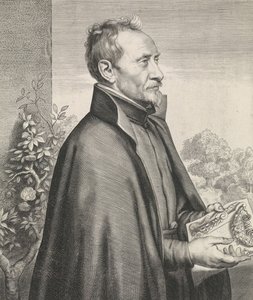
Daniel Seghers
1590 - 1661 , Belgium
Osnovne informacije
- Artistic Movement Or Style: Baroque, Still life
- Artists Or Movements Influenced By This Artist:
- Jan Philip van Thielen
- Ottmar Elliger
- Artists Who Influenced This Artist: ['Jan Brueghel the Elder']
- Date Of Birth: 1590
- Date Of Death: 1661
- Full Name: Daniel Seghers
- Nationality: Flemish
- Notable Artworks:
- Wreath of Pink Roses
- Flowers in a Glass Vase
- Garland of Flowers
- Place Of Birth: Antwerp, Belgium
Povezani članci
Abraham Hendricksz van Beyeren: Pioneering Dutch Still Life & the Banquet Tradition
Explore the captivating world of Dutch Golden Age still life with Abraham van Beyeren. Discover his innovative techniques, symbolic banquet scenes & lasting influence on art history. Learn about collecting these masterpieces.
Jan Jansz Wijnants: A Study in Dutch Golden Age Still Life & Floral Transience
Explore the captivating world of Jan Wijnants and Dutch Golden Age still life painting. Discover symbolism, masterful techniques & lasting influence on floral art history. Learn more!
Silent Narratives: Exploring the Enduring Appeal of Still Life Painting Across Centuries
Explore the rich history of still life painting with ArtsDot. Discover Dutch Masters, decode vanitas symbolism & learn about collecting timeless art. Expert insights and museum-quality reproductions.
Illuminating a Century of Change: Artistic Expression & Societal Shifts in 17th-Century Europe
Explore the artistic brilliance of the 17th-century Dutch Golden Age & Baroque period. Discover Rembrandt, genre painting, and chiaroscuro techniques. Expert insights for art lovers & collectors.

Zlatno doba Holandske umetnosti: Top 10 remek dela za vaš dom
Otkrijte remek dela Holandskog zlatnog doba! Uronite u svet Rembrandta, Vermeera i drugih majstora. 10 ikoničnih slika koje su definisale umetnost. Inspiracija za vaš dom i kolekciju - ekskluzivne reprodukcije na ArtsDot.com!