

 Pregledaj u prostoru
 Pošalji
 Podeli
 Detalji o delu

 Преузми
 Slični predmeti
 Rendgenski snimak
 Slajdovi
 Statistika
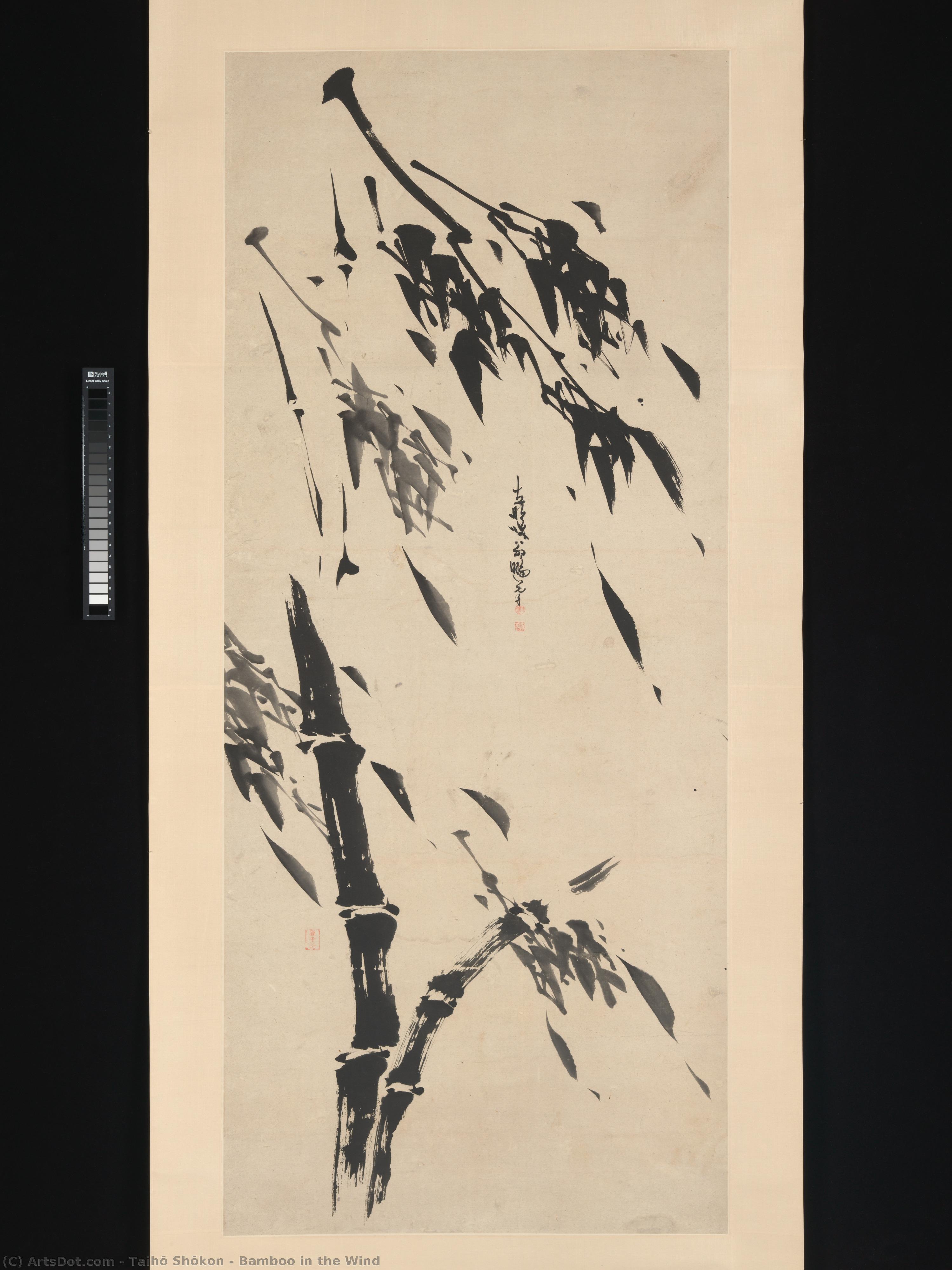
Bamboo in the Wind
 120.0 x 53.0 cm
 Pročitaj više
Kupite digitalnu sliku visoke rezolucije i poboljšanog kvaliteta, koja je znatno superiornija od onoga što vidite u online prikazu.
Svaka datoteka je pedantno pripremljena od strane naših stručnjaka koristeći napredne alate i profesionalnu ručnu retušu. Osiguravamo da svaka slika ima izuzetnu oštrinu, preciznu reprodukciju boja i fine detalje.
Konačna datoteka se dostavlja putem e-pošte u roku od 72 sata, optimizovana za neposrednu upotrebu u profesionalnim, izdavačkim i štamparskim okruženjima. To je isti kvalitet kojem veruju vrhunski studiji dizajna, izdavači i galerije.
Digitalna slika
Preuzmite datoteku visoke rezolucije za ličnu upotrebu, štampanje i kreativne projekte. ( Pređi na štampu Kupi ručno naslikanu sliku)
Uključeno uz svaku porudžbinu digitalne slike
Profesionalna digitalna isporuka, zagarantovana
Kada odaberete ArtsDot.com, ne dobijate samo sliku – vi primate profesionalno unapređeno digitalno umetničko delo, izrađeno sa najvećom preciznošću i uz garanciju zadovoljstva. Evo svega što automatski dolazi uz vašu porudžbinu:

Brza dostava putem e-pošte
Vaša digitalna slika visoke rezolucije biće vam poslata putem e-pošte u roku od 72 sata od poručivanja – spremna za trenutnu upotrebu.

Digitalna datoteka unapređena veštačkom inteligencijom
Vaše umetničko delo je profesionalno optimizovano korišćenjem naprednih AI alata i ručne obrade, čime se osiguravaju maksimalni detalji, oštrina i preciznost boja.

Besplatna ponovna isporuka doživotno
Slučajno ste obrisali ili izgubili svoju datoteku? Ne brinite – poslaćemo vam je ponovo u bilo kom trenutku, potpuno besplatno.

Bez troškova uvoza – zauvek
Uživajte u svojim umetničkim delima trenutno, bez carine, dažbina ili troškova dostave – digitalni download je uvek bez poreza.

Garancija vernosti boja
Uz pomoć profesionalnih alata i upravljanja bojama, osiguravamo da vaša digitalna slika što vernije odražava originalne boje.

Garancija zadovoljstva od 100 dana
Ako niste zadovoljni svojom digitalnom slikom, izvršićemo reviziju ili ćemo vam vratiti 100% novca u roku od 100 dana – bez ikakvih pitanja.

100% garancija povrata novca
Niste zadovoljni? Dobijte puni povraćaj novca u roku od 100 dana od prijema digitalne datoteke – bez suvišnih pitanja.

Popusti na velike porudžbine
Kupite 3 slike, uštedite 10% - Kupite 5 slika, uštedite 15% - Kupite 10+ slika, uštedite 20%. Odlično za kreativne projekte, galerije i agencije.
Srodna umetnička dela









Biografija umetnika
The Harmonious Brush: The Life and Art of Taihō Shōkon
Taihō Shōkon, born Zheng Kun in Osaka, Japan, in 1691, was more than simply a calligrapher and painter; he embodied a fascinating confluence of martial spirit, Zen philosophy, and artistic dedication. His life unfolded during the Edo period, a time of relative peace that allowed for flourishing cultural pursuits, yet also one steeped in rigid social structures and a warrior ethos that profoundly shaped his aesthetic. Shōkon’s journey began not within the traditional confines of an art academy, but amidst the disciplined practice of Hokushin Ittō-ryū, a school of martial arts emphasizing swift, decisive action and unwavering focus. This early training would become inextricably linked to his artistic expression, imbuing his work with a dynamic energy and a sense of controlled power rarely seen in Japanese painting of the era.From Warrior’s Path to Zen Aesthetics
The pivotal moment in Shōkon's artistic development came through his association with Yinyuan Longqi (Ingen Ryuki), a Chinese monk who founded the ōbaku Zen school in Japan. Ryuki, a charismatic and influential figure, introduced Shōkon to the profound principles of Zen Buddhism – concepts like *mu* (nothingness), spontaneity, and the importance of direct experience. This encounter fundamentally altered Shōkon’s worldview and artistic direction. He abandoned the pursuit of mere technical skill in favor of capturing the essence of nature through intuitive brushstrokes and a meditative approach. He wasn't simply depicting bamboo; he was striving to embody its spirit – its resilience, flexibility, and inherent strength. This shift is evident in his calligraphy as well, where each character isn’t just a symbol but a manifestation of inner energy and enlightenment. The influence of Chinese ink painting traditions, brought through the ōbaku Zen school, became increasingly prominent, though Shōkon never fully relinquished his distinctly Japanese sensibility.Bamboo as Metaphor: A Unique Artistic Voice
Shōkon’s most celebrated works are undoubtedly his bamboo paintings. He didn't merely paint *of* bamboo; he painted *as* bamboo – conveying its very life force through the fluidity of his brushwork and the subtle gradations of ink. His technique was characterized by bold, sweeping strokes that captured the plant’s upward reach and delicate leaves that seemed to tremble in the breeze. He often employed a dry brush style (*karazuri*) creating textured surfaces that evoked the rough bark and weathered appearance of mature stalks. Beyond technical mastery, Shōkon imbued his bamboo with symbolic meaning deeply rooted in Zen philosophy. Bamboo represents integrity, perseverance, and humility – qualities highly valued within both the martial arts tradition he came from and the Zen Buddhism he embraced. His paintings weren’t simply decorative; they were visual koans, inviting contemplation on the nature of existence and the path to enlightenment.Legacy and Historical Significance
Taihō Shōkon died in Kyoto in 1774, leaving behind a body of work that continues to resonate with audiences today. While not as widely recognized internationally as some of his contemporaries, within Japan he is revered as a significant figure bridging the gap between martial arts and Zen aesthetics. His paintings are prized for their dynamic energy, technical brilliance, and profound spiritual depth. He demonstrated how discipline honed through rigorous physical training could translate into artistic mastery, and how Zen philosophy could inform a unique visual language. His influence can be seen in subsequent generations of Japanese painters who sought to integrate spirituality and technique, creating works that were both visually stunning and deeply meaningful. Shōkon’s legacy is not simply as an artist, but as a testament to the power of holistic practice – a harmonious blend of body, mind, and spirit expressed through the elegant strokes of his brush.
dapeng zhengkun
1691 - 1774 , Japan
Kratke činjenice
- Artistic Movement Or Style: Zen art, Calligraphy
- Artists Who Influenced This Artist: ['Yinyuan Longqi']
- Date Of Birth: 1691
- Date Of Death: 1774
- Full Name: Dapeng Zhengkun
- Nationality: Japanese
- Notable Artworks: ['Bamboo paintings']
- Place Of Birth: Osaka, Japan