

 Pregledaj u prostoru
 Pošalji
 Podeli
 Detalji o delu

 Преузми
 Slični predmeti
 Rendgenski snimak
 Slajdovi
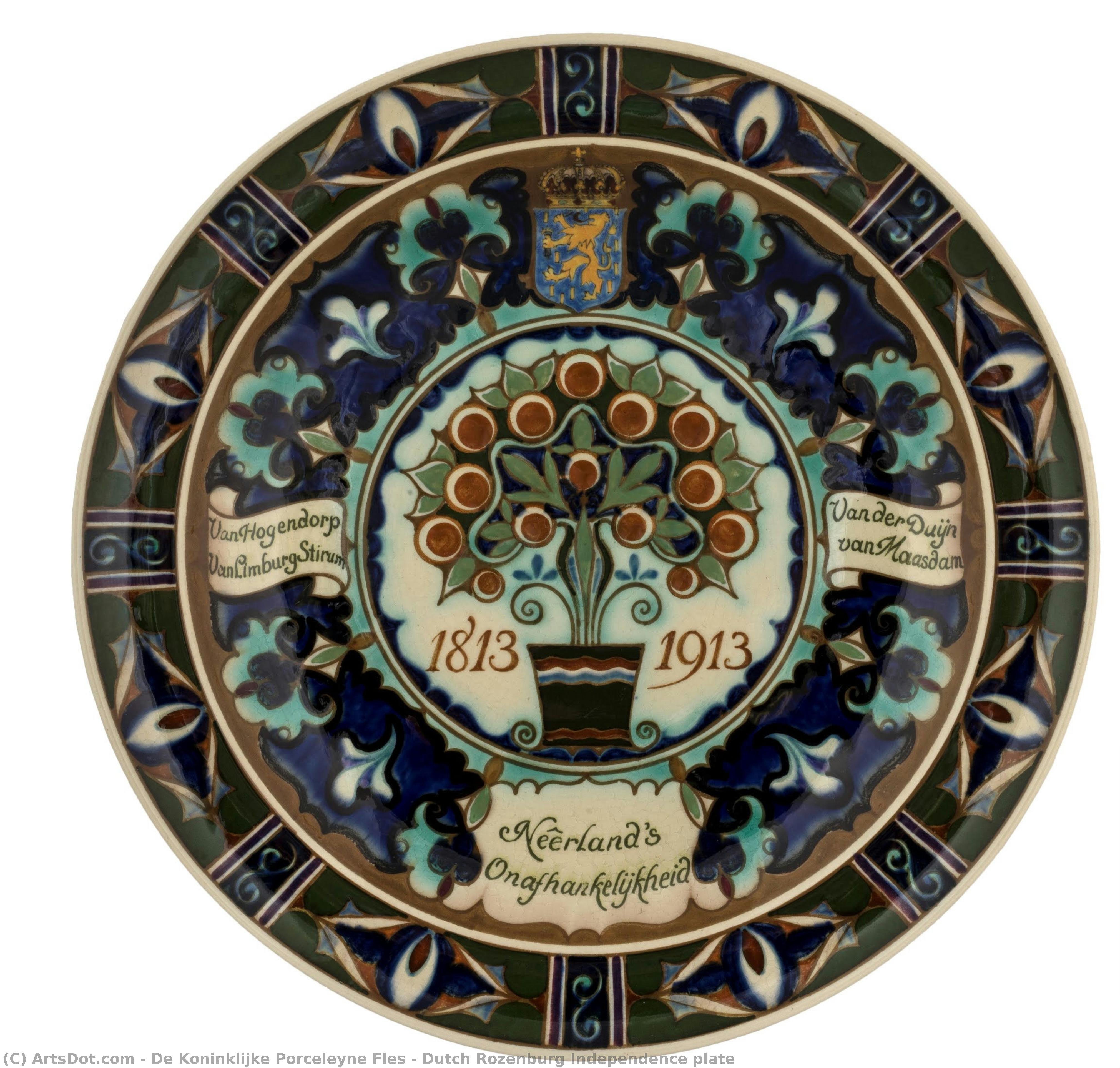
Dutch Rozenburg Independence plate
 1913
1913 22.0 x 5.0 cm
 University of Pretoria Museums
 Pročitaj više
Giclee štampa / Umetnički otisak
Giclée štampa ili print na platnu muzejskog kvaliteta uz brzu proizvodnju i fleksibilne opcije završne obrade. ( Kupi ručno naslikanu sliku Kupi digitalnu sliku)




































Izaberite jednu od naših unapred definisanih veličina koje odgovaraju originalnim proporcijama umetničkog dela.

Možete uneti sopstvene dimenzije kako biste umetničko delo prilagodili specifičnom okviru ili prostoru. Ako odabrani format ne odgovara proporcijama originalne slike, mi ćemo ili iscrtati deo dela ili proširiti sliku pomoću ogledane ivice ili jednobojnog popunjavanja. Digitalni prikaz će vam biti poslat na odobrenje pre početka proizvodnje.
Imajte na umu da pregled na ekranu ne odražava stvarno iscrtavanje ili proširivanje. Samo će prikaz (mockup) precizno pokazati finalnu kompoziciju.
Iako su prilagođene dimenzije dostupne, preporučujemo da odaberete dimenziju sa unapred definisane liste kako biste očuvali originalne proporcije.
Dostava širom sveta () za 2 nedelje umesto uobičajenih 4/5 nedelja. (4 септембар)

Besplatna ekspresna dostava širom sveta

Visokokvalitetno laneno platno

Kompletno osiguranje transporta

Garancija povraćaja carine i uvoznih dažbina

Garancija vernosti boja

Politika povrata u roku od 60 dana (samo u slučaju nedostataka)

Garancija povrata novca od 100%

Popust pri grupnoj kupovini
 Opcija sa staklom dostupna je samo za dimenzije manje od 110 cm

Dutch Rozenburg Independence plate
Giclee štampa / Umetnički otisak
Dimenzije reprodukcije
-


Konačna cena
$ 62
Srodna umetnička dela




Biografija umetnika
The Dawn of a Blue and White Legacy
In the heart of the Dutch Golden Age, amidst a sea of maritime exploration and burgeoning global trade, a singular tradition began to take shape. The year 1653 marked the foundation of De Koninklijke Porceleyne Fles by David Anthonisz van der Pieth, an era when the European appetite for exotic Chinese porcelain was reshaping the very fabric of artistic taste. As the Dutch East India Company brought waves of delicate porcelain from the East, a group of ambitious artisans in Delft sought to capture this ethereal beauty using local materials. This was not merely an act of imitation but a profound movement of innovation, where the mastery of tin-glazed earthenware emerged to create a uniquely Dutch aesthetic that would eventually command international admiration.The genesis of this craft was rooted in a desire to emulate the prestige of far-off lands while celebrating the local landscape. By developing a method to produce fine, white-glazed ceramics, these craftsmen created a canvas that allowed for a level of detail and vibrancy previously unseen in European pottery. This period of intense creativity established Delft as a global epicenter for decorative arts, setting the stage for a legacy that would endure through centuries of shifting political and economic tides.
The Alchemy of Cobalt and Clay
The true magic of Royal Delft lies in the meticulous, painstaking process of its creation, a technique passed down through generations of master painters. Unlike true porcelain, this exquisite earthenware relies on a white tin glaze that provides a luminous, opaque surface for the artist's brush. Using cobalt oxide, craftsmen conjure deep, soulful blues that dance across the surface of vases, plates, and tiles with a brilliance that seems to glow from within.The artistry within these pieces often transcends simple decoration, weaving together several profound themes:
- Narrative Landscapes: Capturing the serene beauty of the Dutch countryside, from wind-swept mills to tranquil canals, rendered with a painterly precision.
- Historical Commemorations: Celebrating pivotal moments in Dutch history, such as the centenary of independence or significant royal milestones.
- Symbolic Devotion: Infusing everyday objects with spiritual meaning, seen in prayer plates that seek divine protection during times of conflict.
A Bastion of Enduring Tradition
While many of the thirty-two original factories that once flourished in Delft have long since vanished into the annals of history, De Koninklijke Porceleyne Fles remains a living monument to craftsmanship. Its survival for over three and a half centuries is nothing short of miraculous, standing as the sole remaining sentinel of the Delftware tradition. The acquisition of royal patronage in 1919 further solidified its prestige, elevating the factory from a local manufacturer to a symbol of national pride and cultural continuity.Today, the factory continues to breathe life into the past, ensuring that the delicate interplay of blue and white remains not just a relic of the seventeenth century, but a vibrant, breathing art form. Through its commitment to preserving traditional methods while embracing the artistry of new generations, Royal Delft connects the modern world to the soul of the Dutch Golden Age, proving that true beauty, when rooted in heritage, is timeless.
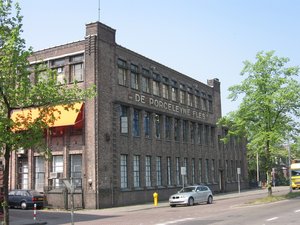
de koninklijke porceleyne fles
Netherlands
Osnovne informacije
- Artistic Movement Or Style: Dutch Golden Age
- Artists Or Movements Influenced By This Artist: ['Leonaert Bramer']
- Artists Who Influenced This Artist: ['Chinese Porcelain Manufacturers']
- Full Name: David Anthonisz van der Pieth
- Nationality: Dutch
- Notable Artworks:
- Pictorial Plates
- Hunting Scenes
- Place Of Birth: Delft, Netherlands

